

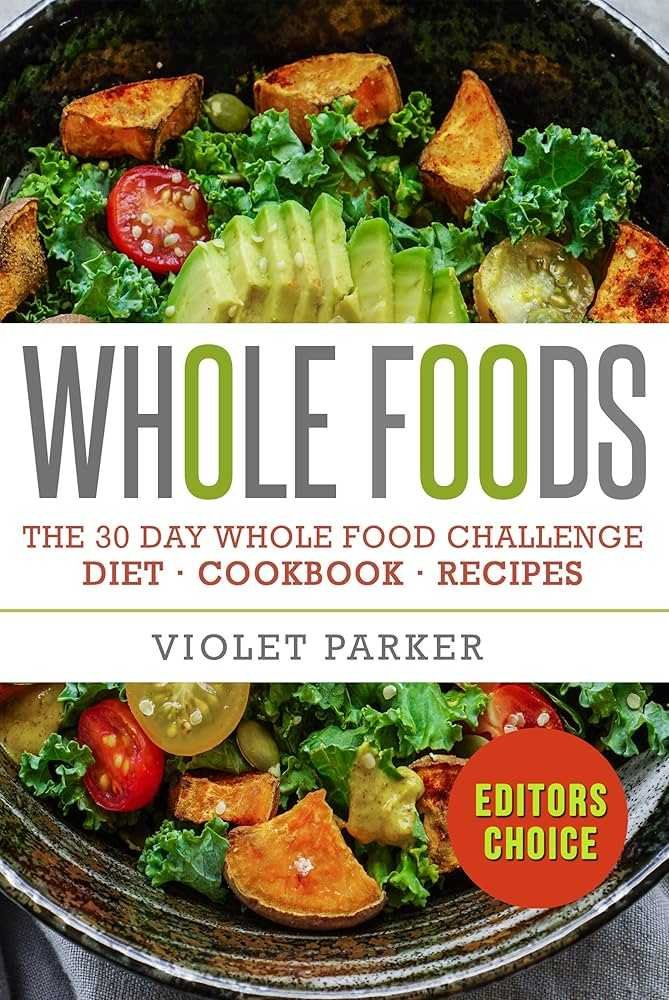
Adoptez une alimentation saine en privilégiant les aliments entiers pour transformer votre bien-être et votre énergie. Une alimentation propre basée sur des choix alimentaires naturels et non transformés peut sembler difficile, mais elle est en réalité accessible et incroyablement bénéfique pour votre santé. En se concentrant sur des aliments entiers comme les fruits, légumes, grains complets, noix et protéines maigres, vous améliorez votre digestion, boostez votre vitalité et soutenez une gestion durable du poids. La clé consiste à remplacer les aliments transformés par des options naturelles et à cuisiner davantage à la maison. En suivant ce plan simple, vous pouvez retrouver un équilibre, renforcer votre système immunitaire, et profiter de chaque repas en toute simplicité et plaisir.
Une alimentation propre axée sur des aliments entiers consiste à privilégier des produits naturels, non transformés, riches en nutriments. Elle encourage la consommation de fruits, légumes, grains complets, noix et protéines maigres, tout en évitant les aliments ultra-transformés. En adoptant cette approche, vous améliorez votre santé globale, votre énergie et votre bien-être quotidien.
Commencer une planification alimentaire axée sur la consommation d’aliments entiers n’a pas besoin d’être compliqué. Il s’agit de faire des choix conscients, comme opter pour des fruits frais plutôt que des snacks sucrés, ou cuisiner des légumes plutôt que de manger des plats préparés. Cette méthode simple, durable et savoureuse permet non seulement de prendre soin de votre corps, mais aussi d’apprécier chaque repas comme une opportunité de nourrir votre corps avec le meilleur. La transition vers une alimentation propre est un voyage progressif qui, en peu de temps, peut devenir une nouvelle habitude de vie.

Clean Eating Plan Focused on Whole Food Choices
Understanding the Principles of Clean Eating
Clean eating means choosing foods that are as close to their natural state as possible. It emphasizes consuming whole, unprocessed, and minimally refined foods. This approach helps improve overall health, boost energy levels, and maintain a balanced weight. By focusing on whole foods, you avoid added sugars, artificial additives, and unhealthy fats.
The Benefits of a Whole Food-Based Clean Eating Plan
Switching to a whole food focused diet offers many advantages. It provides essential nutrients like vitamins, minerals, and fiber that support your body’s functions. It also reduces the risk of chronic diseases such as heart disease, diabetes, and certain cancers. Additionally, this diet enhances digestion and promotes better skin and hair health.
Core Components of a Whole Food Clean Eating Plan
A successful plan revolves around three main groups:
- Fruits and Vegetables: Rich in antioxidants, fiber, and vitamins. Aim for a variety of colorful produce daily.
- Whole Grains: Choose oats, brown rice, quinoa, and whole wheat products over refined grains.
- Lean Proteins: Include chicken, fish, beans, lentils, and nuts for muscle repair and energy.
Incorporating healthy fats from sources like avocados and olive oil is also essential.
Tips for Transitioning to a Whole Food Based Clean Eating Plan
Start by gradually replacing processed foods with whole alternatives. Read food labels carefully to identify hidden sugars and preservatives. Prepare meals at home to have better control over ingredients. Planning weekly meals helps maintain consistency and reduces impulsive eating.
Creating a Balanced Meal Plan
A well-rounded diet includes a variety of foods across all food groups. Use a plate model to visualize portions:
| Food Group | Examples | Approximate Portion |
|---|---|---|
| Fruits and Vegetables | Apples, spinach, carrots, berries | Half the plate |
| Whole Grains | Quinoa, oats, barley | One quarter of the plate |
| Lean Proteins | Salmon, beans, chicken breast | One quarter of the plate |
Adding healthy fats and hydrating with plenty of water supports overall health.
Meal Planning and Prep Ideas
Prepare meals in bulk to save time and ensure healthy choices. Easy breakfast options include oatmeal topped with fresh fruit or scrambled eggs with vegetables. For lunch and dinner, create balanced bowls with grains, proteins, and colorful veggies. Use herbs and spices to enhance flavor naturally without added salt.
Snacks That Align with Whole Food Choices
Choose nutrient-dense snacks like nuts, seeds, fresh fruit, or veggie sticks with hummus. Avoid snack foods with added sugars or artificial ingredients. Preparing snacks ahead of time helps avoid temptation and maintains your clean eating goals throughout the day.
Reading Food Labels Effectively
Look for foods with recognizable ingredients. Minimize items with added sugars, artificial flavors, preservatives, or hydrogenated oils. Focus on products that list whole foods as the first ingredients. Understanding labels supports smarter food choices and promotes a cleaner diet.
Incorporating Lifestyle Factors to Support Your Plan
Adequate sleep, regular physical activity, and stress management improve your body’s ability to make healthy choices. Practice mindful eating by paying attention to hunger and fullness cues. Stay consistent but flexible to create lasting habits that promote wellness.
Challenges and How to Overcome Them
Transitioning can be difficult when faced with social situations or limited access to whole foods. Prepare for outings by bringing healthy snacks. Educate yourself about affordable options and seasonal produce. Remember, small changes lead to sustainable habits over time.
Tracking Your Progress and Making Adjustments
Keep a food journal to note how different foods make you feel. Celebrate milestones to stay motivated. Adjust your plan based on your preferences, nutritional needs, and lifestyle changes to maintain a balanced and enjoyable clean eating journey.
Additional Resources for Whole Food Clean Eating
Explore cookbooks centered on whole foods, join local farmers’ markets, and follow nutrition blogs dedicated to clean eating tips. Connecting with community groups can provide support and motivation. Use apps to plan meals and track your daily intake.
Adopting a clean eating plan focused on whole food choices requires commitment but rewards you with better health and vitality. Take it step by step, stay informed, and enjoy the process of nourishing your body with wholesome foods. Remember, every small change counts toward a healthier lifestyle.
HOW TO SIMPLIFY HEALTHY EATING| Start with 3 simple steps!
Frequently Asked Questions
How can I ensure I include enough variety in my whole food-based diet?
To incorporate a wide range of nutrients, focus on eating a colorful variety of fruits, vegetables, lean proteins, and whole grains. Rotate different produce and protein sources throughout the week to prevent dietary boredom and ensure your body gets a spectrum of essential vitamins and minerals. Planning meals ahead helps maintain diversity and balance.
What are some common pitfalls to avoid when following a clean eating plan with whole foods?
Avoid relying heavily on processed or packaged foods labeled as healthy. Be cautious of added sugars, unhealthy fats, and artificial ingredients that can sneak into seemingly wholesome products. Overeating even whole foods like nuts or avocados can lead to excessive calorie intake. Focus on portion control and reading labels carefully when needed.
How can I make meal preparation easier while sticking to whole food choices?
Prepare ingredients in advance by batch-cooking grains, chopping vegetables, and portioning snacks for the week. Keep a well-stocked pantry with staple items such as dried beans, grains, and spices to expedite cooking. Simple recipes that use minimal ingredients also help you stay consistent without spending hours in the kitchen.
Are there specific guidelines for balancing macronutrients on a clean eating plan?
Yes, aim to include a good balance of carbohydrates from whole grains and vegetables, lean proteins such as poultry or legumes, and healthy fats like nuts and olive oil. Pay attention to portion sizes and listen to your body’s hunger signals to maintain energy levels and support overall health. Customizing your intake based on activity levels and personal goals helps achieve optimal balance.
Final Thoughts
A clean eating plan focused on whole food choices offers a simple way to improve your health. It emphasizes fresh vegetables, fruits, lean proteins, and whole grains, reducing processed foods. Following this plan helps boost energy levels and supports overall well-being. By choosing whole foods, you create a sustainable and enjoyable eating pattern that benefits both your body and mind.
As an Amazon Associate, We earn from qualifying purchases. When you purchase a product through Amazon links on pulsefitguide.com, we may earn a small commission at no extra cost to you. This helps support the site and keep our content free.