


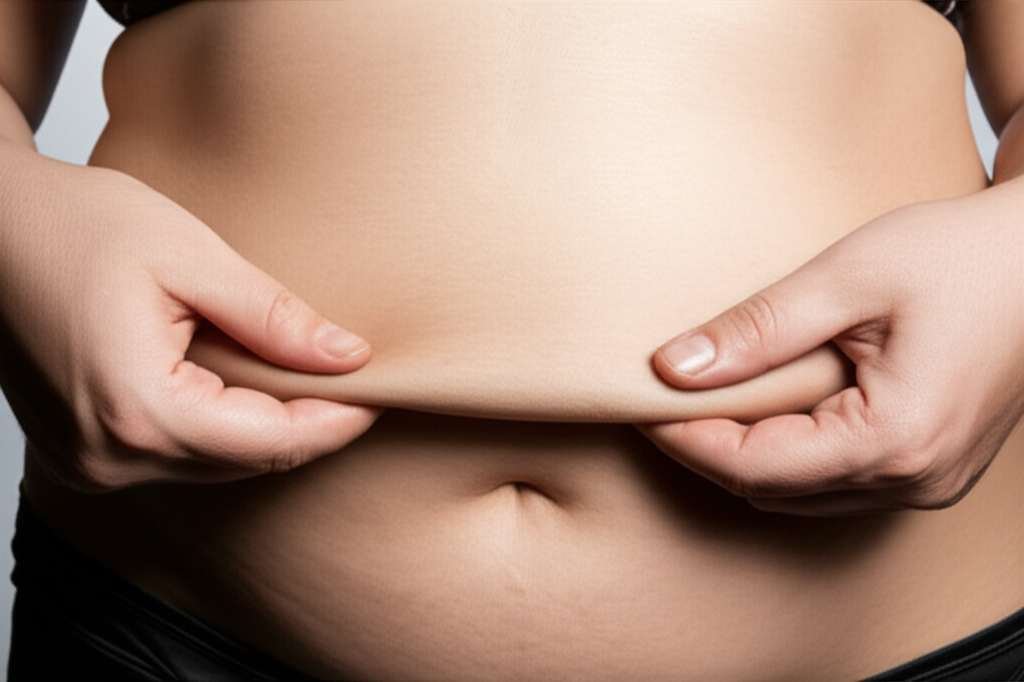
Can you lose fat cells? Yes, you can effectively reduce the number of fat cells in your body through significant, sustained fat loss, though they don’t disappear entirely. Instead, they shrink dramatically. This guide explains how it works and what you can do.
Ever wondered if losing weight means those stubborn fat cells just vanish forever? It’s a common question, and the answer is a bit more nuanced than a simple yes or no.

Many people feel confused when they lose weight but their body shape doesn’t change as much as they’d hoped. This can be discouraging, making it feel like the whole process is harder than it needs to be.
But don’t worry! As your friendly weight loss coach, I’m here to break down the science in a way that makes sense. We’ll explore what actually happens to your fat cells and, more importantly, how you can achieve real, lasting results.
Ready to uncover the amazing truth about fat cells and weight loss? Let’s dive in!
Understanding Fat Cells: More Than Just Storage
To really get a handle on weight loss, it’s helpful to understand what fat cells, also known as adipocytes, actually do. They aren’t just passive blobs of fat; they’re active players in our body’s energy system.
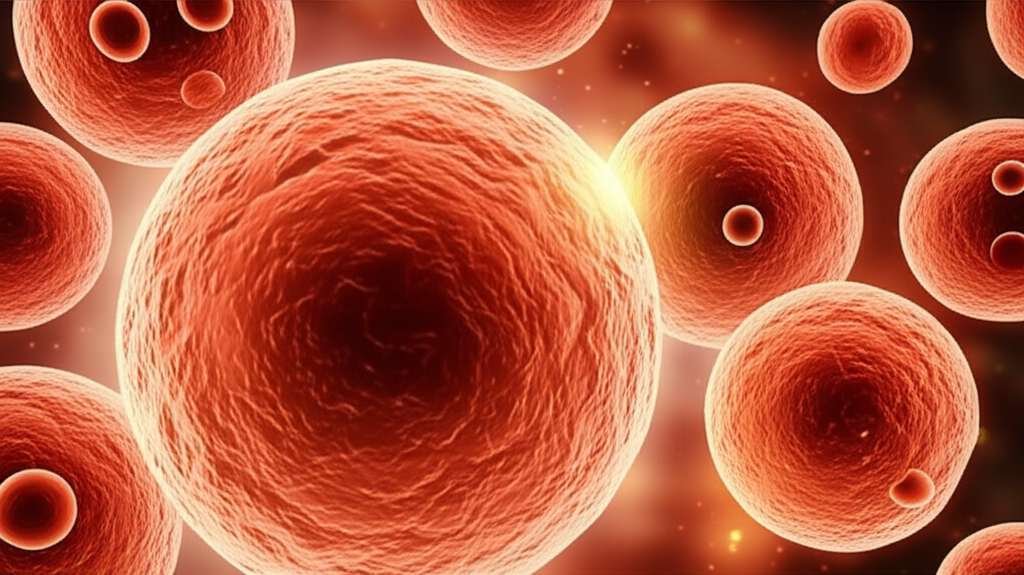
Think of your fat cells like tiny, expandable balloons. Their primary job is to store energy in the form of fat (triglycerides) that your body can use later. When you eat more calories than your body needs, these cells expand to hold the extra energy.
Conversely, when you consume fewer calories than you burn, your body taps into that stored fat for energy. This is the fundamental principle behind weight loss. But what happens to the cells themselves during this process?
Do Fat Cells Die or Disappear? The Shrinking Truth
This is where the “amazing truth” comes in! When you lose weight, your fat cells don’t actually die or disappear. Instead, they shrink. Imagine deflating those balloons; they become smaller but are still there.
The number of fat cells you have is largely determined during childhood and adolescence. While some research suggests that extreme obesity can lead to the creation of new fat cells, for most adults, the number remains relatively stable. This is why maintaining weight loss can be challenging – those shrunken fat cells are always ready to expand again if you overeat.
So, while you can’t eliminate fat cells entirely through diet and exercise alone, you can significantly reduce their size. This reduction is what leads to a leaner physique and improved health markers.
The key takeaway is that successful weight loss is about making those fat cells as small as possible and keeping them that way through consistent healthy habits.
How Your Body Loses Fat: The Energy Balance Equation
Weight loss boils down to a simple concept: energy balance. It’s like managing your bank account – you want to spend more energy than you take in.
Your body needs energy (calories) for everything it does, from breathing and thinking to exercising and digesting food. This energy comes from the food and drinks you consume.
When the calories you eat are more than the calories your body uses, the excess energy is stored as fat. This is how fat cells get bigger and contribute to weight gain. If this happens consistently over time, you gain weight.
On the flip side, when you consistently use more energy than you consume, your body has to find stored energy. It starts by breaking down fat stored in your adipocytes. This process is called lipolysis, and it’s how your fat cells shrink.
To achieve this calorie deficit, you generally need to focus on two main areas: what you eat (nutrition) and how much you move (activity).
The Role of Calorie Deficit in Fat Cell Shrinkage
A calorie deficit means consuming fewer calories than your body burns. This forces your body to tap into its fat reserves for fuel. When fat is used for energy, the fat cells shrink.
For example, if your body needs 2000 calories a day to maintain its current weight, and you consistently consume only 1500 calories, you create a deficit of 500 calories per day. Over a week, this can lead to a significant reduction in stored fat.
It’s important that this deficit is sustainable and healthy. Drastically cutting calories can be counterproductive and harmful. Aiming for a moderate deficit of 300-500 calories per day is usually recommended for gradual, sustainable fat loss.
This gradual approach allows your body to adapt and helps prevent muscle loss, which is crucial for maintaining metabolism and overall health.
Strategies to Shrink Fat Cells: Your Action Plan
Now that you understand how fat cells work and how weight loss happens, let’s talk about actionable steps you can take. Remember, it’s about consistent habits, not quick fixes!
The most effective strategies focus on creating that sustainable calorie deficit through smart nutrition choices and increased physical activity. It’s a two-pronged approach that works best.
Here’s your beginner-friendly action plan to start shrinking those fat cells and achieving your weight loss goals:
1. Smart Nutrition: Fueling Your Body Wisely
What you eat plays a huge role. Focusing on nutrient-dense foods helps you feel full and satisfied, making it easier to manage your calorie intake.
Focus on Whole Foods: These are foods that are minimally processed and closer to their natural state. Think fruits, vegetables, lean proteins, and whole grains.
- Vegetables: Load up on non-starchy vegetables like leafy greens, broccoli, bell peppers, and cucumbers. They are low in calories and packed with fiber, vitamins, and minerals.
- Fruits: Enjoy a variety of fruits like berries, apples, and oranges. They provide natural sweetness, fiber, and antioxidants.
- Lean Proteins: Include sources like chicken breast, turkey, fish, beans, lentils, and tofu. Protein helps you feel full longer and supports muscle maintenance.
- Whole Grains: Opt for brown rice, quinoa, oats, and whole-wheat bread instead of refined grains. They offer more fiber and nutrients.
Limit Processed Foods and Sugary Drinks: These often contain “empty calories” – lots of calories with little nutritional value. They can also trigger cravings.
- Reduce intake of sodas, juices, sugary snacks, fast food, and highly processed convenience meals.
- Reading food labels can help you identify hidden sugars and unhealthy fats.
Hydration is Key: Drinking enough water is crucial for metabolism and can help manage appetite.
- Aim for at least 8 glasses of water a day. Sometimes thirst can be mistaken for hunger.
2. Movement Matters: Boosting Your Calorie Burn
Increasing your physical activity helps you burn more calories, contributing to that all-important calorie deficit. It also has incredible benefits for your overall health and mood.
Cardiovascular Exercise (Cardio): Activities that get your heart rate up are excellent for burning calories.
- Examples: Brisk walking, jogging, cycling, swimming, dancing, or using an elliptical machine.
- Beginner Tip: Start with 30 minutes of moderate-intensity cardio most days of the week. Even short bursts of activity throughout the day add up!
- Learn more about the benefits of aerobic exercise from the American Heart Association.
Strength Training: Building muscle mass is important because muscle burns more calories at rest than fat does. This means a higher metabolism!
- Examples: Lifting weights, using resistance bands, or doing bodyweight exercises like squats, push-ups, and lunges.
- Beginner Tip: Aim for 2-3 strength training sessions per week, targeting different major muscle groups. Start with lighter weights or just your body weight to focus on proper form.
- Resources like the CDC offer great guidance on strength training.
Consistency is More Important Than Intensity (Especially at First): The best exercise plan is one you can stick with. Don’t try to do too much too soon. Gradually increase the duration and intensity as you get fitter.
3. Lifestyle Habits: The Unsung Heroes of Fat Loss
Beyond diet and exercise, other lifestyle factors play a significant role in managing your weight and supporting fat loss.
Prioritize Sleep: Lack of sleep can disrupt hormones that regulate appetite, leading to increased hunger and cravings for unhealthy foods.
- Aim for 7-9 hours of quality sleep per night.
- Establish a regular sleep schedule and create a relaxing bedtime routine.
Manage Stress: Chronic stress can lead to elevated cortisol levels, which can promote fat storage, especially around the abdomen. It can also trigger emotional eating.
- Find healthy ways to cope with stress, such as mindfulness, meditation, deep breathing exercises, yoga, or spending time in nature.
Mindful Eating: Pay attention to your hunger and fullness cues. Eating slowly and savoring your food can help you recognize when you’re satisfied, preventing overeating.
What Happens to Fat Cells During Significant Weight Loss?
When you achieve substantial weight loss, the impact on your fat cells is profound, even though they don’t disappear. Their size reduces dramatically, and their metabolic activity can change.
Imagine your fat cells are like deflated balloons. They are still present, but they occupy much less space and contain significantly less stored fat. This shrinking is the visible manifestation of fat loss.
While the number of cells remains largely the same, their surface area and the amount of fat they hold are drastically reduced. This leads to a slimmer appearance and can improve how your clothes fit.
Furthermore, research suggests that as fat cells shrink, they can become more metabolically active. This means they might be more responsive to hormones that signal fat breakdown. However, the key to keeping them small is ongoing healthy habits.
The Concept of Fat Cell Hypertrophy vs. Hyperplasia
To understand this better, let’s look at two terms: hypertrophy and hyperplasia.
Hypertrophy: This refers to the enlargement of existing cells. In the context of fat, this is what happens when you gain weight. Your fat cells get bigger to store more fat.
- This is the primary mechanism of weight gain for most adults.
Hyperplasia: This refers to an increase in the number of cells. While it’s thought that significant, long-term obesity might trigger the creation of new fat cells (hyperplasia), this is less common in adults who are not severely obese.
- For most people, the number of fat cells is set early in life.
- Therefore, weight loss primarily involves reversing hypertrophy – shrinking the existing cells – rather than reducing their number through cell death.
This distinction is important because it highlights why maintaining weight loss is a continuous effort. Your body still has the same number of “storage containers,” and they can expand again if not managed.
Can Surgical Procedures Remove Fat Cells?
Yes, surgical procedures like liposuction can physically remove fat cells from specific areas of the body. However, this is a cosmetic procedure and not a weight loss solution.
Liposuction removes fat cells from localized areas, such as the abdomen, hips, or thighs. It’s designed to sculpt the body and remove stubborn fat that doesn’t respond well to diet and exercise.
It’s crucial to understand that liposuction does not address the underlying causes of fat gain. If a person doesn’t maintain a healthy lifestyle after liposuction, the remaining fat cells in other areas can enlarge, or new fat can be stored in the treated areas, potentially leading to an uneven appearance.
Pros of Liposuction (for specific goals):
- Can remove fat from specific, localized areas.
- May improve body contour and shape.
Cons of Liposuction:
- It’s an invasive surgical procedure with risks and recovery time.
- It is not a weight loss treatment or a substitute for healthy habits.
- Does not prevent future weight gain or fat cell enlargement in other areas.
- Can be expensive.
For most people, especially beginners, focusing on sustainable lifestyle changes is a much safer, healthier, and more effective long-term strategy for managing body fat and improving health.
The Long-Term Outlook: Maintaining Your Progress
Losing weight and shrinking fat cells is an achievement, but the real victory is maintaining that progress. Since fat cells don’t disappear, they can grow back if you slip into old habits.
This is why a sustainable lifestyle approach is so vital. It’s not about a temporary diet; it’s about creating new, healthy routines that you can follow for years to come.
Think of it as a continuous journey of nourishment and movement. The habits you build today will shape your health and body composition for the future.
Building Sustainable Habits for Lasting Fat Loss
Here are some tips to help you maintain your progress long-term:
- Regularly Reassess: Check in with yourself. How are your energy levels? Are you feeling good? Are your clothes fitting well? Occasional weigh-ins can be helpful, but focus more on how you feel and your overall health.
- Plan for Setbacks: Life happens! You might have a period of stress, a vacation, or a special occasion that throws off your routine. Don’t let a few off-plan days derail you completely. Acknowledge it, enjoy it, and then get back on track with your next meal or workout.
- Find Your “Why”: Remind yourself why you started this journey. Was it for better health, more energy, to keep up with your kids, or to feel more confident? Connecting with your core motivation can help you stay committed.
- Stay Active: Continue to incorporate both cardio and strength training into your routine. Find activities you genuinely enjoy so they don’t feel like a chore.
- Eat Mindfully: Continue to prioritize whole foods and be aware of portion sizes. Enjoy treats in moderation, but make them exceptions rather than the rule.
- Seek Support: Share your journey with friends, family, or a coach. Having a support system can make a big difference.
By focusing on these sustainable habits, you can effectively manage the size of your fat cells and enjoy the benefits of a healthier body for the long haul.
Frequently Asked Questions (FAQ)
Q1: If fat cells don’t disappear, will I always have them?
Yes, you will likely always have fat cells. For most adults, the number of fat cells is established early in life and remains relatively stable. Weight loss involves shrinking these existing cells, not eliminating them. They can, however, shrink to a very small size.
Q2: Can I target fat loss in specific areas?
Unfortunately, you cannot “spot reduce” fat. Your body decides where to store and release fat. While exercise can tone muscles in specific areas, overall fat loss through diet and exercise will reduce fat throughout your body. Genetics and hormones play a big role in where you lose fat first.
Q3: How long does it take for fat cells to shrink?
The rate at which fat cells shrink depends on the size of your calorie deficit and your individual metabolism. Significant shrinking can be noticeable within weeks to months of consistent healthy eating and exercise. It’s a gradual process that requires patience.
Q4: What happens if I gain weight again after losing it?
If you regain weight, your existing fat cells will expand to store the excess energy. In cases of significant weight regain, especially after long periods of obesity, your body might create new fat cells (hyperplasia), but the primary mechanism is usually the enlargement of existing ones.
Q5: Is it possible to have too few fat cells?
Having too few fat cells can be problematic. Fat cells play crucial roles in hormone production and insulation. Extremely low body fat can lead to health issues. The goal is a healthy body fat percentage, not the absence of fat cells.
Q6: Does exercise kill fat cells?
Exercise doesn’t directly kill fat cells. Instead, it helps burn the stored fat within them, causing them to shrink. Regular physical activity also improves your body’s ability to use fat for energy and can help maintain a healthy metabolism.
Conclusion
So, can you lose fat cells? The amazing truth is that while you can’t make them vanish entirely, you absolutely can shrink them significantly through consistent, healthy lifestyle changes. By understanding that weight loss is about creating an energy deficit that forces your body to use stored fat, you gain the power to influence your adipocytes.
Remember, it’s not about drastic measures or quick fixes. It’s about adopting sustainable habits in nutrition and physical activity, prioritizing sleep, and managing stress. These strategies work together to help your fat cells shrink and stay that way, leading to a healthier, happier you.
Focus on the journey, celebrate your progress, and be patient with yourself. You’ve got this! Keep making smart choices, and you’ll see the results you’re working towards.
As an Amazon Associate, We earn from qualifying purchases. When you purchase a product through Amazon links on pulsefitguide.com, we may earn a small commission at no extra cost to you. This helps support the site and keep our content free.
