

Absolutely! Following a well-structured weekly meal plan can help you shed belly fat, but it’s not the only factor. Combining healthy eating with regular exercise and lifestyle changes creates the best results. Consistency and choosing nutritious foods are key to targeting stubborn belly fat effectively.
In short, yes, a carefully planned weekly meal can support belly fat loss, but it works best when paired with other healthful habits. Focus on balanced meals, portion control, and reducing processed foods to see steady progress over time.
Losing belly fat can seem challenging, but with the right approach, it’s definitely achievable. Creating a weekly meal plan tailored to your nutritional needs can simplify your journey, making it easier to stick with healthy choices. This plan helps you avoid impulsive eating, ensures you get the right nutrients, and keeps you on track toward your fitness goals. Remember, the secret isn’t just in what you eat but also in maintaining consistency, staying active, and adopting a sustainable lifestyle change. Whether you’re just starting or looking to refine your habits, a strategic weekly meal plan can be a powerful tool in your weight loss arsenal.

Can you lose belly fat with a weekly meal plan?
Understanding Belly Fat and Its Impact
Belly fat, often called visceral fat, surrounds organs deep inside the abdomen. Excess belly fat is linked to health problems like heart disease, diabetes, and high blood pressure. Knowing how to target this fat can help improve overall well-being and confidence.
Is a Weekly Meal Plan Effective for Losing Belly Fat?
A well-structured weekly meal plan can be a powerful tool in reducing belly fat. It helps you control portion sizes, choose healthier foods, and avoid impulsive snacking. Consistency and mindful eating are key to making these plans work over time.
Core Principles of a Belly Fat Reduction Meal Plan
A successful meal plan focuses on a few essential principles. These include balanced macronutrients, nutrient-rich food choices, and a calorie deficit to promote fat loss. Incorporating these principles ensures you’re fueling your body properly while shedding excess fat.
Balanced Macronutrients
Your meal plan should balance proteins, carbohydrates, and healthy fats. Proteins help build muscle and keep you full longer. Healthy fats, like avocados and nuts, support hormone health, aiding fat loss. Carbohydrates should come from whole grains and vegetables for sustained energy.
Prioritize Nutrient-Dense Foods
Choose foods high in vitamins, minerals, and fiber. Fruits, vegetables, lean proteins, and whole grains pack nutrients without extra calories. These help reduce cravings and keep your metabolism active.
Specific Foods to Include and Avoid
Knowing what foods support belly fat loss can guide meal planning. Including foods that boost metabolism and suppress appetite can accelerate progress.
Foods to Include
- Lean Proteins: Chicken breast, turkey, fish, eggs, and plant-based proteins
- High-Fiber Produce: Broccoli, spinach, berries, apples, and carrots
- Healthy Fats: Avocados, nuts, seeds, and olive oil
- Whole Grains: Quinoa, oats, brown rice, and barley
Foods to Limit or Avoid
- Sugar-Sweetened Beverages: Soda, energy drinks, and sweetened coffee
- Refined Carbohydrates: White bread, pastries, and white rice
- Processed Snacks: Chips, candy, and fast food
- Alcohol: Excessive alcohol can increase belly fat accumulation
Meal Timing and Snacking Strategies
Timing your meals can influence hunger levels and fat loss. Small, frequent meals help prevent overeating and maintain energy throughout the day.
Benefits of Regular Meal Timing
Eating at consistent times helps regulate blood sugar and insulin levels. This minimizes fat storage and promotes fat burning. It also reduces the tendency to binge or snack excessively.
Smart Snacking Options
Choose healthy snacks like nuts, Greek yogurt, or fresh fruit. These options provide nutrients and satiety without unhealthy calories. Avoid high-sugar or processed snacks that can spike insulin.
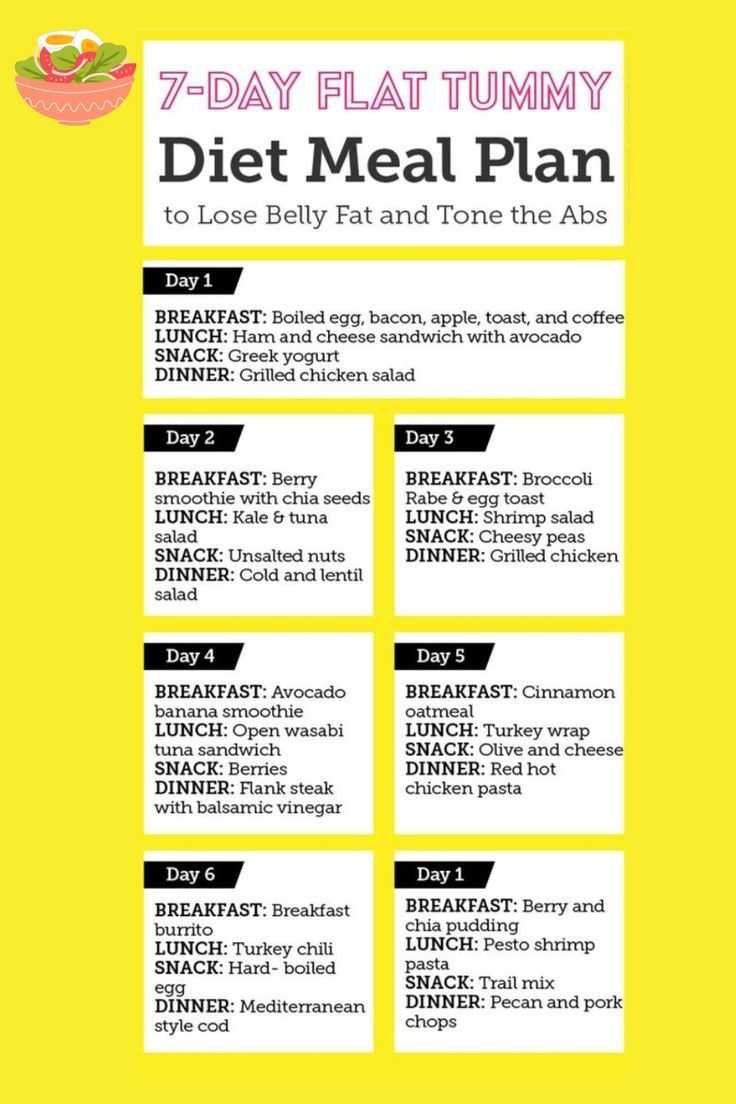
Sample Weekly Meal Plan for Belly Fat Loss
Creating a sample plan helps visualize how to balance meals throughout the week. Here is a simplified example to guide your choices.
Monday
- Breakfast: Oatmeal topped with berries and almonds
- Lunch: Grilled chicken salad with mixed greens and olive oil
- Dinner: Baked salmon with roasted vegetables and quinoa
- Snacks: Carrot sticks with hummus, a handful of walnuts
Tuesday
- Breakfast: Greek yogurt with honey and chia seeds
- Lunch: Turkey wrap with whole grain tortilla and fresh veggies
- Dinner: Stir-fried tofu with broccoli and brown rice
- Snacks: Apple slices with almond butter, boiled eggs
Incorporating Exercise into Your Routine
While a meal plan is crucial, combining it with physical activity boosts belly fat loss. Cardio exercises like walking, cycling, or swimming elevate calorie burn. Strength training helps build muscle, increasing your resting metabolic rate.
Why Exercise Matters
Physical activity helps create a calorie deficit, essential for fat loss. It also tones abdominal muscles, making your stomach appear flatter. Regular movement supports overall health and accelerates results.
Suggested Exercise Tips
Aim for at least 150 minutes of moderate aerobic activity per week. Include two strength training sessions focused on the core muscles. Consistency and variety keep workouts engaging and effective.
Monitoring Progress and Adjusting Your Meal Plan
Tracking your food intake and physical activity reveals what works best. Use apps or journals to stay accountable and identify areas for adjustment.
Signs to Adjust Your Meal Plan
If weight loss plateaus after a few weeks, consider reducing portion sizes or increasing physical activity. Remember, slow and steady progress is healthier and more sustainable.
Additional Tips for Success
Stay hydrated by drinking enough water daily. Limit nighttime eating, and aim for quality sleep to support metabolic health. Patience is key, and small changes add up over time.
Related Topics
How Sleep Affects Belly Fat
Adequate sleep helps regulate hunger hormones, reducing cravings and overeating. Aim for 7 to 8 hours of quality rest each night for optimal results.
Understanding Stress and Belly Fat
Stress increases cortisol levels, which may promote fat storage in the belly. Incorporate stress-reducing activities like meditation, yoga, or deep breathing exercises into your routine.
Hydration and Its Role in Fat Loss
Drinking enough water aids digestion, reduces appetite, and boosts metabolism. Aim for at least 8 glasses daily, adjusting based on activity level.
Creating a weekly meal plan centered on healthy, nutrient-dense foods can help you shed belly fat efficiently. Consistency, combined with physical activity and lifestyle adjustments, makes your efforts more successful. Remember, patience and persistence are essential for lasting results.
How To Eat To Lose Belly Fat (3 STAGES!)
Frequently Asked Questions
How does a weekly meal plan support targeted fat loss in the abdominal area?
A weekly meal plan helps you control your calorie intake, choose nutrient-dense foods, and avoid excessive sugar and processed items. By consistently eating balanced meals, you create a calorie deficit that encourages your body to use stored fat for energy, including fat around your belly. Combining this with portion control and mindful eating enhances your ability to reduce belly fat over time.
What dietary habits should I incorporate into my weekly plan to reduce belly fat?
Focus on consuming lean proteins, whole grains, healthy fats, and plenty of vegetables. Limit intake of refined carbs and sugary drinks, which can contribute to abdominal fat. Incorporating fiber-rich foods supports digestion and satiety, while reducing overall calorie consumption. Stay hydrated and avoid late-night snacking to better manage your belly fat reduction efforts.
Can consistency with a meal plan lead to visible changes in belly fat within a few weeks?
Yes, maintaining consistent healthy eating habits through your weekly meal plan can lead to noticeable improvements in belly fat within a few weeks. Regularly following a balanced diet combined with physical activity helps create a steady calorie deficit, resulting in gradual and sustainable fat loss around your midsection.
Should I adjust my weekly meal plan based on my progress in reducing belly fat?
Absolutely. Monitoring your progress allows you to make necessary adjustments, such as reducing portion sizes or modifying food choices to continue progressing. As your body responds to your plan, tweaking your intake helps prevent plateaus and keeps you on track toward your fat loss goals.
How important is meal timing in a weekly plan for losing belly fat?
Meal timing plays a role in managing hunger and maintaining energy levels throughout the day. Eating at regular intervals, especially including a balanced breakfast, can prevent overeating later. Avoiding late-night snacking reduces the likelihood of excess calories that contribute to belly fat, supporting your overall weight management efforts.
Final Thoughts
A weekly meal plan can aid in reducing belly fat by promoting healthier eating habits and portion control. Consistency and balanced nutrition are key to seeing results over time.
While a meal plan alone may not target belly fat exclusively, it supports weight loss overall, which includes the abdominal area.
Can you lose belly fat with a weekly meal plan? Yes, if combined with regular exercise and lifestyle changes. Staying committed helps achieve long-term success.
As an Amazon Associate, We earn from qualifying purchases. When you purchase a product through Amazon links on pulsefitguide.com, we may earn a small commission at no extra cost to you. This helps support the site and keep our content free.