

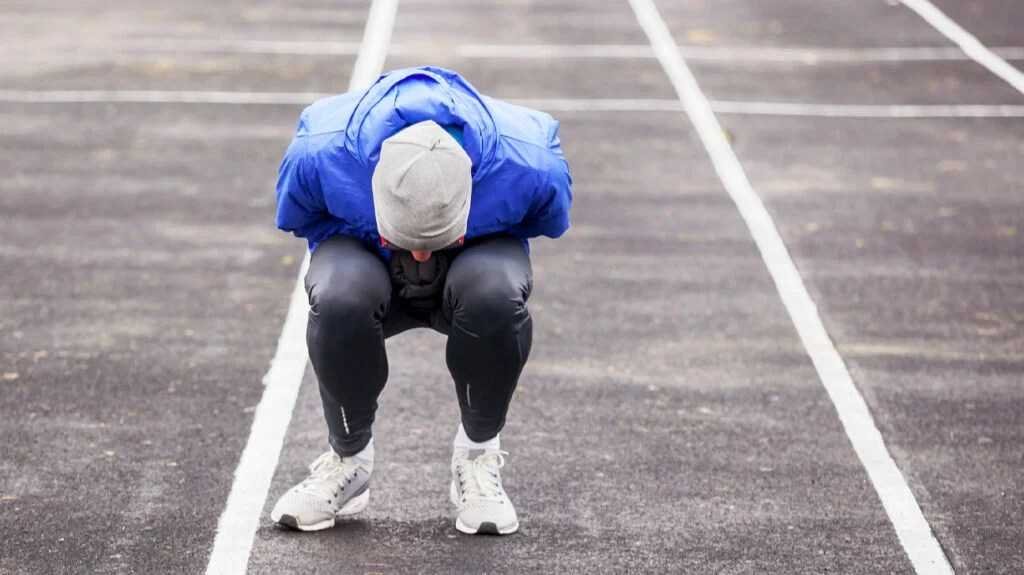
Yes, working out immediately after eating can cause nausea. If you exercise too soon after a meal, your stomach may struggle to process the food, leading to discomfort and nausea. To avoid this, waiting a bit after eating before hitting the gym is recommended, especially if you’ve had a large or heavy meal.
If you work out right after eating, there’s a good chance you’ll feel nauseous because your body is trying to digest food while your muscles are demanding blood flow for exercise. This can lead to stomach upset, cramps, or vomiting. The best approach is to give your body some time—about 30 minutes to an hour—for digestion to take place before engaging in vigorous physical activity. Understanding how your body responds and choosing the right timing can help make workouts more comfortable and effective.

Can Working Out After Eating Cause Nausea? A Deep Dive
Understanding the Link Between Exercise and Nausea
Many people wonder if working out right after eating can make them feel sick. The answer depends on various factors like meal size, type of exercise, and individual digestion. Generally, exercising too soon after eating can increase the risk of nausea.
Immediately after a big meal, your body focuses on digesting food. Engaging in physical activity can divert blood flow away from your stomach, slowing digestion. This interruption often leads to feelings of discomfort or nausea.
Why Does Exercising After Eating Sometimes Cause Nausea?
When you eat, your stomach starts breaking down food, sending signals to your brain that digestion is in progress. Moving around or exercising during this time can interfere with this process.
The main reasons for nausea include:
- Overeating: Consuming large meals causes more digestion work, making nausea more likely during exercise.
- Type of Food: Fatty or spicy foods take longer to digest, increasing discomfort when exercising afterward.
- Timing: Exercising immediately after eating leaves insufficient time for digestion, leading to nausea.
How Long Should You Wait Before Exercising?
Waiting period varies based on meal size and activity intensity. For a small snack, about 30 minutes is usually enough. For larger meals, waiting 1 to 2 hours allows digestion to progress smoothly.
Here is a simple table to guide timing:
| Meal Type | Recommended Wait Time Before Exercise |
|---|---|
| Small snack (fruit, yogurt) | 30 minutes |
| Light meal (salad, sandwich) | 1 hour |
| Large meal (pasta, steak) | 2 hours or more |
Types of Exercises and Their Impact on Post-Meal Nausea
Not all exercises affect digestion equally. Low-intensity activities tend to be easier on your stomach after eating.
Low-Impact Exercises
Activities such as walking, gentle yoga, or stretching are less likely to cause nausea if done within a reasonable timeframe after eating. These exercises promote digestion and improve circulation without putting too much strain on your stomach.
High-Impact Exercises
Running, high-intensity interval training (HIIT), or heavy weightlifting can jostle your stomach and disrupt digestion. Exercising vigorously too soon after a meal increases the chances of nausea, cramping, or reflux.
Signs That You Should Not Exercise Immediately After Eating
Some warning signs indicate it might be best to wait before working out.
- Feeling bloated or full
- Nausea or queasiness
- Heartburn or acid reflux
- Stomach cramps or discomfort
Listening to your body helps prevent nausea and ensures a safer workout session.
Tips to Prevent Nausea When Exercising After Eating
Prevention is key to avoiding discomfort during exercise.
- Eat smaller, more frequent meals rather than large ones
- Choose easily digestible foods like bananas, toast, or yogurt
- Allow ample time for digestion based on meal size
- Stay hydrated but avoid drinking excessive fluids immediately before exercising
- Start with gentle warm-up exercises to ease into your workout
What to Do if You Feel Nauseous During Exercise
If nausea hits during your workout, stop immediately. Find a place to sit or lie down, and take deep breaths.
Hydrate with small sips of water and consider light stretching to ease discomfort. If nausea persists, it’s best to rest and wait until your stomach feels better before resuming activity.
Other Factors That Can Influence Feeling Nauseous After Working Out
Aside from eating habits, other factors can contribute to nausea.
Hydration
Dehydration can cause dizziness and nausea, so drink enough water before and after exercise.
Sleep and Stress
Poor sleep or high stress levels can affect digestion and recovery, making nausea more likely.
Medical Conditions
Digestive issues like acid reflux, gastritis, or food allergies can increase nausea during or after exercise.
Additional Tips for Comfortable Post-Meal Workouts
Create a routine that minimizes discomfort and maximizes benefits.
- Plan workouts during times when digestion is underway but not complete
- Opt for moderate exercises rather than intense sessions after eating
- Eat balanced meals with a mix of carbs, protein, and healthy fats
- Allow for at least 30 minutes after a snack and longer after larger meals
Summary: Exercising Safely After Eating
Exercising too soon after a meal can cause nausea, especially with large or fatty foods. Listening to your body’s signals and timing your workouts appropriately can prevent discomfort. Incorporate gentle activities and stay mindful of meal sizes and timing for a safer, more comfortable exercise experience.
By understanding these factors, you can enjoy your workouts without the unpleasant side effect of nausea. Being patient and prepared makes exercise more effective and enjoyable, whether you’re a beginner or a seasoned athlete.
Is what you’re eating #bloating you? 🤔 #shorts #fitness #nutrition #health #fitgirl #blogilates
Frequently Asked Questions
What are the common reasons why I might feel nauseous after exercising post-meal?
Nausea after exercising following a meal can result from eating too much or consuming heavy, greasy foods. Additionally, engaging in intense physical activity too soon after eating can cause gastrointestinal discomfort. Factors like dehydration, improper digestion, or underlying health conditions may also contribute to feelings of nausea during workouts after eating.
How long should I wait after eating before starting a workout to prevent nausea?
It is generally recommended to wait at least 30 minutes to an hour after a small snack and 2 to 3 hours after a large meal before beginning exercise. This allows your body enough time to digest the food properly, reducing the likelihood of nausea or stomach upset during your workout.
Are there specific types of foods that are better to eat before exercising to avoid feeling nauseous?
Opt for easily digestible, low-fat, and moderate carbohydrate foods such as bananas, yogurt, or a small piece of toast. These foods provide energy without overwhelming your digestive system. Avoid high-fat or spicy foods before exercising, as they can increase stomach discomfort and lead to nausea.
Can dehydration during or after eating affect the likelihood of feeling nauseous while working out?
Yes, dehydration can significantly increase the risk of nausea during exercise, especially if you consume water or sports drinks improperly around mealtime. Make sure to hydrate adequately throughout the day and avoid drinking large quantities of fluids immediately before or during workouts, as this can cause stomach upset or discomfort.
What precautions can I take to minimize the chances of experiencing nausea when working out after eating?
To prevent nausea, wait sufficient time after meals before exercising, choose light and easily digestible foods, stay hydrated, and avoid intense workouts immediately after eating. Listen to your body’s signals and adjust your workout intensity and timing accordingly to ensure a comfortable exercise experience.
Final Thoughts
Working out after eating can cause nausea if you exercise too soon or eat too much. Your stomach needs time to digest, and jumping into intense activity disrupts this process.
To avoid discomfort, wait at least 30 minutes after a light snack or a couple of hours after a large meal before exercising.
In summary, can working out after eating cause nausea? Yes, it can, especially if you skip these timing tips. Listening to your body helps prevent unpleasant feelings and supports your fitness goals.
As an Amazon Associate, We earn from qualifying purchases. When you purchase a product through Amazon links on pulsefitguide.com, we may earn a small commission at no extra cost to you. This helps support the site and keep our content free.