

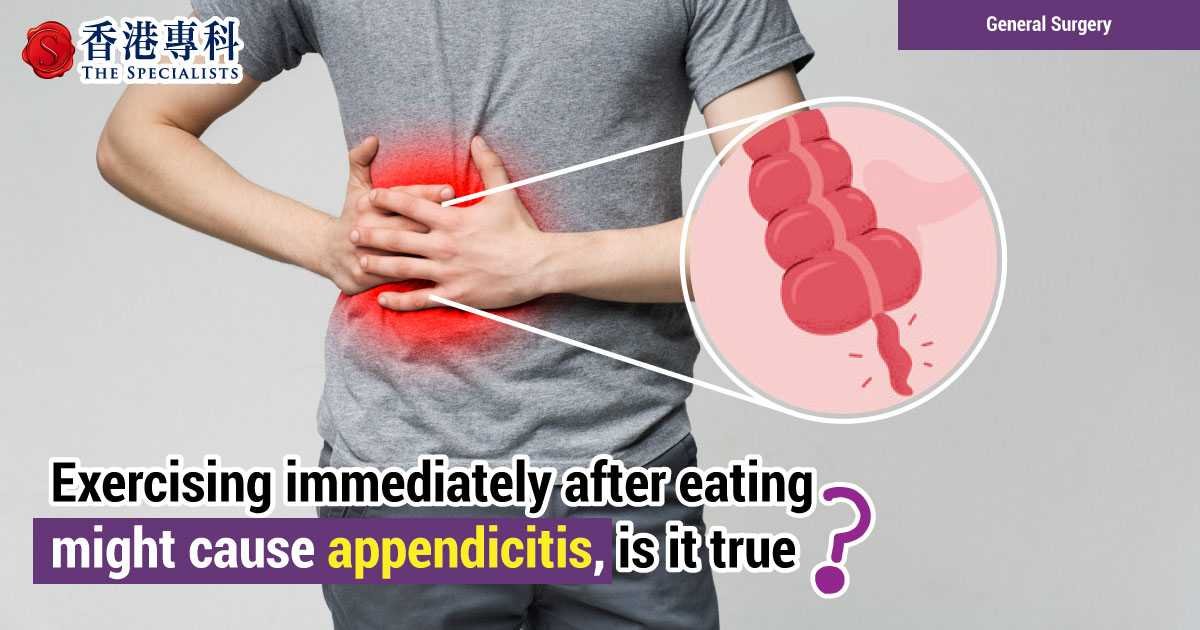
Exercising right after a meal might seem harmless, but could it have serious health repercussions like appendicitis? The quick answer is: no, working out after eating doesn’t directly cause appendicitis. However, engaging in vigorous activity immediately after a large meal can lead to discomfort, indigestion, or gastrointestinal issues, but not necessarily inflammation of the appendix.
Many people wonder if there’s a link between working out after eating and developing appendicitis, which is an inflammation of the appendix often caused by blockage or infection. While improper timing of exercise can cause stomach pain or cramping, it typically isn’t linked to appendicitis itself. Understanding how exercise and digestion interact can help you make smarter choices about when to work out and avoid unnecessary discomfort or health risks. Ultimately, listening to your body and giving yourself time to digest before hitting the gym is a wise approach to stay healthy and comfortable.

Can Working Out After Eating Cause Appendicitis?
Understanding the Connection Between Exercise and Digestive Health
Many people wonder if physical activity right after a meal can lead to health issues like appendicitis. While exercise is generally good for overall health, some believe that working out immediately after eating may cause stomach problems. It is important to understand how exercise and digestion interact before drawing any conclusions.
The process of digestion begins once you start eating, and your body directs blood flow to your stomach and intestines. Exercising quickly afterward can potentially interfere with digestion by redirecting blood flow to your muscles. This might cause discomfort or other digestive issues, but does it cause appendicitis? That is what we will explore here.
What Is Appendicitis?
Appendicitis is an inflammation of the appendix, a small sack attached to the large intestine. It usually causes pain in the lower right side of the abdomen. The exact cause of appendicitis is not always clear, but it often begins when the appendix becomes blocked by stool, foreign bodies, or infection.
The blockage leading to appendicitis causes bacteria to multiply inside the appendix, leading to swelling, infection, and sometimes rupture. It is a medical emergency that requires prompt treatment to prevent complications.
Can Physical Activity After Eating Lead to Appendicitis?
There is no scientific evidence to suggest that working out immediately after eating directly causes appendicitis. The development of appendicitis is linked more to blockages and infections rather than exercise habits.
However, strenuous activity right after a meal can lead to other digestive discomforts such as cramping, nausea, or indigestion. These symptoms are often mistaken for appendicitis but are usually harmless and temporary. It is important not to confuse these with the symptoms of appendicitis, which tend to be more severe and persistent.
Factors That Contribute to Appendicitis
Understanding what causes appendicitis helps clarify that exercise is rarely a factor. Key contributors include:
- Fecal blockage: Hard stools can block the appendix opening.
- Infection: Viral or bacterial infections can trigger inflammation.
- Lymphoid hyperplasia: Swelling of lymph tissue inside the appendix, often due to infections.
Other factors like diet, age, and genetic predisposition also play roles, but physical activity timing is not a direct cause.
Different Types of Exercise and Their Effects on Digestion
Not all exercises affect digestion equally. Below are some common types with their potential impacts:
Light Activities
Activities like walking or gentle stretching can aid digestion and are generally safe after eating. These do not interfere with the digestive process and may help prevent discomfort.
Moderate to Intense Workouts
Running, weightlifting, or high-impact sports may cause stomach discomfort if performed immediately after a large meal. These activities can sometimes cause cramping or nausea but are unlikely to lead to appendicitis.
Recommendations for Exercising After Eating
Most health experts suggest waiting at least 30 minutes to an hour after eating before engaging in vigorous exercise. For larger meals, waiting up to two hours can help reduce discomfort.
Key tips include:
- Start with light activity if you are hungry after a meal.
- Avoid strenuous exercises immediately following a large meal.
- Listen to your body — stop if you feel pain or discomfort.
Signs of Digestive Problems Versus Symptoms of Appendicitis
Distinguishing between typical post-meal discomfort and appendicitis symptoms is crucial. While minor stomach cramps are common after eating and exercising, appendicitis symptoms are more serious:
- Post-meal discomfort: Bloating, slight cramping, indigestion, or nausea.
- Appendicitis symptoms: Sharp pain in the lower right abdomen, loss of appetite, nausea, vomiting, fever, and abdominal swelling.
If you experience persistent or severe pain, especially if it worsens over time, seek medical attention immediately.
Myth Busting: Does Exercise Cause Appendicitis?
Many believe that exercise can cause appendicitis, but research does not support this claim. The inflammation of the appendix is mostly caused by blockages or infections, not physical activity.
While intense exercise may sometimes trigger discomfort or exacerbate existing symptoms, it is not a direct cause of appendicitis. Regular moderate exercise is safe and beneficial for maintaining overall digestive health.
Precautions to Take When Exercising After Eating
To avoid digestive trouble and promote good health, consider these precautions:
- Eat smaller, more frequent meals instead of large ones before working out.
- Allow enough time between eating and exercising based on the meal size.
- Stay hydrated and wear comfortable clothing that does not put pressure on your abdomen.
- Avoid high-impact activities if you notice discomfort after eating.
Listening to your body’s signals can prevent unnecessary pain and avoid confusion with more serious conditions like appendicitis.
Summary: What You Should Know About Exercise and Appendicitis
While exercising after eating can cause temporary digestive issues, it does not cause appendicitis. The disease is linked more to infections and blockages than physical activity.
Practicing moderation and timing your workouts appropriately can help avoid discomfort and promote digestive health. Always pay attention to your body and seek medical help if severe symptoms develop.
Related Topics to Explore
- Healthy eating habits for better digestion
- Best exercises for digestive health
- Signs and symptoms of appendicitis
- When to see a doctor for abdominal pain
Keeping these points in mind can help you enjoy exercise without fear of causing serious health issues like appendicitis. It is always wise to consult your doctor if you have concerns about your digestive health or exercise routines.
How Do You Know When Abdominal Pain Is Appendicitis?
Frequently Asked Questions
Can intense physical activity after eating lead to digestive discomfort?
Engaging in vigorous exercise immediately after a meal can cause gastrointestinal discomfort such as nausea, cramping, or indigestion. While it may not directly cause appendicitis, it can increase discomfort and stress on your digestive system, making digestion more difficult and potentially leading to other complications.
Does working out right after eating increase the risk of inflammation in the appendix?
There is no direct evidence that exercising after eating causes inflammation of the appendix. Appendicitis typically results from a blockage or infection rather than physical activity. However, strenuous movement on a full stomach may exacerbate existing discomfort or symptoms unrelated to appendicitis.
Can physical exertion after a large meal trigger symptoms similar to appendicitis?
While exercise after a big meal can cause abdominal pain that mimics appendicitis, it doesn’t actually trigger the condition. These symptoms usually resolve once digestion continues or concludes. Persistent pain should still prompt medical evaluation to rule out appendicitis or other issues.
Why do some people experience abdominal pain when working out shortly after eating?
Abdominal pain during or after exercise post-meal often results from increased activity stimulating the gastrointestinal tract while it’s still digesting food. This can lead to cramping or discomfort, but it’s not necessarily related to appendicitis. Allowing some time between eating and exercising may help reduce these symptoms.
Is there an optimal time to wait after eating before exercising to avoid any health risks?
Most experts recommend waiting about 30 minutes to two hours after a meal before engaging in moderate to intense exercise. This window helps ensure that your stomach has partially emptied, reducing the likelihood of discomfort and allowing your digestion to proceed smoothly. However, individual tolerance varies, so listening to your body remains important.
Final Thoughts
Working out after eating may cause discomfort, but there is no direct link to appendicitis.
Appendicitis typically results from infection or blockage, not physical activity right after meals.
Engaging in moderate exercise after eating generally does not increase the risk of developing appendicitis.
In conclusion, can working out after eating cause appendicitis? The answer is no, as exercise does not cause this condition.
As an Amazon Associate, We earn from qualifying purchases. When you purchase a product through Amazon links on pulsefitguide.com, we may earn a small commission at no extra cost to you. This helps support the site and keep our content free.