


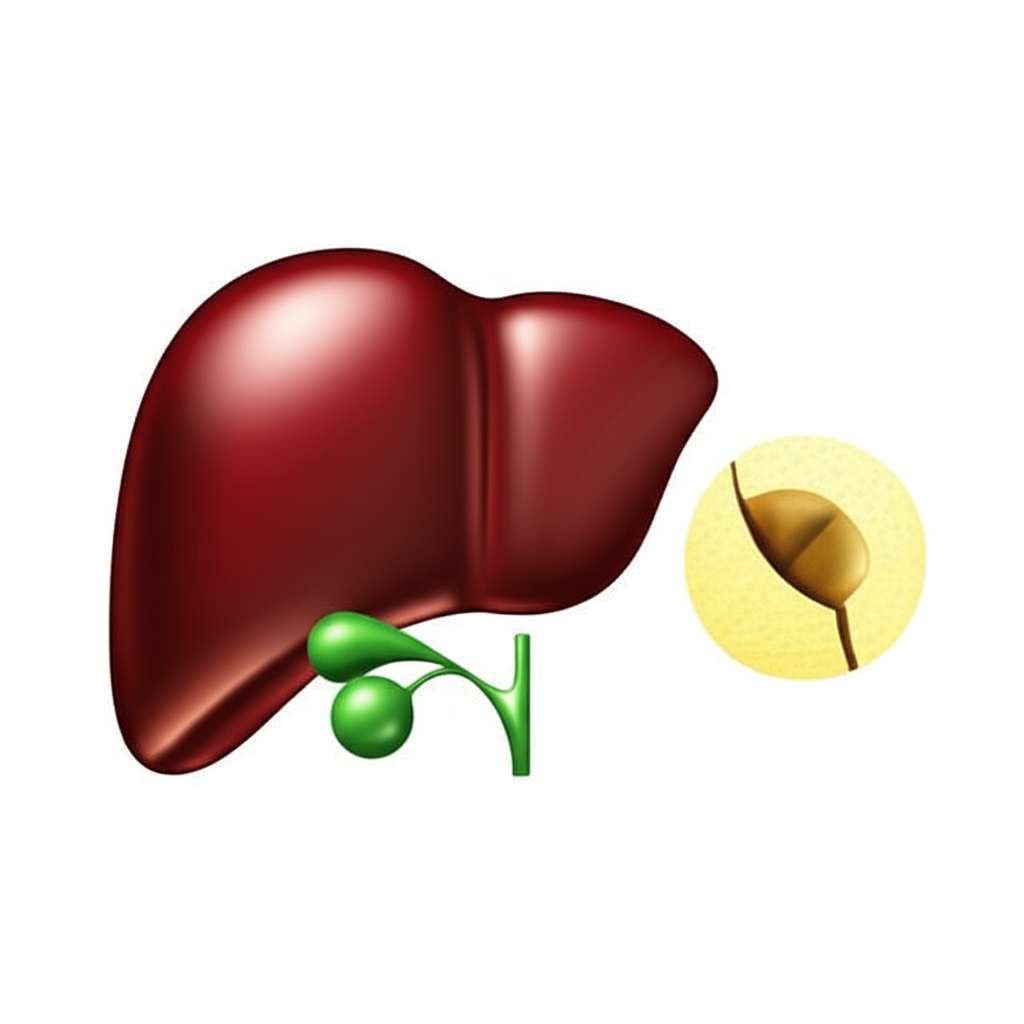
Yes! Intermittent fasting can be a super helpful tool for your liver health. By giving your body breaks from eating, you can encourage fat loss and improve liver function. Let’s explore how this simple change can lead to amazing results for your liver!
Hey everyone, Jordan here from PulseFitGuide! Ever feel a little sluggish, or maybe just not your best? Sometimes, our bodies need a little reset. Our liver works hard for us, filtering out toxins and helping us digest food. But when too much fat builds up in the liver, it can cause problems. It’s called fatty liver, and it’s more common than you might think. You might feel tired, or maybe your doctor mentioned it. The good news? You can do something about it!
You don’t need complicated diets or crazy workouts to start feeling better. We’re going to talk about something called intermittent fasting. It sounds fancy, but it’s really just about timing your meals. It’s a simple way to help your body burn fat and give your liver a break. Ready to feel more energized and give your liver some love? Let’s dive in and discover how intermittent fasting can make a real difference for you!
What’s the Big Deal with Fatty Liver?
So, what exactly is fatty liver? It’s when fat starts to build up in your liver cells. Think of your liver as a super busy factory. It does tons of jobs to keep you healthy. When too much fat gets in the way, the factory can’t run as smoothly. This can make you feel tired and generally unwell. It’s like having too many boxes piled up in the factory, slowing down production.

Intermittent Fasting: Your Liver’s New Best Friend
Now, let’s talk about intermittent fasting, or IF. This isn’t about what you eat, but when you eat. You create periods where you don’t eat anything. This gives your body a break from constantly digesting food. It’s like giving your busy liver factory a scheduled downtime to clean up and get organized. During these fasting periods, your body can switch to burning stored fat for energy. This can help reduce the fat buildup in your liver. Pretty cool, right?
How IF Helps Your Fatty Liver: The Simple Breakdown
So, how does this timing trick actually help your liver? It’s all about giving your body a chance to reset and repair. When you eat, your body uses that food for energy. If you’re eating all the time, your body doesn’t get much chance to tap into its fat stores. With IF, you create windows where your body has to use that stored fat. This can lead to less fat in your liver. It also helps improve something called insulin sensitivity, which is super important for liver health.
Here’s a quick look at the awesome benefits:
Fat Burning Boost: Your body starts burning stored fat for fuel. This can help melt away fat, including the fat in your liver.
Insulin Sensitivity: IF can make your body better at using insulin. This helps regulate blood sugar and reduces the risk of fat buildup.
Cellular Repair: During fasting, your body can focus on repairing cells. This is great for overall health, including your liver!
Reduced Inflammation: IF can help calm down inflammation in your body, which is often linked to fatty liver.

Getting Started with Intermittent Fasting: Your Easy Guide
Ready to give IF a try? It’s simpler than you think! The most popular way for beginners is the 16/8 method. This means you fast for 16 hours and have an 8-hour eating window each day. For example, you might stop eating at 8 PM and then start eating again at noon the next day. That’s a 16-hour fast!
Here’s how to ease into it:
1. Pick Your Window: Decide when your 8-hour eating window will be. Many people find it easiest to skip breakfast and eat between noon and 8 PM.
2. Start Small: If 16 hours feels like a lot, start with 12 hours of fasting. Then, slowly increase it as you get comfortable.
3. Hydrate, Hydrate, Hydrate: Drink plenty of water, black coffee, or plain tea during your fasting window. This helps you feel full and keeps you hydrated.
4. Listen to Your Body: This is key! If you feel unwell or too hungry, adjust your fasting window. IF should feel manageable, not miserable.
5. Focus on Nutritious Foods: When you are eating, fill your plate with healthy foods. Think lean proteins, lots of veggies, fruits, and healthy fats. This is crucial for liver health.
Popular IF Methods for Beginners
Let’s look at some ways you can try IF. Remember, the goal is to find what works best for you.
The 16/8 Method: This is our go-to for beginners. You fast for 16 hours and eat within an 8-hour window.
Example: Eat from 12 PM to 8 PM, fast from 8 PM to 12 PM the next day.
The 14/10 Method: A slightly gentler start. Fast for 14 hours and eat within a 10-hour window.
Example: Eat from 10 AM to 8 PM, fast from 8 PM to 10 AM the next day.
The 12/12 Method: A very easy entry point. Fast for 12 hours and eat within a 12-hour window.
Example: Eat from 8 AM to 8 PM, fast from 8 PM to 8 AM the next day.
This table shows a simple comparison:
| Fasting Method | Fasting Hours | Eating Window Hours | Best For |
|---|---|---|---|
| 16/8 | 16 | 8 | Beginners looking for significant benefits. |
| 14/10 | 14 | 10 | Those easing into fasting or finding 16/8 too challenging initially. |
| 12/12 | 12 | 12 | Absolute beginners or those who prefer a more flexible schedule. |
Fueling Your Body Right: What to Eat During Your Eating Window
When you’re not fasting, what you eat is super important, especially for your liver. Focus on foods that support liver health and overall well-being. Think of your eating window as a chance to nourish your body with goodness!
Here are some top food choices:
Leafy Greens: Spinach, kale, and other greens are packed with vitamins and antioxidants.
Healthy Fats: Avocados, nuts, seeds, and olive oil are great for your body.
Lean Proteins: Chicken, fish, beans, and tofu help build and repair tissues.
Whole Grains: Oats, quinoa, and brown rice provide sustained energy.
Berries: Blueberries, strawberries, and raspberries are full of antioxidants.
Cruciferous Vegetables: Broccoli, cauliflower, and Brussels sprouts are liver-friendly powerhouses.
Try to limit processed foods, sugary drinks, and excessive saturated fats. These can put extra strain on your liver.
Movement is Medicine: Exercise and IF for Fatty Liver
Combining intermittent fasting with exercise is a winning combo for fatty liver! Exercise helps burn calories, build muscle, and improve your body’s ability to use insulin. It’s like giving your liver a one-two punch of goodness.
Here are some exercise ideas that pair well with IF:
Walking: A simple, effective way to get moving. Aim for at least 30 minutes most days.
Light Cardio: Cycling, swimming, or jogging can boost your heart health and burn fat.
Strength Training: Lifting weights or doing bodyweight exercises builds muscle, which helps your metabolism.
HIIT (High-Intensity Interval Training): Short bursts of intense exercise followed by brief rest periods. This is a fantastic fat-burner!
This table shows how different exercises can help:
| Workout Type | Benefits for Fatty Liver | Example Activities | Frequency Recommendation |
|---|---|---|---|
| Cardio | Burns calories, improves heart health, helps reduce overall body fat. | Brisk walking, jogging, cycling, swimming. | 3-5 days per week. |
| Strength Training | Builds muscle mass, which boosts metabolism and improves insulin sensitivity. | Weightlifting, bodyweight exercises (squats, push-ups), resistance bands. | 2-3 days per week, with rest days in between. |
| HIIT | Highly effective for fat burning and improving insulin sensitivity in short periods. | Sprints, burpees, jump squats, mountain climbers (done in intervals). | 1-2 days per week, allowing for recovery. |
Remember to hydrate well before and after your workouts, especially during your fasting window.
Common Mistakes to Avoid on Your IF Journey
It’s easy to get started, but sometimes we stumble. Here are a few common pitfalls to watch out for:
Overeating During Your Window: Just because you fasted doesn’t mean you can eat junk food nonstop! Focus on quality nutrition.
Not Drinking Enough Water: Staying hydrated is crucial, especially when fasting.
Fasting Too Long Too Soon: Don’t push yourself too hard. Start slow and build up.
Ignoring Your Body’s Signals: If you feel really unwell, it’s okay to adjust your plan.
* Skipping Exercise: Movement is a vital part of supporting your liver.
Your Simple IF Success Plan
Here’s a step-by-step plan to help you succeed:
1. Consult Your Doctor: It’s always a good idea to chat with your doctor before starting any new diet or fasting plan, especially if you have any health conditions.
2. Choose Your Method: Start with the 16/8 or 14/10 method.
3. Plan Your Eating Window: Decide on your times and stick to them.
4. Prepare Healthy Meals: Plan what you’ll eat during your eating window to ensure you get good nutrition.
5. Stay Hydrated: Keep water, plain tea, or black coffee handy.
6. Incorporate Movement: Add at least 30 minutes of brisk walking daily.
7. Track Your Progress: Notice how you feel. Are you more energetic? Is your digestion better?
FAQs: Your Top IF Questions Answered!
How long does it take to burn fat with IF?
Everyone is different! You might start noticing changes in how you feel within a week or two. Consistent effort over several weeks and months will show the most significant fat loss.
What’s the best time to work out with IF?
Many people find exercising during their eating window works well. Some prefer exercising in a fasted state, especially in the morning, before their first meal. See what feels best for your energy levels!
Do I need a gym to lose weight and help my liver with IF?
Nope! You can do a lot at home. Walking, bodyweight exercises, and even using simple equipment like resistance bands can be very effective.
How can I stay motivated every day?
Focus on how good you feel! Keep a journal to track your wins, big or small. Remind yourself why you started. Celebrate every step you take towards a healthier you!
What should I eat before or after exercise?
If you exercise during your eating window, have a balanced meal before or after. If you exercise in a fasted state, focus on hydration and then have a nutritious meal when your window opens.
How much water should I drink daily?
Aim for at least 8 glasses (about 2 liters) of water a day. You might need more if you exercise or live in a hot climate.
How many rest days should I take?
Listen to your body! For strength training, aim for 1-2 rest days between working the same muscle groups. For cardio and walking, you can often do them more frequently, but always include days where you rest or do light activity.
The Amazing Results You Can Expect
When you combine intermittent fasting with healthy eating and regular movement, you can see some truly amazing results for your fatty liver and your overall health. You might start feeling more energetic, your sleep could improve, and that stubborn belly fat might begin to shrink. Your doctor might even see positive changes in your liver tests! It’s all about making sustainable, healthy habits that your body thanks you for.
You’ve Got This!
Making changes for your health can feel like a big journey, but remember, it’s made up of small, powerful steps. Intermittent fasting is a fantastic tool that can help you support your liver and boost your well-being. Don’t aim for perfection, aim for progress. Celebrate every healthy meal you choose, every walk you take, and every time you choose to nourish your body. You are capable of amazing things, and you’re not alone on this path. Keep moving, keep fueling your body with goodness, and keep that positive energy going! You’ve got this — one step, one day at a time!
As an Amazon Associate, We earn from qualifying purchases. When you purchase a product through Amazon links on pulsefitguide.com, we may earn a small commission at no extra cost to you. This helps support the site and keep our content free.
