


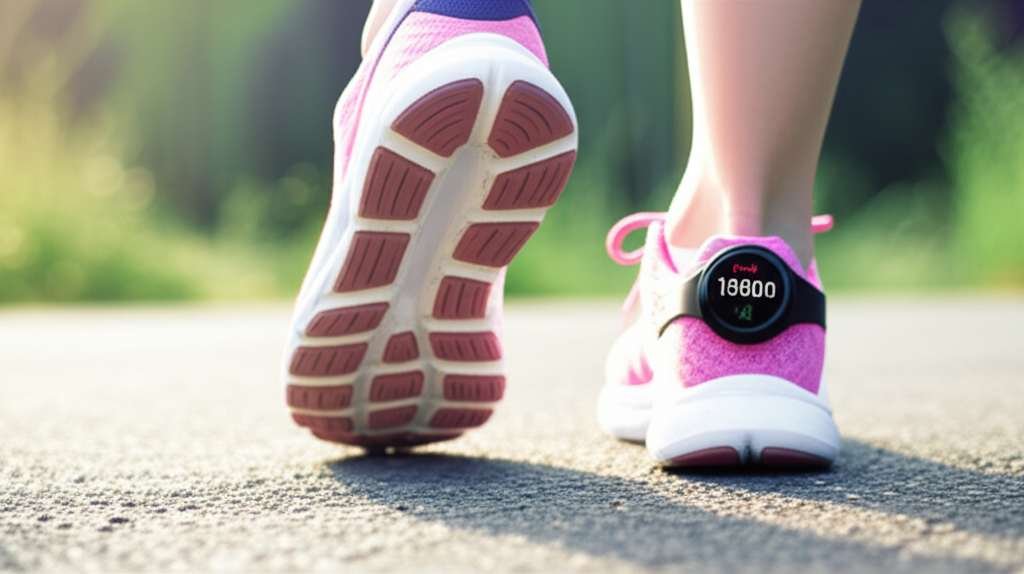
Yes, you can absolutely lose weight walking 15,000 steps a day! It’s a fantastic goal that, when combined with mindful eating, can lead to significant progress. This guide will break down how to make 15,000 steps work for your weight loss journey, focusing on consistency and smart strategies. Let’s walk through it together!
Are you wondering if hitting 15,000 steps daily can actually help you shed pounds? It’s a common question, and for good reason! Many people struggle to see results, feeling confused about where to start or if simple changes like walking enough can truly make a difference.
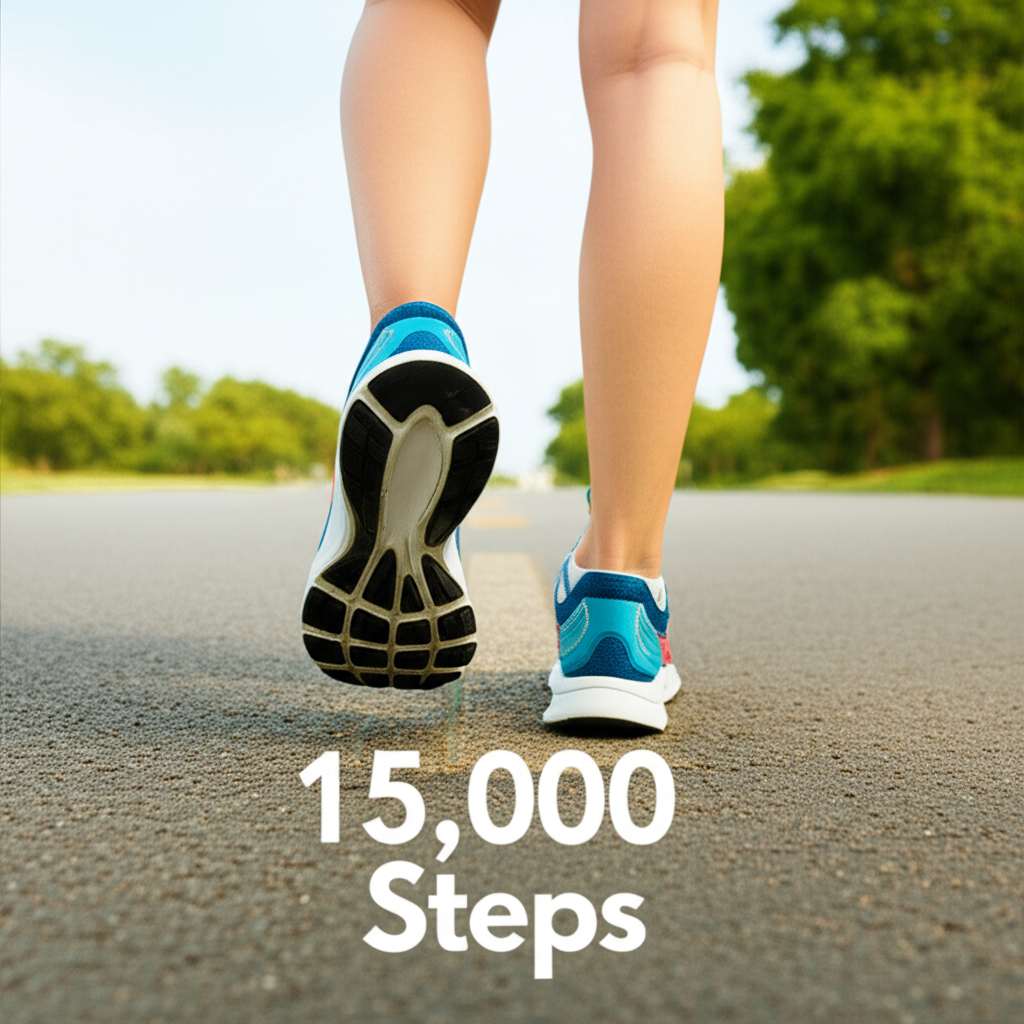
You’re not alone in this! Weight loss can feel like a puzzle with missing pieces, but I’m here to help you put it all together. We’ll explore how this step goal works, what you need to consider, and how to make it a sustainable part of your life.
This guide will be your friendly roadmap, breaking down everything you need to know. We’ll cover the science behind it in simple terms, practical tips to reach your goal, and how to pair it with other healthy habits for the best results. Get ready to feel confident and empowered on your walking and weight loss adventure!
Can I Lose Weight Walking 15000 Steps A Day? The Big Picture
The short answer is a resounding yes! Walking 15,000 steps a day is a powerful tool for weight loss. It significantly increases your daily calorie expenditure, which is a fundamental part of losing weight. When you burn more calories than you consume, your body taps into stored fat for energy, leading to a reduction in body weight.
Think of your body like a bank account for calories. To lose weight, you need to make more withdrawals (burning calories) than deposits (eating calories). Walking 15,000 steps is like making a substantial withdrawal, helping to create that necessary calorie deficit. It’s an accessible and sustainable way to boost your activity levels without needing a gym membership or intense workouts.
However, it’s important to understand that walking alone isn’t a magic bullet. For optimal and sustainable weight loss, it needs to be part of a balanced approach that includes a healthy diet. We’ll dive into how these elements work together.
Understanding the Calorie Burn: How Many Calories Does 15,000 Steps Burn?
The number of calories you burn walking 15,000 steps can vary quite a bit. It depends on several factors, including your body weight, the intensity of your walk (speed and incline), and your metabolism. Generally, a person can burn anywhere from 500 to 1000 calories or more by walking 15,000 steps.
A good rule of thumb is that it takes about 2,000 steps to burn roughly 80-100 calories. So, for 15,000 steps, you’re looking at an approximate burn of 600-800 calories. This is a significant number that can make a real difference in your weight loss efforts.
For example, a person weighing 150 pounds might burn around 600 calories, while someone weighing 200 pounds could burn closer to 800 calories during the same 15,000 steps. This calorie burn is a great starting point for creating a calorie deficit.
Factors Affecting Calorie Burn
- Body Weight: Heavier individuals burn more calories because they need more energy to move their bodies.
- Pace and Intensity: Walking faster, incorporating hills, or walking on uneven terrain will increase your heart rate and burn more calories.
- Terrain: Walking uphill or on soft surfaces like sand requires more effort and burns more calories than walking on a flat, hard surface.
- Incline: Even small inclines can significantly boost calorie burn.
- Metabolism: Individual metabolic rates play a role, though this is harder to quantify for walking alone.
Using a fitness tracker or a reliable app can give you a more personalized estimate of your calorie burn. These tools often take your weight and activity data into account. You can find many reputable fitness trackers online, such as those from Fitbit or Garmin, which can help you monitor your progress.
Creating a Calorie Deficit: The Key to Weight Loss
Weight loss fundamentally comes down to creating a calorie deficit. This means consuming fewer calories than your body uses. Walking 15,000 steps a day is an excellent way to increase the “calories out” side of the equation.
A deficit of 500-1000 calories per day is generally recommended for losing about 1-2 pounds per week. If walking 15,000 steps helps you burn an extra 600 calories daily, you’re well on your way to achieving this deficit, especially when paired with mindful eating.
For instance, if your daily calorie needs are 2000 calories, and you walk 15,000 steps to burn 600 extra calories, your total daily expenditure becomes 2600 calories. If you then eat around 2000 calories, you create a 600-calorie deficit. This can lead to roughly 1.2 pounds of weight loss per week (since 3500 calories equal about one pound of fat).
The Role of Diet in Weight Loss
While walking 15,000 steps is fantastic for calorie burning, your diet plays an equally crucial role. You can’t out-walk a bad diet. If you’re consuming more calories than you burn, even with a high step count, you won’t lose weight.
Focus on nutrient-dense foods like fruits, vegetables, lean proteins, and whole grains. These foods help you feel full and satisfied, making it easier to manage your calorie intake. Reducing intake of sugary drinks, processed snacks, and excessive saturated fats can make a significant impact.
Consider tracking your food intake for a few days using an app like MyFitnessPal or Cronometer. This can help you understand your current eating habits and identify areas where you can make healthier choices without feeling deprived. This awareness is key to building sustainable habits.
How to Reach 15,000 Steps a Day: Practical Strategies
Hitting 15,000 steps might sound daunting, but it’s very achievable with a plan. It’s about integrating more movement into your day naturally. Here’s how you can do it:
1. Break It Down
You don’t have to do all 15,000 steps at once! Break your goal into smaller, manageable chunks throughout the day. Aim for:
- A 30-45 minute walk in the morning (approx. 3,000-4,000 steps)
- A brisk walk during your lunch break (approx. 3,000-4,000 steps)
- A 30-45 minute walk in the evening (approx. 3,000-4,000 steps)
- Incorporate short walks throughout the day (e.g., while on the phone, during TV commercials, walking to and from errands) to reach the remaining steps.
2. Make It a Habit
Consistency is key. Try to walk at the same times each day to build a routine. For example, a morning walk can set a positive tone for your day.
3. Walk with Others
Walking with a friend, family member, or pet can make the time fly by and provide motivation. Social support is a powerful tool for sticking to your goals.
4. Make It Enjoyable
Listen to podcasts, audiobooks, or your favorite music while you walk. Explore new routes in your neighborhood or local parks to keep things interesting.
5. Utilize Your Commute
If you use public transport, get off a stop or two early and walk the rest of the way. If you drive, park further away from your destination.
6. Take the Stairs
Whenever possible, opt for the stairs instead of elevators or escalators. This is a simple way to add extra steps and intensity.
7. Stand and Move During Work
If you have a desk job, set reminders to stand up and walk around for a few minutes every hour. Consider a standing desk if possible.
8. Track Your Progress
Use a fitness tracker, smartwatch, or smartphone app to monitor your daily step count. Seeing your progress can be very motivating. Many devices can sync with apps like Apple Health or Google Fit, providing a comprehensive overview of your activity.
Incorporating 15,000 Steps into Different Lifestyles
Let’s look at how different individuals can achieve 15,000 steps:
For Students
University campuses are often walkable. Use walking as a way to get to classes, the library, or social events. Walk to off-campus errands instead of taking transport. Plan study breaks that involve a brisk walk around campus or a nearby park.
For Office Workers
Start your day with a walk before work. Use your lunch break for a dedicated walk. Walk around the office building during breaks or take calls while walking. Consider a walking meeting instead of a seated one. Walk after dinner to unwind and get those final steps in.
For Stay-at-Home Parents
Walk with your children to the park or playground. Use a stroller for added resistance during walks. Walk around the house or garden during nap times. Schedule a walk with a friend or join a local walking group for adult interaction and motivation.
For Retirees
Enjoy leisurely walks in your neighborhood or local nature trails. Join community walking groups. Walk to local shops and amenities. Incorporate gardening or other active hobbies that contribute to your step count.
Benefits Beyond Weight Loss
Walking 15,000 steps a day offers a wealth of benefits that extend far beyond just weight loss. It’s a fantastic way to improve your overall health and well-being.
- Improved Cardiovascular Health: Regular walking strengthens your heart and lungs, reducing the risk of heart disease and stroke. The American Heart Association recommends at least 150 minutes of moderate-intensity aerobic activity per week, which 15,000 steps can easily help you achieve.
- Better Mood and Reduced Stress: Physical activity releases endorphins, which are natural mood boosters. Walking can help alleviate symptoms of anxiety and depression and improve your overall mental clarity.
- Increased Energy Levels: While it might seem counterintuitive, regular exercise like walking can actually boost your energy levels and combat fatigue.
- Stronger Bones and Muscles: Weight-bearing exercises like walking help to strengthen your bones, reducing the risk of osteoporosis. It also tones your leg and core muscles.
- Improved Sleep Quality: Regular physical activity can help you fall asleep faster and enjoy deeper, more restful sleep.
- Enhanced Cognitive Function: Studies suggest that regular walking can improve memory, focus, and overall brain health.
Potential Challenges and How to Overcome Them
While the benefits are clear, you might encounter a few hurdles. Here’s how to navigate them:
Challenge: Time Constraints
Solution: As mentioned, break down your walks. Wake up 30 minutes earlier, use your lunch break effectively, or take short walks during commercial breaks. Multitasking your walks (listening to podcasts, walking while on the phone) can also help.
Challenge: Weather
Solution: Invest in appropriate gear for different weather conditions (raincoat, warm layers). Have indoor alternatives ready, such as walking around a mall, using a treadmill, or doing an indoor walking workout video.
Challenge: Boredom
Solution: Vary your routes, listen to music or podcasts, walk with a friend, or explore different types of walking like hiking or power walking.
Challenge: Soreness or Fatigue
Solution: Start gradually if you’re new to this level of activity. Ensure you have comfortable, supportive walking shoes. Listen to your body and take rest days when needed. Proper stretching before and after your walk can also help.
Challenge: Motivation Slumps
Solution: Set small, achievable goals. Reward yourself for milestones. Find an accountability partner. Remind yourself of the reasons you started and the benefits you’re gaining.
Essential Tools for Your Walking Journey
To make your 15,000-step goal easier and more effective, consider these tools:
- Comfortable Walking Shoes: This is non-negotiable! Invest in a good pair of athletic shoes designed for walking. Look for good cushioning and support. Websites like Runner’s World offer guides to choosing the right footwear.
- Fitness Tracker or Smartwatch: These devices help you monitor your steps, distance, calories burned, and heart rate. Many also offer GPS tracking and smartphone notifications.
- Water Bottle: Staying hydrated is crucial, especially during longer walks.
- Comfortable Athletic Clothing: Choose breathable, moisture-wicking fabrics that allow for ease of movement.
- Sun Protection: Sunscreen, a hat, and sunglasses are essential for outdoor walks.
- Safety Gear: If walking in low-light conditions, consider reflective gear and a small flashlight or headlamp.
Sample Weekly Walking Plan for 15,000 Steps
Here’s a sample plan to get you started. Remember to adjust it based on your personal schedule and fitness level.
| Day | Morning (approx. steps) | Lunch (approx. steps) | Evening (approx. steps) | Miscellaneous/Throughout Day (approx. steps) | Total Daily Goal |
|---|---|---|---|---|---|
| Monday | 4000 (40 min brisk walk) | 3000 (30 min walk) | 4000 (40 min walk) | 4000 (errands, short walks) | 15,000 |
| Tuesday | 3500 (35 min walk) | 3500 (35 min walk) | 3500 (35 min walk) | 4500 (stairs, walking calls) | 15,000 |
| Wednesday | 4500 (45 min walk with incline) | 3000 (30 min walk) | 3500 (35 min walk) | 4000 (walking meetings, errands) | 15,000 |
| Thursday | 4000 (40 min walk) | 4000 (40 min walk) | 3000 (30 min walk) | 4000 (active chores, short breaks) | 15,000 |
| Friday | 3500 (35 min walk) | 3500 (35 min walk) | 4000 (40 min walk) | 4000 (social walk, errands) | 15,000 |
| Saturday | 5000 (50 min exploration walk) | – | 5000 (longer leisure walk) | 5000 (active errands, family outing) | 15,000 |
| Sunday | 4000 (40 min gentle walk) | – | 4000 (40 min relaxed walk) | 7000 (active rest, household tasks) | 15,000 |
This is a template. Feel free to swap days or adjust the length and timing of walks based on your energy levels and commitments. The goal is to reach 15,000 steps consistently.
When to See a Doctor
While walking is generally safe for most people, it’s always a good idea to consult your doctor before starting any new exercise program, especially if you have pre-existing health conditions. This is particularly important if you experience any of the following:
- Heart conditions or high blood pressure
- Joint problems (like arthritis)
- Diabetes
- You are significantly overweight
- Any other chronic health concerns
Your doctor can provide personalized advice and ensure that your walking goals are safe and appropriate for your individual health status. They can also help you set realistic expectations for weight loss and overall health improvements. The Centers for Disease Control and Prevention (CDC) provides comprehensive guidelines on physical activity for adults, which can be a helpful resource.
Frequently Asked Questions (FAQ)
Q1: Is 15,000 steps a day too much for a beginner?
For some, 15,000 steps might be a significant jump from their current activity level. It’s okay to start smaller, perhaps with 8,000-10,000 steps, and gradually increase your goal by 1,000-2,000 steps each week. Listen to your body and build up gradually to avoid injury or burnout.
Q2: How long does it take to walk 15,000 steps?
On average, it takes about 100 minutes (1 hour and 40 minutes) to walk 10,000 steps at a moderate pace. Therefore, walking 15,000 steps could take approximately 2.5 hours of continuous walking. However, most people spread this out over the entire day in shorter bouts.
Q3: Will I lose weight if I walk 15,000 steps but don’t change my diet?
You will likely burn more calories and might see some weight loss, but it will be much slower and less sustainable than if you also focus on your diet. To lose weight effectively, you need to create a calorie deficit, which is best achieved by combining increased physical activity with a healthy, calorie-controlled diet.
Q4: What’s the best time of day to walk for weight loss?
The best time to walk is whenever you can consistently fit it into your schedule. Some studies suggest that walking after meals can help manage blood sugar, while others indicate that morning walks might boost metabolism. The most important factor is consistency, so choose a time that works best for you.
Q5: How many calories can I expect to burn walking 15,000 steps?
This varies greatly, but a rough estimate for an average adult is between 600 to 800 calories. This number increases with body weight and walking intensity. A fitness tracker can provide a more personalized estimate.
Q6: Can I lose weight by walking 15,000 steps on a treadmill?
Absolutely! A treadmill can be an excellent tool for reaching your step goal, especially when the weather is bad. You can control the speed and incline to ensure you’re getting a good workout and burning a significant number of calories. Just make sure to use a setting that challenges you.
Q7: What if I have knee pain while walking?
If you experience knee pain, it’s important to listen to your body and consult a healthcare professional, like a doctor or physical therapist. They can help identify the cause of the pain and recommend appropriate exercises or modifications. Ensure you have supportive footwear and consider reducing the intensity or duration of your walks until the pain subsides.
Conclusion: Your Walking Journey to a Healthier You
Walking 15,000 steps a day is an ambitious yet highly achievable goal that can significantly contribute to your weight loss journey and overall health. By understanding the calorie expenditure involved, focusing on creating a consistent calorie deficit through both diet and exercise, and incorporating practical strategies into your daily routine, you can make this goal a reality.
Remember, this journey is about building sustainable, healthy habits. Celebrate your progress, be patient with yourself, and enjoy the myriad of benefits that regular walking offers, from improved mood and energy to better cardiovascular health. You have the power to make positive changes, and this guide is here to support you every step of the way. Lace up those shoes, and let’s get walking!
As an Amazon Associate, We earn from qualifying purchases. When you purchase a product through Amazon links on pulsefitguide.com, we may earn a small commission at no extra cost to you. This helps support the site and keep our content free.
