

Absolutely! You can definitely find or create a gluten-free weight loss meal plan that suits your needs. With the right guidance, staying on track while avoiding gluten is totally doable and can be delicious too.
A gluten-free weight loss meal plan is entirely possible and tailored to help you shed pounds without gluten. By choosing nutrient-dense foods, controlling portion sizes, and focusing on natural, unprocessed ingredients, you can effectively reach your goals while maintaining a gluten-free lifestyle.
Looking to lose weight but worried about gluten? You’re not alone. Many people are discovering the benefits of gluten-free diets, not just for medical reasons but also for overall health and wellness. Whether you’re diagnosed with gluten sensitivity or just interested in cleaner eating, a well-balanced gluten-free meal plan can support your weight loss journey while keeping your taste buds satisfied. With a bit of planning, you can enjoy tasty, nutritious meals that help you stay on track and feel great!

Can I get a gluten-free weight loss meal plan?
Understanding the Basics of a Gluten-Free Diet
Many people ask if they can follow a weight loss plan without gluten. A gluten-free diet means avoiding foods that contain wheat, barley, and rye. This approach can help individuals with gluten sensitivities, allergies, or celiac disease. It is possible to lose weight on a gluten-free diet, but it requires careful planning to ensure nutritional balance.
Why Choose a Gluten-Free Meal Plan for Weight Loss?
Some believe that removing gluten helps reduce calorie intake naturally by cutting out processed foods. Others find that a gluten-free diet improves digestion and reduces bloating, making them feel lighter. A well-structured gluten-free meal plan can help control hunger and prevent overeating.
Key Components of a Gluten-Free Weight Loss Meal Plan
A successful gluten-free meal plan should include a variety of foods rich in fiber, lean protein, healthy fats, and essential nutrients. It is essential to avoid high-calorie, processed gluten-free products that may contain added sugars or unhealthy fats.
1. Lean Proteins
Lean meats such as chicken, turkey, and fish are excellent sources of protein. Eggs, beans, and tofu also provide vital nutrients without gluten. Protein helps keep you full longer, reducing the temptation to snack on unhealthy foods.
2. Whole Grains
Choose gluten-free grains like quinoa, brown rice, millet, amaranth, or buckwheat. They offer fiber and complex carbohydrates that stabilize blood sugar levels and support weight loss.
3. Fruits and Vegetables
Incorporate a wide variety of fruits and vegetables to ensure intake of fiber, vitamins, and minerals. These foods are naturally low in calories and high in nutrients, perfect for a weight loss diet.
4. Healthy Fats
Include sources of healthy fats such as avocados, nuts, seeds, and olive oil. These fats can promote satiety and support overall health while helping to control calorie intake.
Sample Gluten-Free Meal Plan for Weight Loss
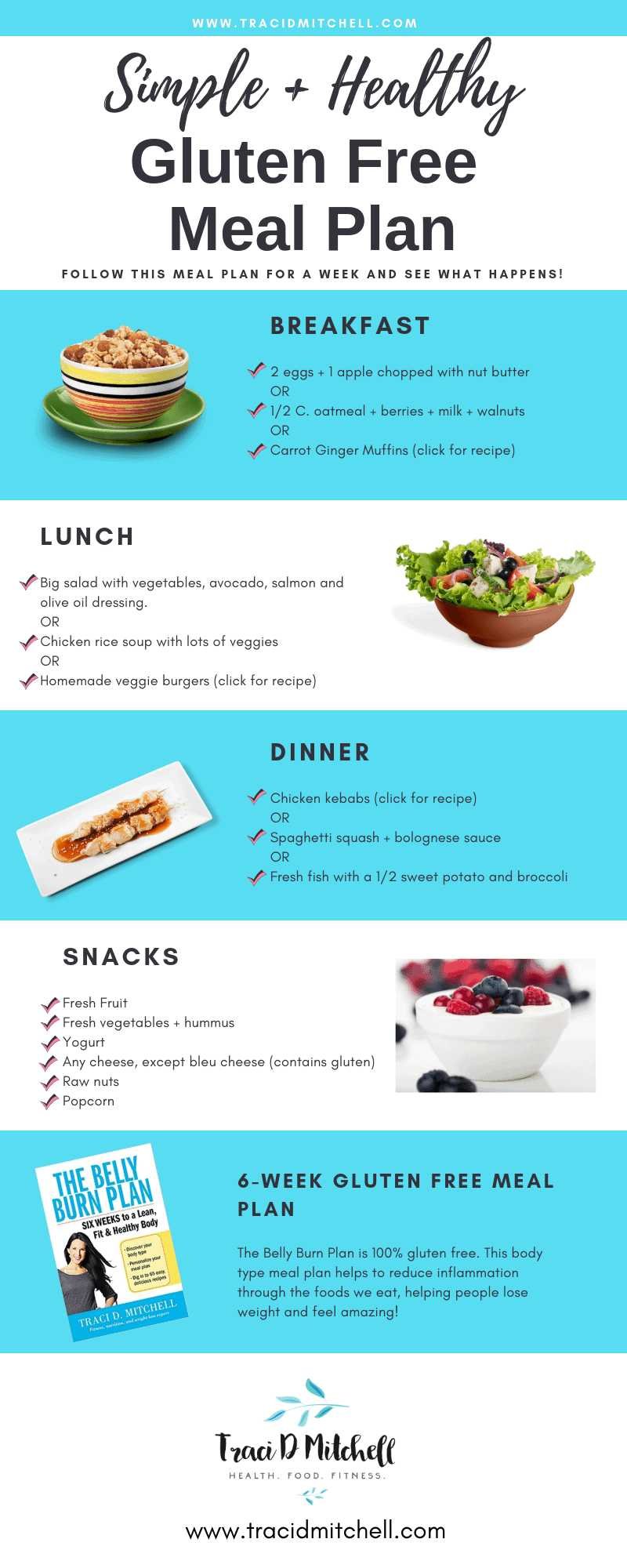
Below is a basic outline of a day’s meals that follow gluten-free principles and support weight loss objectives:
| Meal | Examples |
|---|---|
| Breakfast | Oatmeal made from gluten-free oats topped with berries and chia seeds |
| Mid-Morning Snack | A handful of almonds and a small apple |
| Lunch | Grilled chicken salad with mixed greens, cherry tomatoes, cucumbers, and olive oil vinaigrette |
| Afternoon Snack | Carrot sticks with hummus |
| Dinner | Baked salmon, quinoa, and steamed broccoli |
| Evening Snack (if needed) | Greek yogurt with a sprinkle of nuts and honey |
Tips for Creating Your Own Gluten-Free Weight Loss Meal Plan
Designing your personal plan requires understanding your nutritional needs and food preferences. Keep these tips in mind:
- Focus on whole, unprocessed foods to avoid hidden gluten and excess calories.
- Plan meals ahead of time to prevent accidental gluten consumption and unhealthy choices.
- Keep healthy snacks on hand to curb hunger between meals.
- Use natural flavorings like herbs, spices, and lemon juice to add variety without extra calories.
- Track your food intake to ensure you’re meeting your calorie and nutrient goals.
Common Gluten-Free Ingredients and Substitutes
Incorporating gluten-free ingredients is vital for a successful weight loss plan. Here are some popular options:
Gluten-Free Grains
- Quinoa
- Brown rice
- Millet
- Amaranth
- Buckwheat
- Polenta
Gluten-Free Flours for Cooking and Baking
- Almond flour
- Coconut flour
- Tapioca flour
- Chickpea flour
- Sorghum flour
Other Gluten-Free Essentials
- Fresh fruits and vegetables
- Lean meats, poultry, and fish
- Legumes and pulses
- Healthy oils like olive and avocado oil
Addressing Challenges in Following a Gluten-Free Weight Loss Plan
Some common obstacles include limited food choices and increased food costs. To overcome these:
Plan Your Meals Carefully
Balance your meals with a variety of nutrient-dense foods to prevent boredom and nutritional gaps.
Read Labels Diligently
Always check ingredient lists for gluten-containing additives or cross-contact risks.
Cook at Home
Cooking your own meals allows control over ingredients and reduces reliance on processed foods.
Shop Smart
Buy in bulk and seek out sales on gluten-free staples to save money.
The Importance of Nutritional Balance and Portion Control
While following a gluten-free diet, focus on proper portion sizes to avoid consuming excess calories. Use measuring tools or visual cues to keep servings in check. Maintaining a balance of macronutrients ensures sustained energy and reduces hunger pangs.
Additional Tips for Successful Weight Loss on a Gluten-Free Diet
Incorporate regular physical activity alongside your meal plan. Stay hydrated and aim for at least 8 glasses of water daily. Avoid sugary drinks and processed snacks, which can sabotage your efforts.
The Role of Professional Support
Consulting a dietitian or healthcare provider can help tailor your gluten-free meal plan to your specific needs. They can also recommend supplements if necessary to prevent deficiencies common in restrictive diets.
Getting a gluten-free weight loss meal plan is entirely feasible with proper planning and knowledge. Focus on nutrient-dense foods, control portions, and stay consistent. This approach can lead to healthy, sustainable weight loss while enjoying a variety of delicious gluten-free foods.
What I Eat In A Day | How I Get 130 grams of protein for healthy weight loss.
Frequently Asked Questions
Can I find a meal plan that accommodates both weight loss and gluten intolerance?
Yes, many meal plans are specifically designed to cater to individuals who want to lose weight while avoiding gluten. These plans focus on whole foods like lean proteins, vegetables, fruits, and gluten-free grains, ensuring balanced nutrition without triggering gluten sensitivities. Consulting with a nutritionist can help tailor a plan that fits your specific needs and preferences.
Are there any specific foods I should include or avoid in a gluten-free weight loss diet?
In a gluten-free weight loss diet, include fresh vegetables, fruits, lean meats, fish, legumes, and gluten-free grains such as rice, quinoa, and corn. Avoid processed foods that contain gluten, such as baked goods, pasta, and certain sauces. Also, watch out for hidden sources of gluten in processed snacks and condiments to maintain a healthy and effective weight loss plan.
Can I maintain a balanced diet on a gluten-free weight loss meal plan?
Absolutely. A balanced gluten-free meal plan should include a variety of nutrient-dense foods to provide essential vitamins and minerals. Incorporate a mix of proteins, healthy fats, and complex carbohydrates from gluten-free sources. Regularly eating a colorful array of fruits and vegetables helps ensure you get enough fiber and antioxidants, supporting overall health and weight management.
What are some common challenges when following a gluten-free weight loss plan?
One common challenge is finding convenient, flavorful gluten-free options that support weight loss goals. Limited food choices can lead to a monotonous diet, making it harder to stick with the plan. Additionally, eating out or traveling might pose difficulties due to limited gluten-free options. Planning ahead, reading labels carefully, and exploring new recipes can address these challenges effectively.
How can I ensure I’m getting enough nutrients while on a gluten-free weight loss program?
Focus on including a variety of nutrient-rich foods like fruits, vegetables, nuts, seeds, lean proteins, and gluten-free whole grains. Consider incorporating fortified gluten-free products and taking supplements if necessary, especially for nutrients like fiber, iron, and B vitamins. Regularly consulting with a healthcare provider or nutritionist can help you monitor nutrient intake and make adjustments as needed.
Final Thoughts
A gluten-free weight loss meal plan is entirely possible and tailored to your needs. Many resources and diet plans focus on gluten-free ingredients that support healthy weight reduction.
Choosing whole foods like vegetables, lean proteins, and healthy fats helps you stay on track. You can enjoy delicious, satisfying meals without gluten, making your weight loss journey easier.
Can I get a gluten-free weight loss meal plan? Yes, with the right guidance and meal ideas, you can achieve your goals comfortably and effectively.
As an Amazon Associate, We earn from qualifying purchases. When you purchase a product through Amazon links on pulsefitguide.com, we may earn a small commission at no extra cost to you. This helps support the site and keep our content free.