



Quick Summary:
Gonorrhea itself typically does not cause weight loss in men. Significant or unexplained weight loss is usually a sign of other health issues. If you are experiencing weight loss and have concerns about gonorrhea or other infections, consult a healthcare professional immediately for proper diagnosis and treatment.
Hey there! Are you finding that understanding health and weight can sometimes feel like a puzzle with missing pieces? You’re not alone! Many people get confused about how different factors might affect their body weight.
One question that might pop up is whether certain health conditions, like sexually transmitted infections (STIs), could lead to losing weight. It’s a valid concern, especially if you’ve noticed changes in your body you can’t explain.
This guide is here to break down this specific question in a simple, easy-to-understand way. We’ll explore the connection between gonorrhea and weight loss in men, focusing on what you really need to know. Let’s clear things up together!
Understanding Gonorrhea and Its Symptoms
Gonorrhea is a common sexually transmitted infection caused by the bacterium Neisseria gonorrhoeae. It can affect the genitals, rectum, and throat. For men, symptoms can include a burning sensation when urinating, a white, yellow, or green discharge from the penis, and painful or swollen testicles.
However, it’s important to know that some people, including men, might not show any symptoms at all. This is why regular STI testing is so crucial, especially if you are sexually active with new or multiple partners. Ignoring an infection can lead to more serious health problems down the line.
When gonorrhea is left untreated, it can spread and cause complications. In men, this can include epididymitis, an inflammation of the tube that carries sperm, which can sometimes affect fertility. It can also lead to inflammation in the prostate gland.
How Gonorrhea Typically Affects the Body
Gonorrhea primarily targets the mucous membranes of the reproductive tract. In men, this commonly includes the urethra, the tube that carries urine and semen out of the body.
The infection triggers an immune response, which is why you might see discharge. This response is the body trying to fight off the bacteria. The discomfort and discharge are the most common signs that something is wrong.
While these symptoms can be uncomfortable and concerning, they are usually localized to the site of infection. The infection doesn’t typically cause a widespread metabolic change that would lead to significant weight loss on its own.
Can Gonorrhea Cause Weight Loss in Men? The Direct Answer
No, gonorrhea itself does not directly cause weight loss in men. The primary effects of gonorrhea are localized to the area of infection and do not typically result in the metabolic changes needed to induce significant, unintentional weight loss.
When someone experiences weight loss, it’s usually due to a significant imbalance between calories consumed and calories burned, or due to underlying medical conditions that affect appetite, digestion, or metabolism. Gonorrhea, as a bacterial infection, doesn’t generally disrupt these fundamental processes in a way that leads to losing pounds.
If a man with gonorrhea is experiencing weight loss, it’s far more likely to be related to other factors. These could include a separate underlying health condition, significant stress, changes in diet or exercise habits, or even the emotional toll of dealing with an STI diagnosis.
Why the Confusion Might Arise
Sometimes, people associate any illness with weight loss. This might stem from experiences with more severe infections or chronic diseases where appetite loss and increased energy expenditure are common symptoms. For instance, advanced stages of certain illnesses or infections that cause severe systemic inflammation can lead to significant weight loss.
However, gonorrhea is usually treatable with antibiotics and, when caught early, its impact is generally limited. It doesn’t typically lead to the prolonged appetite suppression or malabsorption that characterizes weight loss in more severe or chronic conditions.
It’s also possible that if someone has gonorrhea and is experiencing weight loss, they might mistakenly attribute the weight loss to the STI. This can happen when multiple health concerns are present simultaneously, leading to confusion about the root cause.
Other Potential Causes of Weight Loss in Men
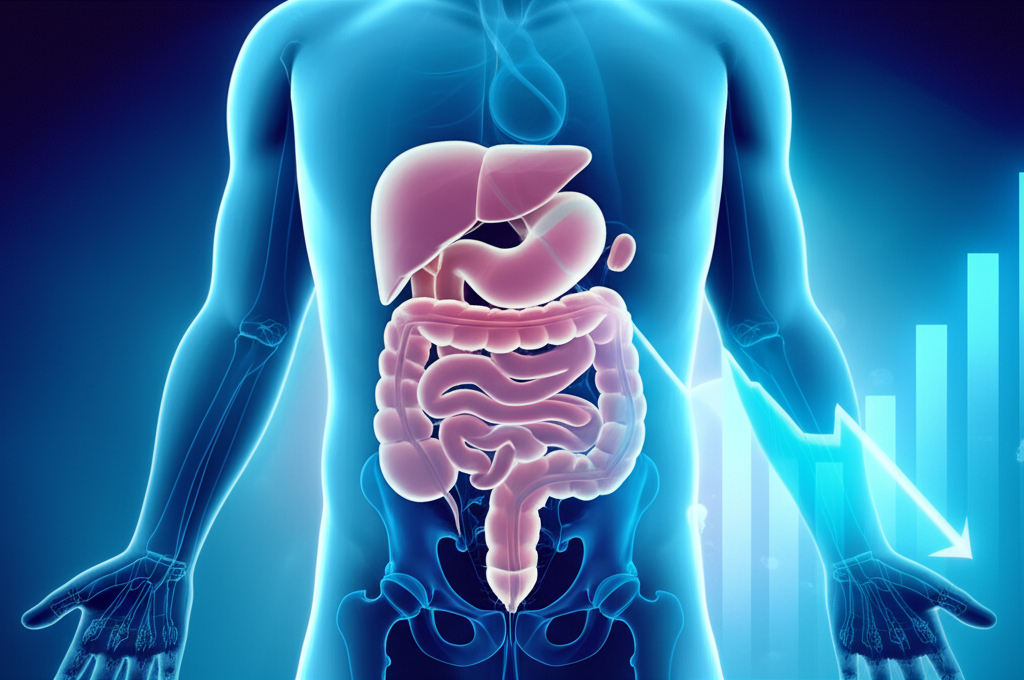
Since gonorrhea isn’t the likely culprit for weight loss, it’s important to consider other possibilities. Unexplained weight loss, defined as losing 5% or more of your body weight over 6 to 12 months without trying, is a medical concern that warrants investigation.
Here are some common reasons why men might experience unintentional weight loss:
1. Underlying Medical Conditions
Several medical conditions can lead to weight loss. These range from manageable issues to more serious illnesses. It’s crucial to get a proper diagnosis from a doctor.
- Thyroid Problems: An overactive thyroid (hyperthyroidism) can speed up your metabolism, causing you to burn more calories and lose weight even if you’re eating normally.
- Diabetes: Undiagnosed or poorly controlled type 1 diabetes can lead to weight loss because the body can’t use glucose for energy and starts breaking down muscle and fat instead.
- Gastrointestinal Issues: Conditions like celiac disease, Crohn’s disease, or ulcerative colitis can interfere with nutrient absorption, leading to weight loss.
- Cancer: While a scary thought, some cancers can cause unexplained weight loss as the body uses more energy to fight the disease, or because of changes in appetite and metabolism.
- Infections (other than Gonorrhea): Certain chronic infections, like HIV or tuberculosis, can lead to significant weight loss.
2. Mental Health and Stress
Our mental state has a profound impact on our physical health, including our weight.
- Stress and Anxiety: High levels of stress or anxiety can affect appetite. Some people lose their appetite when stressed, while others might overeat. If you’re losing your appetite due to stress, you’ll likely lose weight.
- Depression: Depression can significantly alter eating habits, often leading to a loss of interest in food and subsequent weight loss.
3. Lifestyle and Diet Changes
Sometimes, weight loss is simply a result of conscious or unconscious changes in daily habits.
- Dietary Changes: You might have unknowingly reduced your calorie intake. Perhaps you’re eating smaller portions, skipping meals, or cutting out certain food groups without realizing the impact.
- Increased Physical Activity: Have you recently become more active? A new workout routine or a more physically demanding job could be burning more calories than you’re consuming.
- Medications: Some medications have side effects that can include loss of appetite or nausea, leading to weight loss.
When to See a Doctor About Weight Loss
If you’re experiencing unintended weight loss, it’s essential to consult a healthcare professional. As a general guideline, if you’ve lost more than 5% of your body weight in the past 6 to 12 months without trying, it’s time to get checked out.
Don’t delay seeking medical advice. A doctor can perform a physical examination, ask about your medical history, and order necessary tests to determine the cause of your weight loss. Early diagnosis and treatment are key for many conditions.
What to Expect During a Doctor’s Visit
Your doctor will likely start by asking detailed questions about your weight loss, your diet, your activity levels, any other symptoms you’re experiencing, and your medical history. They will also perform a physical exam.
Depending on their initial assessment, they might order blood tests to check for conditions like diabetes, thyroid problems, or infections. They may also recommend imaging tests or other specialist consultations if they suspect a more serious issue.
It’s important to be open and honest with your doctor. Providing them with accurate information will help them make the best diagnosis and treatment plan for you.
Gonorrhea Testing and Treatment
If you are concerned about gonorrhea, either because you have symptoms or have had unprotected sex with a partner whose STI status is unknown, getting tested is the best course of action.
Testing for gonorrhea is usually straightforward. A urine sample is often used for men, or a swab may be taken from the urethra. The tests are quick and widely available at clinics, doctor’s offices, and some public health centers.
The good news is that gonorrhea is highly treatable with antibiotics. It’s crucial to complete the full course of prescribed medication, even if your symptoms disappear before you finish. This ensures the infection is completely cleared and reduces the risk of antibiotic resistance.
Importance of Partner Notification and Treatment
If you are diagnosed with gonorrhea, it is vital to inform your sexual partner(s) so they can also get tested and treated. This prevents reinfection and stops the spread of the STI.
Most public health guidelines recommend that anyone who has had sexual contact with an infected person within the past 60 days should be tested and treated, even if they don’t have symptoms. This practice is called “expedited partner therapy” in some areas, where medication can be given to the partner without them needing a separate doctor’s visit, though this varies by region.
Untreated gonorrhea can lead to serious long-term health issues, including infertility in men. Therefore, prompt diagnosis and treatment for both individuals and their partners are essential for reproductive health and overall well-being.
Debunking Myths: Gonorrhea and Weight

It’s common for misinformation to spread, especially regarding health topics. Let’s address a few common myths related to STIs and weight.
Myth: All infections cause weight loss. While severe or chronic infections can lead to weight loss, many common infections, including gonorrhea, do not have this effect. The body’s response to infection varies greatly depending on the type of pathogen and the individual’s overall health.
Myth: If I’m losing weight, it must be a serious illness. While unexplained weight loss should always be checked by a doctor, it’s not always a sign of a severe illness. Stress, dietary changes, or increased activity can also be responsible.
Myth: You can’t have an STI if you’re at a healthy weight. STI risk is determined by sexual behavior and practices, not by body weight or appearance. Anyone who is sexually active can be at risk.
Focusing on What Matters for Health
Instead of worrying about potential, unlikely links between gonorrhea and weight loss, focus on practices that truly support your health. This includes practicing safe sex, getting regular check-ups, maintaining a balanced diet, and staying physically active.
If you have concerns about your sexual health or any unexplained changes in your body, the best approach is to seek professional medical advice. They can provide accurate information and personalized guidance.
Frequently Asked Questions (FAQ)
Q1: Can gonorrhea cause me to gain weight?
No, gonorrhea does not cause weight gain. It’s an infection that can cause localized symptoms and potential complications if untreated, but it doesn’t affect metabolism in a way that leads to weight gain.
Q2: What are the most common symptoms of gonorrhea in men?
Common symptoms include a burning sensation during urination, a discharge from the penis (white, yellow, or green), and painful or swollen testicles. However, many men have no symptoms at all.
Q3: If I have gonorrhea, should I stop exercising?
Generally, no. Unless you are experiencing severe pain or your doctor advises otherwise, moderate exercise is usually fine. Listen to your body and consult your doctor if you have concerns about physical activity during treatment.
Q4: How long does it take to recover from gonorrhea?
With antibiotic treatment, most symptoms of gonorrhea resolve within a few days. However, it’s important to complete the entire course of antibiotics as prescribed by your doctor to ensure the infection is fully cleared.
Q5: Can gonorrhea affect my ability to lose weight in the future?
Gonorrhea itself doesn’t directly affect long-term weight loss potential. However, if left untreated, it can lead to complications like epididymitis, which could indirectly impact your overall health and energy levels. Treating it promptly is key.
Q6: What is the best way to prevent gonorrhea?
The most effective ways to prevent gonorrhea are to practice safe sex by using condoms consistently and correctly, and to limit your number of sexual partners. Regular STI testing is also important.
Conclusion
We’ve explored the question of whether gonorrhea can cause weight loss in men, and the answer is clear: it’s not a direct cause. While any illness can sometimes be mistakenly linked to weight changes, gonorrhea’s impact is typically localized and treatable. Unexplained weight loss is a signal from your body that something else might be going on, and it’s always best to consult a healthcare professional to get to the bottom of it.
Remember, understanding your health is about staying informed and taking proactive steps. If you have concerns about STIs, your weight, or any other health matter, reaching out to a doctor is the most effective way to get accurate answers and the support you need. Prioritize your well-being by staying educated and seeking professional guidance when necessary. You’ve got this!
As an Amazon Associate, We earn from qualifying purchases. When you purchase a product through Amazon links on pulsefitguide.com, we may earn a small commission at no extra cost to you. This helps support the site and keep our content free.
