


Can fat burning cause fever? The shocking truth is no, healthy fat burning itself does not cause a fever. A fever is typically a sign of illness or infection. If you’re experiencing a fever while trying to lose weight, it’s important to understand the real reasons behind it and seek appropriate medical advice.
Hey there! Are you diving into your weight loss journey and feeling a little confused by all the changes your body is going through? It’s totally normal to have questions, especially when you hear about things like your body “heating up” as it burns fat.
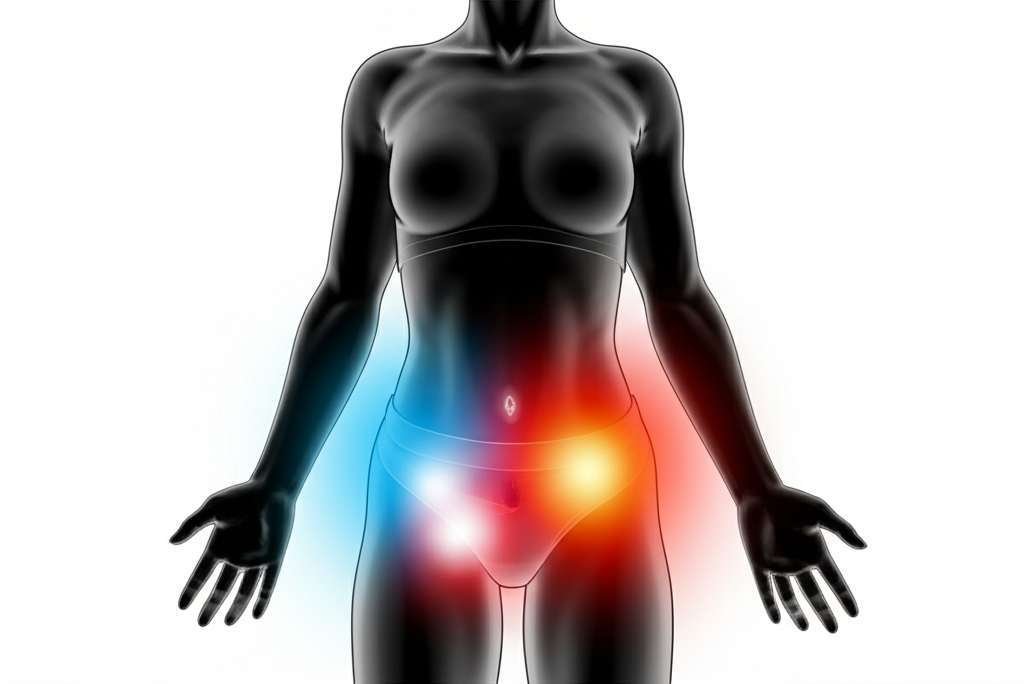
Sometimes, people wonder if the process of losing weight, specifically burning fat, can actually make you feel like you have a fever. It sounds a bit strange, right? But many beginners feel this way, and it can be a bit worrying.
Don’t sweat it! We’re going to break down exactly what’s happening in your body in simple terms. You’ll learn the real reasons behind any “heat” you might feel and understand what to do if you’re genuinely concerned.
Understanding the “Heat” of Fat Burning
When you’re aiming to lose weight, your body taps into its stored fat for energy. This process is called fat metabolism. Think of it like your body finding a hidden stash of snacks when it needs fuel.
As your body breaks down fat cells, it releases energy. This energy production is a chemical process happening inside your cells. It’s a bit like a tiny engine working hard to power your body.
This increased metabolic activity can lead to a slight rise in your body’s internal temperature. It’s not a fever, but more like your body’s engine running a little warmer because it’s working harder. This is a natural and healthy part of the fat-burning process.
What is Metabolism?
Metabolism is the term for all the chemical processes that happen in your body to keep you alive. This includes everything from breathing and digesting food to repairing cells and, yes, burning calories for energy.
When you create a calorie deficit—meaning you burn more calories than you consume—your body needs to find extra energy. It finds this by breaking down stored fat. This is the core of how weight loss works!
The more active you are and the more muscle you have, the higher your metabolism can be. This means your body naturally burns more calories even at rest. Building muscle is a fantastic way to support your weight loss goals.
Why You Might Feel “Hot” During Weight Loss
Several factors contribute to that feeling of increased warmth when you’re actively losing weight. It’s your body’s way of signaling that it’s working efficiently.
One of the main reasons is increased metabolic rate. When you’re exercising or eating in a calorie deficit, your body works harder to break down food and fat for energy. This process generates heat.
Think of it like running a race. Your muscles are working overtime, your heart is pumping faster, and you naturally feel warmer. The same principle applies to your body’s internal fat-burning processes.
Increased Physical Activity
Most weight loss plans involve increasing your physical activity. Whether it’s hitting the gym, going for walks, or doing home workouts, more movement means your body is burning more calories.
Your muscles generate a lot of heat when they are active. This is why you often feel warm or even start to sweat during or after a workout. This is a healthy response to exercise and calorie expenditure.
Even if your activity isn’t intense, consistent movement adds up. Your body is constantly working to fuel these activities, leading to a subtle increase in overall body temperature.
Hormonal Changes
Weight loss can influence your hormones, which in turn can affect your body temperature. For instance, as you lose fat, your body may adjust its hormone levels to regulate energy balance.
Hormones like thyroid hormones play a role in metabolism and body temperature. When your weight changes, these hormones can shift, potentially making you feel warmer or cooler.
For example, some studies suggest that thyroid hormones can increase heat production in the body. As your body adapts to a new weight, these hormonal signals can influence how you perceive your temperature.
Dietary Changes
What you eat also plays a role. Certain foods can temporarily increase your metabolism and body heat. This is known as the thermic effect of food (TEF).
Protein, for example, has a higher TEF than carbohydrates or fats. This means your body burns more calories digesting and processing protein. So, a diet higher in protein might make you feel a bit warmer.
Spicy foods also contain compounds like capsaicin that can temporarily boost metabolism and increase body temperature. While these effects are usually minor and temporary, they can contribute to feeling warmer during your weight loss journey.
What is a Fever, Anyway?
It’s important to distinguish between feeling warm due to increased metabolism and having a fever. A fever is a temporary increase in your body temperature, often due to illness.
Your body’s normal temperature is around 98.6°F (37°C), but this can vary slightly from person to person and throughout the day. A fever is generally considered a temperature of 100.4°F (38°C) or higher.
Fevers are usually a sign that your immune system is fighting off something, like a virus or bacteria. It’s your body’s way of creating an environment that’s less friendly to the invaders.
When to Worry: Fever vs. Feeling Warm
The key difference lies in the cause and accompanying symptoms. Feeling warm because you’ve exercised or are metabolizing food is a normal physiological response. You’ll likely feel energetic and healthy.
On the other hand, a fever is often accompanied by other symptoms like chills, body aches, fatigue, headache, or sore throat. If you have a high temperature and feel unwell, it’s a sign to pay attention.
Here’s a simple way to think about it: If you feel warm but are otherwise fine and able to go about your day with energy, it’s likely related to your weight loss efforts. If you feel sick and have a high temperature, it’s time to consider other causes.
Causes of Actual Fever
Actual fevers are almost always caused by your body fighting an infection. This could be from:
- Viruses (like the common cold or flu)
- Bacteria (like strep throat or urinary tract infections)
- Inflammation (like from an injury or autoimmune condition)
- Certain medications or vaccinations
If you suspect you have a fever, it’s best to take your temperature with a thermometer. If it’s elevated and you feel unwell, consult a healthcare professional.
The Shocking Truth: Fat Burning Doesn’t Cause Fever
Let’s get straight to the point: healthy fat burning itself does not cause a fever. The feeling of warmth you might experience is due to increased metabolic activity, not an infection or illness.
Your body’s process of breaking down fat for energy is a natural and essential part of weight loss. It requires energy, and this energy production generates heat, making you feel warmer. This is a sign your body is working efficiently.
If you are experiencing a temperature that feels like a fever, it’s crucial to look beyond your weight loss efforts for the cause. It’s your body signaling that something else is going on.
Why This Distinction is Important
Understanding this difference is vital for your health and your weight loss journey. Mistaking a sign of illness for a weight loss side effect can delay proper medical care.
If you have a fever, it means your body is likely fighting something off. Trying to push through workouts or change your diet drastically when you’re sick can be counterproductive and even harmful.
Focusing on healthy habits like balanced nutrition and regular exercise is key for weight loss. But when your body sends signals of sickness, like a fever, rest and recovery should be your top priority.
When to Seek Professional Advice
While feeling warm is often normal during weight loss, a true fever is a different story. It’s always better to be safe than sorry when it comes to your health.
If you have a temperature of 100.4°F (38°C) or higher, especially if accompanied by other symptoms like chills, aches, or severe fatigue, it’s time to talk to a doctor.
Don’t try to self-diagnose or ignore potential health issues. A healthcare professional can accurately diagnose the cause of your fever and recommend the best course of treatment.
Signs That Warrant a Doctor’s Visit
Here are some specific signs that suggest you should consult a healthcare provider:
- Temperature of 100.4°F (38°C) or higher.
- Fever that lasts for more than a few days.
- Severe headache or stiff neck.
- Rash.
- Sensitivity to light.
- Persistent vomiting or diarrhea.
- Difficulty breathing.
- Pain or burning during urination.
- Confusion or unusual drowsiness.
These symptoms could indicate a more serious condition that requires medical attention. Your doctor can help get you back on track to feeling well and continuing your healthy lifestyle.
Practical Steps for a Healthy Weight Loss Journey
Now that we’ve cleared up the fever confusion, let’s focus on what you can do to support your weight loss safely and effectively. It’s all about building sustainable habits.
Your goal is to create a healthy calorie deficit through a combination of balanced eating and regular physical activity. Remember, consistency is key, and it’s a marathon, not a sprint!
Here are some practical steps to keep you on the right path:
1. Focus on Nutrition
What you eat is incredibly important. Aim for a diet rich in whole, unprocessed foods.
- Lean Proteins: Chicken, fish, beans, lentils, tofu. Protein helps you feel full and supports muscle growth.
- Fruits and Vegetables: Packed with vitamins, minerals, and fiber, they are low in calories and great for your health.
- Whole Grains: Oats, brown rice, quinoa. These provide sustained energy and fiber.
- Healthy Fats: Avocados, nuts, seeds, olive oil. These are important for hormone function and satiety.
Try to limit processed foods, sugary drinks, and excessive amounts of unhealthy fats. These often provide empty calories and can hinder your progress.
2. Incorporate Regular Exercise
Find activities you enjoy! This makes it much easier to stick with a routine.
- Cardiovascular Exercise: Aim for at least 150 minutes of moderate-intensity aerobic activity per week (like brisk walking, cycling, or swimming). This is great for burning calories.
- Strength Training: Include 2-3 days of strength training per week. Building muscle boosts your metabolism, meaning you burn more calories even at rest.
- Flexibility and Mobility: Don’t forget stretching and activities like yoga to improve your range of motion and prevent injuries.
The Centers for Disease Control and Prevention (CDC) recommends these guidelines for physical activity for adults.
3. Stay Hydrated
Drinking enough water is essential for overall health and can significantly support weight loss efforts.
- Water helps you feel full, which can reduce overall calorie intake.
- It aids in metabolism and the efficient processing of nutrients.
- Staying hydrated is crucial for energy levels during workouts.
Aim for at least 8 glasses (64 ounces) of water per day, and more if you are exercising or in a warm climate.
4. Prioritize Sleep
Don’t underestimate the power of good sleep! It’s crucial for hormone regulation and recovery.
- Lack of sleep can disrupt hormones that control appetite, like ghrelin and leptin, making you feel hungrier and less satisfied.
- Adequate sleep is vital for muscle repair and recovery after exercise.
- Poor sleep can also impact your energy levels, making it harder to stick to your fitness plan.
Aim for 7-9 hours of quality sleep per night. Creating a relaxing bedtime routine can help you achieve this.
5. Manage Stress
Chronic stress can negatively impact your weight loss efforts. It can lead to increased cravings for unhealthy foods and affect hormone balance.
- Find healthy ways to manage stress, such as meditation, deep breathing exercises, spending time in nature, or engaging in hobbies you enjoy.
- Even short periods of stress relief can make a difference in your overall well-being and your ability to stay focused on your goals.
Consider trying a mindfulness app like Calm or Headspace to incorporate short, guided meditations into your day.
Common Misconceptions About Weight Loss and Body Heat
It’s easy to get confused when you’re new to weight loss. There are a lot of myths out there! Let’s tackle a couple of common ones related to body heat.
One common idea is that if you’re not feeling hot, you’re not burning enough fat. This simply isn’t true. While increased metabolism can cause warmth, it’s not the only indicator of fat loss.
Another misconception is that feeling cold means your metabolism has slowed down. While environmental temperature can affect how you feel, your metabolic rate is influenced by many factors, not just ambient temperature.
Myth vs. Fact Table
Here’s a quick look at some common myths and the scientific facts:
| Myth | Fact |
|---|---|
| Feeling hot means you’re burning a lot of fat. | Feeling warm can be a sign of increased metabolism, but it’s not the only indicator, and not everyone feels hot. Other factors like exercise intensity and genetics play a role. |
| Feeling cold means your metabolism has stopped. | Feeling cold is often due to external temperature or individual body composition. Your metabolism is a continuous process, and feeling cold doesn’t mean it has stopped. |
| You need to sweat a lot to burn fat. | Sweating is your body’s way of cooling down, not a direct measure of fat burned. You can burn fat without excessive sweating, and you can sweat without burning much fat (e.g., in a sauna). |
| Fat burning creates a fever. | Healthy fat burning increases metabolic activity, which can cause a slight rise in body temperature. A fever (significantly elevated body temperature) is typically a sign of illness. |
Knowing the facts helps you stay confident and avoid unnecessary worry. Focus on consistent healthy habits rather than trying to interpret every sensation your body has.
FAQ: Your Beginner Weight Loss Questions Answered
Let’s address some common questions beginners have about weight loss and body temperature.
Q1: Can intense exercise make me feel feverish?
A: Intense exercise increases your body temperature and metabolic rate, which can make you feel very warm and even cause sweating. However, this is a normal response to exertion and not a fever. A fever is usually associated with illness and a temperature of 100.4°F (38°C) or higher.
Q2: I’m on a diet and feel cold all the time. Is something wrong?
A: Feeling cold can happen during weight loss, especially if you’ve significantly reduced your calorie intake. Your body might be conserving energy. It can also be related to reduced body fat insulation or even environmental factors. If it’s persistent and bothersome, talk to your doctor, but it’s often normal.
Q3: How much warmer does my body get when burning fat?
A: The increase in body temperature from fat metabolism is usually very slight – often just enough to make you feel a bit warmer or notice increased heat production. It’s not a dramatic rise like a fever. This is part of the thermic effect of food and activity.
Q4: If I have a fever, should I stop exercising?
A: Yes, absolutely. If you have a fever, your body needs rest to recover. Exercising with a fever can be dangerous, putting extra strain on your heart and potentially prolonging your illness. Focus on getting better first.
Q5: Are there any supplements that can increase body heat for fat burning?
A: Some supplements, like those containing caffeine or capsaicin (from chili peppers), can temporarily boost metabolism and increase body heat. However, their effect on significant fat loss is often minimal, and they can have side effects. It’s always best to discuss supplements with a healthcare provider before taking them.
Q6: How do I know if my “warmth” is from fat burning or something else?
A: If you feel warm after eating a protein-rich meal, after exercising, or when you’re in a calorie deficit and otherwise feel healthy and energetic, it’s likely related to your metabolism. If you have other symptoms of illness (chills, aches, fatigue, sore throat) or a measurable high temperature, it’s likely not just from fat burning.
Conclusion: Your Healthy Journey Ahead
Embarking on a weight loss journey is an exciting step towards a healthier you. It’s completely understandable to have questions about what your body is experiencing. Remember, the feeling of warmth during weight loss is usually a positive sign of your body working efficiently, not a sign of illness.
Healthy fat burning boosts your metabolism, and this increased activity generates a bit of heat. This is different from a fever, which is your body’s response to infection or illness. If you ever feel unwell or have a high temperature, always consult a healthcare professional.
By focusing on balanced nutrition, regular physical activity, adequate sleep, and stress management, you are building a foundation for sustainable weight loss and long-term health. Keep up the great work, stay informed, and trust the process. You’ve got this!
As an Amazon Associate, We earn from qualifying purchases. When you purchase a product through Amazon links on pulsefitguide.com, we may earn a small commission at no extra cost to you. This helps support the site and keep our content free.
