



Yes, burning fat can sometimes lead to diarrhea, but it’s usually a temporary side effect of your body adjusting to new fuel sources or dietary changes. Understanding the “why” behind it can help you manage it and keep your weight loss journey smooth and comfortable.
Hey there! Ever felt a bit… unsettled in your stomach while trying to shed a few pounds? You’re not alone. It’s a common question many beginners ask: “Can burning fat actually cause diarrhea?” It might sound a little strange, but the answer is yes, and there are some simple reasons why this can happen.
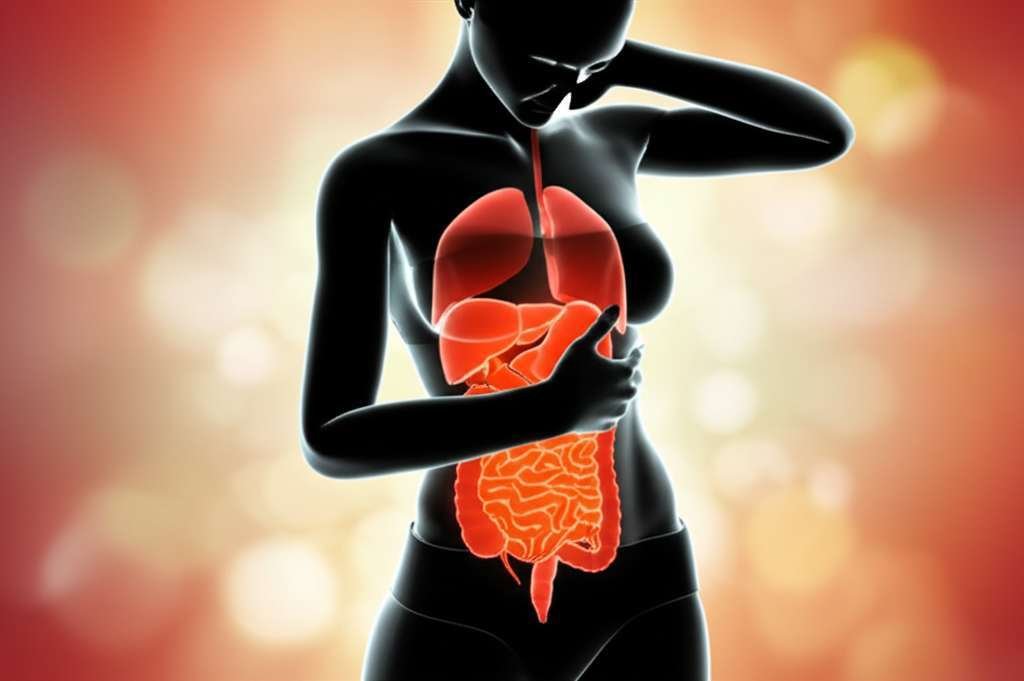
Don’t worry, though! This isn’t a sign that something is seriously wrong. It’s often just your body getting used to new habits. Think of it like your digestive system giving you a little heads-up that things are changing.
We’re going to break down exactly why this happens, what you can do about it, and how to keep your weight loss goals on track without any tummy troubles. Let’s dive in and uncover the simple truths behind this digestive mystery!
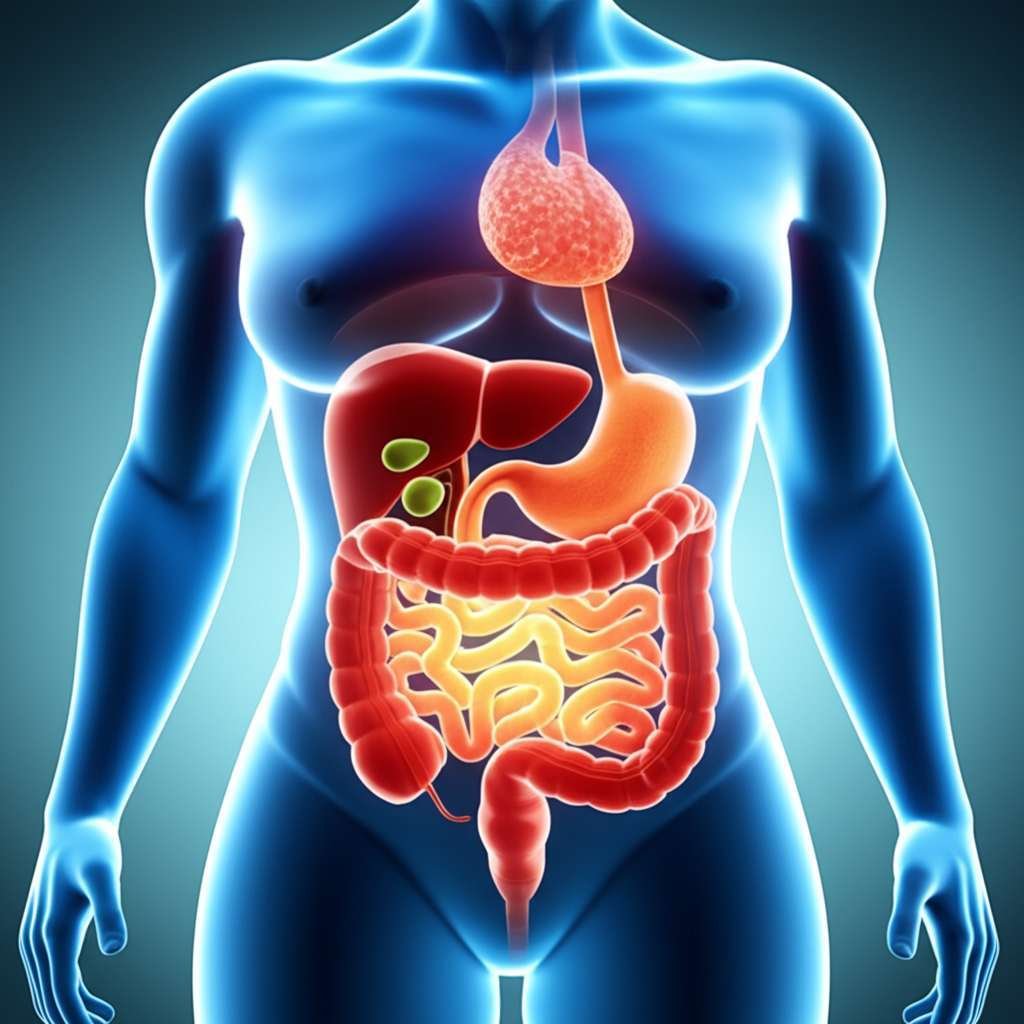
What is Fat Burning and How Does It Work?
Before we talk about diarrhea, let’s quickly cover what “burning fat” actually means. It’s the process your body uses to break down stored fat for energy. This happens when you consistently use more calories than you consume, a state known as a calorie deficit.
When your body doesn’t have enough readily available glucose (sugar) from food for energy, it turns to your fat stores. It breaks down these fat cells into fatty acids and glycerol, which can then be used as fuel. This is the core principle behind most weight loss plans.
The Shocking Truth: Can Burning Fat Cause Diarrhea?
So, can this fat-burning process directly lead to diarrhea? The short answer is: not directly, but often indirectly due to the changes that cause fat burning. It’s more about how you achieve that calorie deficit and the changes you make to your diet and lifestyle that can impact your digestion.
Think of it this way: when you start a weight loss journey, you’re usually changing what and how much you eat. These dietary shifts are the most common culprits for digestive upset, including diarrhea, when you’re burning fat.
Dietary Changes and Digestive Upset
The biggest reason you might experience diarrhea while losing weight is because of the food you’re eating (or not eating). Here are some common dietary triggers:
- Increased Fiber Intake: Many weight loss diets encourage eating more fruits, vegetables, and whole grains – all great sources of fiber. While fiber is fantastic for health and satiety, a sudden increase can overwhelm your digestive system if it’s not used to it. This can lead to gas, bloating, and yes, diarrhea.
- Changes in Macronutrient Ratios: If you drastically cut carbs, increase protein, or change your fat intake, your body needs time to adjust. For example, some people on low-carb diets might experience digestive changes as their body shifts from burning glucose to burning fat.
- Artificial Sweeteners: Many “diet” or “low-calorie” foods and drinks use artificial sweeteners like sorbitol, mannitol, and xylitol. These sugar alcohols can have a laxative effect, especially when consumed in larger quantities.
- Lactose Intolerance Flare-ups: If you’re cutting out other foods and relying more on dairy (like protein shakes), you might notice issues if you have undiagnosed lactose intolerance.
- Fat Malabsorption (Less Common): In very rare cases, rapid weight loss or certain medical conditions could affect how your body absorbs fat, leading to fatty stools and diarrhea. However, this is not typical for most healthy individuals.
Sudden Changes in Eating Habits
Beyond specific foods, how you eat can also play a role:
- Eating Too Quickly: When you’re hungry and trying to be healthy, you might rush your meals. This can lead to swallowing more air and not chewing food properly, making digestion harder.
- Skipping Meals: Irregular eating patterns can disrupt your digestive rhythm.
- Introducing New Foods: Simply trying new healthy foods that you’re not accustomed to can sometimes cause a temporary digestive reaction.
How Your Body Uses Fat for Energy
To understand why these dietary changes can cause digestive issues, let’s look at how your body uses fat.
When you’re in a calorie deficit, your body taps into its glycogen stores (stored glucose) first. Once those are depleted, it starts breaking down stored body fat. This process involves hormones like insulin (which decreases) and glucagon (which increases), signaling the body to release fatty acids from fat cells. These fatty acids are then transported to your muscles and other tissues to be converted into energy through a process called beta-oxidation.
Ketosis and Digestive Changes
One common state achieved during fat burning, especially on low-carbohydrate diets, is ketosis. In ketosis, your body produces ketones from fat to use as an alternative fuel source.
While ketosis is a natural and effective way to burn fat, the shift in your body’s primary fuel source can sometimes affect digestion. Some people report changes in bowel movements, including diarrhea, as their gut microbiome adapts to the new metabolic state and reduced carbohydrate intake. The increase in fat intake, which is common in ketogenic diets, can also contribute to looser stools for some individuals.
For more on ketosis, you can check out resources from the National Institutes of Health (NIH), which provide scientific insights into metabolic processes. For example, the NIH PubMed Central offers numerous studies on nutrition and metabolism.
Understanding the Link Between Fat Burning and Diarrhea
It’s crucial to understand that burning fat itself doesn’t cause diarrhea. Instead, the methods used to initiate and sustain fat burning are usually the direct cause.
Common Culprits of Digestive Distress During Fat Loss
Let’s break down the most frequent triggers:
- Sudden Dietary Overhaul: Jumping into a high-fiber diet, a low-carb diet, or a diet with unfamiliar ingredients without gradual introduction.
- Increased Consumption of Certain Foods: More non-starchy vegetables, certain artificial sweeteners, or even more dairy if you’re using protein supplements.
- Changes in Gut Bacteria: Your gut microbiome plays a huge role in digestion. Rapid dietary changes can temporarily alter the balance of good and bad bacteria, leading to digestive upset.
- Dehydration: Sometimes, when trying to lose weight, people might not drink enough water, which can paradoxically lead to digestive issues.
Is It Always a Bad Sign?
Generally, temporary diarrhea experienced when starting a new diet for fat loss isn’t a sign of a serious problem. It’s often your body’s way of adapting. However, if it’s severe, prolonged, or accompanied by other concerning symptoms, it’s always best to consult a healthcare professional.
Practical Strategies to Manage Digestive Issues
Don’t let a little tummy trouble derail your weight loss journey! Here are some practical, beginner-friendly strategies to help manage digestive issues:
1. Gradual Dietary Adjustments
This is key! Don’t overhaul your entire diet overnight.
- Introduce Fiber Slowly: If you’re increasing your fiber intake, do it gradually over several weeks. Add one new high-fiber food every few days and see how your body reacts.
- Ease into New Diets: If you’re going low-carb or changing macronutrient ratios, make small changes first. For example, swap one refined carb for a whole grain instead of cutting all carbs at once.
2. Stay Hydrated
Water is essential for healthy digestion.
- Drink Plenty of Water: Aim for at least 8 glasses (64 ounces) of water a day, and more if you’re exercising.
- Electrolytes: Sometimes, especially with low-carb diets, you might lose electrolytes. Adding a pinch of salt to water or consuming electrolyte-rich foods can help.
3. Mindful Eating Habits
How you eat matters just as much as what you eat.
- Chew Thoroughly: Take your time to chew your food well. This helps break it down, making it easier for your stomach and intestines to process.
- Eat Slowly: Avoid eating when you’re extremely hungry and rushing. Sit down, relax, and savor your meal.
4. Identify Trigger Foods
Pay attention to what you’re eating.
- Keep a Food Diary: Note down everything you eat and drink, and any digestive symptoms you experience. This can help you pinpoint specific foods that cause problems.
- Be Wary of Sugar Alcohols: If you consume sugar-free gum, candies, or diet drinks, check the ingredients. Sorbitol, mannitol, and xylitol are common culprits for diarrhea.
5. Consider Probiotics
Probiotics can help support a healthy gut microbiome.
- Yogurt with Live Cultures: Choose plain yogurt with active or live cultures.
- Fermented Foods: Foods like kimchi, sauerkraut, and kefir can also be good sources.
- Supplements: If dietary sources aren’t enough, you can consider a probiotic supplement, but it’s a good idea to talk to your doctor first.
6. Manage Fat Intake Carefully
While you need healthy fats, too much of a good thing can sometimes cause loose stools, especially if your body isn’t used to it.
- Choose Healthy Fats: Focus on unsaturated fats from sources like avocados, nuts, seeds, and olive oil.
- Portion Control: Be mindful of portion sizes for high-fat foods.
When to Seek Professional Advice
While temporary digestive issues are common, it’s important to know when to reach out for help.
If your diarrhea is severe, lasts for more than a few days, or is accompanied by symptoms like fever, severe abdominal pain, blood in your stool, or signs of dehydration (dizziness, reduced urination), please consult a doctor. These could be signs of a more serious condition that needs medical attention.
For personalized advice on diet and weight loss, consider speaking with a registered dietitian or a healthcare provider. They can help you create a safe and effective plan tailored to your individual needs. The Academy of Nutrition and Dietetics offers a tool to find a registered dietitian in your area.
Foods That Can Help or Hinder Digestion During Fat Loss
Understanding which foods might ease or worsen digestive problems can be a game-changer. Here’s a quick look:
| Can Help Soothe Digestion | Can Hinder Digestion (Potentially) |
|---|---|
| Probiotic-rich foods: Yogurt with live cultures, kefir, kimchi. | High-fat, fried, or greasy foods: Can be hard to digest. |
| Bananas: Easy to digest, provide potassium. | Spicy foods: Can irritate the digestive tract. |
| Cooked vegetables: Easier to digest than raw for some. | Dairy (if lactose intolerant): Can cause gas, bloating, diarrhea. |
| Lean proteins: Chicken, fish, tofu are generally well-tolerated. | Artificial sweeteners (sugar alcohols): Sorbitol, xylitol can have a laxative effect. |
| Oats (cooked): Soluble fiber can be gentle on the stomach. | Very high-fiber foods (sudden introduction): Raw broccoli, beans, lentils in large amounts. |
Example Meal Plan Considerations
When planning meals, think about balance and gradual introduction.
- Breakfast: Instead of a huge bowl of bran flakes, try oatmeal with berries and a few almonds. Or a smoothie with spinach, banana, protein powder, and water.
- Lunch: A large salad with grilled chicken or fish, but start with a smaller portion of raw veggies if you’re sensitive, and add more cooked options like steamed broccoli or carrots.
- Dinner: Baked salmon with quinoa and roasted asparagus. Ensure the asparagus is cooked well to make it easier to digest.
- Snacks: An apple, a handful of walnuts, or a small container of plain Greek yogurt.
Common Misconceptions About Fat Burning and Digestion
Let’s clear up some confusion:
- Misconception: Diarrhea means you’re burning fat faster. Truth: Diarrhea is usually a sign of digestive upset from dietary changes, not a direct indicator of fat burning speed.
- Misconception: All fat-burning diets cause diarrhea. Truth: Many people successfully burn fat without experiencing digestive issues by making gradual changes and listening to their bodies.
- Misconception: You should stop dieting if you get diarrhea. Truth: Usually, a few adjustments to your diet or eating habits are all that’s needed, not a complete stop.
FAQ: Your Burning Fat & Diarrhea Questions Answered
Q: Is it normal to have diarrhea when I start a new diet to lose weight?
A: Yes, it can be quite common! Your digestive system is adjusting to new foods, increased fiber, or changes in macronutrients. It’s usually a temporary phase as your body adapts.
Q: How long does diarrhea usually last when changing my diet?
A: For most people, digestive upset subsides within a few days to a couple of weeks as their body gets used to the new foods and eating patterns. If it persists longer, it’s worth looking into further.
Q: Can eating more protein cause diarrhea?
A: While protein itself is rarely the direct cause, a diet very high in protein might be lower in fiber or contain other ingredients (like dairy in protein shakes) that can affect digestion. Some people also find certain types of protein harder to digest than others.
Q: What should I eat if I have diarrhea while trying to lose weight?
A: Stick to bland, easily digestible foods like bananas, rice, applesauce, toast (BRAT diet), cooked lean chicken or fish, and clear broths. Gradually reintroduce fiber-rich foods once symptoms improve. Stay well-hydrated with water or electrolyte drinks.
Q: Are sugar-free candies and drinks bad for my digestion when dieting?
A: Many sugar-free products contain sugar alcohols (like sorbitol, mannitol, xylitol) which can have a laxative effect and cause diarrhea, especially in larger amounts. It’s best to consume them in moderation or opt for water.
Q: I started a low-carb diet and have diarrhea. What is happening?
A: This is common! Your body is switching fuel sources. This shift, combined with potential changes in fiber and fat intake, can temporarily disrupt your digestion. Ensure you’re drinking enough water and consider gradually adding fiber back if you cut too much.
Q: Can weight loss supplements cause diarrhea?
A: Some weight loss supplements, particularly those that claim to be “fat burners” or contain stimulants or laxative ingredients, can indeed cause diarrhea. Always read labels carefully and consult a healthcare provider before taking any supplements.
Conclusion: Achieving Your Goals Comfortably
It’s completely understandable to be concerned if you experience diarrhea while working towards your weight loss goals. The good news is that while burning fat doesn’t directly cause this, the dietary and lifestyle changes that support fat burning often do, and these are usually temporary and manageable.
By making gradual adjustments to your diet, staying hydrated, eating mindfully, and paying attention to your body’s signals, you can navigate these digestive hiccups. Remember, consistency and patience are your best friends on this journey. Don’t let a little discomfort discourage you!
Focus on building sustainable, healthy habits that make you feel good from the inside out. If you experience persistent or severe digestive issues, always seek professional medical advice. Here’s to a healthy, comfortable, and successful weight loss journey!
As an Amazon Associate, We earn from qualifying purchases. When you purchase a product through Amazon links on pulsefitguide.com, we may earn a small commission at no extra cost to you. This helps support the site and keep our content free.
