


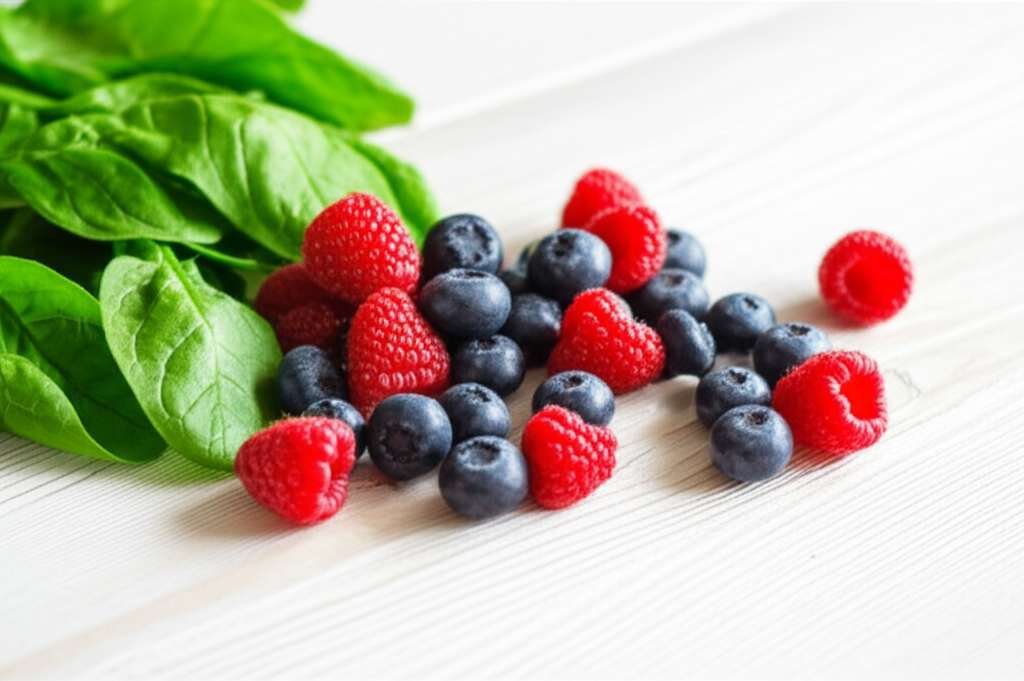
Burn Fat and Lose Fat: Amazing Results Now!
Get ready to finally burn fat and lose fat with simple, science-backed steps. This guide offers practical, affordable strategies for amazing results, making weight loss achievable and sustainable. We’ll break down the confusion and show you exactly what to do, starting today.

Feeling overwhelmed by weight loss? You’re not alone. It can feel like a confusing puzzle with so many different tips and tricks out there.
But what if it didn’t have to be so complicated? What if you could understand exactly what your body needs to burn fat effectively?
This guide is here to help. We’ll walk through easy, step-by-step methods that are proven to work, even if you’re just starting out.
Get ready to discover a clearer path to your weight loss goals and see those amazing results you’ve been hoping for!
Understanding the Basics of Fat Loss
Let’s start with the absolute core of losing fat. It all comes down to a simple concept: energy balance. Your body needs energy, or calories, to function every single day. You get this energy from the food you eat and drinks you consume.
When you eat more calories than your body uses, that extra energy gets stored, often as body fat. On the flip side, when your body uses more calories than you take in, it starts to tap into those stored fat reserves for energy. This is the fundamental principle behind burning fat and losing weight.
Think of it like a bank account. Calories in are like deposits, and calories out are like withdrawals. To “withdraw” from your fat stores, you need to create a consistent calorie deficit. This means your body needs to burn more calories than it takes in over a period of time.
The Calorie Deficit Explained
A calorie deficit is the key to seeing amazing results when you burn fat and lose fat. It’s not about starving yourself or cutting out entire food groups. Instead, it’s about creating a sustainable difference between the energy you consume and the energy you expend.
For example, if your body needs 2000 calories a day to maintain its current weight, eating 1700 calories would create a 300-calorie deficit. This deficit, over time, encourages your body to use stored fat for energy, leading to fat loss.
The size of your deficit matters. A small, consistent deficit (like 250-500 calories per day) is generally more sustainable and healthier than a very large one. This helps prevent muscle loss and keeps your metabolism running efficiently.
Metabolism: Your Internal Engine
Your metabolism is the sum of all the chemical processes in your body that convert food and drinks into energy. This includes everything from breathing and digesting food to physical activity. A faster metabolism burns more calories at rest and during activity.
Several factors influence your metabolism, including age, genetics, muscle mass, and activity levels. Building muscle is a fantastic way to boost your metabolism because muscle tissue burns more calories than fat tissue, even when you’re at rest.
When you’re trying to burn fat and lose fat, understanding your metabolism helps you tailor your approach. We can influence our metabolism through diet and exercise, making it work more effectively for us.
Practical Strategies to Burn Fat and Lose Fat
Now that we understand the basics, let’s dive into actionable steps you can take. These strategies are designed to be beginner-friendly and focus on creating that crucial calorie deficit in healthy, sustainable ways. We’ll look at both nutrition and activity.
Nutrition: Your Foundation for Fat Loss
What you eat plays a massive role in how effectively you burn fat and lose fat. Focusing on nutrient-dense foods helps you feel full, provides essential vitamins and minerals, and supports your body’s functions.
Prioritize Protein
Protein is a superstar for fat loss. It helps you feel full for longer, which can reduce overall calorie intake. Plus, your body uses more energy to digest protein compared to fats or carbohydrates.
Excellent sources of protein include:
- Lean meats (chicken breast, turkey)
- Fish (salmon, tuna)
- Eggs
- Legumes (beans, lentils)
- Tofu and tempeh
- Greek yogurt and cottage cheese
Aim to include a source of protein in every meal and snack. This is a simple yet powerful way to support your fat-burning goals.
Fill Up on Fiber-Rich Foods
Fiber is another key player. It adds bulk to your meals, helping you feel satisfied without adding many calories. Fiber also aids digestion and can help stabilize blood sugar levels, preventing energy crashes that lead to cravings.
Great sources of fiber include:
- Vegetables (broccoli, spinach, carrots, bell peppers)
- Fruits (berries, apples, pears)
- Whole grains (oats, quinoa, brown rice)
- Legumes (beans, lentils, chickpeas)
- Nuts and seeds
Make vegetables the star of your plate at lunch and dinner. This is an easy way to boost your fiber intake and get a wide range of nutrients.
Choose Healthy Fats
Fats are essential for hormone production and nutrient absorption, but not all fats are created equal. Focus on unsaturated fats, which are beneficial for heart health and can contribute to feeling full.
Good sources of healthy fats:
- Avocado
- Nuts (almonds, walnuts)
- Seeds (chia seeds, flaxseeds, sunflower seeds)
- Olive oil
- Fatty fish (salmon, mackerel)
Portion control is still important with healthy fats, as they are calorie-dense. A small handful of nuts or a quarter of an avocado is usually a good serving size.
Stay Hydrated with Water
Drinking enough water is crucial for overall health and can significantly aid fat loss. Sometimes, thirst can be mistaken for hunger, so staying hydrated can help manage your appetite. Water also helps your body process nutrients and eliminate waste.
Aim for at least 8 glasses (64 ounces) of water per day, and more if you’re active or in a warm climate. Carrying a reusable water bottle can be a great reminder to keep sipping throughout the day.
Limit Sugary Drinks and Processed Foods
These are often packed with “empty calories” – calories that provide little to no nutritional value. Sugary drinks, like soda and sweetened juices, contribute to calorie intake without making you feel full, leading to overconsumption and fat storage.
Processed foods, while convenient, are often high in unhealthy fats, added sugars, and sodium, while being low in fiber and essential nutrients. Reducing your intake of these items is a direct way to lower your calorie consumption and improve your overall health.
Exercise: Your Fat-Burning Ally
While diet is paramount for creating a calorie deficit, exercise is incredibly important for burning extra calories, building muscle, and improving your overall health. It complements your nutrition efforts to maximize fat loss.
Cardiovascular Exercise for Calorie Burning
Cardio, or aerobic exercise, is excellent for burning calories during the activity itself. It also has long-term benefits for your heart health and endurance.
Here are some beginner-friendly cardio options:
- Walking: Start with brisk walks for 30 minutes a few times a week. Gradually increase duration and intensity.
- Jogging/Running: If you’re up for it, jogging is a great calorie burner. Start slow and gradually build up your distance and speed.
- Cycling: Indoors or outdoors, cycling is a low-impact way to get your heart rate up.
- Swimming: A full-body workout that’s easy on the joints.
- Dancing: Fun and effective! Put on your favorite music and move.
Aim for at least 150 minutes of moderate-intensity cardio per week. This can be broken down into shorter sessions throughout the week.
Strength Training to Boost Metabolism
Don’t skip strength training! Building muscle mass is key to long-term fat loss because muscle burns more calories than fat, even at rest. This means a higher metabolism working for you 24/7.
Beginner-friendly strength exercises:
- Bodyweight squats
- Push-ups (can be done on knees)
- Lunges
- Plank
- Dumbbell rows (if you have access to dumbbells)
You can start with bodyweight exercises and gradually add weights as you get stronger. Aim to do strength training 2-3 times per week, allowing rest days for muscle recovery. The NHS offers great resources for home-based strength exercises.
The Power of High-Intensity Interval Training (HIIT)
Once you’ve built a base level of fitness, HIIT can be a very effective tool. It involves short bursts of intense exercise followed by brief recovery periods. HIIT can burn a lot of calories in a short amount of time and can continue to burn calories even after your workout is finished (the “afterburn effect”).
A simple HIIT example:
- Jumping jacks (30 seconds, maximum effort)
- Rest (30 seconds)
- High knees (30 seconds, maximum effort)
- Rest (30 seconds)
- Butt kicks (30 seconds, maximum effort)
- Rest (30 seconds)
Repeat this circuit 3-5 times. Start with once or twice a week and listen to your body.
Sample Weekly Plan for Beginners
Here’s a sample plan to help you visualize how to combine nutrition and exercise. Remember, this is a template; adjust it to fit your schedule, preferences, and fitness level.
Nutrition Focus Daily
Breakfast: Protein and fiber (e.g., scrambled eggs with spinach and whole-wheat toast, or Greek yogurt with berries and a sprinkle of nuts).
Lunch: Lean protein, plenty of vegetables, and a complex carbohydrate (e.g., grilled chicken salad with mixed greens and a small portion of quinoa, or lentil soup with a side salad).
Dinner: Similar to lunch – lean protein, a large serving of non-starchy vegetables, and a moderate portion of complex carbs (e.g., baked salmon with roasted broccoli and sweet potato, or lean ground turkey stir-fry with mixed vegetables and brown rice).
Snacks (if needed): Fruit, a small handful of nuts, a hard-boiled egg, or some veggie sticks with hummus.
Exercise Schedule Example
| Day | Activity | Focus | Notes |
| :——– | :—————————————————————————————————– | :—————————————- | :—————————————————————– |
| Monday | Brisk Walk (30-40 minutes) | Cardio | Focus on maintaining a steady pace where you can talk but not sing. |
| Tuesday | Full Body Strength Training (bodyweight exercises: squats, lunges, push-ups, plank) | Strength | 3 sets of 10-12 repetitions for each exercise. |
| Wednesday | Rest or Light Activity (e.g., gentle yoga, stretching, leisurely walk) | Recovery | Allow your body to recover and rebuild. |
| Thursday | Jogging/Cycling (30-40 minutes) | Cardio | Aim for a slightly higher intensity than Monday’s walk. |
| Friday | Full Body Strength Training (can use light dumbbells if available, or repeat Tuesday’s routine) | Strength | Focus on proper form. |
| Saturday | Longer Walk or Moderate Cardio (45-60 minutes) or Fun Activity (hiking, dancing, sports) | Cardio / Active Recovery | Enjoy moving your body! |
| Sunday | Rest or Light Activity (e.g., stretching, leisurely walk) | Recovery | Prepare for the week ahead. |
This is just one example. You can swap days around to suit your life. Consistency is more important than perfection.
Tracking Your Progress and Staying Motivated
Seeing results is a huge motivator, but it’s also important to celebrate non-scale victories. Weight loss isn’t always linear, and there will be ups and downs.
How to Track Progress Beyond the Scale
Measurements: Use a tape measure to track inches lost from your waist, hips, and thighs. Sometimes you lose inches before the scale budges.
How Your Clothes Fit: Notice if your favorite jeans are feeling looser or if you can button them more easily.
Energy Levels: Are you feeling more energetic throughout the day? This is a huge sign of progress!
Fitness Improvements: Can you walk further without getting tired? Can you do more reps of an exercise?
Photos: Take progress photos every 4-6 weeks in the same lighting and clothing. Sometimes seeing the changes is more powerful than seeing a number.
Journaling: Keep a food and exercise journal. This helps you stay accountable and identify patterns. You can also jot down how you feel each day.
Staying Motivated on Your Journey
Set Realistic Goals: Aim for gradual, sustainable weight loss (1-2 pounds per week is often recommended). This prevents burnout and discouragement.
Find Your “Why”: What’s your deep reason for wanting to lose fat? Is it for better health, more energy to play with kids, or increased confidence? Keep this reason at the forefront.
Celebrate Small Wins: Acknowledge and reward yourself for hitting milestones, like completing a week of workouts or sticking to your meal plan. Choose rewards that don’t involve food.
Build a Support System: Share your goals with friends or family, join an online community, or consider working with a coach. Knowing you have support can make a big difference.
Be Kind to Yourself: Everyone has off days. If you slip up, don’t beat yourself up. Acknowledge it, learn from it, and get back on track with your next meal or workout.
Make it Enjoyable: Find physical activities you genuinely enjoy. Experiment with new healthy recipes. When you enjoy the process, you’re more likely to stick with it.
FAQ: Your Beginner Questions Answered
Q1: How quickly can I expect to see results when I burn fat and lose fat?
Results vary from person to person, but with consistent effort in diet and exercise, many beginners notice changes within 2-4 weeks. These might be subtle at first, like feeling more energetic or clothes fitting better, before significant weight loss on the scale. Focus on consistent habits rather than rapid results.
Q2: I don’t have a gym membership, can I still burn fat and lose fat?
Absolutely! You can achieve amazing results with just your bodyweight, household items, or inexpensive resistance bands. Walking, jogging, home-based strength circuits, and bodyweight exercises are incredibly effective for fat loss. Many resources, like the CDC’s physical activity guidelines, highlight the benefits of regular movement regardless of location.
Q3: What if I can’t stick to a strict diet?
That’s perfectly normal! Strict diets are often hard to maintain long-term. Instead, focus on making sustainable, gradual changes. Prioritize whole foods, lean proteins, and plenty of vegetables. Instead of eliminating treats entirely, aim for moderation. Small, consistent improvements lead to long-term success.
Q4: Is it better to focus on cardio or strength training for fat loss?
Both are crucial and work best together! Cardio burns a lot of calories during your workout, while strength training builds muscle, which increases your metabolism to burn more calories 24/7. A balanced approach combining both will give you the best results for burning fat and losing fat.
Q5: How much water should I drink daily for fat loss?
A general guideline is about 8 glasses (64 ounces) per day. However, this can vary based on your activity level, climate, and individual needs. Drinking water can help you feel full, boost your metabolism slightly, and is essential for all bodily functions involved in fat burning.
Q6: I feel tired all the time, can I still lose fat?
Feeling tired can make any effort, including weight loss, feel impossible. Often, improving your diet with more nutrient-dense foods, staying hydrated, and getting adequate sleep can significantly boost your energy levels. As you start incorporating light exercise, your energy often increases. Don’t push yourself too hard initially; gradual changes are key.
Q7: Will I lose muscle if I try to burn fat and lose fat?
It’s possible to lose muscle if you create too large of a calorie deficit or don’t consume enough protein. However, by focusing on a moderate calorie deficit, ensuring adequate protein intake (aim for about 0.7-1 gram per pound of body weight), and incorporating strength training, you can minimize muscle loss and even build muscle while losing fat.
Conclusion: Your Path to Amazing Results
You now have a clear roadmap to start burning fat and losing fat effectively. Remember, weight loss is a journey, not a race. By focusing on creating a sustainable calorie deficit through smart nutrition and consistent movement, you’re building habits that will serve you for a lifetime.
Don’t get discouraged by perfection. Focus on progress. Every healthy meal you choose, every walk you take, and every strength exercise you do is a step in the right direction. Celebrate your victories, no matter how small, and be patient and kind to yourself throughout the process.
The strategies we’ve discussed are science-backed, practical, and designed for real life. You have the power to transform your body and your health. Start with one small change today, and build from there. You’ve got this, and amazing results are within your reach!
As an Amazon Associate, We earn from qualifying purchases. When you purchase a product through Amazon links on pulsefitguide.com, we may earn a small commission at no extra cost to you. This helps support the site and keep our content free.
