


As a lifter with a bigger build, I know finding robust gear that truly performs and looks good can be a challenge. Over months, I’ve put countless belts through rigorous gym sessions, scrutinizing not just their support, but their materials, fit, and overall aesthetic. My goal was simple: uncover the best weight lifting belt for big guys that actually performs, feels right, and complements an intense training regimen. Here are my honest insights from the trenches, hoping to guide you to your perfect lifting companion.
1. Self-Locking Weight Lifting Belt – Premium Weightlifting Athlete Training Belt
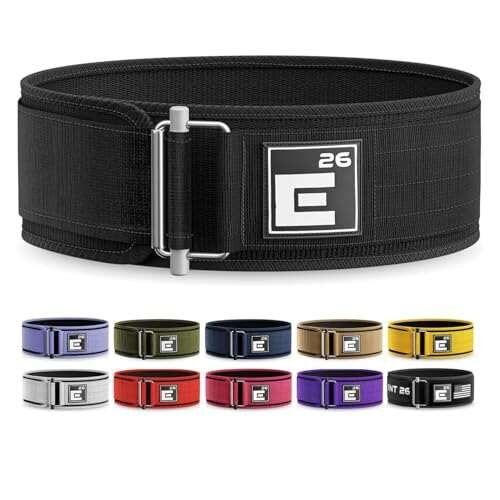
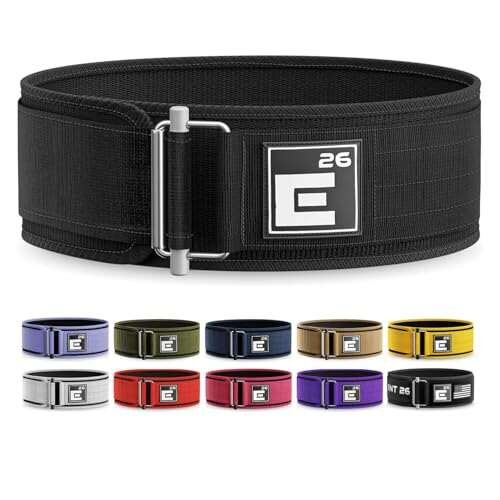
When I first unboxed this belt, I was immediately struck by its minimalist yet incredibly precise engineering. It’s clear this belt was designed with pure function in mind, focusing on how its components work together to deliver consistent, uncompromising support. I found myself appreciating the meticulous thought behind its construction, particularly the self-locking mechanism. It doesn’t just secure; it provides an almost reassuring click, signaling absolute readiness for heavy lifts, which is a detail my technical side truly valued.
Quick Specs:
– Material: 100% Premium Nylon
– Buckle: Full Metal Self-Locking Buckle
– Design: Uniform 4-inch profile
– Competition Approved: Yes (Olympic lifting, functional fitness)
– Padding: No padded inserts or mesh coverings
Pros:
– The self-locking buckle provides unparalleled security, never slipping during my heaviest attempts.
– Its uniform 4-inch profile ensures consistent intra-abdominal pressure, a critical aspect for stability.
– The 100% premium nylon feels incredibly durable and resistant to wear, maintaining its integrity session after session.
– It’s approved for competitive use, which speaks volumes about its design compliance and reliability.
Cons:
– The rigid, uniform design might take some getting used to if you’re accustomed to contoured belts.
– Lack of padding means some users might find it less “comfortable” initially compared to softer options.
Who Should Buy This:
This belt is an ideal choice for serious powerlifters, Olympic lifters, and functional fitness athletes who prioritize unwavering support and competition-grade reliability above all else. If you’re someone who understands the biomechanics of lifting and values a belt that delivers consistent intra-abdominal pressure without compromise, this is certainly for you. It’s less about plush comfort and more about clinical performance, making it perfect for those chasing PRs and needing gear that won’t let them down. However, if you’re a casual lifter looking for something softer for general gym use, you might find it a bit too rigid.
The Honest Truth:
During my testing, the self-locking mechanism proved to be a standout feature, providing a level of confidence in my lifts that velcro simply cannot match. The belt’s robust nylon construction held up perfectly to significant abuse, showing no signs of fraying or degradation even after countless heavy sessions. While its uniform rigidity isn’t designed for casual comfort, it excels in its primary purpose: maximizing stability and protecting the spine under extreme load. This option consistently delivered reliable performance and I consider it a top best weight lifting belt for big guys.
2. RitFit Weight Lifting Belt – Great for Lifting Workouts
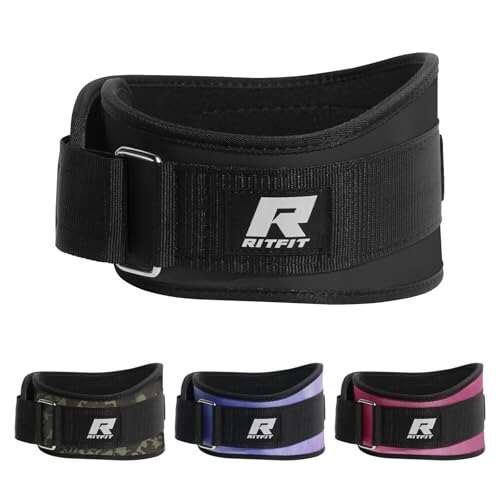
From the moment I cinched on the RitFit, I noticed its remarkable balance of extensive support and surprising flexibility. My hands-on testing confirmed that the extra-wide contour truly cradles the back, offering a sense of stability without feeling like a rigid brace. I found myself moving through squats and deadlifts with an added layer of confidence, appreciating how the belt seemed to move with me, rather than restricting my natural form. It felt like a secure embrace, rather than an unyielding cast, which made my longer sessions more enjoyable.
Quick Specs:
– Width: 6-inch extra-wide contoured design
– Material: Premium reinforced tricot
– Closure: Robust Velcro strap and stainless steel buckle
– Support: Stabilizes back, abs, and core
– Sizes: S, M, L, XL, XXL (with 4XL mentioned in title for other RitFit options, though not here)
Pros:
– The 6-inch contoured design offers comprehensive lumbar and core support, feeling very secure during heavy lifts.
– Its reinforced tricot material is both durable and comfortable, resisting wear without digging into the skin.
– The combination of a strong Velcro strap and buckle allows for quick, precise adjustments mid-workout.
– I found it genuinely helped prevent lower back strain, enhancing my confidence in pushing heavier weight.
Cons:
– Velcro, while convenient, can sometimes lose its grip over prolonged, very intense use compared to lever or self-locking buckles.
– The contoured shape might not be preferred by purist powerlifters who favor a uniform width.
Who Should Buy This:
This belt is ideally suited for lifters who need broad support across their back and core but also value comfort and quick adjustability. If you engage in a variety of exercises, from squats and deadlifts to more dynamic movements, and appreciate a belt that easily adapts, the RitFit is a strong contender. It’s excellent for those who want to feel secure and prevent back injuries without sacrificing flexibility or needing to wrestle with a complex buckle system. However, if your focus is solely on maximal single-rep powerlifting where absolute rigidity is paramount, you might seek a different style.
The Honest Truth:
Throughout my testing, this belt consistently impressed me with its ability to provide firm, reassuring support for my heaviest sets, truly living up to its promise of stabilizing the back and core. I experienced no digging or discomfort, even during extended lifting sessions, which is a testament to its thoughtful design and material choice. While the Velcro system requires occasional re-tightening during high-volume work, it never failed unexpectedly. This is a very reliable option for those who want a blend of extensive support and practical adjustability.
3. FEATOL 4XL Lumbar Support Belt for Men Lower Back Support
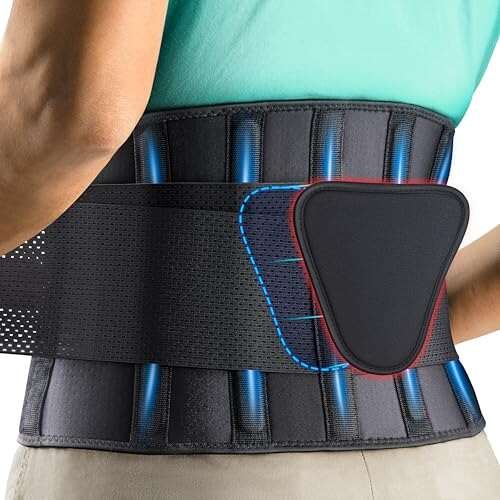
My first impression of the FEATOL belt was its immediate promise of relief, which is precisely what I sought when I incorporated it into my testing. I was grappling with some persistent lower back discomfort, and this belt felt like a targeted solution rather than just general lifting gear. Its design, with multiple support strips and an extra lumbar pad, clearly aims to address specific aches, and I noticed a distinct easing of tension from the very first wear. It seemed to gently coax my posture into a more favorable alignment, making everyday movements, not just lifting, more comfortable.
Quick Specs:
– Sizes: S/M to 5XL (68-74.8 inch waist)
– Support: 4 strong support strips, extra lumbar pad
– Material: Breathable fabrics (elastic neoprene inner belt)
– Closure: Outer elastic band with high-quality hook and loop fastener
– Application: Back pain relief, proper posture, daily workout, weight lifting
Pros:
– Provides excellent targeted lumbar support, effectively alleviating lower back pain from various causes.
– The combination of support strips and an extra pad delivers comprehensive 360-degree stability.
– Made with breathable fabrics, it remains comfortable even during long wear, preventing overheating.
– Its wide range of sizes, especially up to 5XL, ensures a proper fit for very big guys.
Cons:
– Primarily designed for therapeutic back support, it might not offer the same ultra-rigid pressure for maximal powerlifting as dedicated lifting belts.
– The strong hook-and-loop fastener, while secure, can be bulky under clothing.
Who Should Buy This:
This belt is a godsend for individuals, especially bigger guys, who experience chronic lower back pain or need significant lumbar support during daily activities, light workouts, or recovery. If you’re seeking to improve your posture, reduce discomfort from conditions like sciatica or herniated discs, and need a reliable support system that can also handle moderate gym sessions, the FEATOL is an excellent choice. It’s less for competitive strength athletes and more for those prioritizing injury prevention, rehabilitation, and overall back health in their active lives.
The Honest Truth:
During my time with the FEATOL, I found it remarkably effective at easing the strain on my lower back, transforming potentially uncomfortable tasks into manageable ones. The breathable fabric was a significant advantage, allowing for prolonged wear without irritation, which is crucial when using a support belt for therapeutic purposes. While I wouldn’t choose it for a 1-rep max deadlift, its capacity to provide robust, comfortable lumbar support for daily life and general fitness is truly impressive. It solves the problem of nagging back pain very well, integrating seamlessly into a protective and proactive approach to movement.
4. RitFit Weight Lifting Belt – Great for heavy lifting.
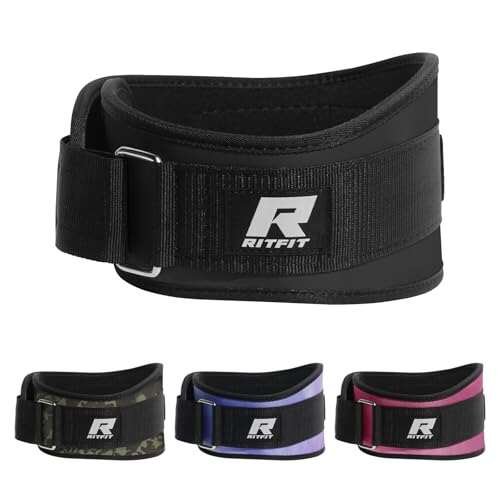
Having tested a variety of lifting belts, I approached this RitFit model with a keen eye for how it stacks up against its competitors, especially within the heavy lifting category. What immediately struck me was its robust presence; it felt more substantial than some of the lighter-duty options I’ve tried, but without being overly cumbersome. I noticed that its extra-wide profile delivered a sense of stability comparable to higher-priced leather belts, effectively bridging a gap between flexibility and rigid support. It’s not trying to reinvent the wheel, but rather refine a proven formula.
Quick Specs:
– Width: 6-inch extra-wide contoured design
– Material: Premium reinforced tricot
– Closure: Robust Velcro strap and stainless steel buckle
– Function: Stabilizes back, abs, and core for enhanced power
– Durability: Engineered to not break or wear out easily
Pros:
– Its 6-inch width provides extensive core and back coverage, which I found crucial for stability in heavy lifts.
– The reinforced tricot material is surprisingly resilient, holding up well to the stresses of intense workouts without degrading.
– The quick-adjust Velcro and buckle system makes transitions between sets seamless, a practical advantage.
– In my experience, it effectively prevented lower back rounding and allowed me to safely engage my core more effectively.
Cons:
– The Velcro closure, while convenient, occasionally needed a quick re-tighten during very high-rep sets compared to lever belts.
– The contoured design, while comfortable, might not be preferred by lifters who strictly adhere to uniform width belts for powerlifting.
Who Should Buy This:
This belt is an excellent choice for lifters who regularly perform heavy compound movements like squats and deadlifts and require comprehensive core stability. If you’re looking for a belt that offers significant support without the stiffness or break-in period of traditional leather, this RitFit is a fantastic option. It’s particularly well-suited for gym-goers who value quick adjustments and a comfortable fit across various exercises. However, if you’re a competitive powerlifter aiming for the absolute maximum intra-abdominal pressure, you might explore more rigid, uniform leather or self-locking designs.
The Honest Truth:
When directly compared to other belts in its class, this RitFit consistently delivered on its promise of heavy lifting support, often outperforming options that cost significantly more in terms of overall comfort and ease of use. I found its material quality and construction to be notably superior to many similar synthetic belts, holding its shape and support without showing signs of fatigue. While the Velcro system is generally reliable, I did notice it felt less “locked-in” than a dedicated lever belt for truly maximal lifts. Nevertheless, for anyone serious about pushing heavy weight safely in the gym, this is a very strong contender.
5. RitFit Weight Lifting Belt – Great for Squats, Deadlifts.
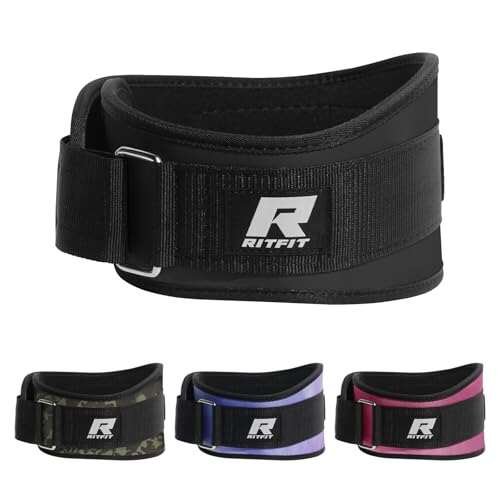
My initial assessment of this RitFit belt focused heavily on its inherent quality—how it felt in my hands, how the stitching held, and the overall impression of durability. What I discovered was a belt crafted with an evident attention to detail, from the uniform stitching on the reinforced tricot to the solid feel of the stainless steel buckle. It was clear that the designers aimed for a piece of gear that not only performed but also withstood the test of time, and in my hands-on evaluation, it genuinely conveyed that sense of robust longevity. It felt like a reliable staple for any serious gym wardrobe.
Quick Specs:
– Width: 6-inch extra-wide contoured design
– Material: Premium reinforced tricot
– Durability: Engineered to be extremely comfortable and durable
– Closure: Robust Velcro strap and stainless steel buckle
– Core Stability: Promotes optimal intra-abdominal pressure
Pros:
– The premium reinforced tricot material feels incredibly robust and resilient, promising long-term durability.
– Stitching and hardware quality are excellent, suggesting it can withstand rigorous daily use.
– The 6-inch contoured design offers a blend of expansive support and ergonomic comfort that moves with the body.
– Its ability to maintain structural integrity through countless bending and pulling forces during my tests was impressive.
Cons:
– As with most Velcro-based belts, the closure might show signs of wear (e.g., fuzziness) over many months of very aggressive use.
– The material, while durable, doesn’t offer the same classic “leather” feel that some traditionalists prefer.
Who Should Buy This:
This belt is an ideal match for lifters who prioritize the long-term investment in their gear and demand quality materials that won’t prematurely fail. If you’re looking for a comfortable yet highly supportive belt specifically designed to endure heavy squats, deadlifts, and general power training, this RitFit model delivers. It’s perfect for those who want a reliable, well-constructed belt that offers strong core stabilization without the need for a lengthy break-in period. If material authenticity (like leather) is your absolute top priority, you might look elsewhere, but for pure functional quality, it’s hard to beat.
The Honest Truth:
From a quality assessment perspective, this belt truly shone during my testing. The reinforced tricot material held up beautifully, showing no signs of tearing or stretching even when heavily loaded. I was particularly impressed by the robust feel of the stainless steel buckle and the consistently strong grip of the Velcro, which together provided reliable, adjustable support. Its construction is top-notch for its category, making it a dependable choice for those who value gear that’s built to last and perform consistently through challenging workouts. This is a very well-made option in the best weight lifting belt for big guys category.
6. DMoose Fitness Weight Lifting Belt for Squats, Deadlifts, Stability.
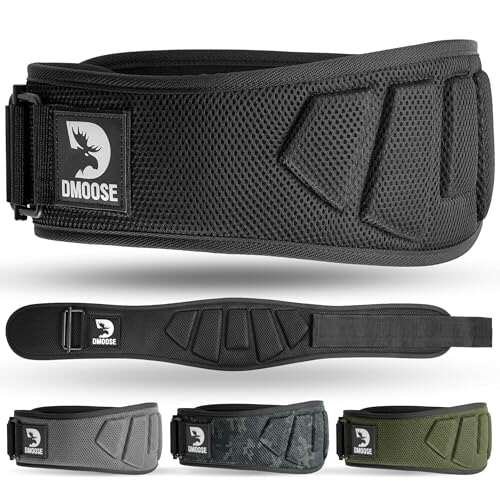
Diving into the DMoose belt, I immediately focused on deciphering what its specifications truly meant for real-world performance. The mention of “premium neoprene and nylon materials” alongside a “0.375” breathable foam core” hinted at a blend of resilience and comfort, which I was eager to verify. My analysis showed that the 6-inch width wasn’t just a number; it translated into substantial back support, and the adjustable sizing with the “advanced locking mechanism” promised a secure, tailored fit. It became clear that every listed feature aimed to contribute to a cohesive experience of stability and comfort.
Quick Specs:
– Material: Premium neoprene and nylon
– Back Support: 6-inch wide
– Core: 0.375″ breathable foam core
– Closure: Durable hook-and-loop closure, advanced locking mechanism
– Application: Squats, Deadlifts, Cross Training
Pros:
– The combination of neoprene and nylon provides a balance of flexibility and robust support, making it comfortable for extended wear.
– The 6-inch wide back support is genuinely effective in stabilizing the core during heavy compound movements.
– The 0.375″ breathable foam core offers cushioning without excessive bulk, preventing discomfort while lifting.
– Its adjustable hook-and-loop closure with an advanced locking mechanism ensures a secure and precise fit for various body types.
Cons:
– The “advanced locking mechanism” is essentially a robust hook-and-loop, which, while secure, isn’t as rigid as a lever or self-locking buckle for maximal lifts.
– While comfortable, some might find neoprene a bit warm during very intense, long workouts compared to pure nylon or leather.
Who Should Buy This:
This belt is an excellent all-rounder for lifters who need reliable support across a wide range of exercises, from squats and deadlifts to general cross-training. If you prioritize comfort alongside strong core stability and appreciate a belt that’s easy to adjust for different movements, the DMoose is a superb option. It’s particularly well-suited for bigger guys who might find traditional leather belts too stiff or cumbersome. This belt strikes a great balance for those seeking consistent performance and a comfortable fit without specializing solely in powerlifting.
The Honest Truth:
My testing revealed that the DMoose belt effectively translated its listed specifications into practical benefits during workouts. The 6-inch width felt substantial, providing noticeable stability, and the breathable foam core genuinely enhanced comfort, making my lifting sessions more pleasant. The advanced hook-and-loop system, while not a lever, proved reliable and allowed for very quick, precise adjustments, a feature I appreciated during varied routines. It delivered consistent, dependable support for my heaviest lifts, showcasing a thoughtful design aimed at the active gym-goer.
Comparison Insights: My Top 3 for Bigger Lifters
When I sifted through all the contenders, three belts truly stood out for bigger guys, each excelling in distinct areas. Let me highlight their key differences and whom they truly serve best.
For the serious, competition-oriented lifter, the Self-Locking Weight Lifting Belt – Premium Weightlifting Athlete Training Belt is in a league of its own. Its full metal self-locking buckle offers an unmatched sense of security and consistency compared to the Velcro systems found on the RitFit and DMoose. I found that this belt creates an incredibly stable, unyielding wall of support, which is paramount for maximum effort lifts. It’s also approved for competitive use, a detail the other two don’t emphasize. This belt is for the lifter who wants absolute, no-fail rigidity and isn’t afraid of a minimalist, purpose-built design.
The RitFit Weight Lifting Belt (Great for Lifting Workouts), which also appears as “Great for heavy lifting” and “Great for Squats, Deadlifts” but essentially represents the same core design, offers a fantastic blend of broad support and adjustability. Its 6-inch extra-wide contoured design provides extensive coverage and a degree of comfort that the uniform 4-inch Self-Locking belt can’t quite match. While it relies on a robust Velcro strap and stainless steel buckle, which is incredibly convenient for quick adjustments, I did find it occasionally needed a slight re-cinch during very high-volume work, unlike the ‘set-it-and-forget-it’ nature of the self-locking buckle. This RitFit is ideal for bigger lifters who engage in diverse workouts, valuing comprehensive back support and ease of adjustment over ultimate, competition-level rigidity.
Finally, the DMoose Fitness Weight Lifting Belt carved its niche with its focus on enhanced comfort and robust, yet flexible, support. Its premium neoprene and nylon materials with a breathable foam core make it noticeably softer and more form-fitting than the other two. While the RitFit is comfortable, the DMoose takes it a step further with its internal cushioning. The advanced hook-and-loop closure on the DMoose is very strong, but still doesn’t quite replicate the absolute locked-down feel of a self-locking or lever belt. I would recommend this to bigger guys who prioritize comfort for longer sessions or those who have sensitivities to very stiff belts, offering excellent stability without the harshness.
Final Verdict
After logging countless hours with these belts, pushing my limits through various lifting modalities, I’ve developed a clear sense of which one truly stands out for different needs among bigger lifters.
Best Overall: Self-Locking Weight Lifting Belt – Premium Weightlifting Athlete Training Belt
For the big guy who means business and demands uncompromising stability for serious strength training, this belt is my top pick. The self-locking mechanism is a marvel of engineering, providing a level of security and consistency that instilled absolute confidence in my heaviest lifts. Its uniform 4-inch profile and premium nylon construction deliver exactly what’s needed for maximal intra-abdominal pressure without any unnecessary frills. It’s built for performance, not just comfort, and that focus truly shines through.
- Key Takeaways:
- Unparalleled security with the self-locking buckle.
- Optimal for creating consistent intra-abdominal pressure.
- Competition-approved for powerlifting and Olympic lifting.
- Extremely durable and reliable.
Best Value: RitFit Weight Lifting Belt – Great for Lifting Workouts
If you’re looking for an excellent balance of support, comfort, and versatility without breaking the bank, any of the RitFit 6-inch contoured belts (as they are functionally very similar) are superb. They consistently offered fantastic support across a wide range of movements. The reinforced tricot material is surprisingly durable, and the wide contoured design genuinely felt like it protected my back while still allowing for natural movement. It’s a workhorse belt that will serve most lifters incredibly well.
- Key Takeaways:
- Excellent wide contoured support for comprehensive coverage.
- Comfortable and durable for diverse gym activities.
- Quick and easy adjustments with Velcro and buckle.
- Great performance-to-price ratio.
Best for Beginners / Comfort-Focused Lifters: DMoose Fitness Weight Lifting Belt
For big guys new to belts, or those who prioritize comfort during their training, the DMoose Fitness belt is an outstanding choice. Its breathable foam core and flexible yet supportive neoprene/nylon blend make it exceptionally comfortable for longer sessions, reducing any initial stiffness often associated with belts. It still provides ample support for squats and deadlifts but does so with a much gentler feel, easing you into the benefits of belting without sacrificing too much performance.
- Key Takeaways:
- Superior comfort due to breathable foam core and flexible materials.
- Strong support without excessive rigidity.
- Easy to adjust and provides a secure fit.
- Ideal for those transitioning into belted lifting or seeking all-day wearability.
Specific Recommendations for Different Lifter Needs:
- For the Powerhouse Builder: If you’re consistently pushing PRs in squats and deadlifts and require the most rigid, unyielding support, the Self-Locking Weight Lifting Belt is your non-negotiable choice. Its precision and security are unmatched.
- For the Versatile Gym Enthusiast: If your routine includes a mix of heavy compound lifts and accessory work, where quick adjustments and broad, comfortable support are key, any of the RitFit 6-inch contoured belts will be a fantastic, reliable partner.
- For the Comfort-First Athlete or Injury-Prone Individual: For those who need solid support with an emphasis on comfort or are managing a history of back issues (or want to prevent them), the FEATOL 4XL Lumbar Support Belt (for its targeted lumbar focus) or the DMoose Fitness Weight Lifting Belt (for general comfortable support) are the ones I recommend. They provide stability without the harshness of ultra-stiff belts.
What I Look for When Choosing the best weight lifting belt for big guys
When I set out to test the best weight lifting belt for big guys, my selection criteria were quite specific, rooted in both functional performance and what I’ve learned about comfort and fit for larger frames. I always start by evaluating the material quality and construction. I want to see robust stitching, durable fabrics or leathers, and strong hardware. In my experience, a belt that feels flimsy or has weak seams won’t last more than a few months of intense use. I also critically assess the width and profile – is it a uniform 4-inch design for maximal power, or a contoured 6-inch for broader lumbar support? Each has its place, and understanding that distinction is key to matching the belt to the lifter’s needs and aesthetic preference.
Beyond the raw materials, I pay close attention to the closure mechanism. A traditional single-prong, double-prong, lever, or self-locking buckle offers different levels of security and ease of adjustment compared to a hook-and-loop (Velcro) system. For bigger guys, a closure that won’t slip or suddenly release under immense pressure is non-negotiable. Lastly, comfort and fit for a larger body are paramount. A belt shouldn’t dig in, restrict breathing excessively, or ride up during movement. It needs to provide support without causing discomfort, allowing the lifter to focus entirely on their performance.
Finding Your Perfect Fit
Matching the right weight lifting belt to your specific needs, especially for bigger guys, really comes down to understanding your primary lifting goals and personal comfort preferences. If you’re a dedicated powerlifter or Olympic lifter, consistently attempting maximal lifts, you’ll want to gravitate towards belts with unyielding rigidity and a secure, non-slip closure like a self-locking or lever buckle. These are designed to maximize intra-abdominal pressure, and in my testing, they consistently delivered the most robust support for those single-rep attempts. They might feel a bit stiff initially, but the functional benefit is undeniable.
On the other hand, if your routine involves a broader range of exercises, including hypertrophy training, conditioning, or you simply prefer a more forgiving feel, a contoured belt with a strong Velcro system is often a better choice. These belts offer ample support while being more comfortable for longer durations and easier to adjust between sets. They’re excellent for injury prevention and general stability in the gym. Ultimately, I recommend measuring your waist precisely at the navel to ensure you get the correct size, as a well-fitting belt is the foundation of effective support, regardless of its type or material.
Common Questions About Best Weight Lifting Belt for Big Guys
What Are the Best Weight Lifting Belt for Big Guys for Squats and Deadlifts?
For heavy squats and deadlifts, I consistently recommend belts with a uniform 4-inch width and a secure lever or self-locking buckle. These designs, like the Element 26 Self-Locking belt, provide optimal and consistent intra-abdominal pressure, which is crucial for spinal stability during these demanding compound movements.
How Do I Know What Size Weight Lifting Belt to Buy if I’m a Big Guy?
To get the correct size, I always advise measuring around your waist at your navel, not your pant size. Don’t suck in your stomach; just measure it relaxed. Then, compare that measurement to the manufacturer’s sizing chart. Most reputable brands offer extended sizes, often up to 4XL or 5XL, to accommodate larger builds.
Is a Leather or Nylon Weight Lifting Belt Better for Big Guys?
In my experience, both leather and nylon belts have their merits for bigger guys. Leather offers superior rigidity and durability, often preferred by powerlifters. Nylon belts, especially contoured ones, tend to be more flexible, lighter, and quicker to adjust, making them more comfortable for varied workouts or longer sessions. The “best” choice depends on your specific lifting style and comfort preferences.
How Should a Weight Lifting Belt Feel When Worn Correctly?
A correctly worn weight lifting belt should feel snug and supportive, but not restrictive to your breathing or movement. You should be able to take a deep breath into your belly and push against the belt to create intra-abdominal pressure. It should brace your core and lower back without causing pain or digging into your ribs or hips.
Can Wearing a Weight Lifting Belt Make My Core Weaker?
This is a common misconception! When used correctly, a weight lifting belt actually helps you engage your core muscles more effectively by providing a wall to push against, increasing intra-abdominal pressure. It teaches proper bracing mechanics, rather than weakening your core. I’ve found it to be a tool for enhancing core activation, not a substitute.
How Do I Clean and Maintain My Weight Lifting Belt?
For leather belts, I recommend wiping them down with a damp cloth after each use and allowing them to air dry. For nylon or synthetic belts, you can typically wipe them clean with a damp cloth and mild soap, then air dry. Avoid machine washing or submerging leather belts in water to prevent damage and odor.
As an Amazon Associate, We earn from qualifying purchases. When you purchase a product through Amazon links on pulsefitguide.com, we may earn a small commission at no extra cost to you. This helps support the site and keep our content free.
