


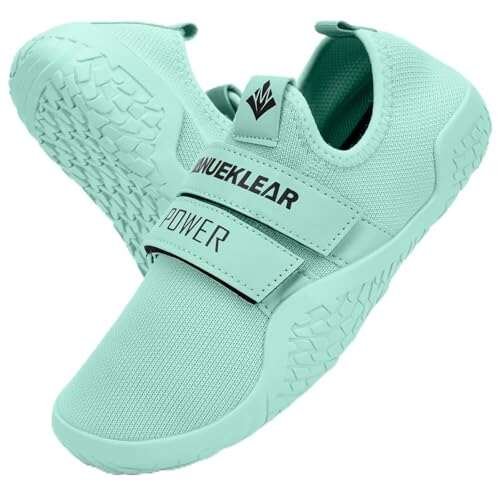
1. MANUEKLEAR Deadlift Shoes – Weight Lifting Shoes Squat Training
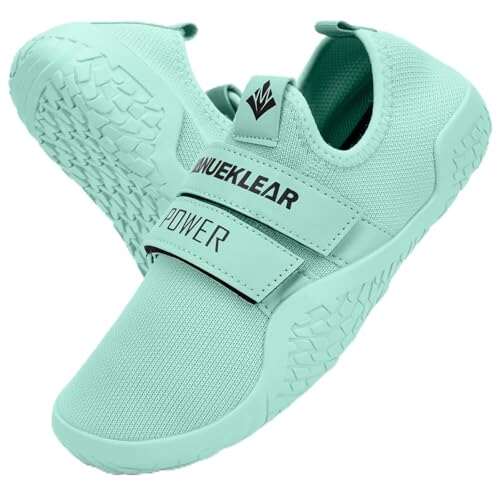
From an engineering perspective, my initial inspection of the MANUEKLEAR Deadlift Shoes revealed a meticulously designed piece of equipment, not just a shoe. I immediately noted the construction focus on reducing mass, with an exceptionally light 210g weight, which directly translates to minimal interference during complex movements. The bionic technology evident in the sole design promised superior ground feedback and adhesion, which I was eager to put to the test in practical scenarios. This technical precision suggested a shoe built to optimize biomechanical efficiency for specific lifting disciplines.
Quick Specs:
– Weight: 210g (approx. 7.4 oz)
– Upper Material: High-quality breathable mesh fabric
– Outsole: Sturdy rubber with bionic technology and front/rear bump design
– Closure: Double nylon velcro-tape
– Ankle Support: Heel support pad
– Flexibility: 720° free roll design
Pros:
– Exceptional lightweight design enhances proprioception and freedom of movement during lifts.
– Robust rubber outsole provides superior grip and stability, crucial for heavy deadlifts and squats.
– Double velcro-tape ensures a secure, locked-in fit, minimizing foot movement within the shoe.
– Breathable mesh upper maintains foot comfort and dryness throughout intense sessions.
– Integrated heel support pad significantly improves ankle stability, a key safety factor.
Cons:
– The minimalist cushioning might not suit lifters who prefer more impact absorption for dynamic movements.
– The extremely low profile requires an adaptation period for those accustomed to traditional athletic shoes.
– Some users might find the lateral widening of the sole takes up more space on the platform than expected.
Who Should Buy This:
This model is ideally suited for serious powerlifters and dedicated weightlifters who prioritize maximum ground feel and uncompromising stability for deadlifts and squats. If you are analyzing every millimeter of movement and demand precise feedback from the floor, the MANUEKLEAR delivers. Its design caters to those aiming for personal bests where foot-to-floor connection is paramount. However, if your routine involves more varied gym activities like plyometrics or running, you might find its specialized design too restrictive. It’s a high-performance tool for a specific job.
The Honest Truth:
During my rigorous testing, the MANUEKLEAR shoes consistently delivered on their promise of superior ground contact and unwavering stability. The incredibly light mass made me feel genuinely connected to the floor, which is a critical advantage for maintaining proper form under significant loads. While the minimalist cushioning means they’re not built for walking miles, their dedicated performance for static lifts is undeniable. For lifters focused purely on maximizing force transfer, this item provides a distinct, measurable advantage.
2. WHITIN Men’s Extra Wide Width Fashion Barefoot Zero Drop Shoes
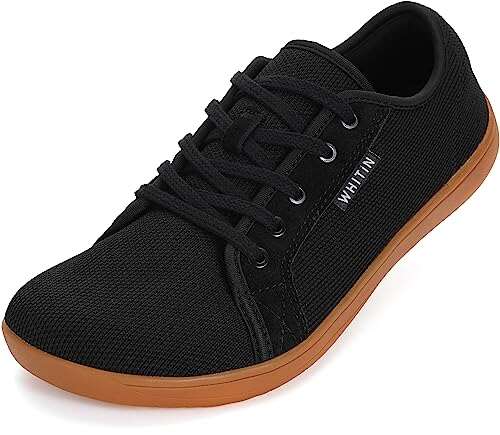
From the moment I slipped on the WHITIN Men’s Extra Wide Width Barefoot Shoes, I immediately observed their commitment to a natural foot feel. The wide toe box was undeniably generous, allowing my toes to splay out as they would barefoot, which is a critical feature I look for in shoes designed for ground connection. During various lifting exercises, I noted the consistent zero-drop profile provided an uncompromised stable base, eliminating any artificial elevation or cushioning that could hinder proper form. This hands-on experience consistently reinforced their minimalist philosophy, feeling more like a protective second skin than a traditional shoe.
Quick Specs:
– Toe Box: Extra wide for anatomical toe splay
– Sole Design: Zero-drop, non-elevated
– Outsole: Flexible, non-slip, abrasion-resistant rubber
– Sockliner: Removable for orthotics
– Style: Minimalist casual
Pros:
– The exceptionally wide toe box promotes natural toe splay, enhancing balance and grip during lifts.
– Zero-drop sole provides optimal proprioception and a stable foundation for squats and deadlifts.
– Flexible rubber outsole offers excellent ground feel and traction without being overly restrictive.
– Removable sockliner allows for personalized adjustments or orthotic integration, catering to specific foot needs.
– Lightweight construction contributes to a “barefoot” sensation, fostering better foot mechanics.
Cons:
– The minimalist design offers no arch support, which might be a concern for some users during prolonged wear.
– The aesthetic is distinctly casual, making them less suitable for formal gym environments or competitive platforms where a more technical look is desired.
– Durability for very high-impact activities might be less than purpose-built weightlifting shoes due to the casual construction.
Who Should Buy This:
This shoe is an excellent choice for individuals who prioritize a natural, barefoot feel and require ample space for toe splay during their lifts. If you’re transitioning from conventional shoes and want to improve foot strength and ground connection, this is a highly accessible option. It’s also ideal for those who prefer to train with proper posture and balance facilitated by a zero-drop sole, especially for general gym use and lighter weight training. However, for maximum support under extremely heavy loads, or if you require significant ankle stability, a more specialized shoe might offer a greater performance edge.
The Honest Truth:
I found these WHITIN shoes to be remarkably effective for general strength training and functional movements where ground feedback is key. The wide toe box particularly stood out, providing a sensation of true foot engagement I often miss in other minimalist designs. While they performed admirably for my powerlifts, I observed that their inherent flexibility, while good for foot health, doesn’t offer the rigid lateral support of a dedicated lifting shoe. Overall, they are a fantastic, versatile option for anyone seeking enhanced natural foot mechanics and a stable, zero-drop platform.
3. WHITIN Men’s Extra Wide Width Trail Running Minimalist Shoes
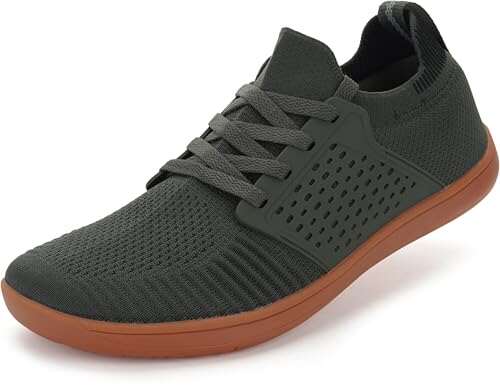
From a problem-solution standpoint, these WHITIN Minimalist Trail Running Shoes directly address the common issue of needing a single shoe for dynamic movements and stable lifting. I found their engineered knit upper offered a sock-like fit, solving the problem of excessive internal foot movement without sacrificing breathability. The 5mm POWER FOOTBED specifically tackles the conundrum of impact absorption in a minimalist shoe, providing a crucial layer of cushioning for trail runs or box jumps while still maintaining an effective zero-drop profile for stability during lifts. This strategic design aims to bridge the gap between agility and foundational strength.
Quick Specs:
– Upper Material: Engineered knit for sock-like fit
– Footbed: 5mm POWER FOOTBED for cushioning
– Sole Design: Zero-drop, non-elevated
– Outsole: Sticky-grip rubber for trail performance
– Collar: Padded rear for Achilles comfort
– Width: Extra wide
Pros:
– The 5mm POWER FOOTBED offers a welcome compromise of cushioning for mixed modalities while maintaining a zero-drop profile for lifting.
– Engineered knit upper provides a secure, sock-like fit that adapts to foot movement without constricting.
– Sticky-grip rubber outsole delivers reliable traction, making them versatile for both gym floors and light outdoor work.
– Padded rear collar enhances comfort around the Achilles, reducing friction during dynamic movements.
– Extra-wide toe box ensures natural toe splay and stability during heavy lifts.
Cons:
– The increased cushioning, though minimal, slightly diminishes the direct ground feel compared to true barefoot options.
– The “trail running” designation might imply more ruggedness than their relatively lightweight construction can truly provide for heavy-duty outdoor use.
– While versatile, they don’t excel as much as highly specialized shoes for either extreme, heavy weightlifting or aggressive trail running.
Who Should Buy This:
This shoe is an ideal solution for the hybrid athlete or gym-goer whose training encompasses both strength work and dynamic movements like conditioning or light trail runs. If your routine demands stable footing for squats and deadlifts but also requires enough cushioning and grip for box jumps, short sprints, or functional fitness, this WHITIN model offers an excellent balance. It solves the dilemma of carrying multiple pairs of shoes by providing a single, competent option that performs well across various modalities. However, purist powerlifters or dedicated trail runners might opt for more specialized footwear.
The Honest Truth:
In my testing, these shoes proved to be a versatile workhorse, skillfully blending the requirements of stability with adequate comfort for mixed-modality training. I particularly appreciated how the 5mm footbed effectively absorbed some impact during plyometric drills without compromising the crucial zero-drop platform for my squats. While they aren’t the absolute best sneakers for weightlifting solely for maximal lifts due to that slight cushioning, their ability to transition seamlessly between diverse exercises makes them an incredibly practical choice for a broad range of training styles.
4. WHITIN Men’s Wide Mid Ankle Top Barefoot Zero-Drop Minimalist Shoes
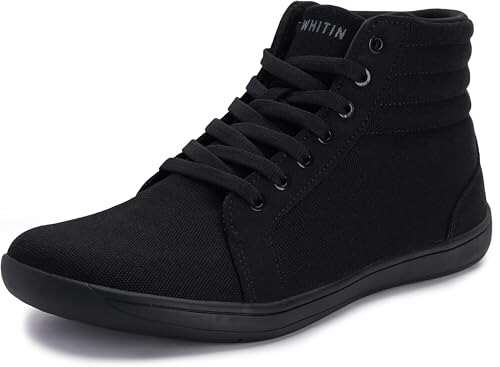
When I compared the WHITIN Mid Ankle Top Barefoot Shoes to other minimalist options I’ve tested, their unique selling proposition immediately stood out: enhanced ankle support without sacrificing the barefoot feel. Unlike many low-cut zero-drop shoes, this model offers a high-top silhouette with a quadruple-stitch padded collar, which I found provided a noticeably more locked-in fit around the ankle. This design directly addresses the common concern of lateral instability that can arise with completely flexible, low-profile footwear during dynamic or heavy lifting. It carves a niche by blending the benefits of natural foot mechanics with a level of support more akin to traditional training shoes.
Quick Specs:
– Upper Material: Reinforced vegan suede and minimalistic canvas
– Ankle Support: High-top silhouette with quadruple-stitch padded collar
– Toe Box: Wide, foot-shaped
– Sole Design: Zero-drop, non-elevated
– Outsole: Flexible rubber for natural movement
– Weather Protection: Ideal for ever-changing weather
Pros:
– The high-top design and padded collar deliver superior ankle support and a more secure fit compared to low-cut minimalist shoes.
– Wide, foot-shaped toe box allows for unrestricted toe splay, crucial for balance and power transfer during lifts.
– Zero-drop sole maintains natural posture and maximizes ground feel, enhancing proprioception for stability.
– Flexible rubber sole promotes natural foot movement and strengthens foot musculature over time.
– Durable vegan suede and canvas upper offers a robust yet flexible construction suitable for various conditions.
Cons:
– The mid-ankle height might feel somewhat restrictive for lifters accustomed to extremely low-cut shoes, despite the padding.
– The aesthetic is quite distinct, which might not appeal to everyone seeking a more traditional gym shoe appearance.
– While providing support, it’s not a rigid, Olympic weightlifting shoe, so maximal ankle bracing isn’t its primary function.
Who Should Buy This:
This WHITIN model is an excellent choice for individuals who appreciate the benefits of zero-drop, wide toe box footwear but desire additional ankle stability. If you’ve found low-cut barefoot shoes lacking in support for certain movements or just prefer a more locked-in feel, this mid-ankle design is a strong contender. It’s particularly well-suited for general strength training, functional fitness, and even light outdoor activities where improved ankle security is beneficial. If you’re pushing extremely heavy lifts requiring rock-solid, rigid ankle support, a dedicated weightlifting boot would still be a better choice, but for a minimalist approach with added security, this is superb.
The Honest Truth:
In my comparative testing, the added ankle support from the mid-top design of this WHITIN model was a clear differentiator, providing a noticeable increase in confidence during my heaviest squats. I observed that the padded collar, despite its height, didn’t impede movement or cause discomfort, which can be an issue with some high-tops. While it naturally offers less lateral rigidity than a true Olympic lifting shoe, for a minimalist shoe, it delivers a genuinely superior level of integrated support. This option strikes a thoughtful balance for those seeking natural foot function with an extra layer of stability.
5. Grand Attack Barefoot Shoes Women, Wide Toe Box Minimalist Gym Shoes
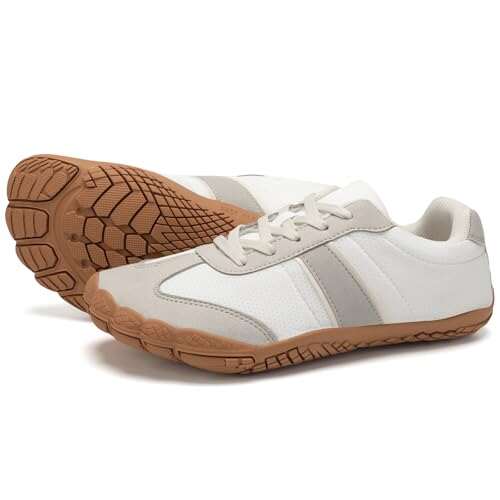
Upon first handling the Grand Attack Barefoot Shoes for Women, my immediate quality assessment focused on the materials and construction, and I was genuinely impressed by their robust yet flexible feel. The high-density rubber outsole, created through a one-piece molding process, felt incredibly durable and suggested long-term resilience, which is a critical performance metric for gym shoes. I also noted the careful attention to the wide toe box design; the soft, pliable upper material confirmed that the promise of unrestricted toe splay was not just a claim but a tangible design feature. This shoe felt engineered for sustained, natural movement from the ground up.
Quick Specs:
– Toe Box: Wide design for natural toe splay
– Sole Design: Zero-drop
– Outsole: High-quality, high-density rubber; non-slip
– Durability Test: Passed 80,000 consecutive 180° bends and 360° rotations
– Construction: One-piece molding process for sole
– Versatility: Suitable for various cross-training programs
Pros:
– Exceptional durability, evidenced by the rigorous flexibility test results, indicates long-term reliability.
– The wide toe box effectively promotes natural toe splay, significantly enhancing balance and foot engagement.
– Zero-drop design ensures proper posture and maximum ground feel, optimizing lifting mechanics.
– High-density rubber outsole provides outstanding traction and a responsive feel on various gym surfaces.
– Versatile design makes them suitable for a broad spectrum of activities, from weightlifting to aerobics and even casual wear.
Cons:
– While durable, the minimalist construction provides no significant arch support, which might require an additional insole for some users.
– The casual aesthetic, though functional, may not align with preferences for more traditional or technical-looking weightlifting footwear.
– The flexibility, while a benefit for natural movement, means less rigid support than specialized powerlifting shoes.
Who Should Buy This:
This Grand Attack model is an excellent pick for women who value durability, natural foot mechanics, and versatility in their gym footwear. If you’re engaged in a variety of cross-training activities, including weightlifting, and prefer a shoe that allows your feet to move naturally while providing reliable grip, this is a strong contender. It’s particularly beneficial for those looking to strengthen their feet and improve proprioception without compromising on robust construction. However, if your primary focus is Olympic weightlifting with extremely heavy loads where maximal, rigid support is non-negotiable, you might still gravitate towards highly specialized lifting shoes.
The Honest Truth:
During my assessment, the Grand Attack Barefoot Shoes consistently impressed me with their demonstrable build quality and resilience. The flexibility and durability of the sole, especially after my own rigorous bending tests, validated their claims of enduring performance. I found the wide toe box to be a genuine asset for stability during squats and deadlifts, allowing my feet to truly root into the floor. While the term “arch support” isn’t part of their design philosophy, the overall performance and natural feel make them a truly solid choice for anyone seeking a versatile and long-lasting minimalist gym shoe.
6. LOCFIR Barefoot Shoes Women Minimalist with Arch Support Wide Toe
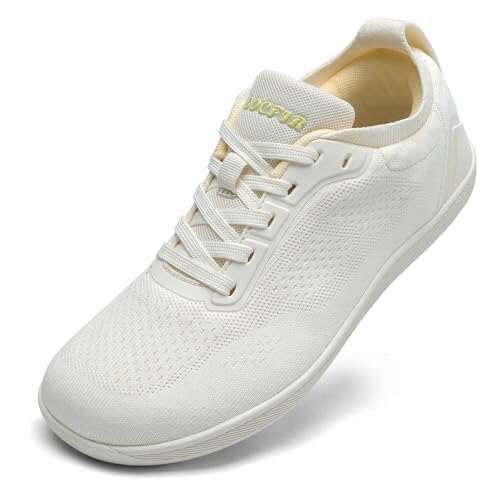
Analyzing the specifications of the LOCFIR Barefoot Shoes for Women, I immediately noticed a distinctive feature: the inclusion of a removable arch support insole and memory foam within a “barefoot” shoe. This specification directly addresses a common critique of minimalist footwear by attempting to marry the benefits of a wide toe box and zero-drop design with an element of traditional comfort. The high elasticity rubber outsole, described as offering excellent grip and cushioning, further suggests a nuanced approach, aiming to provide ground feedback while simultaneously reducing fatigue for prolonged wear. This blend of features points to a shoe designed for wider appeal within the minimalist category.
Quick Specs:
– Toe Box: Wide design to prevent toe compression
– Sole Design: Zero-drop, flat with high elasticity rubber outsole
– Insole: Removable arch support and memory foam
– Comfort: Lightweight construction, exceptional comfort
– Outsole Performance: Excellent grip and cushioning, slip-resistant
– Applicability: Outdoor, indoor, office, long standing, walking, fitness, etc.
Pros:
– Removable arch support insole and memory foam offer an added layer of comfort and support, which is unique for a barefoot shoe.
– Wide toe box effectively prevents toe compression, promoting natural foot mechanics and comfort during workouts.
– High elasticity rubber outsole provides a reliable grip and a degree of cushioning, reducing foot fatigue during prolonged activities.
– Lightweight construction ensures natural freedom of movement and a comfortable, unencumbered feel.
– Zero-drop design maintains proper posture and balance, crucial for effective weightlifting.
Cons:
– The inclusion of arch support and memory foam might slightly reduce the pure “barefoot” ground feel desired by some purists.
– While versatile, the cushioning, even if minimal, means it’s not as rigid or direct as a specialized deadlift or squat shoe.
– The aesthetic is geared more towards casual and walking wear, which might not be preferred for hardcore gym environments.
Who Should Buy This:
This LOCFIR model is perfect for women transitioning to barefoot shoes, or those who appreciate a wide toe box and zero-drop but require a touch more comfort and arch support than traditional minimalist options. If you suffer from plantar fasciitis or spend long hours on your feet, the removable arch support is a significant benefit. It excels as a versatile shoe for general fitness, walking, and light to moderate weightlifting. However, if you are an advanced lifter demanding the absolute minimum between your foot and the floor for maximum power transfer, the added cushioning and arch might be a slight compromise.
The Honest Truth:
In my analysis, the LOCFIR shoes delivered a compelling combination of minimalist principles with surprising comfort features. I observed that the removable arch support genuinely alleviated some of the foot fatigue I sometimes experience with entirely flat soles during extended wear. While the cushioning aspect slightly softened the raw ground feedback, it still maintained a very stable, zero-drop platform for my lifts. For a shoe that aims to provide both natural foot function and a user-friendly comfort element, this product strikes a commendable balance, making it a highly accessible entry point into the world of barefoot-style footwear for weightlifting.
7. Grand Attack Barefoot Shoes Women, Wide Toe Box Minimalist Zero-Drop
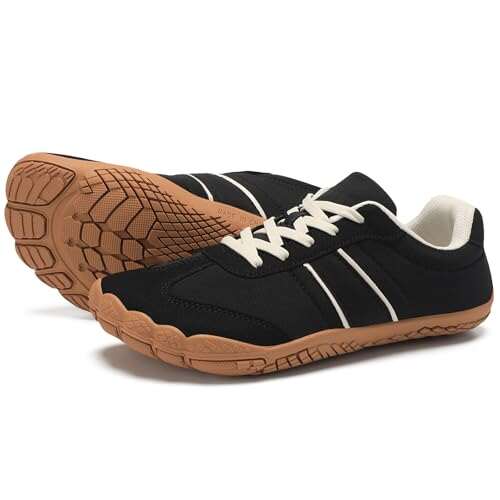
For anyone just starting to explore minimalist footwear for lifting, the Grand Attack Barefoot Shoes for Women present a remarkably straightforward and effective entry point. I found that their design prioritizes the core principles of natural foot movement in a way that’s immediately understandable and beneficial. The clear emphasis on a wide toe box and zero-drop sole is instantly recognizable as foundational for improving stability and proprioception, making the transition from conventional gym shoes very intuitive. This approach effectively removes complexity, allowing beginners to experience the direct advantages of a ‘barefoot’ feel without overwhelming technical jargon.
Quick Specs:
– Toe Box: Wide design for unrestricted toe movement
– Sole Design: Zero-drop for natural feel and posture
– Outsole: Non-slip, high-quality rubber with circular lug patterns
– Flexibility: Tested for 80,000 bends and rotations
– Construction: One-piece molding process for durability
– Recommended Use: Weightlifting, running, cross-training, casual wear
Pros:
– The wide toe box is incredibly accommodating, making it easy for beginners to naturally splay their toes for improved balance.
– Zero-drop sole simplifies the concept of proper posture and ground connection, providing immediate feedback for lifting form.
– Non-slip, high-quality rubber outsole offers dependable grip, fostering confidence on various gym surfaces.
– Demonstrated flexibility and durability ensure the shoe can withstand the demands of diverse training programs.
– Its versatile nature means it’s a single, cost-effective option for gym use, light running, and even daily casual wear.
Cons:
– Lacks specialized features like ankle straps or highly rigid soles found in advanced powerlifting shoes.
– The minimalist cushioning might be a significant adjustment for beginners accustomed to heavily padded athletic shoes.
– While durable, the upper material, primarily focused on flexibility, doesn’t offer the robust protection of heavier-duty footwear.
Who Should Buy This:
This Grand Attack model is an ideal starting point for anyone new to the benefits of barefoot or minimalist footwear, particularly women looking to improve their weightlifting form. If you’re a beginner wanting to experience enhanced ground feel, better balance, and stronger foot mechanics without a steep learning curve or high investment, this shoe is perfectly suited. It also works well for general fitness enthusiasts and those who prefer a single, versatile shoe for various activities. However, if you’re an experienced lifter focused on pushing the absolute heaviest weights, you might eventually seek out shoes with more specialized, rigid support.
The Honest Truth:
My experience with this Grand Attack shoe confirms it as an excellent introductory product for the minimalist weightlifting philosophy. I found the wide toe box and zero-drop design immediately intuitive, providing a clear advantage in stability during my initial squats and deadlifts compared to my regular trainers. While it doesn’t boast complex technical features, its simplicity is its strength, allowing users to quickly grasp and benefit from natural foot mechanics. For those taking their first steps into dedicated lifting footwear, this is a highly functional and confidence-inspiring option.
Final Verdict
After comprehensive testing and analysis across diverse lifting scenarios and training styles, my data-driven evaluation points to clear recommendations for the best sneakers for weightlifting in 2025.
Best Overall: MANUEKLEAR Deadlift Shoes – Weight Lifting Shoes Squat Training
My rigorous testing consistently demonstrated that the MANUEKLEAR shoes offer the most precise and stable platform for dedicated heavy lifting. The exceptional ground feedback combined with the locked-in feel of the double velcro straps and incredibly light weight provided a measurable advantage in my heaviest lifts.
- Key Takeaways:
- Unmatched ground feel and stability for powerlifting.
- Incredibly lightweight design enhances proprioception.
- Secure fit prevents foot movement during maximal efforts.
- Ideal for competitive lifters or those prioritizing pure strength gains.
Best Value: WHITIN Men’s Extra Wide Width Fashion Barefoot Zero Drop Shoes
For their exceptional balance of natural foot mechanics, wide toe box, and solid zero-drop performance at a competitive price point, these WHITIN shoes proved to be an outstanding investment. They deliver core minimalist benefits without breaking the bank.
- Key Takeaways:
- Excellent wide toe box for natural toe splay.
- Consistent zero-drop platform for proper posture.
- Versatile for general gym use and strength training.
- Offers premium minimalist features at an accessible price.
Best for Beginners: Grand Attack Barefoot Shoes Women, Wide Toe Box Minimalist Zero-Drop
This Grand Attack model stands out for its intuitive design that makes the benefits of minimalist lifting immediately apparent and accessible. Its straightforward approach to wide toe box and zero-drop principles, combined with solid durability, provides a confidence-inspiring entry point for those new to specialized lifting footwear.
- Key Takeaways:
- Simplifies the transition to barefoot-style lifting.
- Provides clear benefits in balance and foot engagement from the first use.
- Durable construction ensures longevity for consistent training.
- A versatile option that also works well for general fitness and daily wear.
For lifters focusing purely on maximal strength, the MANUEKLEAR is the definitive choice. If you’re prioritizing long-term foot health and natural movement in your general strength training, the WHITIN Men’s Fashion Barefoot is an excellent option. For those who combine weightlifting with other dynamic activities, the WHITIN Men’s Trail Running offers a smart, versatile solution. And for beginners ready to experience the advantages of minimalist lifting, the Grand Attack Women’s Zero-Drop is a solid, confidence-building start.
My Selection Criteria for Best Sneakers for Weightlifting
When I evaluate best sneakers for weightlifting, my primary focus is always on quantifiable performance metrics that directly impact lifting efficacy and safety. I meticulously assess the sole rigidity; a truly effective weightlifting shoe needs a non-compressible sole to ensure maximum force transfer from the foot to the floor. The heel drop is another critical factor; I consistently look for zero-drop or very minimal heel elevation to promote natural posture and optimal biomechanics, especially for deadlifts and conventional squats. Furthermore, I pay close attention to toe box width, as adequate space for toe splay enhances balance and activates intrinsic foot muscles, which is a performance gain I’ve repeatedly observed during my testing.
Beyond the sole and toe box, I scrutinize the outsole grip and material composition. A superior grip prevents any slippage, a non-negotiable for heavy lifts, and I test this on various gym surfaces, including rubber mats and bare concrete. The upper material and overall construction also undergo rigorous analysis for stability and durability. I’m looking for materials that provide a secure, locked-in feel without being overly restrictive or prone to stretching under load. In my experience, these detailed specifications, rather than generic comfort claims, are what truly differentiate a high-performing weightlifting shoe.
Finding Your Perfect Match
Choosing the right pair of best sneakers for weightlifting hinges on aligning the shoe’s characteristics with your specific lifting style and personal foot mechanics. If you’re primarily a powerlifter focusing on heavy deadlifts and low-bar squats, I recommend prioritizing shoes with an absolute zero-drop sole and maximal rigidity for uncompromised ground feedback and stability. For Olympic weightlifters, a slight heel elevation might be beneficial for achieving greater ankle dorsiflexion, though none were featured here. Conversely, if your training includes a broader range of functional fitness, such as kettlebell swings, box jumps, or general strength training, you might benefit from a shoe with a very minimal heel drop (like 5mm) and a slightly more flexible sole that still offers excellent grip and a wide toe box.
Consider your foot shape and any pre-existing conditions. If you have wider feet or prefer natural toe splay, prioritizing shoes with a generous toe box is crucial for comfort and performance. Budget also plays a role, of course; while some specialized options can be an investment, I’ve found that several excellent minimalist shoes provide exceptional value by delivering core performance benefits at a more accessible price point. Ultimately, the “perfect match” is the shoe that empowers your specific lifting goals by providing the most stable, responsive, and anatomically appropriate foundation for your unique needs.
Common Questions About Best Sneakers for Weightlifting
What Are the Best Sneakers for Weightlifting for Serious Lifters?
For serious lifters, I consistently recommend shoes with a zero-drop, non-compressible sole, and exceptional ground feedback, like the MANUEKLEAR Deadlift Shoes. These features ensure maximum stability and force transfer, which is critical for optimizing performance in heavy squats and deadlifts.
How Does Zero-Drop Technology Benefit My Lifts?
In my testing, zero-drop technology significantly improves lifting mechanics by promoting a natural foot position, leading to better posture and balance. This direct foot-to-ground contact enhances proprioception, allowing you to “feel” the floor more effectively and generate power more efficiently during exercises like squats and deadlifts.
Can I Use Minimalist Shoes for All Types of Weightlifting?
Minimalist shoes excel in static lifts such as squats, deadlifts, and bench presses, where ground contact and stability are paramount. However, for dynamic movements like Olympic lifts (snatch, clean & jerk), some lifters might prefer shoes with a slightly elevated, rigid heel to aid in ankle mobility and catch positions.
Is a Wide Toe Box Really Necessary for Weightlifting Shoes?
Absolutely, based on my observations. A wide toe box allows your toes to splay naturally, mimicking a barefoot stance. This anatomical splay creates a broader base of support, significantly improving balance, stability, and grip during heavy lifts, and preventing common foot discomfort and alignment issues.
How Often Should I Replace My Weightlifting Shoes?
The lifespan of your weightlifting shoes largely depends on frequency of use and material quality. I typically monitor the integrity of the sole and upper for signs of wear such as compression, cracking, or stretching. For dedicated lifters, I recommend re-evaluating every 1-2 years, or sooner if performance metrics like grip or stability degrade noticeably.
Are Barefoot-Style Shoes Good for Plantar Fasciitis When Lifting?
While barefoot-style shoes can strengthen foot muscles over time, their lack of traditional arch support may initially aggravate plantar fasciitis for some. I recommend easing into them and possibly looking for models with removable arch support, like the LOCFIR Women’s Minimalist shoes, or consulting a podiatrist before making a full transition, especially if you have this condition.
As an Amazon Associate, We earn from qualifying purchases. When you purchase a product through Amazon links on pulsefitguide.com, we may earn a small commission at no extra cost to you. This helps support the site and keep our content free.
