

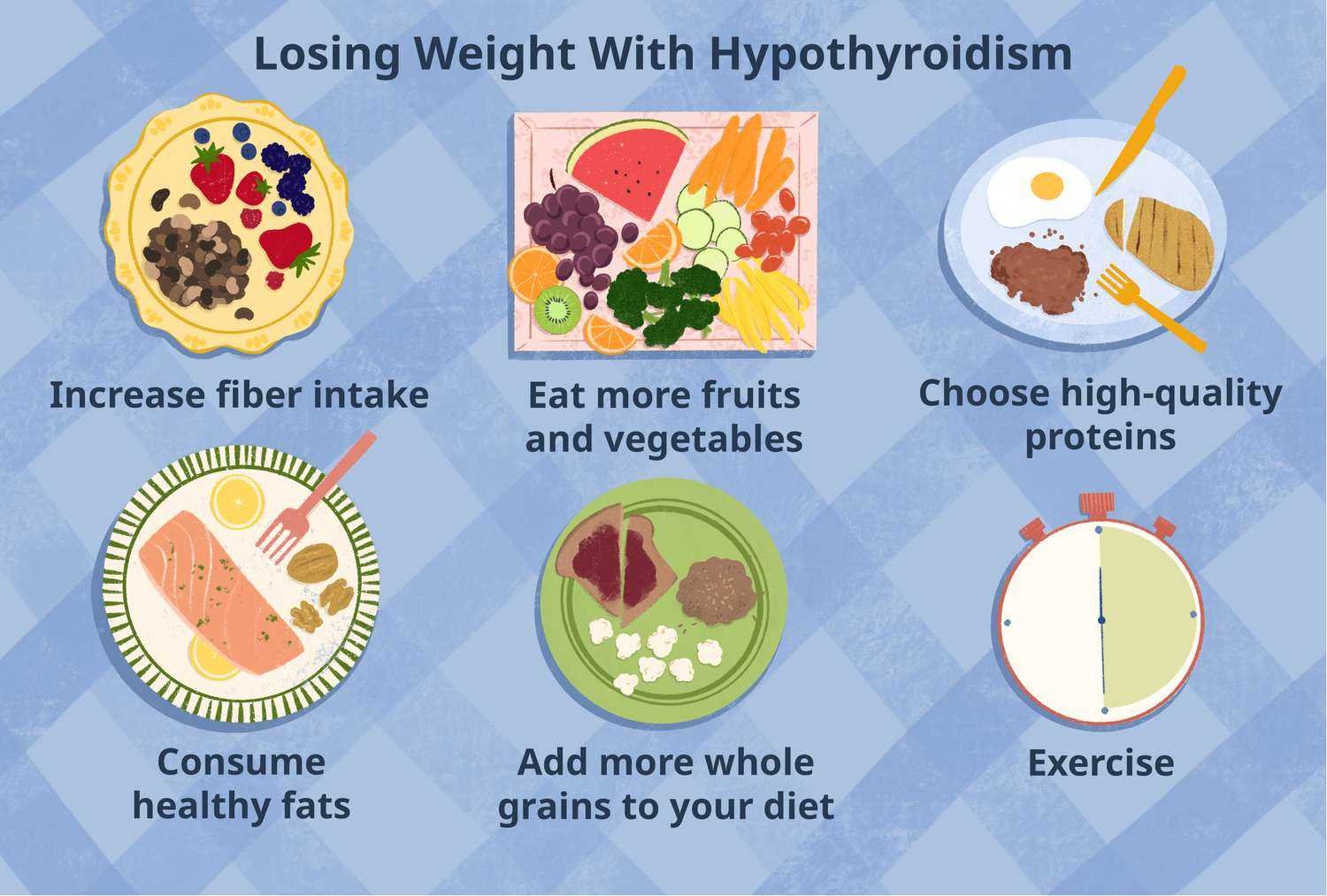
A sustainable, balanced meal plan is the key to long-term weight loss success. The best plan combines nutritious, satisfying foods with manageable portions, making it easier to stick with over time without feeling deprived. Consistency and flexibility are essential, allowing you to enjoy your favorite foods while gradually reaching your goals.
In summary, the most effective long-term meal plan for weight loss emphasizes whole foods, portion control, and variety, fostering healthy habits that can be maintained for years. It’s not about quick fixes but building a lifestyle that promotes gradual, steady weight loss while nourishing your body.
Losing weight permanently can seem daunting, but choosing the right long-term meal plan makes all the difference. Instead of crash diets or restrictive regimens, focus on developing a sustainable approach that fits your lifestyle. By incorporating nutrient-dense foods, balancing macronutrients, and allowing occasional treats, you can create a plan that keeps you motivated and on track. The goal is to adopt habits that you enjoy and can maintain comfortably, ensuring that weight loss becomes a natural part of your everyday life. Remember, patience and consistency are your best friends on this journey to a healthier you.

Best Long Term Meal Plan for Weight Loss
Understanding the Importance of a Long-Term Meal Strategy
A long-term meal plan helps you stay committed to your weight loss goals. Unlike quick-fix diets, it promotes sustainable habits that fit into your daily life. Consistency is key to losing weight and keeping it off over time.
Balancing Nutrients for Optimal Results
Your meal plan should include a good mix of proteins, carbohydrates, fats, vitamins, and minerals. This balance ensures your body gets what it needs to function well without excess calories. Focus on nutrient-dense foods that keep you full longer.
Proteins: Building Blocks of a Healthy Diet
Protein-rich foods like lean meats, fish, eggs, beans, and dairy help preserve muscle mass during weight loss. They also boost satiety, reducing the urge to snack unnecessarily. Incorporate protein at every meal for steady energy.
Carbohydrates: Fuel for Your Body
Choose complex carbs such as whole grains, legumes, vegetables, and fruits over refined sugars. Complex carbs provide lasting energy and help regulate blood sugar levels. They are also rich in fiber, aiding digestion and making you feel full.
Healthy Fats: Essential for Overall Health
Include sources of healthy fats like avocados, nuts, seeds, and olive oil. Fats support cell health and help your body absorb vital nutrients. Despite their calorie density, they are crucial in a balanced meal plan.
Meal Timing and Portion Control
Eating at regular intervals prevents overeating and stabilizes blood sugar. Pay attention to portion sizes to avoid consuming too many calories. Using smaller plates and measuring servings can help you stay on track.
Structured Eating Schedule
Plan to eat three main meals daily with optional healthy snacks. Regular meal times help regulate hunger hormones and reduce binge urges. Avoid skipping meals to maintain energy levels and prevent overeating later.
Portion Size Tips
Use visual cues, such as filling half your plate with vegetables, a quarter with lean protein, and a quarter with whole grains. Keep snack portions small, roughly the size of your palm or a cupped hand. This approach simplifies calorie control.
Sample Long-Term Meal Plan Framework
Creating a flexible yet structured plan helps sustain your efforts. The framework should include varied and flavorful meals to prevent boredom. Here’s an example structure to inspire your personalized plan:
| Meal | Food Options |
|---|---|
| Breakfast |
|
| Lunch |
|
| Dinner |
|
| Snacks |
|
Incorporating Flexibility and Variety
A successful long-term plan offers flexibility to prevent boredom. Rotate different proteins, grains, and vegetables weekly. This variety guarantees a spectrum of nutrients and keeps mealtimes exciting.
Meal Prep and Planning
Prepare meals in advance to avoid impulsive eating. Batch cooking saves time and helps control portion sizes. Use weekly grocery lists aligned with your meal plan to stay organized.
Seasonal and Local Foods
Opt for seasonal produce and local items for freshness and affordability. These foods often have better flavor and nutrient content. Adjust your meal plan based on what’s available in your region.
Managing Cravings and Emotional Eating
Cravings are normal, but controlling them is essential for long-term success. Practice mindful eating by paying attention to hunger cues and eating slowly. Find healthy alternatives for comfort foods, such as fruit or nuts.
Healthy Snack Ideas
Keep nutrient-rich snacks handy to curb cravings. Examples include cottage cheese, boiled eggs, or a small handful of trail mix. Having healthy options reduces the temptation of vending machine treats.
Developing Mindful Eating Habits
Eat without distractions like TV or smartphones. Chew slowly and savor each bite to enhance satisfaction. This approach helps you recognize fullness cues and prevent overeating.
Monitoring Progress and Adjustments
Track your progress through regular weigh-ins and measurements. Adjust your meal plan as needed to continue making steady progress. Remember, long-term success depends on adaptability and patience.
Keeping a Food Journal
Record what you eat and how you feel. Journaling increases awareness of eating patterns and helps identify areas for improvement. Use apps or traditional notebooks according to your preference.
When to Reassess Your Meal Plan
Reevaluate your plan every few months or if you hit a plateau. Small tweaks, such as increasing fiber intake or reducing portion sizes, can make a difference. Stay flexible and focus on sustainable habits.
Supporting Your Long-Term Meal Plan with Lifestyle Changes
Pair your meal plan with regular physical activity, adequate sleep, and stress management. These elements reinforce your weight loss efforts and promote overall well-being.
Exercise and Nutrition
Combine your healthy eating with physical activity like walking, cycling, or yoga. Exercise helps burn calories and boosts metabolism naturally.
Sleep and Stress
Aim for quality sleep each night, as poor sleep can increase hunger hormones. Manage stress through mindfulness or hobbies to prevent emotional eating.
Summary of Key Principles for a Long-Term Meal Plan
- Focus on nutrient-dense foods with a good balance of proteins, carbs, and fats
- Control meal portions and eat at regular intervals
- Make meals flavorful and varied to prevent boredom
- Prepare meals ahead and include seasonal foods
- Practice mindful eating and manage cravings
- Track progress and stay adaptable
Creating a *best long-term meal plan for weight loss* involves consistency, variety, and mindfulness. It’s about making small, sustainable changes that fit your lifestyle and support your health goals. With patience and dedication, this approach can lead to lasting results and better well-being.
Frequently Asked Questions
What are some key principles to follow for a sustainable long-term meal plan aimed at weight loss?
Focus on creating a balanced diet that includes a variety of nutrient-rich foods from all food groups. Incorporate plenty of vegetables, lean proteins, whole grains, and healthy fats. Avoid restrictive eating patterns that are difficult to maintain over time. Additionally, practice portion control and stay consistent with your meal timing to develop healthy habits that support gradual weight loss and long-term adherence.
How can meal planning help maintain motivation during a weight loss journey?
Meal planning reduces the chances of making impulsive, unhealthy choices by providing structured options ahead of time. It also saves time and reduces stress around meal decisions. When you prepare meals in advance that align with your goals, it becomes easier to stay on track and see consistent progress, which boosts motivation over the long run.
What role does flexibility play in a successful long-term weight loss meal plan?
Flexibility allows you to enjoy a variety of foods without feeling deprived, which is essential for sustainability. Incorporate occasional treats and adapt your meal plan to fit social occasions or personal preferences. This approach helps prevent feelings of restriction and makes it easier to stick to your plan for an extended period.
How important is variety in a long-term meal plan for weight management?
Including a wide range of foods ensures you get a broad spectrum of nutrients necessary for overall health. Variety also keeps meals interesting, preventing boredom and reducing the likelihood of abandoning your plan. Changing up your meals regularly encourages consistency and supports your weight loss objectives over time.
Can incorporating regular physical activity enhance the effectiveness of a long-term meal plan?
Yes, combining a nutritious meal plan with consistent exercise amplifies weight loss efforts and improves overall health. Physical activity helps burn calories, builds muscle mass, and boosts metabolism. It also encourages healthier lifestyle habits, making it easier to sustain your meal plan and achieve your long-term goals.
Final Thoughts
The best long term meal plan for weight loss combines balanced nutrition with sustainable habits. Focus on whole foods, portion control, and regular meal times to maintain steady energy. Incorporate a variety of fruits, vegetables, lean proteins, and healthy fats to promote satiety.
Consistency is key; avoid strict restrictions that are hard to maintain over time. Adapt your plan to fit your lifestyle and preferences for lasting success. A well-structured approach ensures long-term weight management and overall health.
As an Amazon Associate, We earn from qualifying purchases. When you purchase a product through Amazon links on pulsefitguide.com, we may earn a small commission at no extra cost to you. This helps support the site and keep our content free.