


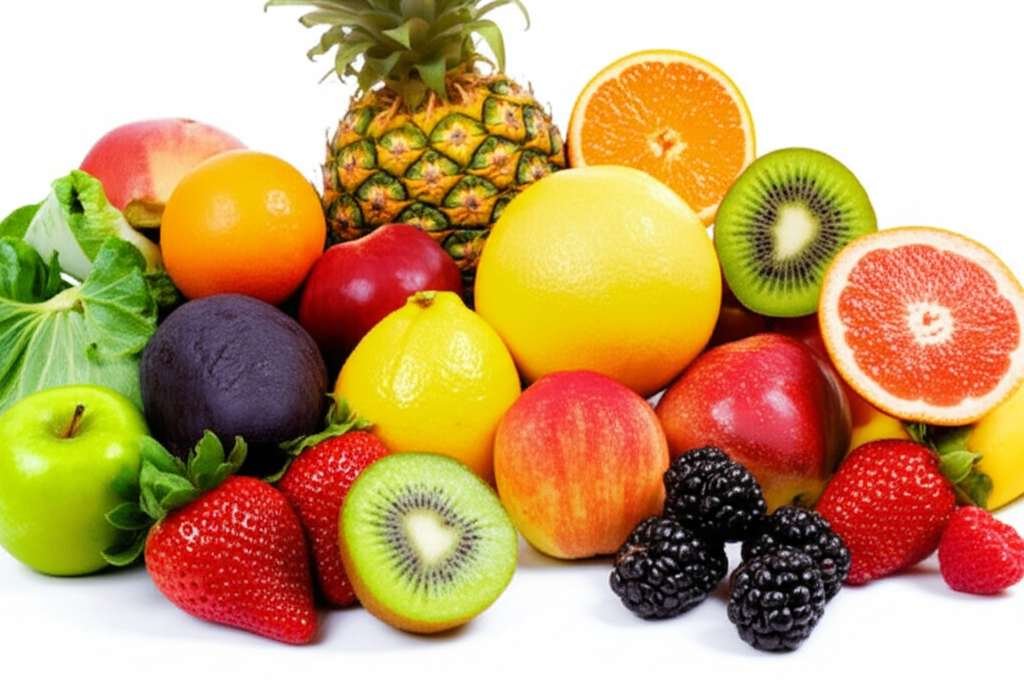
The best fruits for weight loss and muscle gain offer natural sweetness, essential nutrients, and fiber without excessive calories. Incorporating them strategically supports fat burning and muscle repair, making them a vital part of a healthy diet for both goals.
Feeling confused about what to eat when you want to lose weight and build muscle? You’re not alone! Many people think fruits are off-limits, but that couldn’t be further from the truth. Fruits are packed with amazing benefits that can actually help you reach your fitness goals.
They are nature’s candy, full of vitamins, minerals, and fiber that keep you feeling full and energized. We’ll break down exactly which fruits are your best allies and how to use them to your advantage.
Get ready to discover how simple and delicious achieving your weight loss and muscle gain dreams can be!
Why Fruits Are Your Secret Weapon
When you’re trying to shed pounds and build lean muscle, your diet is key. You need foods that provide energy for workouts, help your muscles recover, and keep you satisfied so you don’t overeat. This is where fruits shine!
Fruits are naturally low in calories but high in volume, thanks to their water and fiber content. This means you can eat a good amount and feel full, which is a huge win for weight loss. Plus, they provide essential vitamins and antioxidants that support overall health and recovery.
Think of fruits as your delicious, natural power-ups. They fuel your body without derailing your progress, making them an indispensable part of any fitness journey.
Fruits for Weight Loss: How They Help
Losing weight often comes down to creating a calorie deficit – burning more calories than you consume. Fruits can be incredibly helpful in achieving this without making you feel deprived.
Their high water content means you’re consuming a lot of volume for fewer calories. This is often referred to as “low energy density.” For example, a large bowl of watermelon has fewer calories than a small candy bar, but it’s much more filling.
The fiber in fruits is another superhero. Fiber slows down digestion, which helps you feel fuller for longer. This means fewer cravings and less snacking on less healthy options between meals. It also helps regulate blood sugar, preventing those energy crashes that can lead to reaching for sugary snacks.
Furthermore, the natural sugars in whole fruits are released more slowly into your bloodstream compared to processed sugars, providing sustained energy for your day and workouts.
The Best Fruits for Weight Loss
While most fruits are beneficial, some stand out for their weight-loss-friendly properties. These are generally lower in sugar and higher in fiber and water.
Berries: The Antioxidant Powerhouses
Strawberries, blueberries, raspberries, and blackberries are nutritional superstars. They are low in calories and sugar but loaded with fiber and antioxidants.
- Fiber Content: Helps you feel full and aids digestion.
- Antioxidants: Combat inflammation, which can be a barrier to weight loss.
- Low Glycemic Index: They don’t cause rapid spikes in blood sugar.
A study published in the Journal of the Academy of Nutrition and Dietetics highlighted how incorporating berries into the diet can contribute to better weight management due to their phenolic compounds and fiber.
Apples and Pears: Fiber-Rich Staples
These common fruits are excellent sources of pectin, a type of fiber that aids in digestion and promotes satiety.
- Pectin Fiber: Promotes fullness and can help regulate appetite.
- Hydration: High water content adds to their filling effect.
- Versatile: Easy to eat on the go or add to meals.
Eating a whole apple or pear is much more satisfying than drinking apple juice, as you get the full benefit of the fiber.
Grapefruit: The Citrus Slimmer
Grapefruit has gained a reputation as a weight-loss fruit, and for good reason. It’s high in water and fiber, and research suggests it may have a positive effect on metabolism.
- Water Content: Over 90% water, making it very filling.
- Low Calorie: A large grapefruit is surprisingly low in calories.
- Nutrient Dense: Rich in Vitamin C.
Some studies, like one from the Scripps Clinic, have indicated that eating half a grapefruit before meals can lead to significant weight loss.
Avocado: The Healthy Fat Friend
While often thought of as a vegetable, avocado is botanically a fruit! It’s unique because it’s higher in healthy fats than most fruits. These fats are crucial for hormone production and nutrient absorption.
- Monounsaturated Fats: Help you feel full and satisfied, reducing cravings.
- Fiber: Aids digestion and promotes satiety.
- Nutrient Absorption: Helps your body absorb fat-soluble vitamins from other foods.
Don’t shy away from avocados; their healthy fats are beneficial for overall health and can aid in weight management by keeping hunger at bay.
Watermelon and Melons: Hydrating Heroes
These juicy fruits are mostly water, making them incredibly hydrating and low in calories. They can be a great way to satisfy a sweet craving while boosting your fluid intake.
- High Water Content: Contributes significantly to satiety.
- Electrolytes: Watermelon contains potassium and magnesium, which are important for hydration.
- Lycopene: Watermelon is a good source of this antioxidant.
Enjoying a generous slice of watermelon is a refreshing way to stay hydrated and manage hunger.
Fruits for Muscle Gain: How They Support You
Building muscle requires a few key things: protein for repair and growth, carbohydrates for energy, and nutrients to support overall bodily functions. Fruits contribute to muscle gain in several important ways.
Carbohydrates are essential for fueling your workouts. Without enough carbs, your body might break down muscle tissue for energy, which is the opposite of what you want. Fruits provide natural, easily digestible carbohydrates that give you the energy needed for intense training sessions.
After a workout, your muscles need to repair and rebuild. This process requires energy and nutrients. The carbohydrates in fruits help replenish glycogen stores (stored energy in your muscles), and their antioxidants can help reduce exercise-induced inflammation, speeding up recovery.
While fruits aren’t a primary source of protein, they provide essential vitamins and minerals that support the body’s overall anabolic (muscle-building) processes. For example, potassium found in bananas is vital for muscle function and preventing cramps.
The Best Fruits for Muscle Gain
When aiming for muscle gain, you want fruits that provide a good source of carbohydrates for energy and recovery, without being excessively high in sugar if consumed in large quantities.
Bananas: The Energy Boosters
Bananas are famous for being a quick source of energy. They are rich in carbohydrates and potassium, making them ideal before or after a workout.
- Carbohydrate Rich: Provide quick energy for workouts and replenish glycogen stores post-exercise.
- Potassium: Crucial for muscle function and preventing cramps.
- Digestible: Easy on the stomach, even during intense activity.
A medium banana can provide a great pre-workout snack or post-workout recovery fuel.
Pineapples and Papayas: Digestive Aid and Recovery
These tropical fruits contain enzymes that can help with digestion and reduce inflammation, which is beneficial for muscle recovery.
- Bromelain (Pineapple): An enzyme that may help reduce inflammation and speed up muscle repair.
- Papain (Papaya): Aids in protein digestion, helping your body utilize protein more effectively.
- Vitamins & Antioxidants: Support overall health and recovery.
Including these fruits can help your body process nutrients efficiently and bounce back faster after training.
Cherries (Tart Cherries): For Recovery
Tart cherries, especially in juice form, have been shown to significantly reduce muscle soreness and inflammation after strenuous exercise.
- Anti-inflammatory Properties: Rich in anthocyanins, potent antioxidants that fight inflammation.
- Reduced Muscle Soreness: Studies suggest tart cherry juice can decrease DOMS (Delayed Onset Muscle Soreness).
- Faster Recovery: Allows for more frequent and effective training sessions.
A meta-analysis published in the Journal of the American College of Sports Medicine confirmed the benefits of tart cherries for exercise-induced muscle damage and inflammation.
Oranges and Citrus Fruits: Vitamin C Boost
While known for Vitamin C, citrus fruits also offer carbohydrates and other nutrients that support muscle function and recovery.
- Vitamin C: Essential for collagen production, which is important for connective tissues and muscle repair.
- Antioxidants: Help combat oxidative stress from exercise.
- Hydration: Contribute to fluid intake, crucial for muscle performance.
The Vitamin C in oranges can help your body recover more efficiently from the stress of exercise.
Integrating Fruits Into Your Plan: Practical Tips
Knowing which fruits are best is only half the battle. The real magic happens when you strategically incorporate them into your daily meals and snacks.
The key is balance. Fruits are healthy, but they do contain natural sugars. Portion control is still important, especially when you’re tracking your calorie intake for weight loss. For muscle gain, fruits can be a great carb source, but they should complement, not replace, your protein intake.
Let’s look at some easy ways to make fruits work for you.
Weight Loss Focused Integration
When your primary goal is weight loss, focus on fruits that are lower in calories and higher in fiber, and consume them as part of balanced meals.
- Start your day: Add berries to your morning oatmeal or plain yogurt.
- Snack smart: Have an apple with a small handful of almonds, or a small bowl of melon.
- As a dessert: A bowl of mixed berries is a naturally sweet and satisfying end to a meal.
- In salads: A few slices of grapefruit or orange can add a refreshing twist to leafy green salads.
Always try to eat whole fruits rather than drinking fruit juices, as juices often lack fiber and can lead to quicker sugar spikes.
Muscle Gain Focused Integration
For muscle gain, fruits can be strategically used to fuel workouts and aid recovery, especially around your training times.
- Pre-workout fuel: A banana or a small bowl of pineapple about 30-60 minutes before training can provide quick energy.
- Post-workout recovery: Combine a banana with your protein shake to replenish glycogen stores and aid muscle repair.
- Meal additions: Add berries or sliced apples to your post-workout meals.
- Smoothies: Blend fruits like bananas, berries, or pineapple with protein powder, Greek yogurt, and a liquid base for a nutrient-dense recovery drink.
Remember to pair these carbohydrate sources with adequate protein to maximize muscle protein synthesis.
Portion Sizes and Considerations
Understanding what a “serving” looks like can help you manage your intake effectively.
General Serving Size Examples:
| Fruit | Approximate Serving Size | Notes |
|---|---|---|
| Apple | 1 medium fruit (about the size of a tennis ball) | Eat whole for fiber. |
| Banana | 1 medium fruit (about 6-7 inches long) | Great for energy; good pre/post-workout. |
| Berries (Strawberries, Blueberries, Raspberries) | 1 cup (about a handful) | High in fiber and antioxidants, low calorie. |
| Grapefruit | ½ medium fruit | Filling and low in calories. |
| Orange | 1 medium fruit | Good source of Vitamin C. |
| Watermelon | 1 cup (cubed) | Very hydrating, low calorie. |
| Avocado | ¼ to ½ medium fruit | Healthy fats for satiety; use in moderation. |
When you’re first starting, it’s a good idea to pay attention to how different fruits make you feel. Some people are more sensitive to sugar than others. Listening to your body is a powerful tool.
Beyond the Fruit Basket: A Holistic Approach
While fruits are fantastic allies, they are just one piece of the puzzle for weight loss and muscle gain. A balanced approach is crucial for sustainable success.
This means pairing fruits with lean protein sources, healthy fats, and complex carbohydrates. Protein is vital for muscle repair and satiety, while healthy fats support hormone function and nutrient absorption. Complex carbs provide sustained energy.
For example, instead of just eating a banana, pair it with a scoop of protein powder or some Greek yogurt for a more complete meal that supports both energy and muscle building. For weight loss, combine an apple with a small portion of nuts for a snack that offers fiber, healthy fats, and protein to keep you full.
Don’t forget the importance of hydration and regular physical activity. Drinking enough water supports all bodily functions, including metabolism and muscle function. Consistent exercise, both strength training and cardio, is what directly stimulates muscle growth and burns calories.
The Importance of Protein for Muscle Gain
Protein is the building block of muscle. To build new muscle tissue, your body needs a sufficient supply of amino acids, which are derived from protein. When you engage in strength training, you create tiny tears in your muscle fibers.
Protein consumption, especially after a workout, provides the necessary materials for your body to repair these tears and build the muscle back stronger and larger. Aiming for about 1.6 to 2.2 grams of protein per kilogram of body weight per day is often recommended for individuals looking to maximize muscle gain.
Excellent protein sources include lean meats, poultry, fish, eggs, dairy products like Greek yogurt and cottage cheese, legumes, tofu, and protein powders.
Balancing Carbs for Energy and Weight Loss
Carbohydrates are your body’s primary energy source. For muscle gain, they are essential for fueling intense workouts and replenishing glycogen stores. For weight loss, they are still important but need to be managed carefully.
Focusing on complex carbohydrates like whole grains, vegetables, and legumes provides sustained energy and fiber, which aids satiety. Fruits, as we’ve discussed, offer a mix of simple and complex carbs along with fiber and nutrients, making them a good choice when consumed appropriately.
The key is timing and quantity. Consuming a good portion of your daily carbohydrates around your workouts can optimize energy levels and recovery. For weight loss, managing total carbohydrate intake while prioritizing nutrient-dense sources is key.
Healthy Fats for Hormones and Satiety
Don’t fear fats! Healthy fats are crucial for hormone production, including those involved in muscle growth and metabolism. They also play a vital role in keeping you feeling full and satisfied, which is a major win for both weight loss and muscle gain goals.
Sources of healthy fats include avocados, nuts, seeds, olive oil, and fatty fish. Incorporating these into your diet in moderation can enhance nutrient absorption and support your overall health objectives.
Frequently Asked Questions About Fruits for Fitness
Are fruits too sugary for weight loss?
While fruits contain natural sugars (fructose), they also come packed with fiber, water, vitamins, and minerals. The fiber slows down sugar absorption, preventing the sharp spikes and crashes associated with processed sugars. When eaten in moderation as part of a balanced diet, fruits can absolutely be part of a successful weight loss plan. Focus on whole fruits and be mindful of portion sizes.
Can I eat fruit after a workout if I’m trying to gain muscle?
Yes, absolutely! Fruits are an excellent choice for post-workout recovery. Their carbohydrates help replenish muscle glycogen stores (your muscles’ energy supply), and some fruits contain compounds that aid in reducing inflammation and speeding up muscle repair. Combining fruit with a protein source, like in a smoothie, is an ideal way to maximize muscle protein synthesis and recovery.
How many servings of fruit should I eat per day?
This can vary depending on your individual needs, activity level, and overall diet. A general guideline for most adults is about 1.5 to 2 cups of fruit per day. For those focused on muscle gain and engaging in intense training, slightly more might be beneficial to fuel workouts. For weight loss, sticking to the lower end and focusing on lower-sugar, higher-fiber fruits is often recommended. Listening to your body and consulting with a health professional can help you find your ideal amount.
Are dried fruits as good as fresh fruits for weight loss and muscle gain?
Dried fruits can be a good source of energy and nutrients, but they are much more concentrated in sugar and calories because the water has been removed. This means portion sizes need to be much smaller compared to fresh fruit. While they can be useful for a quick energy boost pre-workout, they are generally less ideal for weight loss due to their higher calorie density and potential to lead to overconsumption. Fresh fruits are usually the better choice for both goals.
What is the Glycemic Index and how does it relate to fruit and weight loss?
The Glycemic Index (GI) is a scale that ranks foods based on how quickly they raise blood sugar levels. Foods with a low GI are digested and absorbed more slowly, leading to a more gradual rise in blood sugar. Many fruits, especially berries, apples, and pears, have a low to medium GI. These are generally better for weight loss because they help manage appetite and prevent energy crashes. High GI fruits, like ripe bananas or dates, can still be part of a diet but are often best consumed around workouts when rapid energy replenishment is beneficial.
Can I replace a meal with a fruit smoothie?
A fruit smoothie can be a nutritious snack or a component of a meal, but replacing an entire meal solely with a fruit smoothie might not provide balanced nutrition, especially if you’re aiming for muscle gain. For muscle gain, meals should include adequate protein, healthy fats, and complex carbs, not just fruit. For weight loss, a smoothie might be lower in calories but could lack the sustained satiety of a whole-food meal. If you make a smoothie, ensure it includes protein (like Greek yogurt or protein powder) and healthy fats (like chia seeds or avocado) to make it more balanced and filling.
Conclusion: Embrace the Sweetness of Progress
Navigating the world of nutrition for weight loss and muscle gain can seem complicated, but fruits offer a delicious and accessible way to support your journey. They are nutrient-dense, packed with fiber and water, and provide natural energy.
By choosing the right fruits and incorporating them wisely into your diet – whether it’s reaching for berries to curb cravings, enjoying a banana before a workout, or savoring tart cherries for recovery – you’re making smart choices that benefit both your waistline and your muscles.
Remember, consistency and balance are key. Fruits are powerful allies, but they work best when combined with lean protein, healthy fats, whole grains, and regular exercise. So, don’t hesitate to add these natural wonders to your plate and enjoy the sweet taste of progress!
As an Amazon Associate, We earn from qualifying purchases. When you purchase a product through Amazon links on pulsefitguide.com, we may earn a small commission at no extra cost to you. This helps support the site and keep our content free.
