


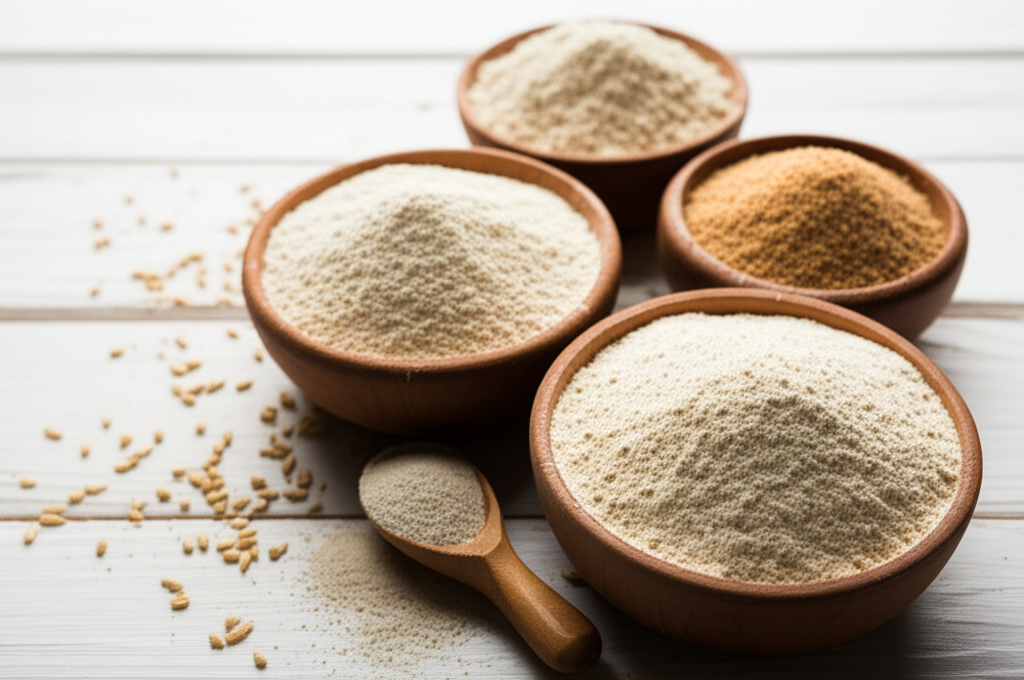
Quick Summary: For weight loss, the best atta is whole wheat atta made from 100% whole grains, high in fiber, and low in refined flour. Look for options labeled “whole wheat” or “atta” without added maida. Prioritize atta that helps you feel fuller for longer and provides sustained energy.
Hey there! Feeling a bit lost when it comes to choosing the right atta for your weight loss journey? You’re definitely not alone! It can seem confusing with so many options on the shelf. But don’t worry, we’re going to break it down together. Think of me as your friendly guide, making this whole process super simple. We’ll explore exactly what makes an atta great for shedding those extra pounds and how to spot the best ones, so you can feel confident with every roti you make.
Understanding Atta and Weight Loss: The Basics
Atta is a type of whole wheat flour commonly used in Indian cooking, especially for making rotis, chapatis, and parathas. When we talk about weight loss, the goal is usually to create a calorie deficit, meaning you consume fewer calories than your body uses. However, the types of calories you consume make a big difference in how you feel and how your body functions during this process.
The key to using atta for weight loss lies in its nutritional profile. We want to choose atta that keeps you feeling full, provides steady energy, and is packed with nutrients. This helps prevent overeating and supports your body’s overall health as you work towards your goals. It’s all about making smart choices that work with your body, not against it.
Why Whole Wheat Atta is Your Weight Loss Ally
When you’re aiming for weight loss, the type of flour you use for your daily meals can have a significant impact. Refined flours, often called maida, have had their bran and germ removed. This process strips away most of the fiber and nutrients, leaving behind mostly starch. This can lead to quick blood sugar spikes and crashes, leaving you feeling hungry again soon after eating.
Whole wheat atta, on the other hand, includes the entire wheat kernel – the bran, germ, and endosperm. This means it retains all the goodness! The bran and germ are packed with fiber, vitamins, and minerals. This is crucial for weight loss because fiber slows down digestion, helps you feel full for longer, and can even help regulate blood sugar levels. It’s like giving your body sustained energy instead of a quick sugar rush.
The Power of Fiber
Fiber is a superhero for weight loss! It adds bulk to your food without adding many calories, which tricks your stomach into feeling satisfied. This means you’re less likely to reach for unhealthy snacks between meals. According to the American Heart Association, a diet rich in fiber is essential for overall health, including maintaining a healthy weight.
Fiber also plays a role in gut health. A healthy gut microbiome is increasingly linked to better weight management. By feeding the good bacteria in your gut, fiber contributes to a more efficient metabolism and can even influence appetite-regulating hormones.
Glycemic Index (GI) Matters
The glycemic index (GI) measures how quickly a food raises your blood sugar levels. Foods with a high GI cause rapid spikes, while foods with a low GI cause a slower, more gradual rise. For weight loss, choosing foods with a lower GI is generally recommended. Whole wheat atta typically has a lower GI compared to refined flour because of its fiber content.
This slower release of sugar into your bloodstream helps prevent those energy slumps that can lead to cravings for sugary or high-calorie snacks. It keeps your energy levels stable throughout the day, making it easier to stick to your healthy eating plan and avoid impulsive food choices.
What to Look for in the “Best” Atta for Weight Loss
Navigating the grocery store aisle can feel like a puzzle, but there are a few key things to look for that will help you pick the best atta for your weight loss goals. It’s all about being a smart shopper!
1. “100% Whole Wheat” is Your Mantra
This is the most important clue! Always check the packaging for “100% whole wheat” or “whole grain.” This ensures that the flour is made from the entire wheat kernel. If the label just says “wheat flour” or “atta” without the “whole,” it might be a blend that includes refined flour (maida). A 100% whole wheat stamp means you’re getting all the fiber and nutrients.
2. Fiber Content is Key
Look at the nutrition facts label. You want an atta that is high in dietary fiber. Aim for products that list at least 3-4 grams of fiber per serving (usually about 1/4 cup or 30 grams of flour). More fiber means you’ll feel fuller for longer, which is a huge win when you’re trying to manage your calorie intake.
3. Check the Ingredient List
The ingredient list should be simple: just “whole wheat flour” or “atta.” If you see other ingredients like “enriched flour,” “maida,” or various additives, it’s probably best to avoid it. The fewer ingredients, and the simpler they are, the better.
4. Consider the Grain Type (Optional but helpful)
While most atta is made from common wheat, some brands might specify the type of wheat used, like durum wheat. Different wheat varieties can have slightly different nutritional profiles, but the most critical factor remains that it’s whole wheat. Don’t get too bogged down in this unless you’re curious – focus on the “100% whole wheat” aspect first.
5. Brand Reputation and Freshness
Some brands are known for their quality and commitment to using good grains. While not a strict rule, reading reviews or choosing brands you trust can be helpful. Also, check the manufacturing and expiry dates to ensure you’re getting fresh atta, as freshness can affect taste and texture.
Types of Atta and Their Weight Loss Suitability
Not all atta is created equal when it comes to supporting weight loss. Let’s break down some common types you might encounter:
Whole Wheat Atta (Best Choice)
This is our champion! Made from 100% whole wheat grains, it’s rich in fiber, vitamins, and minerals. It has a lower glycemic index, keeps you feeling full, and provides sustained energy. It’s the ideal choice for your daily rotis and chapatis when you’re focusing on weight loss.
Multigrain Atta
Multigrain atta contains whole wheat along with other grains like barley, oats, millet, or lentils. This can be a good option if the primary ingredient is still whole wheat and it has a high fiber content. However, be cautious: some “multigrain” flours might still contain a significant amount of refined flour (maida) as a base. Always check the ingredient list to ensure it’s truly a healthy blend.
Jowar/Bajra/Ragi Atta (Millets)
These are flours made from millets like sorghum (jowar), pearl millet (bajra), or finger millet (ragi). Millets are incredibly nutritious, often higher in fiber and certain minerals than wheat. They are gluten-free and have a generally low glycemic index, making them excellent for weight loss. Mixing these with whole wheat atta or using them on their own can be a fantastic way to boost nutrition and aid weight management.
Besan (Gram Flour)
Besan is made from chickpeas and is a good source of protein and fiber. It’s naturally gluten-free. While healthy, it has a different texture and flavor profile. It can be used in moderation for variety, but it’s not typically a direct substitute for everyday wheat atta in the same quantities due to its distinct properties and flavor. It’s great for snacks like dhokla or pakoras (made healthier, of course!).
Maida (Refined Wheat Flour) (Avoid for Weight Loss)
This is the one to steer clear of! Maida is made from refined wheat that has had the bran and germ removed. It’s low in fiber and nutrients, high in carbohydrates, and has a high glycemic index. Eating foods made with maida can lead to quick blood sugar spikes, increased hunger, and can hinder your weight loss efforts. It offers very little in terms of satiety.
Comparing Atta Options: A Quick Look
To make things even clearer, let’s put some of the common atta types side-by-side. This table highlights why whole wheat is generally the top pick for weight loss.
| Atta Type | Primary Ingredient | Fiber Content (Typical) | Glycemic Index (Typical) | Weight Loss Suitability | Key Benefit for Weight Loss |
|---|---|---|---|---|---|
| 100% Whole Wheat Atta | Whole Wheat Kernel | High (3-5g per 30g) | Medium | Excellent | Sustained fullness, steady energy |
| Multigrain Atta (Good Quality) | Whole Wheat + Other Grains | High (3-5g per 30g) | Medium | Good | Added nutrients, fiber variety |
| Jowar/Bajra/Ragi Atta | Millet Grains | High (3-6g per 30g) | Low to Medium | Excellent | Nutrient-dense, gluten-free, satisfying |
| Maida (Refined Flour) | Endosperm of Wheat | Low (<1g per 30g) | High | Poor | Minimal, can increase hunger |
How to Incorporate “Best” Atta into Your Weight Loss Diet
Switching to 100% whole wheat atta is a fantastic first step. But how do you make sure you’re using it in a way that truly supports your weight loss goals? It’s about more than just the flour itself!
1. Master the Roti/Chapati
Making rotis from 100% whole wheat atta is the most common way to use it. When making them, focus on portion control. One or two medium-sized rotis per meal, depending on your overall calorie needs, is a good starting point. Avoid making them too thick, as this increases the calorie count per roti.
2. Smart Cooking Methods
How you cook your atta-based foods matters!
- Roast, Don’t Fry: Ensure your rotis are well-cooked and slightly roasted. Avoid adding excessive ghee or oil. A tiny bit of ghee or oil is fine for flavor and texture, but too much can add a lot of hidden calories.
- Healthy Parathas: If you love parathas, try making them with a whole wheat base and a healthy stuffing like mashed lentils (dal), paneer, or vegetables. Cook them with minimal oil on a non-stick pan.
3. Balance Your Plate
Your roti is just one part of your meal. For weight loss, it’s essential to build a balanced plate. Aim for:
- Protein: Include a good source of lean protein like dal, lentils, beans, paneer, chicken, or fish. Protein is very filling and helps preserve muscle mass during weight loss.
- Vegetables: Fill at least half your plate with non-starchy vegetables. They are low in calories and high in fiber, vitamins, and minerals.
- Healthy Fats: Include small amounts of healthy fats from sources like avocado, nuts, seeds, or a drizzle of olive oil.
4. Portion Control is Key
Even healthy foods can lead to weight gain if eaten in excess. Be mindful of your portion sizes, especially when it comes to carbohydrate sources like rotis. Using smaller plates can sometimes help with visual portion control.
5. Experiment with Other Whole Grains
Don’t be afraid to mix things up! As mentioned, incorporating flours like jowar, bajra, or ragi into your diet can add variety and boost nutrient intake. You can make rotis purely from these millets or create a blend with whole wheat atta. This diversification helps ensure you’re getting a wider range of nutrients.
Tips for Making Healthier Rotis
Let’s get practical! Making delicious and healthy rotis is totally achievable. Here are some tips:
- Use Lukewarm Water: Knead the atta with lukewarm water. This helps in making a softer dough, which results in softer rotis.
- Don’t Overwork the Dough: Knead until the dough is smooth and pliable, but don’t knead it for too long, as this can make the rotis tough.
- Let the Dough Rest: Cover the dough and let it rest for about 15-20 minutes before making rotis. This allows the gluten to relax, making rolling easier and rotis softer.
- Roll Evenly: Try to roll out your rotis to an even thickness. This ensures they cook uniformly and puff up nicely.
- Cook on Medium Heat: Cook your rotis on medium heat. Don’t rush the process by using very high heat, which can burn them on the outside while leaving them uncooked inside.
- Minimal Ghee/Oil: If you use ghee or oil, use it sparingly. A tiny brush after cooking is enough for flavor and to keep them soft.
When to Seek Professional Advice
While making informed choices about your atta is a great step, remember that weight loss is a journey with many factors. If you have underlying health conditions, are struggling to see results, or feel overwhelmed, it’s always a good idea to consult with a healthcare professional or a registered dietitian. They can provide personalized guidance based on your unique needs and health status. Resources like the Academy of Nutrition and Dietetics can help you find qualified professionals.
Frequently Asked Questions (FAQ)
Q1: Is all atta good for weight loss?
No, not all atta is equally beneficial for weight loss. 100% whole wheat atta is best because it’s high in fiber and nutrients. Refined wheat flour (maida) should be avoided as it lacks these benefits and can lead to increased hunger.
Q2: How much whole wheat atta should I eat per day for weight loss?
The amount varies based on your individual calorie needs, activity level, and overall diet. A general guideline is to include 1-2 medium-sized rotis made from whole wheat atta per meal, ensuring they are part of a balanced meal with protein and vegetables.
Q3: Can I use multigrain atta for weight loss?
Yes, you can, but check the label carefully. Ensure that “100% whole grain” is listed and that it contains a good amount of fiber. Some multigrain flours may contain refined flour, so always read the ingredients.
Q4: What is the difference between atta and maida?
Atta is whole wheat flour made from the entire wheat kernel (bran, germ, and endosperm), rich in fiber and nutrients. Maida is refined wheat flour, where the bran and germ are removed, leaving it low in fiber and nutrients.
Q5: Are rotis made with whole wheat atta fattening?
Rotis made from 100% whole wheat atta are not inherently fattening. Like any food, it’s the portion size and how they are prepared and consumed that determines their impact on weight. When eaten in moderation and prepared healthily (without excessive oil/ghee), they are a good source of complex carbohydrates for weight loss.
Q6: Should I completely cut out rotis when trying to lose weight?
Not necessarily. Whole wheat rotis can be a healthy part of a weight loss diet. They provide essential carbohydrates for energy and fiber for satiety. Focus on portion control and balanced meals rather than complete elimination.
Q7: What are the benefits of using atta over white bread?
Whole wheat atta-based products like rotis offer more fiber, vitamins, and minerals compared to products made from white flour (like white bread). This means they provide sustained energy, keep you fuller for longer, and are generally better for blood sugar management, all of which are beneficial for weight loss.
Conclusion
Embarking on a weight loss journey can feel like a lot, but simple, smart choices about the foods you eat can make a huge difference. Choosing the right atta is one of those smart steps. By opting for 100% whole wheat atta, you’re giving your body the fiber and nutrients it needs to feel satisfied, maintain steady energy, and support your overall health goals. Remember to check those labels, focus on balanced meals, and enjoy your delicious, healthy rotis!
As an Amazon Associate, We earn from qualifying purchases. When you purchase a product through Amazon links on pulsefitguide.com, we may earn a small commission at no extra cost to you. This helps support the site and keep our content free.
