

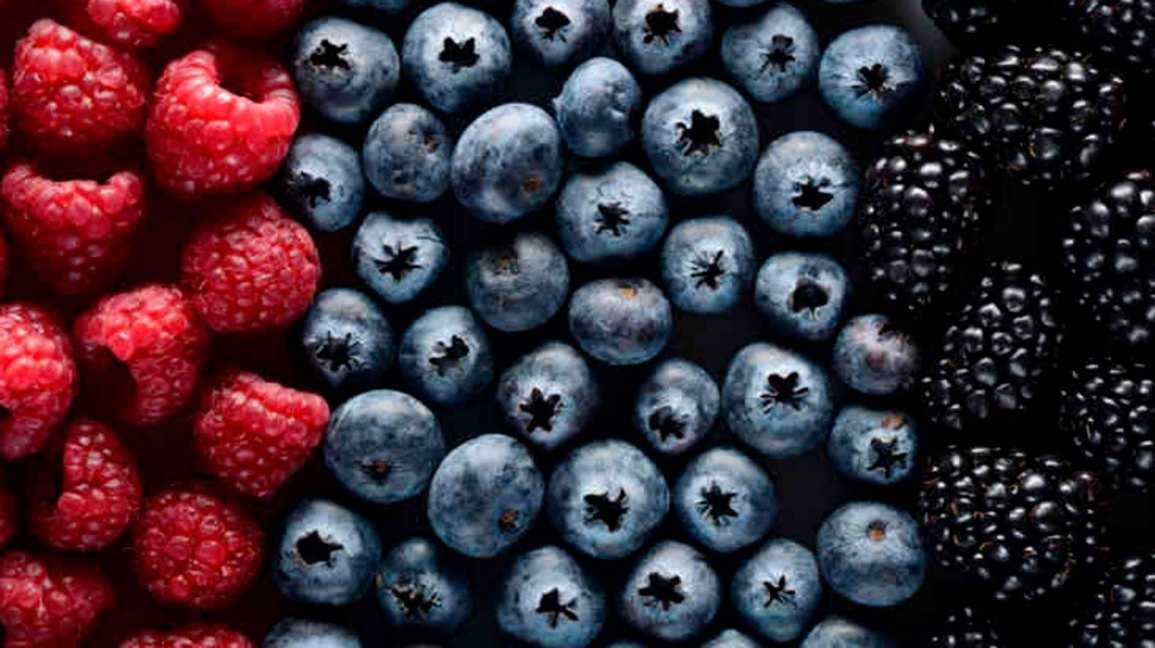
To enjoy the health benefits of berries without the sugar spike, opt for varieties high in antioxidants yet low in sugar, such as blackberries and strawberries. These berries are powerhouses of nutrients and can satisfy your sweet tooth while supporting your immune system. Incorporating them into your diet can boost your antioxidant intake, which fights off free radicals, and helps maintain stable blood sugar levels. The key is choosing berries that are naturally low in sugar but packed with health-promoting compounds, making them a smart choice for health-conscious eaters. Whether added to cereals, smoothies, or enjoyed on their own, these berries offer a delicious way to nourish your body without the sugar overload. Let’s explore which berries are best and how they can fit into a balanced, healthy lifestyle.

Berries Rich in Antioxidants and Low in Sugar
Introduction to the Power of Berries
Berries are small fruits packed with nutrients that are good for your health. They are known for their high antioxidant content, which helps protect your body from damage caused by free radicals. Many berries are also low in sugar, making them a smart choice for those watching their sugar intake.
Understanding Antioxidants and Their Benefits
Antioxidants are compounds that prevent cell damage in your body. They can reduce the risk of chronic diseases like heart disease and cancer. Berries contain a variety of antioxidants, including anthocyanins, flavonoids, and vitamin C. These antioxidants fight inflammation and help boost your immune system.
Why Low-Sugar Berries Matter
Consuming berries with low sugar helps prevent blood sugar spikes, which is especially important for people with diabetes. Berries naturally contain less sugar compared to many other fruits. Choosing low-sugar berries allows you to enjoy their health benefits without consuming excess calories or risking energy crashes.
Top Berries Rich in Antioxidants and Low in Sugar
Here are some of the best berries that offer high antioxidant levels and are low in sugar:
- Blueberries: Packed with anthocyanins, blueberries are easily accessible and versatile for snacks or recipes. They contain about 10 grams of sugar per 100 grams.
- Blackberries: Rich in vitamins and fiber, blackberries provide about 4.9 grams of sugar per 100 grams. They are also high in anthocyanins, which support brain health.
- Raspberries: Containing around 4.4 grams of sugar per 100 grams, raspberries are excellent for their antioxidant and anti-inflammatory properties.
- Strawberries: Slightly higher in sugar at about 4.9 grams per 100 grams, strawberries still offer a wealth of vitamin C and antioxidants.
- Cranberries: Known for urinary tract health, fresh cranberries have about 4 grams of sugar per 100 grams. They are often consumed dried or as juice, so check labels for added sugars.
Comparison Table of Berries’ Nutritional Content
| Berry Type | Antioxidant Level | Sugar Content per 100g | Additional Benefits |
|---|---|---|---|
| Blueberries | High | 10g | Supports heart and brain health |
| Blackberries | Very High | 4.9g | Rich in fiber and vitamin C |
| Raspberries | High | 4.4g | Anti-inflammatory and weight management |
| Strawberries | Moderate to High | 4.9g | Boosts immune system |
| Cranberries | High | 4g | Supports urinary health |
How to Incorporate Antioxidant-Rich, Low-Sugar Berries into Your Diet
Adding berries to your daily routine is simple and delicious. You can enjoy them fresh, frozen, or dried, depending on your preference. Here are some ideas:
- Breakfast: Mix berries into oatmeal or yogurt for a nutritious start to your day.
- Snacks: Keep a handful of berries on hand for quick, healthy snacks.
- Salads: Add berries to salads for a burst of flavor and color.
- Smoothies: Blend berries with other fruits and your favorite liquids for a healthy beverage.
- Desserts: Use berries as toppings for ice cream or in fruit salads.
Tips for Choosing and Storing Berries
Select berries that are firm, brightly colored, and free of mold or wrinkles. For longer shelf life, store fresh berries in the refrigerator and wash them just before eating. Frozen berries are a good alternative, especially when berries are out of season.
The Role of Berries in a Balanced Diet
Berries complement a variety of healthy eating plans. Pair them with nuts, seeds, and whole grains for balanced meals. Their low sugar and high antioxidant content make them especially beneficial for maintaining overall health.
Potential Allergies and Precautions
While berries are generally safe for most people, some may experience allergies. Always introduce new fruits gradually and monitor for signs of allergic reactions. If you have specific health concerns, consult a healthcare provider before making significant dietary changes.
Summary of Benefits
In summary, berries high in antioxidants and low in sugar provide essential nutrients that support your immune system, reduce inflammation, and promote overall well-being. Incorporating these berries into your diet can be enjoyable and healthful, making them a perfect choice for a nutritious lifestyle.
Organic blueberries and my blood sugar. #glucoselevels #bloodsugar #insulinresistance #blueberries
Frequently Asked Questions
What are some popular berries known for their high antioxidant content?
Blueberries, strawberries, raspberries, and blackberries are some of the most common berries rich in antioxidants. These fruits contain compounds like anthocyanins and vitamin C, which help protect cells from damage caused by free radicals. Incorporating a variety of these berries into your diet can enhance overall health and provide a rich source of natural antioxidants.
How do berries with low sugar levels benefit overall health?
Berries low in sugar provide essential nutrients without causing blood sugar spikes, making them suitable for those managing diabetes or aiming for weight control. Their low sugar content combined with high fiber and antioxidants supports digestion, boosts immune function, and reduces inflammation, contributing positively to long-term health.
Are there specific berries that are especially low in sugars compared to others?
Yes, berries such as blackberries, raspberries, and elderberries tend to have lower sugar levels compared to others like strawberries or blueberries. Choosing these varieties can help you enjoy the health benefits of berries while minimizing sugar intake, especially if you follow a low-sugar diet or need to monitor blood glucose.
How can I incorporate antioxidant-rich, low-sugar berries into my daily meals?
You can add berries to your breakfast by topping oatmeal or yogurt, blend them into smoothies, or include them in salads for a sweet, nutritious touch. Snack on fresh berries or mix them into cereals and trail mixes. These simple additions enhance flavor, provide antioxidants, and keep sugar levels in check throughout the day.
What should I look for when selecting berries to maximize health benefits?
Choose organic or fresh berries when possible to avoid pesticides and ensure maximum nutrient content. Look for vibrant, firm berries without mold or signs of spoilage. Proper storage in a cool, dry place or refrigeration helps maintain their freshness and nutrient levels, ensuring you get the most health benefits from your selection.
Final Thoughts
Berries rich in antioxidants and low in sugar provide a delicious way to boost health. They pack powerful nutrients that fight free radicals and reduce inflammation. Including these berries in your diet supports overall well-being without excess sugar intake. Embrace these vibrant fruits for a tasty, healthy choice every day.
As an Amazon Associate, We earn from qualifying purchases. When you purchase a product through Amazon links on pulsefitguide.com, we may earn a small commission at no extra cost to you. This helps support the site and keep our content free.