

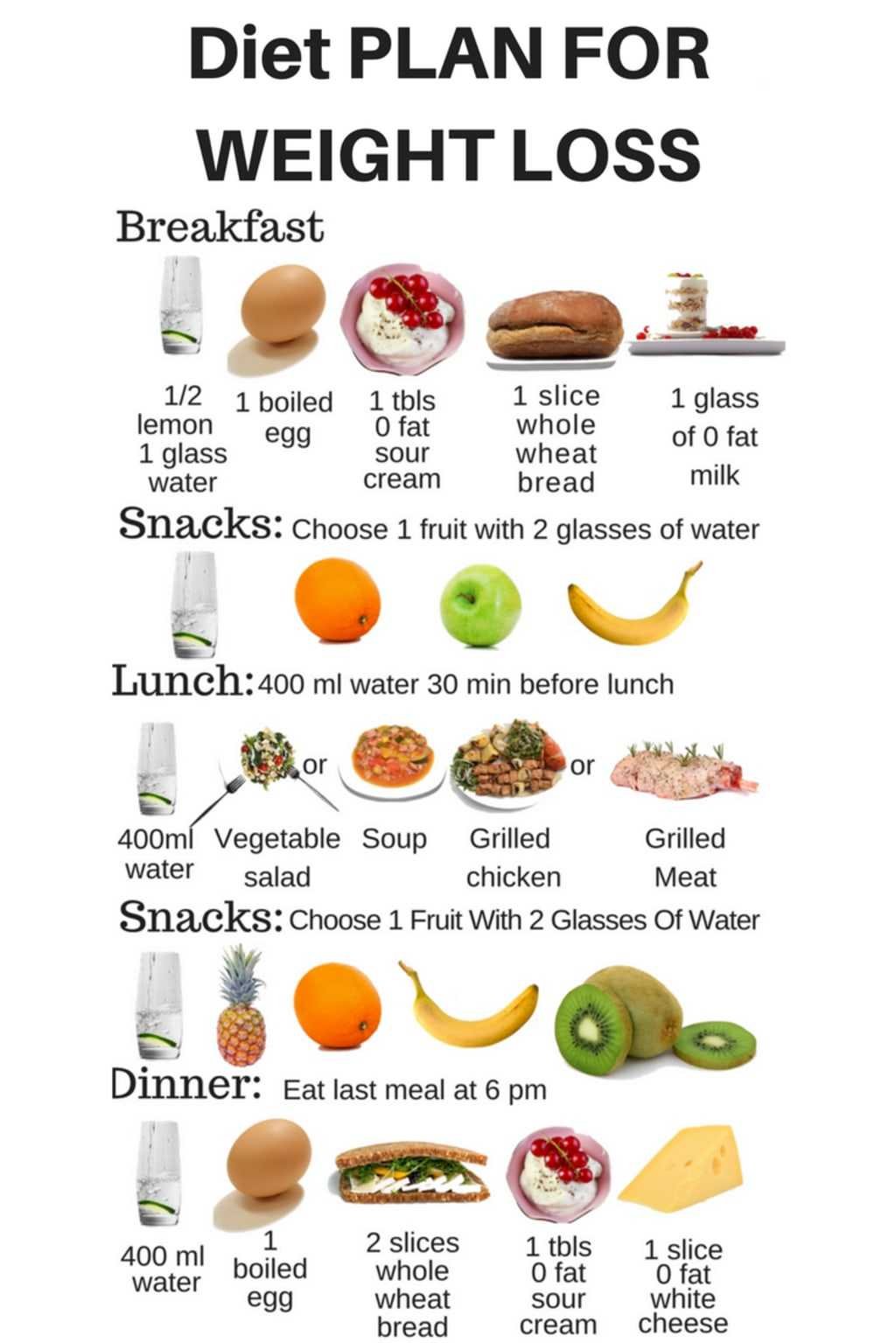
A well-planned balanced meal schedule is key to effective weight management. By incorporating the right portions of proteins, healthy fats, carbs, and plenty of vegetables, you can curb overeating and boost your energy levels simultaneously. Eating at regular intervals helps stabilize blood sugar and reduces cravings, making it easier to stay on track with your weight goals. Stay consistent with nutritious, portion-controlled meals, and you’ll see steady progress without feeling deprived.
A balanced meal schedule for weight management involves eating smaller, nutrient-dense meals throughout the day at regular intervals. This approach helps control hunger, stabilize blood sugar, and support your metabolism. Prioritizing whole foods and mindful eating makes it easier to maintain a healthy weight over time.
Getting your meal schedule right is essential for anyone trying to shed pounds or maintain a healthy weight. It’s not just about cutting calories but about nourishing your body with the right balance of nutrients. Establishing a routine, such as three main meals with healthy snacks in between, helps prevent overeating and keeps your energy levels steady. Focus on including lean proteins, fiber-rich carbs, healthy fats, and plenty of fruits and vegetables in each meal. This creates a sustainable eating pattern that supports your weight management goals while keeping you satisfied and energized throughout the day.

Balanced Meal Schedule for Weight Management
Creating a balanced meal schedule is essential for effective weight management. It helps you control your hunger, maintain energy levels, and ensure you get vital nutrients. A well-planned schedule also prevents overeating and supports healthy metabolism.
Understanding the Basics of a Balanced Meal
A balanced meal contains the right proportions of macronutrients—carbohydrates, proteins, and fats—and plenty of vitamins and minerals. This combination ensures your body functions optimally throughout the day.
Carbohydrates provide energy and can come from sources like whole grains, fruits, and vegetables. Proteins help build and repair tissues, found in lean meats, beans, and dairy products. Healthy fats support brain health and hormone production, and sources include nuts, seeds, and avocados.
In addition to macronutrients, including fiber from fruits, vegetables, and whole grains promotes good digestion and keeps you full longer. Micronutrients like vitamins and minerals boost your immune system and overall health.
The Importance of Meal Timing and Frequency
Eating at regular intervals helps maintain stable blood sugar levels and prevents excessive hunger. It also supports steady energy supply, making it easier to stick to your weight management goals.
Many experts recommend three main meals—breakfast, lunch, and dinner—plus healthy snacks between these meals. Snacks like nuts or fruit can prevent overeating during main meals and keep your metabolism active.
Timing your meals appropriately can also influence weight loss results. For example, eating larger meals earlier in the day and lighter meals in the evening aligns with natural body rhythms and promotes better digestion.
Sample Balanced Meal Schedule for a Day
| Time of Day | Meal | Key Components |
|---|---|---|
| 7:00 AM | Breakfast |
|
| 10:00 AM | Morning Snack |
|
| 12:30 PM | Lunch |
|
| 3:30 PM | Afternoon Snack |
|
| 6:30 PM | Dinner |
|
| Optional | Evening Snack | A small piece of dark chocolate or herbal tea |
Incorporating Variety into Your Meal Schedule
Eating a variety of foods ensures you get a broad spectrum of nutrients. Different colors and types of produce provide unique vitamins and antioxidants that support overall health.
Mixing proteins such as fish, chicken, beans, and tofu prevents meal monotony and supplies your body with essential amino acids. Incorporate different whole grains—like oats, barley, and wild rice—for added fiber and nutrients.
Changing up your meals also prevents cravings and keeps your diet interesting, making it easier to stay consistent with your weight management plan.
Tips for Preparing Healthy Meals
- Choose cooking methods like baking, steaming, grilling, or sautéing with minimal oil.
- Opt for fresh, whole ingredients over processed foods.
- Use herbs and spices to add flavor without extra calories or salt.
- Plan meals ahead to avoid last-minute unhealthy choices.
Balancing Portion Sizes for Weight Control
Controlling portion sizes helps prevent overeating, even when consuming healthy foods. Use smaller plates and bowls to naturally limit servings.
Focus on filling half your plate with vegetables and fruits, one-quarter with lean proteins, and one-quarter with whole grains. This visual guide promotes balance and portion control.
Pay attention to hunger cues and eat slowly, giving your body time to signal when it’s full, which can reduce calorie intake naturally.
Special Considerations for Different Lifestyle Needs
For Active Individuals
Those who exercise regularly need more calories and proteins. Include energy-dense snacks like nuts or smoothies to fuel workouts and aid recovery.
For Busy Schedules
Meal prepping and batch cooking help maintain a balanced schedule despite time constraints. Keep healthy grab-and-go options available to avoid resorting to fast food.
For Vegetarians or Vegans
Ensure adequate intake of plant-based proteins like lentils, chickpeas, and tofu. Incorporate fortified foods or supplements for vitamin B12 and iron to meet nutritional needs.
Monitoring and Adjusting Your Meal Schedule
Track your meals and how they impact your weight and energy levels. Use apps or food diaries to identify patterns and make adjustments.
Be flexible and adapt your schedule based on progress and changing lifestyle demands. Consistency is key, but minor tweaks will ensure continued success.
Consult with a nutritionist or dietitian for personalized advice and to address specific health concerns or goals related to weight management.
The Role of Hydration in a Balanced Meal Schedule
Drinking enough water supports digestion and helps control hunger. Aim for at least eight glasses daily, adjusting for activity level and climate.
Limit sugary drinks and alcohol, which can add empty calories and interfere with weight management goals.
Including herbal teas or infused water can make hydration more enjoyable and varied throughout the day.
Supporting Your Weight Management Goals with Lifestyle Factors
Besides diet, regular physical activity complements a balanced meal schedule. Exercise boosts metabolism and enhances weight loss efforts.
Prioritize sleep, as inadequate rest can increase hunger hormones and lead to overeating.
Manage stress through relaxation techniques, since high stress levels may trigger unhealthy eating patterns.
Developing a structured, yet flexible, balanced meal schedule forms the backbone of sustainable weight management. It promotes good health, encourages mindful eating, and helps you maintain a healthy weight in the long run. Incorporate variety, monitor portions, and keep hydration a priority, all while adapting to your lifestyle needs for the best results.
A Balanced Diet: Understanding Food Groups And Healthy Eating | Nutritionist Explains | Myprotein
Frequently Asked Questions
What are some common mistakes to avoid when planning meals for weight management?
When planning meals, avoid skipping meals or leaving long gaps between eating, as this can lead to overeating later. Also, don’t rely heavily on processed or fast foods, which tend to be high in calories and low in nutrients. Over-consuming portion sizes and neglecting balanced macronutrients can hinder progress. Focus on incorporating whole foods, controlling portion sizes, and maintaining a regular eating schedule to support your goals.
How can I ensure my meal schedule provides enough energy throughout the day?
To maintain steady energy levels, distribute your calories evenly across meals and snacks. Incorporate a mix of carbohydrates, proteins, and healthy fats in each meal to sustain energy and prevent hunger. Eating at regular intervals, such as three main meals with healthy snacks in between, helps keep blood sugar stable and reduces the temptation of unhealthy high-calorie snacks.
Is it necessary to follow a strict meal timetable for effective weight management?
While consistency is helpful, it isn’t necessary to stick to a rigid timetable. The key is to establish a routine that fits your lifestyle and keeps you from overeating or making unhealthy choices. Flexibility allows you to adapt your meal schedule when needed without compromising your overall goals. Prioritize balanced, nutrient-dense meals at regular intervals to support your weight management efforts.
What role does meal timing play in optimizing metabolism and fat loss?
Eating at consistent times helps regulate your metabolism and can improve digestion. Spacing meals evenly prevents large fluctuations in blood sugar levels, reducing cravings and overeating. Incorporating small, balanced snacks between meals can also help maintain energy and promote fat loss by supporting a steady metabolic rate throughout the day.
How can I make my meal schedule more sustainable over the long term?
Design a meal plan that includes foods you enjoy and can prepare easily, which makes it easier to stick with over time. Listen to your body’s hunger cues and avoid strict restrictions that may lead to frustration. Incorporate variety to prevent boredom and ensure a wide range of nutrients. Creating a flexible yet consistent routine helps you maintain healthy eating habits for lasting results.
Final Thoughts
A balanced meal schedule for weight management provides structure and consistency, helping you make healthier choices throughout the day. Eating regularly prevents extreme hunger and reduces the temptation to indulge in unhealthy snacks. Incorporate a variety of nutritious foods to ensure your body gets essential vitamins and minerals.
By sticking to a well-planned schedule, you can better control portion sizes and avoid overeating. Ultimately, this approach supports your weight goals while maintaining energy levels. A balanced meal schedule for weight management is key to achieving sustainable health and wellness.
As an Amazon Associate, We earn from qualifying purchases. When you purchase a product through Amazon links on pulsefitguide.com, we may earn a small commission at no extra cost to you. This helps support the site and keep our content free.