

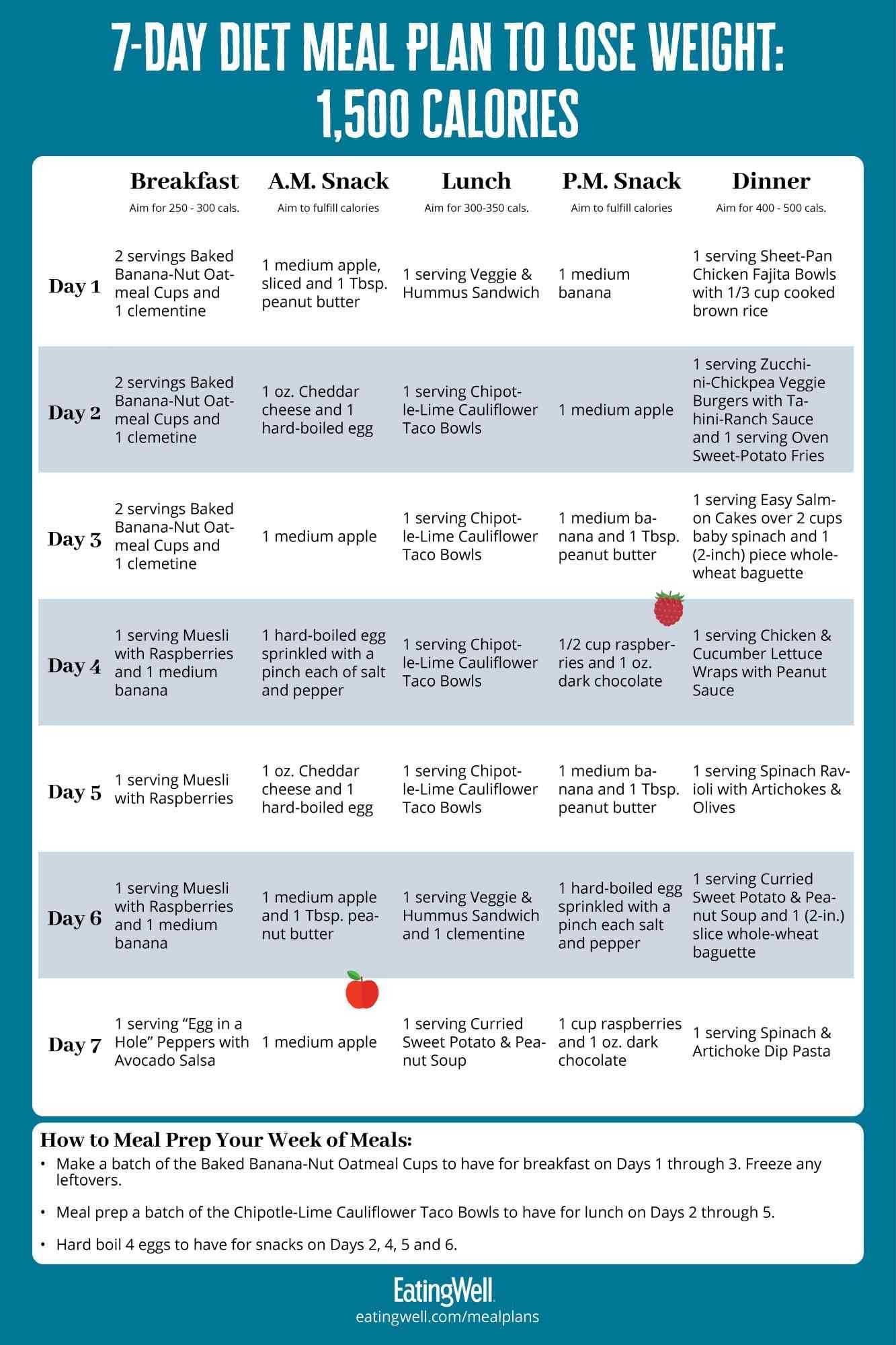
Start your weight loss journey today with a simple, balanced meal plan that keeps you satisfied and energized. Eating the right foods at the right times can make all the difference, helping you shed pounds without feeling deprived. A well-structured daily meal plan focuses on portion control, nutrient-rich choices, and plenty of hydration, ensuring your body gets what it needs to function optimally while promoting fat loss. Think fresh vegetables, lean proteins, and whole grains sprinkled throughout the day—without starving yourself. With careful planning, you can enjoy delicious meals that support your goals and keep cravings at bay. Whether you’re just starting out or looking for a fresh approach, a thoughtfully curated day’s meal plan is your best tool for steady and sustainable weight loss.
A day meal plan for weight loss should prioritize balanced portions of lean protein, fiber-rich vegetables, and whole grains while limiting processed foods and sugars. Staying hydrated and incorporating healthy fats can further enhance results, making your weight loss journey both effective and enjoyable.
If you’re looking for a straightforward approach to drop pounds, you should focus on eating smaller, nutritious meals throughout the day, avoiding empty calories, and staying consistent with your habits. This way, you can lose weight gradually while still feeling satisfied and energized.

A Complete Day Meal Plan for Weight Loss: What to Eat and When
Understanding the Importance of a Balanced Meal Plan
A well-structured meal plan influences your ability to lose weight effectively. It helps control hunger, boost metabolism, and reduce the temptation to snack on unhealthy foods. By choosing nutritious options, you support your body’s needs while staying within your calorie goals.
Breakfast: The Power Start
A healthy breakfast sets the tone for the entire day. It should include a balance of protein, fiber, and healthy fats. This combination keeps you full longer and provides energy for morning activities.
Key Components of an Ideal Breakfast
- Protein sources: Eggs, Greek yogurt, cottage cheese, or lean meats
- Complex carbohydrates: Oats, whole-grain bread, or quinoa
- Healthy fats: Avocado, nuts, or seeds
Sample Breakfast Options
- Oatmeal topped with fresh berries, a dollop of Greek yogurt, and a sprinkle of chia seeds
- Scrambled eggs with spinach and a slice of whole-grain toast
- Greek yogurt mixed with sliced almonds and honey, paired with an apple
Mid-Morning Snack: Keep Hunger at Bay
Snacks between breakfast and lunch help maintain energy levels and prevent overeating later. Choose snacks that combine protein and fiber for sustained fullness.
Smart Snack Ideas
- Carrot sticks with hummus
- A small handful of mixed nuts
- Fresh fruit like an orange or a banana
Lunch: The Main Meal of the Day
A balanced lunch should include lean protein, vegetables, and whole grains. It supplies the necessary nutrients without excessive calories.
Components of a Healthy Lunch
- Lean proteins: Grilled chicken, turkey, fish, or plant-based options like beans
- Vegetables: Leafy greens, bell peppers, cucumbers, or steamed broccoli
- Whole grains: Brown rice, quinoa, or whole-wheat pasta
Lunch Examples
- Grilled chicken salad with mixed greens, cherry tomatoes, and olive oil dressing
- Vegetable stir-fry with tofu served over brown rice
- Whole-wheat wrap filled with turkey, lettuce, and avocado slices
Afternoon Snack: Preventing Overeating
An energizing snack in the afternoon helps stop cravings and keeps your metabolism active. Focus on portion-controlled, nutritious choices.
Good Snack Choices
- Low-fat cheese with whole-grain crackers
- Fresh fruit with a handful of walnuts
- Celery sticks with natural peanut butter
Dinner: Light but Filling
Dinner should be satisfying yet not heavy. Focus on protein, vegetables, and a small portion of healthy carbs.
Tips for a Healthy Dinner
- Opt for grilled, baked, or steamed foods instead of fried
- Include plenty of vegetables to increase fiber and nutrients
- Limit added salt and sugar to promote better health
Sample Dinner Ideas
- Grilled salmon with steamed asparagus and a small baked sweet potato
- Stir-fried vegetables with shrimp served over cauliflower rice
- Turkey meatballs with zucchini noodles and marinara sauce
Evening Snack: Manage Cravings
A light snack before bed can prevent late-night cravings. Opt for something to curb hunger without adding many calories.
Nighttime Snack Options
- A small bowl of Greek yogurt with a few berries
- A handful of almonds or walnuts
- Slice of whole-grain toast with avocado
Hydration and Beverages
Drinking plenty of water throughout the day supports weight loss and overall health. Aim for at least 8 glasses daily. You can also include herbal teas or infused water for variety.
Tips for Staying Hydrated
- Carry a water bottle everywhere
- Limit sugary drinks like sodas and fruit juices
- Drink a glass of water before meals to help control portions
Additional Tips for an Effective Meal Plan
Maintaining consistency is key to weight loss success. Prepare meals ahead of time and stick to your chosen foods to avoid temptations.
Portion Control
Use smaller plates and bowls to help control portions. Measure servings especially when starting your plan.
Mindful Eating
Eat slowly and pay attention to your hunger cues. This practice prevents overeating and helps you enjoy your meals more.
Incorporate Variety
Include a wide range of colorful fruits and vegetables to ensure you get all essential nutrients. Variety also keeps meals interesting and satisfying.
Tracking Your Progress
Keeping a food journal helps monitor what you eat and makes adjustments easier. Use apps or a simple notebook to record meals and feelings of fullness.
Following a structured day meal plan for weight loss can help you reach your health goals effectively. Balance, portion control, and mindful choices are your best tools. Stick to your plan and remember that consistency leads to success.
Frequently Asked Questions
What are some healthy snack options to include in a weight loss meal plan?
Opt for snacks that are high in protein and fiber, such as a handful of almonds, Greek yogurt with fresh berries, or sliced vegetables with hummus. These choices help keep you full longer and prevent overeating during main meals. Avoid processed snacks high in sugar and unhealthy fats to stay aligned with your weight loss goals.
How can I ensure my portion sizes support weight loss while still feeling satisfied?
Use smaller plates and bowls to control portions visually. Measure your servings and stick to recommended portion sizes for each food group. Incorporate foods with high fiber and protein content to enhance satiety, so you feel full without consuming excess calories. Listening to your body’s hunger cues can also help prevent overeating.
What are some simple ways to incorporate more vegetables into my daily meal plan?
Add vegetables to every meal by including them in omelets, salads, smoothies, and stir-fries. Use vegetables like spinach, bell peppers, zucchini, and broccoli as side dishes or mix them into your main courses. Preparing vegetables with herbs and spices can boost flavor without adding extra calories, making it easier to enjoy more of these nutrient-rich foods daily.
Are there specific beverages I should avoid when aiming for weight loss?
Limit or eliminate sugary drinks like sodas, fruit juices with added sugar, and sweetened coffee beverages. Instead, hydrate with water, herbal teas, or infused water with slices of fresh fruit and herbs. Staying well-hydrated supports metabolism and helps control appetite, aiding your weight loss efforts.
How can I plan my meals ahead to stay consistent with my weight loss goals?
Create a weekly meal plan that includes balanced, nutritious options for each meal. Prepare ingredients or entire meals in advance to save time and reduce temptation to choose unhealthy options. Keep healthy snacks readily available, and consider batch cooking to make sticking to your plan easier throughout the week. Consistency is key to achieving lasting results.
Final Thoughts
A day meal plan for weight loss offers a balanced approach to eating. It includes nutrient-dense foods that keep you full and energized throughout the day.
Start with a healthy breakfast rich in protein, such as eggs or yogurt, to jumpstart your metabolism. For lunch, opt for lean meats or vegetables to maintain low calorie intake.
Snacks like fruit or nuts help curb cravings without excess calories. Dinner should be light, focusing on vegetables and a small portion of lean protein.
In conclusion, a day meal plan for weight loss provides structure and helps achieve your health goals effectively.
As an Amazon Associate, We earn from qualifying purchases. When you purchase a product through Amazon links on pulsefitguide.com, we may earn a small commission at no extra cost to you. This helps support the site and keep our content free.