


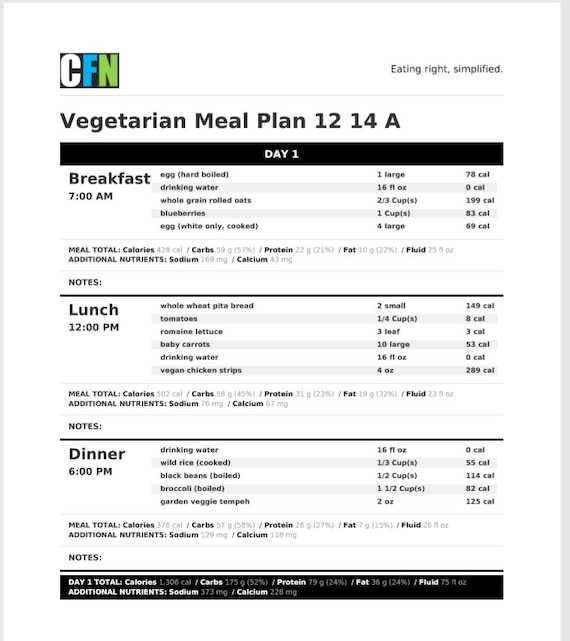
Looking for an effective and delicious way to shed pounds on a vegetarian diet? A well-structured 1400 calorie meal plan can help you reach your weight loss goals without sacrificing flavor or satisfaction. The key is balancing nutrient-dense foods that keep you full and energized throughout the day, while maintaining a calorie deficit. This approach makes it easier to stay motivated and enjoy your journey to a healthier you. Whether you’re new to vegetarianism or looking to refine your weight loss strategy, a thoughtfully designed 1400 calorie plan provides the perfect framework to lose weight steadily and sustainably. Keep reading to discover practical tips, tasty meal ideas, and expert insights on how to make this plan work best for your lifestyle.
A 1400 calorie vegetarian meal plan is an effective way to promote weight loss by focusing on nutritious, low-calorie foods that keep you satisfied. It involves carefully selecting meals that include vegetables, fruits, whole grains, and plant-based proteins to meet your daily nutritional needs. With the right portioning and mindful eating, this plan supports steady weight loss while still allowing room for enjoyable, flavorful meals that fit into a busy lifestyle.

1400 Calorie Meal Plan for Weight Loss Vegetarian
Understanding the Basics of a 1400 Calorie Vegetarian Meal Plan
A 1400 calorie vegetarian meal plan provides a balanced approach to losing weight while enjoying plant-based foods. This plan focuses on portion control and nutrient density to ensure you get essential vitamins and minerals. It helps maintain energy levels without feeling deprived or hungry.
To make this plan effective, it is important to focus on whole grains, lean proteins, healthy fats, and plenty of fruits and vegetables. It simplifies calorie counting and helps establish healthy eating habits. Remember, consistency and variety are key to long-term success.
Essential Nutrients to Include in Your 1400 Calorie Vegetarian Plan
Even with a calorie limit, your diet should include all essential nutrients. These include protein, fiber, vitamins, and minerals. Adequate protein sources help preserve muscle and keep you full longer.
Fiber-rich foods like fruits, vegetables, and whole grains improve digestion and promote satiety. Nutrients such as iron, calcium, and vitamin B12 are important and may require careful combination of foods or supplements. Planning helps you meet your nutritional needs without exceeding your calorie goal.
Sample Daily Meal Breakdown
A well-structured day on this plan may look like this:
- Breakfast: Oatmeal with fresh berries and a tablespoon of almond butter.
- Mid-Morning Snack: A small handful of mixed nuts and an apple.
- Lunch: Quinoa salad with chickpeas, cucumbers, tomatoes, and a lemon-tahini dressing.
- Afternoon Snack: Carrot sticks with hummus.
- Dinner: Stir-fried tofu with mixed vegetables and brown rice.
- Evening Snack: Greek yogurt with a sprinkle of chia seeds.
Each meal is designed to balance calories while providing vital nutrients to support your weight loss journey.
Meal Planning Tips for Success
Planning is crucial for staying on track with a 1400 calorie vegetarian plan. Prepare your meals ahead of time and measure portions accurately. Focus on filling half your plate with vegetables, a quarter with whole grains, and the remaining quarter with protein.
Incorporate a variety of colors and textures to keep meals interesting. Keep healthy snacks handy to avoid temptations and maintain steady energy levels. Also, stay hydrated by drinking plenty of water throughout the day.
Healthy Vegetarian Protein Sources
Protein is vital for muscle maintenance and feeling full. Great vegetarian options include:
- Lentils and chickpeas
- Tofu and tempeh
- Quinoa and amaranth
- Greek yogurt and cottage cheese
- Nuts and seeds such as chia, flax, and sunflower seeds
Including these in your meals ensures you meet protein needs without exceeding calorie limits.
Incorporating Fruits and Vegetables for Maximum Benefit
Fruits and vegetables are naturally low in calories but rich in fiber, vitamins, and antioxidants. They add flavor, color, and nutrients to your meals. Aim for at least five servings daily to promote fullness and better health.
Choose seasonal produce to enjoy fresh flavors and cost savings. Use fruits in breakfast bowls and snacks, and add vegetables to salads, stir-fries, and soups. Diversifying your options prevents boredom and ensures a broad spectrum of nutrients.
Healthy Fats for a Vegetarian Diet
Far from being harmful, healthy fats support brain health, hormone production, and nutrient absorption. Include sources such as avocados, nuts, seeds, and olive oil in moderation.
Limit saturated and trans fats found in processed snacks and fried foods. Use small amounts of healthy oils for cooking and dressings. These fats help you feel satisfied and support overall health while staying within calorie limits.
Sample Weekly Meal Plan
A weekly plan keeps you organized and ensures variety. For example:
- Monday: Breakfast oatmeal, lunch chickpea salad, dinner tofu stir-fry.
- Tuesday: Smoothie with spinach and banana, veggie wrap, lentil soup.
- Wednesday: Yogurt with nuts, quinoa and vegetable bowl, grilled vegetables with hummus.
- Thursday: Whole grain toast with avocado, black bean tacos, vegetable curry.
- Friday: Fruit salad, pasta with tomato sauce and vegetables, roasted veggie medley.
Rotating meals prevents monotony and supplies a broad range of nutrients.
Monitoring Progress and Adjustments
Track your meals and how you feel during the plan to identify what’s working. Use a food journal or apps to help monitor calorie intake and nutritional balance. If you feel overly hungry or tired, recheck your portions or include more fiber-rich foods.
Adjust meal sizes or add small snacks if necessary, always maintaining the 1400 calorie cap. Regular weigh-ins and measurements can help you stay motivated and make timely adjustments.
Addressing Common Challenges
Sticking to a low-calorie vegetarian plan can be tough, especially with cravings or social situations. Ensure your meals are satisfying and include a variety of flavors. Stay hydrated and get enough sleep to reduce hunger cues.
Plan ahead for dining out by choosing dishes with lots of vegetables and requesting modifications to reduce calorie content. Remember, setbacks happen; stay consistent and positive.
Additional Tips for Long-Term Success
Combine your meal plan with regular physical activity for better results. Find enjoyable exercises that motivate you to stay active most days. Focus on mindful eating — take your time and savor each bite.
Stay connected with friends or groups for support. Always listen to your body’s signals and give yourself grace during this journey. Creating sustainable habits leads to lasting weight loss.
Following a 1400 calorie vegetarian meal plan can effectively help you reach your weight loss goals while enjoying nutritious plant-based foods. The key lies in balancing your meals, choosing diverse ingredients, and staying consistent. By including a variety of fruits, vegetables, proteins, and healthy fats, you support both your health and your weight management efforts. Remember, progress builds over time, and small, steady changes lead to lasting results.
1400 calories DIET plan for WEIGHT LOSS
Frequently Asked Questions
How can I ensure I meet my nutritional needs with a 1400 calorie vegetarian meal plan?
To meet your nutritional needs on a 1400 calorie vegetarian plan, include a variety of nutrient-dense foods such as fruits, vegetables, whole grains, legumes, nuts, and seeds. Incorporate sources of protein like beans, lentils, tofu, and dairy products if you consume them. Keep an eye on portion sizes and balance your meals to include essential vitamins and minerals. Consider consulting a registered dietitian to tailor the plan to your individual requirements and ensure you’re getting all necessary nutrients while staying within your calorie limit.
What are some easy vegetarian lunch options for a 1400 calorie daily plan?
Opt for salads topped with beans, grilled vegetables, and a light vinaigrette for a quick and satisfying lunch. Wraps filled with hummus, fresh veggies, and tofu also work well. Additionally, vegetable stir-fries served with brown rice or quinoa provide a nutritious, filling midday meal. Preparing these options in advance can save time and help you stick to your calorie goals effortlessly.
How can I incorporate snacks into my 1400 calorie vegetarian meal plan without overshooting my limit?
Select healthy snacks that are low in calories but high in nutrients, such as fresh fruit, raw vegetables with hummus, or a handful of nuts. Measure out portion sizes to avoid overeating, and opt for snacks that contain a good balance of protein and fiber to promote fullness. Planning your snacks ahead of time ensures you stay within your calorie budget while satisfying your hunger between meals.
Are there any specific foods I should avoid on a low-calorie vegetarian plan?
Limit foods high in added sugars, refined grains, and unhealthy fats, such as fried foods, sugary snacks, and processed baked goods. These items can quickly add up in calories without providing much nutritional value. Instead, focus on whole, unprocessed foods that offer essential nutrients and help you feel satisfied on fewer calories, supporting your weight loss goals effectively.
Final Thoughts
A 1400 calorie meal plan for weight loss vegetarian provides a balanced approach to nutritious eating. It incorporates a variety of vegetables, fruits, whole grains, and plant-based proteins to keep you satisfied. By following this plan, you can effectively manage your calorie intake without sacrificing flavor or nutrition. Staying consistent with this plan can support your weight loss goals while maintaining your well-being.
As an Amazon Associate, We earn from qualifying purchases. When you purchase a product through Amazon links on pulsefitguide.com, we may earn a small commission at no extra cost to you. This helps support the site and keep our content free.
