


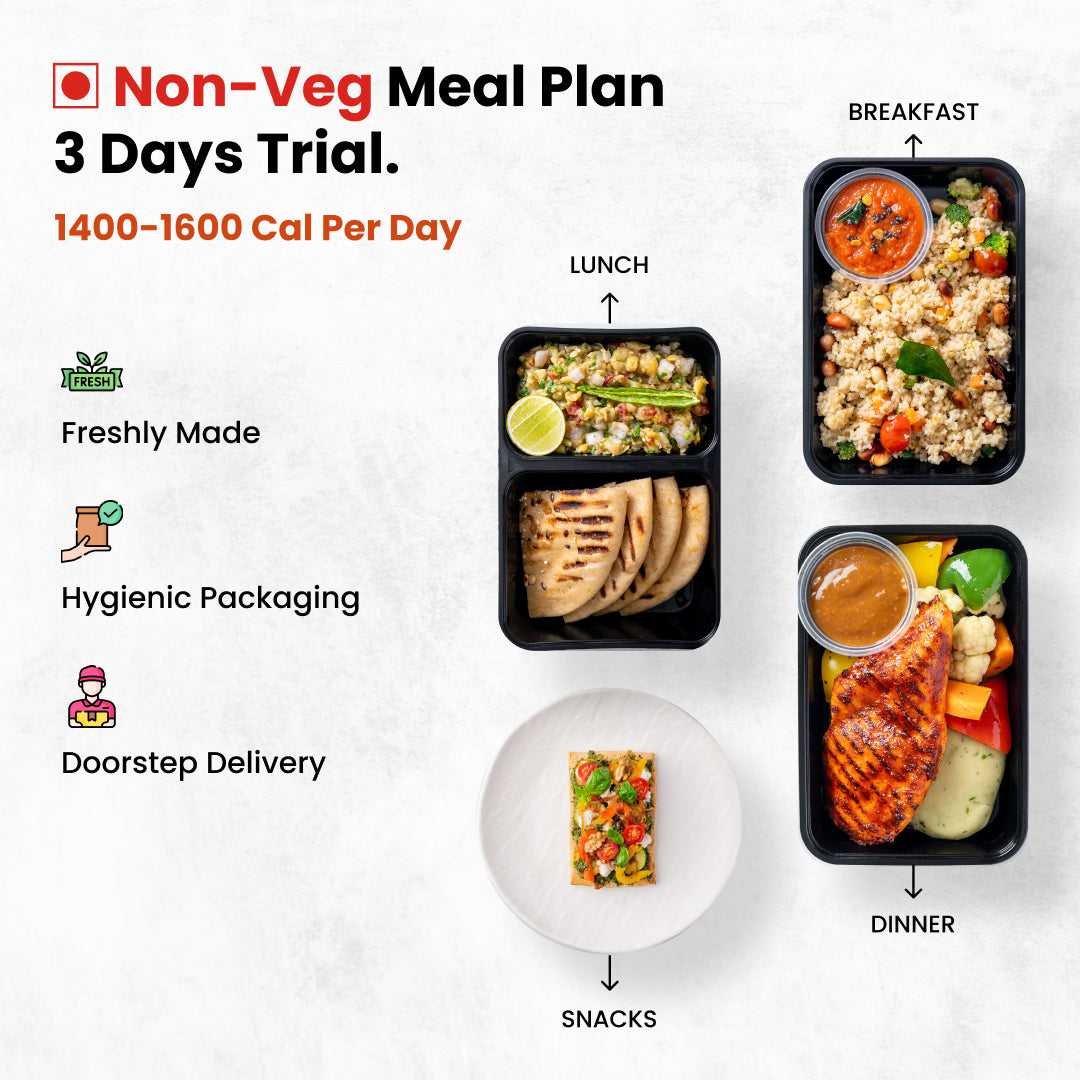
Looking to shed pounds without sacrificing your favorite non-veg foods? A well-structured 1400-calorie meal plan can be your secret weapon for effective weight loss while still enjoying delicious meats and seafood. This plan balances protein, healthy fats, and carbs, helping you stay full and energized throughout the day. The key is choosing nutrient-dense options that keep calories in check but flavor and satisfaction high. With a little planning, you can enjoy flavorful chicken, fish, or lean beef dishes that support your weight loss goals and keep your taste buds happy. In this article, we’ll explore how to create a sustainable 1400-calorie non-veg meal plan that helps you lose weight without feeling deprived.
A 1400-calorie non-veg meal plan is a realistic and enjoyable way to lose weight while still indulging in your favorite meats. It focuses on portion control and nutritious choices to ensure you stay full and satisfied. By balancing meals with lean proteins, vegetables, and healthy fats, you can effectively shed pounds without feeling deprived or hungry.
Starting a weight loss journey doesn’t mean giving up on the foods you love – especially when it comes to non-veg options that add flavor and variety to your diet. With a carefully designed 1400-calorie plan, you can enjoy tasty chicken breasts, fish fillets, or lean cuts of beef while maintaining a calorie deficit. The key is to plan your meals wisely, incorporating plenty of vegetables, whole grains, and healthy fats to keep your energy up and cravings at bay. This approach makes weight loss sustainable, enjoyable, and less stressful, helping you achieve your goals comfortably and confidently.

1400 Calorie Meal Plan for Weight Loss Non Veg
Understanding the Importance of a 1400 Calorie Diet
A 1400 calorie meal plan provides a balanced approach to losing weight while ensuring your body gets necessary nutrients. This calorie range is suitable for many women and some men aiming to reduce weight gradually. It helps improve metabolism and encourages fat burning without feeling overly hungry or deprived.
Benefits of Including Non-Veg in Your Meal Plan
Including non-vegetarian foods provides high-quality protein essential for muscle maintenance and repair. It also supplies vital nutrients like iron, zinc, and B vitamins. Properly incorporating non-veg can make your meal plan more flavorful and satisfying, which supports long-term adherence.
Key Principles for a 1400 Calorie Non Veg Meal Plan
- Focus on lean meats like chicken, turkey, and fish to reduce fat intake.
- Balance protein, carbs, and healthy fats to keep energy levels stable.
- Include plenty of vegetables for fiber and micronutrients.
- Avoid processed meats high in sodium and preservatives.
- Maintain portion control to stay within calorie limits.
Sample 1400 Calorie Meal Plan for Non Veg Diet
Here’s a breakdown of meals to help you stay on track:
| Meal | Food Items | Approximate Calories |
|---|---|---|
| Breakfast | 2 boiled eggs, 1 slice whole-wheat toast, 1 small apple | 350 kcal |
| Mid-Morning Snack | Greek yogurt (unsweetened, plain) with a handful of berries | 150 kcal |
| Lunch | Grilled chicken breast (120 grams), mixed vegetables salad, 1 teaspoon olive oil | 400 kcal |
| Afternoon Snack | Carrot sticks with hummus | 150 kcal |
| Dinner | Baked salmon (150 grams), steamed broccoli, small sweet potato | 350 kcal |
Detailed Meal Breakdown
Breakfast
Starting your day with protein-rich boiled eggs keeps you full longer. Pairing with whole grain toast adds necessary complex carbs for sustained energy. An apple provides fiber and natural sweetness.
Snack Time
Greek yogurt supplies probiotics and protein, aiding digestion and satiety. Berries add antioxidants and flavor with minimal calories.
Lunch
Grilled chicken breast is lean and high in protein, essential for muscle health. The mixed vegetable salad offers vitamins, minerals, and fiber. Drizzling olive oil adds healthy fats and enhances flavor.
Afternoon Snack
Carrot sticks are low in calories and high in fiber. Hummus provides healthy fats and additional protein, making this snack filling.
Dinner
Salmon is rich in omega-3 fatty acids. Pairing it with steamed broccoli boosts vitamin intake. A small sweet potato supplies complex carbs and potassium.
Tips for Planning and Preparing Your Meals
- Cook meats using grilling, baking, or steaming to reduce added fats.
- Use herbs and spices to flavor foods without extra calories.
- Pre-portion meals to control serving sizes easily.
- Prepare meals ahead of time to avoid impulsive eating.
- Stay hydrated with water or herbal teas throughout the day.
Additional Non-Veg Options for Variety
To keep your diet interesting, try incorporating different proteins such as:
- Turkey slices in wraps or salads.
- Cod or haddock for light, flaky fish options.
- Shrimp stir-fried with vegetables.
- Lean cuts of beef like sirloin in small portions.
Rotating these options prevents boredom and ensures a wider range of nutrients.
Balancing Macronutrients for Optimal Results
Proper macronutrient distribution enhances weight loss and preserves muscle. Aim for approximately:
- Protein: 30-35% of total calories
- Carbohydrates: 40-45% of total calories
- Healthy fats: 20-25% of total calories
Adjust portions to meet these ratios within your calorie limits, focusing on lean proteins, whole grains, and healthy fats.
Important Nutritional Focus for a Non Veg 1400 Calorie Plan
Ensure your meal plan supplies:
- Iron from meats and leafy greens
- Omega-3 fatty acids from fish like salmon
- Vitamin B12 from animal sources
- Calcium from dairy or fortified plant-based options
These nutrients support overall health, immunity, and energy levels.
Monitoring Progress and Adjustments
Track your food intake using a journal or app. Observe how your body responds and adjust portions or food choices accordingly. Consistency is key for steady weight loss within your calorie goal.
Risks and Precautions
Always consult healthcare professionals before starting a new diet, especially if you have underlying health conditions. Avoid extreme calorie restriction and focus on nourishing, balanced meals.
A well-planned 1400 calorie non-veg diet can help you shed pounds healthily while enjoying flavorful, satisfying meals. Focus on lean proteins, fresh vegetables, and controlled portions to make your weight loss journey effective and sustainable. Remember, consistency and balanced eating are your best tools to reach your goals.
HEALTHY WEIGHT LOSS DIET PLAN I 1400 KCAL +75G PROTEIN I VEG AND NON VEG MIXED
Frequently Asked Questions
What are some meal options to include in a 1400-calorie non-veg weight loss plan?
To stick to a 1400-calorie limit, focus on lean protein sources like chicken breast, turkey, fish, and eggs. Incorporate plenty of vegetables such as spinach, broccoli, and peppers to add fiber and nutrients without extra calories. Use healthy cooking methods like grilling, baking, or steaming, and limit added fats and oils. Include small portions of whole grains like quinoa or brown rice to balance your meals. Planning meals with these options helps maintain energy levels while keeping calorie intake in check.
How can I ensure that I get enough protein on a 1400-calorie non-veg meal plan?
Prioritize high-protein foods such as skinless chicken breast, turkey, and fish like salmon or cod. Incorporate eggs and low-fat dairy products to boost protein intake. Additionally, include legumes like lentils or chickpeas to diversify sources. Spreading protein-rich foods across all meals and snacks ensures your body receives enough amino acids to support muscle health and fullness, which is essential during weight loss.
Are there snacks suitable for a 1400-calorie non-veg meal plan?
Yes, choose healthy snacks that provide satiety without exceeding your calorie goal. Options like a handful of unsalted nuts, Greek yogurt, or sliced vegetables with hummus work well. A boiled egg or a small portion of cottage cheese also make satisfying snacks. Planning snacks that incorporate protein and fiber helps maintain energy levels and reduces hunger throughout the day.
What tips can help me stay within my calorie limit while enjoying non-veg foods?
Use a food diary or tracking app to monitor your calorie intake daily. Practice portion control by measuring servings accurately. Focus on cooking methods that add minimal calories, such as grilling or steaming, rather than frying. Limit added fats like butter or creamy sauces, and season foods with herbs and spices instead. Planning your meals ahead of time helps avoid impulsive eating and keeps you aligned with your calorie goals.
Can I modify the meal plan for different dietary preferences while maintaining 1400 calories?
Absolutely. You can swap different types of lean meats, such as replacing chicken with lean beef or fish, to suit your taste. Incorporate various vegetables and whole grains to add variety. Adjust portion sizes as needed to stay within your calorie limit. The key is to focus on nutrient-dense, low-calorie foods that satisfy your preferences while supporting your weight loss goals.
Final Thoughts
A 1400 calorie meal plan for weight loss non veg offers a balanced approach to healthy eating. It includes lean meats, vegetables, and healthy fats that promote satiety and nutritional benefits. Following this plan helps maintain energy levels while reducing calorie intake. Consistency and portion control are key to achieving your weight loss goals effectively.
As an Amazon Associate, We earn from qualifying purchases. When you purchase a product through Amazon links on pulsefitguide.com, we may earn a small commission at no extra cost to you. This helps support the site and keep our content free.
