


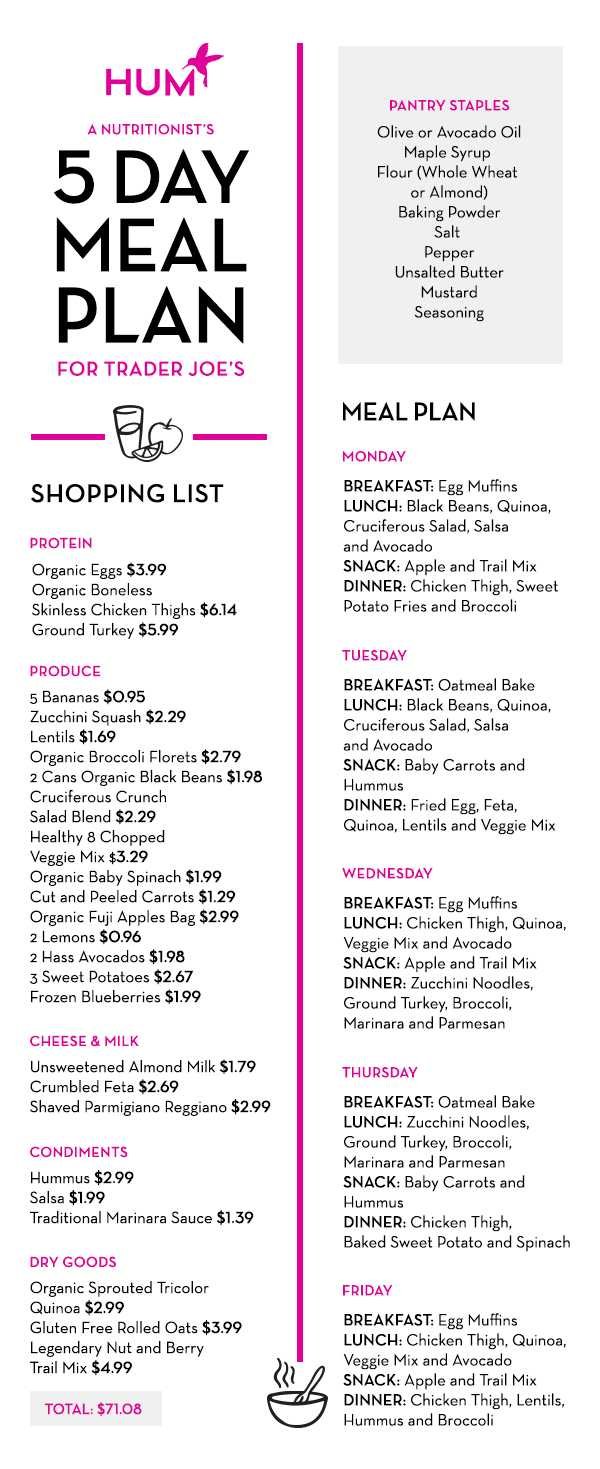
To kickstart your weight loss journey, focus on a balanced meal plan rich in whole foods, lean proteins, and fiber, complemented by a tailored grocery list to keep you on track. Prepare meals ahead of time to avoid impulsive snacking, and stay consistent with your portions and choices to see results faster. In short, a well-structured meal plan combined with an organized grocery list can simplify your weight loss efforts and help you stay motivated throughout your journey.
Achieving your weight loss goals is easier when you have a clear meal plan and a prepared grocery list that aligns with your healthy eating goals. By incorporating nutritious, satisfying foods and minimizing processed items, you can maintain your energy and curb cravings effectively. This article provides a simple, effective meal plan for weight loss along with a comprehensive grocery list to make shopping hassle-free and your progress steady.
Starting a weight loss plan doesn’t have to be overwhelming. With the right combination of delicious, nutritious meals and a straightforward grocery list, you can stay motivated and on track. This plan emphasizes lean proteins, vegetables, healthy fats, and whole grains, ensuring you’re satisfied and energized while shedding unwanted pounds. Whether you’re planning your weekly meals or grocery shopping, this guide makes it easy to stay committed and see results without feeling deprived or overwhelmed.

Meal Plan for Weight Loss with Grocery List: A Simple Guide to Feeling Great and Shedding Pounds
Creating a meal plan that helps with weight loss doesn’t have to be complicated. You just need the right foods, a good grocery list, and a plan to stay on track. This guide will walk you through everything step-by-step so you can enjoy tasty meals while losing weight.
Why a Structured Meal Plan Helps with Weight Loss
Having a meal plan keeps you organized and reduces the chances of overeating or choosing unhealthy foods. It also ensures you get all the nutrients your body needs. Plus, planning ahead saves time and money in the long run.
By sticking to a meal plan, you control portion sizes and avoid impulsive snacks. This approach makes it easier to stay within your daily calorie goals. A well-thought-out plan supports steady, healthy weight loss.
How to Build Your Meal Plan for Weight Loss
Start by determining your daily calorie limit based on your age, height, weight, and activity level. A registered dietitian can help you set an appropriate goal.
Choose foods rich in nutrients but low in empty calories. Focus on lean proteins, whole grains, fruits, vegetables, and healthy fats. Incorporate variety to keep meals interesting and satisfying.
Divide your daily calories into three main meals and healthy snacks. This helps maintain energy and prevents hunger throughout the day.
Sample daily distribution: Breakfast (25%), Lunch (30%), Dinner (30%), Snacks (15%). Adjust according to your preferences and lifestyle.
Key Components of a Weight Loss Meal Plan
Lean Proteins
Protein helps build muscle and keeps you full longer. Options include chicken breast, turkey, fish, tofu, eggs, and low-fat dairy. Aim for at least one serving of protein at each meal.
Whole Grains
Whole grains provide fiber, which aids digestion and promotes fullness. Choose brown rice, quinoa, oats, whole wheat bread, and whole grain pasta.
Fruits and Vegetables
Fill half your plate with fruits and vegetables. They are low in calories but high in vitamins, minerals, and fiber. Include a variety of colors and types for diverse nutrients.
Healthy Fats
Incorporate sources of good fats like avocados, nuts, seeds, and olive oil. These fats support heart health and satiety without adding too many calories.
Sample Meal Plan for One Day
Here is a simple example to give you ideas for your weekly meal plan:
| Meal | Food Items | Calories (Approximate) |
|---|---|---|
| Breakfast | Oatmeal with berries and a boiled egg | 350 |
| Lunch | Grilled chicken salad with mixed greens and vinaigrette | 450 |
| Snack | Apple slices with a tablespoon of almond butter | 200 |
| Dinner | Baked salmon with steamed broccoli and quinoa | 500 |
Grocery List for a Weight Loss Meal Plan
Here’s a comprehensive list to stock your kitchen. Stick to these items for the best results:
Proteins
- Chicken breasts
- Turkey slices or ground turkey
- Fresh fish like salmon, tilapia, or cod
- Eggs and egg whites
- Low-fat Greek yogurt
- Tofu or tempeh
Grains and Legumes
- Brown rice
- Quinoa
- Oats (plain rolled oats or steel-cut)
- Whole wheat bread and wraps
- Black beans, chickpeas, and lentils
Fruits
- Apples
- Berries (strawberries, blueberries, raspberries)
- Bananas
- Oranges or mandarins
- Melons or grapes
Vegetables
- Spinach and kale
- Broccoli and cauliflower
- Carrots and bell peppers
- Cucumbers and celery
- Zucchini and eggplant
Healthy Fats
- Avocados
- Mixed nuts (almonds, walnuts)
- Chia and flax seeds
- Olive oil and coconut oil
Other Essentials
- Herbs and spices (garlic, turmeric, pepper, cinnamon)
- Vinegars (balsamic, apple cider)
- Low-sodium condiments
- Unsweetened almond or soy milk
Meal Prep Tips for Success
Prepare meals ahead of time to save during busy days. Use containers to store portions so you can grab and go.
Batch cooking grains and proteins simplifies the process and reduces stress. Keep healthy snacks accessible to avoid temptations.
Maintain variety in your meals to prevent boredom. Experiment with herbs, spices, and different vegetables to keep things fun.
Healthy Alternatives for Common Snacks and Beverages
- Swap potato chips for air-popped popcorn or roasted chickpeas
- Replace sugary drinks with infused water or herbal teas
- Choose fresh fruit over candy or pastries
- Use Greek yogurt instead of sour cream or mayonnaise
Tracking Your Progress and Staying Motivated
Use a journal or an app to record meals, snacks, and physical activity. Tracking helps identify patterns and keeps you accountable.
Set small, achievable goals and celebrate your milestones. Remember, consistency is key to successful weight loss.
Stay positive and adjust your plan if needed. Listen to your body and make changes that suit your lifestyle and preferences.
Additional Resources for Meal Planning
Look for online meal plans tailored to weight loss that include shopping lists and recipes. Many websites and apps offer free customizations.
Join community groups or find a buddy to stay motivated. Sharing your journey can help keep you committed and inspired.
Finally, consult with a healthcare professional or dietitian for personalized advice and support throughout your weight loss journey.
Losing weight on a 50$ dollar budget- Sample meal plan – Grocery List
Frequently Asked Questions
How can I customize a meal plan for my specific dietary needs?
To tailor a meal plan for your dietary preferences, start by identifying your nutritional goals and any restrictions you have, such as allergies or intolerances. Incorporate a variety of lean proteins, whole grains, fruits, and vegetables to ensure balanced nutrition. Adjust portion sizes and food choices based on your energy needs and consult a nutritionist if necessary. Planning meals ahead of time helps you stay on track and make healthier selections.
What are some effective ways to stick to a grocery list for weight loss?
Stick to your grocery list by shopping with a clear plan and avoiding impulsive purchases. Prepare your list based on your weekly meal plan, and shop the perimeter of the store where fresh produce, meats, and dairy are typically located. Consider shopping when you’re not hungry to prevent temptations. Using a digital or written list helps you stay focused and ensures you pick only the necessary items aligned with your weight-loss goals.
How can I include variety in my meal plan without complicating grocery shopping?
Maintain variety by rotating different proteins, vegetables, and grains throughout the week. Use versatile ingredients like eggs, chicken, and leafy greens in multiple recipes to keep things interesting. Plan meals with overlapping ingredients to simplify shopping and reduce waste. Incorporate seasonal produce to add fresh flavors and nutrients without needing to buy an extensive array of items each week.
What are some tips for preparing meals in advance to support weight loss?
Prepare meals in bulk by cooking larger portions and storing them in portion-controlled containers. Use methods like batch cooking on weekends to save time during busy weekdays. Focus on preparing balanced meals with adequate protein, fiber, and healthy fats to promote satiety. Label your meals clearly and keep them refrigerated or frozen to ensure freshness and convenience throughout the week.
Which kitchen staples should I include in my grocery list for a sustainable weight loss meal plan?
Include staples such as lean proteins like chicken breasts and fish, a variety of fresh or frozen vegetables, whole grains like brown rice and oats, and healthy fats such as nuts, seeds, and olive oil. Stock up on herbs and spices to add flavor without extra calories. Having these essentials on hand makes it easier to prepare nutritious, satisfying meals consistently and stick to your weight management goals.
Final Thoughts
A well-designed meal plan for weight loss with grocery list simplifies healthy eating. Focus on incorporating nutrient-dense foods like vegetables, lean proteins, and whole grains to stay full longer. Keep your grocery list organized with essentials such as fruits, nuts, and low-fat dairy.
Planning ahead helps you avoid unhealthy choices and stay committed to your goals. Make sure to include variety to prevent boredom and promote balanced nutrition. This approach ensures steady progress and a sustainable lifestyle.
As an Amazon Associate, We earn from qualifying purchases. When you purchase a product through Amazon links on pulsefitguide.com, we may earn a small commission at no extra cost to you. This helps support the site and keep our content free.
