


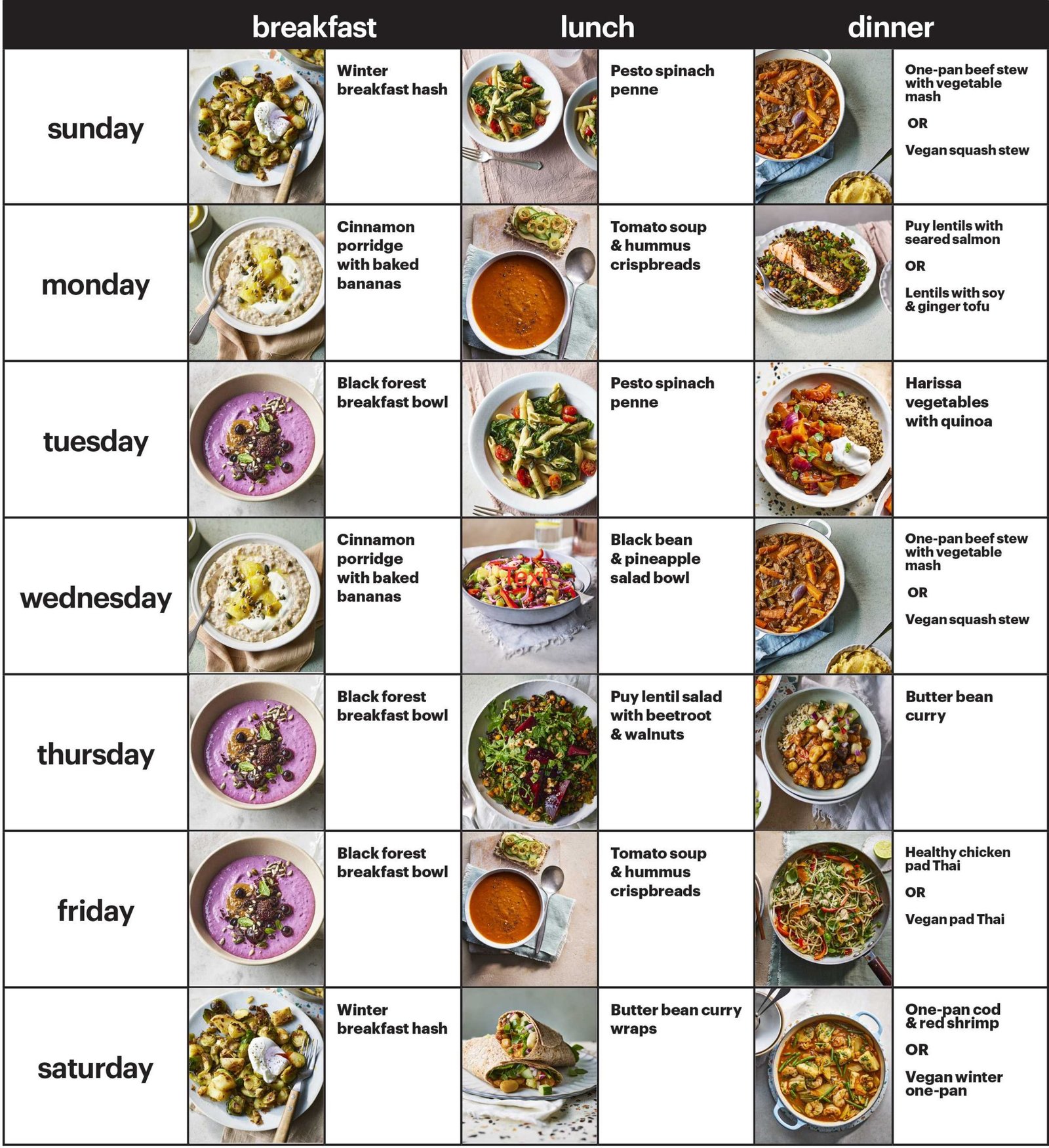
Looking to shed a few pounds and feel more energized? A well-balanced meal plan tailored for women can make all the difference. Focus on nutrient-dense foods, portion control, and regular meal timings to accelerate your weight loss journey. Incorporating plenty of vegetables, lean proteins, healthy fats, and complex carbs helps keep hunger at bay while promoting fat loss. Staying hydrated and avoiding processed foods also plays a crucial role. With the right meal plan, women can enjoy satisfying meals that support their goals without feeling deprived or overwhelmed.
In short, a successful weight loss meal plan for women involves eating a variety of wholesome foods in controlled portions, emphasizing protein and fiber while cutting back on sugars and unhealthy fats. Consistency and mindfulness in eating habits are key to achieving sustainable results.
Starting your weight loss journey doesn’t mean giving up delicious food—it’s about making smarter choices that nourish your body and keep you motivated. A simple, flexible meal plan can help you stay on track while enjoying tasty, nutritious meals every day.

Meal Plan for Weight Loss for Women
Understanding the Basics of a Weight Loss Meal Plan
Creating an effective meal plan for women who want to lose weight involves balancing nutrients while reducing calorie intake. It focuses on healthy foods that nourish the body and boost metabolism. The plan should be sustainable and enjoyable to help stick with it long-term.
A good meal plan emphasizes portion control, balanced macros, and variety to prevent boredom. Incorporating fruits, vegetables, lean proteins, and whole grains is essential. Avoiding processed foods and added sugars is also crucial for effective weight loss.
Key Nutrients for Women on a Weight Loss Journey
Women need specific nutrients to support weight loss and overall health. Protein is vital because it helps build and repair tissues and keeps you full longer. Healthy fats from sources like avocados and nuts support hormone balance and brain function.
Carbohydrates provide energy but should come from complex sources like oats, brown rice, and sweet potatoes. Fiber from fruits, vegetables, and whole grains promotes digestion and satiety. Drinking plenty of water and reducing sugary beverages support weight loss efforts.
Sample Daily Meal Plan for Women
Below is a balanced daily meal plan to follow or adapt according to personal preferences and calorie needs:
| Meal | Food Choices | Notes |
|---|---|---|
| Breakfast | Oatmeal topped with berries and a teaspoon of honey | Provides fiber and antioxidants |
| Mid-Morning Snack | Greek yogurt with a handful of nuts | Rich in protein and healthy fats |
| Lunch | Grilled chicken salad with mixed greens, cherry tomatoes, cucumbers, and olive oil vinaigrette | Low-calorie, nutrient-dense meal |
| Afternoon Snack | Apple slices with almond butter | Offers fiber and healthy fats |
| Dinner | Baked salmon, steamed broccoli, and quinoa | High in omega-3s and fiber |
| Evening Snack | Cucumber and carrot sticks with hummus | Light snack to prevent late-night hunger |
Portion Control and Calorie Management
Controlling portion sizes helps manage calorie intake without feeling deprived. Use smaller plates and bowls to trick the eye into thinking you’re eating more. Measuring portions with cups or a food scale routinely can help develop awareness.
Women aiming to lose weight should typically consume between 1200 to 1500 calories daily, but it varies based on age, activity level, and metabolic rate. Consulting with a healthcare provider ensures the plan suits personal needs.
Incorporating Snacks Wisely
Snacks can help control hunger and prevent overeating during main meals. Choose nutrient-dense options like nuts, fruits, or vegetables. Keep snack portions small, focusing on quality over quantity.
Avoid high-sugar snacks or processed foods that spike blood sugar levels. Preparing snacks ahead of time ensures healthier choices are available when cravings hit.
Meal Prep Tips for Success
Planning meals in advance helps maintain consistency and saves time during busy days. Batch cooking and freezing portions make it easier to stick to your plan.
Invest in good-quality storage containers and label meals to keep track of freshness. Incorporate a variety of recipes to prevent monotony and keep mealtime exciting.
Adding Superfoods to Your Meal Plan
Superfoods can boost your weight loss journey with their nutrient profiles. Blueberries, spinach, chia seeds, and salmon are excellent choices.
Including these foods regularly can improve digestion, boost energy, and provide antioxidants that support overall health. Try adding chia seeds to smoothies or spinach to salads for extra nutrients.
Balancing Carbohydrates, Proteins, and Fats
A healthy meal balances macronutrients for sustained energy and fullness. Aim for roughly 40% carbs, 30% proteins, and 30% fats.
For example, grilled chicken with sweet potato and a side of avocado offers a good balance of macronutrients. Adjust portions based on personal goals and activity levels.
Meal Ideas for Different Dietary Preferences
Women with vegetarian or vegan diets can include options like lentil soups, tofu stir-fries, and veggie salads. Incorporate plant-based proteins and whole grains.
Gluten-free options include quinoa, rice, and gluten-free oats. Focus on natural, unprocessed foods to stay on track.
Monitoring Progress and Making Adjustments
Track your meals and progress with a journal or app to identify patterns and areas for improvement. Adjust calorie intake and food choices based on results and how you feel.
Regularly updating your meal plan keeps it aligned with changing needs and prevents plateaus. Celebrate small achievements to stay motivated.
Additional Tips for Effective Weight Loss
Eat slowly and mindfully to recognize hunger and fullness cues better. Incorporate regular physical activity alongside your meal plan.
Get enough sleep as it influences hunger hormones and metabolic rate. Managing stress levels is also important, as stress can trigger overeating or cravings.
A well-designed meal plan for weight loss for women focuses on healthy, balanced foods and portion control. It should include a variety of nutrient-dense options that satisfy hunger and boost metabolism.
Consistency is key to seeing sustainable results, so choose foods you enjoy and can stick with long-term. Remember, making small, manageable changes can lead to lasting weight loss success.
The Best Weight Loss Diet Plan for Women
Frequently Asked Questions
How can I ensure my meal plan includes enough nutrients while aiming for weight loss?
To balance your meal plan, incorporate a variety of nutrient-dense foods such as lean proteins, whole grains, fruits, and vegetables. Prioritize foods rich in vitamins and minerals, and limit processed items and sugars. Planning meals ahead of time helps you maintain this balance and avoid reaching for less healthy options when hungry.
What are some practical tips for sticking to a meal plan during busy days?
Prepare meals and snacks in advance to save time during hectic days. Keep healthy options like nuts, fruits, or yogurt accessible for quick snacks. Consistent meal times and avoiding skipping meals help control hunger and prevent overeating. Also, carrying a reusable water bottle encourages hydration, which supports weight management efforts.
How can I modify my meal plan if I hit a weight loss plateau?
Review your current intake to identify caloric or portion inconsistencies. Consider adjusting your calorie intake slightly and increasing physical activity. Incorporate more high-fiber foods to improve satiety, and vary your meals to prevent boredom. Tracking your progress helps you make informed adjustments to continue losing weight effectively.
What role does hydration play in a weight loss meal plan?
Staying well-hydrated supports metabolism and helps control appetite. Drinking plenty of water throughout the day can prevent confusion between thirst and hunger, reducing unnecessary snacking. Aim for at least 8 glasses of water daily, and include hydrating foods like cucumbers and water-rich fruits to enhance hydration levels.
Final Thoughts
A well-balanced meal plan for weight loss for women emphasizes nutritious, portion-controlled meals that satisfy hunger without excess calories. Incorporate plenty of vegetables, lean proteins, and whole grains to support energy and satiety. Stay consistent and mindful of your eating habits to see sustainable results. Choosing the right meal plan helps promote weight loss while maintaining overall health.
As an Amazon Associate, We earn from qualifying purchases. When you purchase a product through Amazon links on pulsefitguide.com, we may earn a small commission at no extra cost to you. This helps support the site and keep our content free.
