


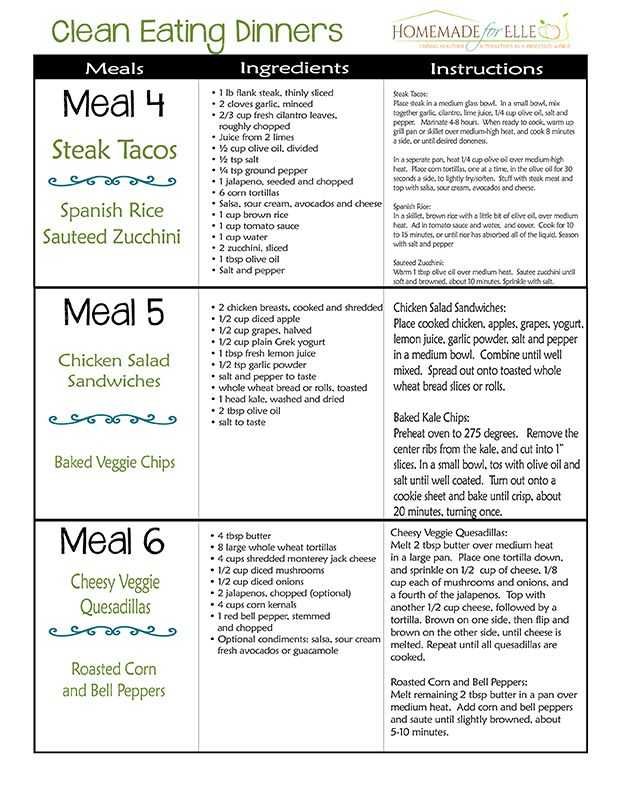
Looking to adopt a healthy vegetarian lifestyle without breaking the bank? A vegetarian clean eating plan on a budget focuses on simple, minimally processed plant-based foods that are affordable yet nutritious. By choosing seasonal produce, bulk grains, and cost-effective protein sources like beans and lentils, you can enjoy delicious meals that nourish your body without overspending. This approach emphasizes whole foods, reducing reliance on pricey processed products, and encourages mindful shopping habits to maximize your budget. Whether you’re new to clean eating or a seasoned vegetarian, you can create satisfying, healthy meals without draining your wallet, making this lifestyle sustainable and enjoyable.
A vegetarian clean eating plan on a budget involves selecting fresh, minimally processed plant foods that are affordable. It emphasizes whole grains, legumes, seasonal vegetables, and affordable protein options to maintain a nutritious diet while keeping costs low. This approach promotes healthy eating habits that are sustainable and accessible for everyone.
Switching to a vegetarian clean eating plan on a budget can seem daunting at first, but with a few strategic choices, it’s entirely achievable. You don’t need expensive superfoods or specialty ingredients to enjoy a vibrant, nutritious diet. Instead, focus on buying in bulk, choosing seasonal produce, and planning meals around affordable staples like beans, rice, oats, and frozen vegetables. This way, you nourish your body with wholesome foods while staying within your financial limits. It’s about making smarter shopping decisions, cooking at home more often, and appreciating the natural flavors of plant-based ingredients. With these tips, you can embrace a clean, vegetarian lifestyle that’s both healthy and budget-friendly.

What is a Vegetarian Clean Eating Plan on a Budget?
A vegetarian clean eating plan on a budget focuses on consuming whole, minimally processed foods without spending too much money. It emphasizes plant-based foods like fruits, vegetables, whole grains, nuts, and legumes. This approach is great for maintaining good health while saving money.
Many think eating clean and vegetarian diets are expensive, but with the right planning, they can be affordable. The goal is to choose budget-friendly ingredients that are nutritious and versatile.
Understanding Vegetarian Clean Eating
Vegetarian clean eating avoids processed foods, added sugars, and artificial ingredients. It centers on natural foods that are as close to their original form as possible. This diet can include dairy and eggs if you follow a lacto-ovo vegetarian plan.
Eating clean means focusing on foods rich in nutrients. It involves preparing meals at home to control what goes into your food, which helps save money and improves health.
Why Choose a Budget-Friendly Approach?
Budget-friendly eating plans help make healthy eating sustainable over time. They prevent overspending on expensive superfoods or frequent takeout. Sticking to a budget also encourages creativity in recipes and meal planning.
By choosing affordable, nutritious ingredients, you can enjoy a variety of meals without compromising health or finances. This approach is perfect for students, families, or anyone trying to eat healthier on a tight budget.
Core Principles of a Vegetarian Clean Eating Plan on a Budget
- Focus on whole foods instead of processed snacks or quick meals.
- Plan meals ahead to avoid impulse purchases and waste.
- Buy seasonal fruits and vegetables—they tend to be less expensive and fresher.
- Cook in bulk to save time and money for multiple meals.
- Use versatile ingredients that can be used across different recipes.
- Limit imported or specialty products that tend to be more costly.
- Incorporate plant-based proteins like beans, lentils, and chickpeas, which are affordable and nutritious.
Key Food Groups in a Vegetarian Clean Eating Diet
Fruits and Vegetables
Fresh, seasonal fruits and vegetables should be the foundation of your meal plan. They provide essential vitamins, minerals, and antioxidants. Buying in bulk or frozen options can reduce costs.
Whole Grains
Brown rice, oats, quinoa, and barley are economical choices that add fiber and energy to your meals. They are filling and can be used in breakfast dishes, salads, or side dishes.
Legumes and Pulses
Beans, lentils, chickpeas, and peas are protein-rich, inexpensive, and widely available. They help meet nutritional needs and are perfect for soups, stews, and salads.
Nuts and Seeds
While some can be pricey, buying in bulk or opting for smaller portions makes them affordable. They add healthy fats and flavor to dishes.
Dairy and Eggs
If you include these, opt for store brands or sale items. Eggs are especially affordable protein sources, and plain yogurt can be a nutritious snack or ingredient.
Sample Budget-Friendly Meal Planning Tips
1. Use Simple, Staple Ingredients
Examples include rice, beans, and frozen vegetables. These staples can create numerous meal options while keeping costs low.
2. Embrace Batch Cooking
Prepare large quantities of soups, stews, or grain bowls. Freeze leftovers for busy days, saving both time and money.
3. Shop Smart
Compare prices regularly and buy store brands. Look for discounts on perishables and consider shopping at local farmers’ markets near closing time for bargains.
4. Grow Your Own
If space allows, cultivate herbs, tomatoes, or greens. Gardening can significantly cut grocery costs and ensure access to fresh produce.
Sample Budget-Friendly Vegetarian Recipes
Hearty Lentil Soup
Use lentils, carrots, onions, and canned tomatoes. It’s nourishing, filling, and budget-friendly. Make a large pot and enjoy several meals.
Vegetable Stir-Fry with Brown Rice
Utilize frozen mixed vegetables and serve over whole grains. Add soy sauce or spices for flavor without extra cost.
Chickpea Salad Wraps
Combine canned chickpeas, chopped vegetables, and spices. Wrap in whole wheat tortillas for a quick, affordable lunch.
Additional Tips for Staying on Budget
- Limit eating out or buying pre-packaged snacks.
- Plan weekly menus based on what’s on sale.
- Use leftovers creatively to avoid food waste.
- Stay flexible with ingredient choices based on discounts and seasonal availability.
Balancing Nutrition and Cost
Ensuring your diet is balanced involves combining various food groups and including adequate protein, fiber, and healthy fats. Affordable plant-based proteins like beans and lentils can meet most nutritional needs.
Incorporating colorful fruits and vegetables ensures a range of nutrients without extra expense. Keep an eye out for sales and discounts to maximize your nutrition-to-cost ratio.
Tools and Resources for Budget-Friendly Vegetarian Clean Eating
- Meal planning apps to organize shopping lists and recipes.
- Budget-friendly grocery store guides and flyers.
- Community gardens and local farmers’ markets for fresh produce.
- Online recipe blogs focused on affordable vegetarian meals.
Starting with a clear plan and using available resources can make vegetarian clean eating both enjoyable and economical. Remember, small changes can lead to big savings and health benefits over time.
Frequently Asked Questions
What are some affordable sources of vegetarian protein for this type of eating plan?
Legumes such as lentils, chickpeas, and black beans provide excellent protein at low cost. Tofu and tempeh are also budget-friendly options that can be incorporated into various meals. Additionally, whole grains like quinoa and oats contribute some protein while being affordable and versatile.
How can I plan my grocery shopping to stick to a budget while maintaining a clean vegetarian diet?
Creating a weekly meal plan helps you buy only what you need, reducing waste and unnecessary expenses. Focus on buying in bulk, especially staples like rice, beans, and oats. Shop seasonal produce and consider local markets for fresh, affordable vegetables and fruits. Preparing homemade meals instead of processed foods also lowers costs.
What are some cost-effective ways to add variety to a vegetarian clean eating plan?
Use a variety of vegetables, grains, and legumes to keep meals interesting without increasing expenses. Experiment with different spices and herbs to enhance flavors naturally. Incorporate different cooking methods, such as roasting, steaming, or stir-frying, to bring diversity to your meals. Additionally, try making your own simple snacks like veggie dips or energy balls to save money.
Are there any specific inexpensive ingredients to include regularly in this eating plan?
Affordable ingredients include frozen vegetables, canned beans, and dried legumes which last longer and are easy to store. Whole grains like brown rice, whole wheat pasta, and oats are economical and nutritious. Fresh seasonal produce, when bought in bulk, also helps keep costs down.
How can I ensure my vegetarian meals are nutritious while staying within a limited budget?
Focus on combining inexpensive, nutrient-dense foods like beans, lentils, vegetables, and whole grains. Incorporate a variety of colorful produce to get essential vitamins and minerals. Avoid processed vegetarian foods, which tend to be more expensive and less healthy. Planning meals ahead of time ensures balanced nutrition without overspending.
Final Thoughts
A vegetarian clean eating plan on a budget emphasizes affordable, plant-based whole foods. It focuses on simple ingredients like beans, lentils, seasonal vegetables, and grains to keep costs low. Planning meals ahead helps avoid unnecessary expenses and reduces food waste.
By choosing seasonal produce and buying in bulk, you can enjoy nutritious meals without overspending. This approach promotes health and savings simultaneously.
What is a vegetarian clean eating plan on a budget? It combines cost-effective choices with wholesome, plant-based foods to support a healthy lifestyle without breaking the bank.
As an Amazon Associate, We earn from qualifying purchases. When you purchase a product through Amazon links on pulsefitguide.com, we may earn a small commission at no extra cost to you. This helps support the site and keep our content free.
