


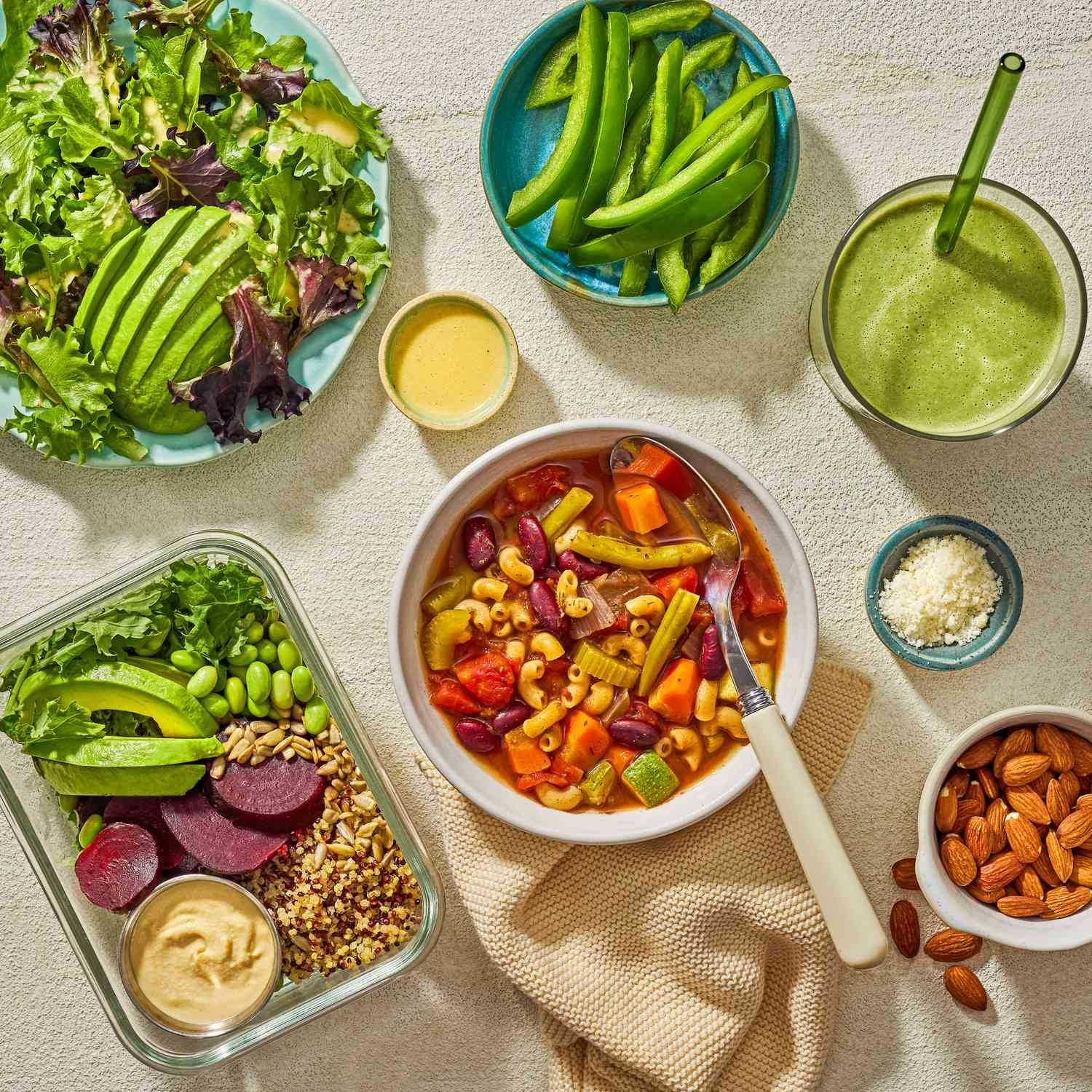
Looking to enjoy healthy, delicious meals without breaking the bank? The best budget clean eating meals are simple, nourishing dishes made from affordable ingredients like beans, grains, seasonal veggies, and lean proteins. These meals not only save money but also boost your energy and improve your overall well-being. The secret is to focus on whole, minimally processed foods that are easy to prepare and versatile, so you can get the most mileage out of your grocery budget. In this article, we’ll explore some of the top cost-effective options for clean eating that fit into any lifestyle, proving that eating healthy doesn’t have to be expensive or complicated.
If you want to eat clean on a budget, start with meals that use affordable staples like rice, beans, eggs, and frozen vegetables. These ingredients form the foundation for hearty, nutritious dishes that keep your wallet happy while nourishing your body. By planning simple recipes and shopping smart, you can enjoy a variety of wholesome meals without overspending or sacrificing flavor.

What are the best budget clean eating meals?
Understanding Clean Eating on a Budget
Clean eating focuses on consuming whole, minimally processed foods. It encourages eating fruits, vegetables, lean proteins, and whole grains. Doing this without overspending is possible with some smart shopping and meal planning.
Choosing affordable ingredients is key. Often, healthy options like beans, oats, and seasonal produce come at lower prices. Planning meals ahead helps avoid impulse buys that can increase costs.
Benefits of Budget-Friendly Clean Eating
Eating clean and inexpensive offers many advantages. It helps you maintain a healthy weight and boosts your energy levels. Plus, it saves money over time by cutting out processed and fast foods.
Additionally, preparing your own meals allows control over ingredients. This reduces intake of added sugars, preservatives, and unhealthy fats, aligning with clean eating principles.
Cost-Effective Proteins for Clean Meals
Proteins are vital for a balanced diet. Affordable options include eggs, canned tuna, and dried beans. These not only provide essential nutrients but also last long in your pantry.
Other affordable proteins are chicken thighs, lentils, and Greek yogurt. Incorporating these into your meals keeps your protein intake high without breaking the bank.
Eggs
Eggs are inexpensive and versatile. They can be eaten boiled, scrambled, or made into omelets. Using eggs regularly can meet protein needs economically.
Canned Fish
Canned tuna and salmon offer omega-3 fats and protein. They’re perfect for salads, sandwiches, or quick rice bowls. Their shelf stability makes them a budget-friendly choice.
Dried Beans and Lentils
Beans and lentils are rich in fiber and protein. They are cheap, filling, and perfect for soups, stews, or side dishes. Soaking and cooking them at home saves money and preserves nutrients.
Whole Grains on a Budget
Whole grains are an essential part of clean eating. Affordable options include oats, brown rice, and whole wheat pasta. These can be bought in bulk for even lower prices.
Oats make for a quick breakfast or snack option. Brown rice works well with stir-fries and casseroles. Whole wheat pasta adds fiber to your meals at a low cost.
Oats
Oats are budget-friendly and highly nutritious. They can be used for oatmeal, overnight oats, or added to smoothies. Buying in bulk reduces the cost per serving significantly.
Brown Rice
Brown rice is filling and provides complex carbohydrates. Cooking in large batches allows for multiple meals throughout the week. It pairs well with vegetables and proteins.
Whole Wheat Pasta
Whole wheat pasta is a healthy alternative to regular pasta. It adds fiber and nutrients to your dish while costing less than specialty or organic options.
Vegetables and Fruits That Save Money
Seasonal and frozen produce are wallet-friendly and nutritious. Frozen fruits and vegetables are often less expensive and last longer.
Eating seasonal produce ensures freshness and lower prices. Incorporate a variety of colorful vegetables and fruits into your meals to boost vitamins and minerals.
Seasonal Produce
Shop at farmers’ markets or local stores for seasonal fruits and vegetables. They tend to be cheaper and taste better. Examples include berries in summer or squash in fall.
Frozen Fruits and Vegetables
Frozen options are convenient and retain most nutrients. Use them in smoothies, stir-fries, or soups. They are perfect for when fresh produce is costly or unavailable.
Canned and Preserved Goods
Canned tomatoes, corn, and peas can add flavor and nutrients at low prices. Rinse canned goods to reduce sodium content before cooking.
Meal Ideas for Budget Clean Eating
Creating meals with these ingredients can be simple and delicious. Here are some ideas that combine affordability with nutrition.
Vegetable Stir-Fry with Brown Rice
Use frozen mixed vegetables and brown rice for a quick, colorful dish. Add some soy sauce or herbs for flavor. It’s an easy way to get veggies and grains in one meal.
Bean and Vegetable Chili
Combine dried or canned beans with tomatoes, peppers, and spices. Serve with a side of whole wheat bread or rice. This hearty meal is perfect for families and easy on the wallet.
Oatmeal Breakfast Bowls
Cook oats and top with fresh or frozen fruits, a sprinkle of nuts, and a drizzle of honey. It’s a nutritious start to your day without costly ingredients.
Egg and Vegetable Wraps
Scramble eggs and add chopped vegetables. Wrap in a whole wheat tortilla for a quick, portable meal. This works for breakfast, lunch, or dinner.
Smart Shopping Tips for Budget Clean Eating
Efficiency in shopping makes a difference. Use these tactics to maximize your budget.
- Buy in bulk when possible. Items like oats, beans, and rice are cheaper in large quantities.
- Plan meals based on weekly store sales and discounts.
- Choose store brands over name brands for similar quality at a lower cost.
- Use coupons and digital apps to save on groceries.
- Make a shopping list and stick to it to avoid unnecessary purchases.
Meal Prep and Batch Cooking
Preparing meals in advance saves time and reduces waste. Batch cooking allows you to cook large quantities and portion them out during the week.
Cook a big pot of chili, stew, or rice at the start of the week. Store servings in containers to grab and go on busy days. This helps stick to your healthy eating plan and budget.
Additional Budget-Friendly Clean Eating Tips
Focus on simplicity. Use herbs and spices to add flavor without extra costs and calories. Try growing your own herbs like basil or cilantro if possible.
Limit eating out or ordering takeout, which can quickly add up. Instead, experiment with simple recipes that use minimal ingredients but are full of flavor.
Regularly checking your pantry, fridge, and freezer helps prevent buying duplicates. This ensures ingredients are used before they spoil and reduces overall spending.
Eating clean on a budget is achievable with strategic planning and choosing affordable, nutritious ingredients. Incorporate versatile proteins, whole grains, and seasonal produce into your meals. Use shopping tips and meal prep to keep costs low without sacrificing quality or flavor. With these tips, anyone can enjoy healthy, satisfying meals that nourish the body and save money.
Clean Eating For Beginners | Never "diet" again
Frequently Asked Questions
What affordable ingredients can I use to prepare healthy meals?
You can incorporate economical ingredients like lentils, beans, brown rice, oats, seasonal vegetables, and affordable cuts of lean meats or plant-based proteins. Purchasing in bulk and opting for frozen or canned produce also helps keep costs low while maintaining nutritional value.
How can I plan budget-friendly clean eating meals for the week?
Create a meal plan that focuses on versatile ingredients used across multiple dishes. Make a shopping list based on those recipes, sticking to sales and seasonal produce. Preparing meals in advance and batch cooking helps reduce waste and saves money over time.
What are some simple clean eating meals that don’t require expensive ingredients?
Opt for meals like vegetable stir-fries with whole grains, salads with beans and fresh produce, or oatmeal topped with fruits and nuts. These dishes use common, inexpensive ingredients and can be flavored with herbs and spices to enhance taste without adding extra cost.
How can I avoid overspending while shopping for clean eating foods?
Create a detailed shopping list based on your meal plan and stick to it. Buy items in bulk when possible, choose store brands, and shop during sales. Avoid pre-packaged or convenience foods, which tend to be more costly and often less nutritious.
Are there any budget-friendly snacks that align with clean eating principles?
Yes, options like fresh fruit, raw nuts, carrot and cucumber sticks, or homemade hummus with vegetables make nutritious and cost-effective snacks. Preparing snacks at home allows you to control ingredients and avoid unnecessary expenses.
Final Thoughts
What are the best budget clean eating meals? They are typically simple, nutritious, and affordable. Meals like vegetable stir-fries, bean salads, and hearty soups use inexpensive ingredients. Focus on whole grains, fresh vegetables, and lean proteins to keep costs low.
Preparing these meals at home saves money and helps control ingredients. You can easily customize flavors and portions to suit your preferences. Consistent planning makes clean eating on a budget both enjoyable and sustainable.
In conclusion, the best budget clean eating meals are those that are economical, nutritious, and easy to prepare. Such meals support a healthy lifestyle without overspending.
As an Amazon Associate, We earn from qualifying purchases. When you purchase a product through Amazon links on pulsefitguide.com, we may earn a small commission at no extra cost to you. This helps support the site and keep our content free.
