


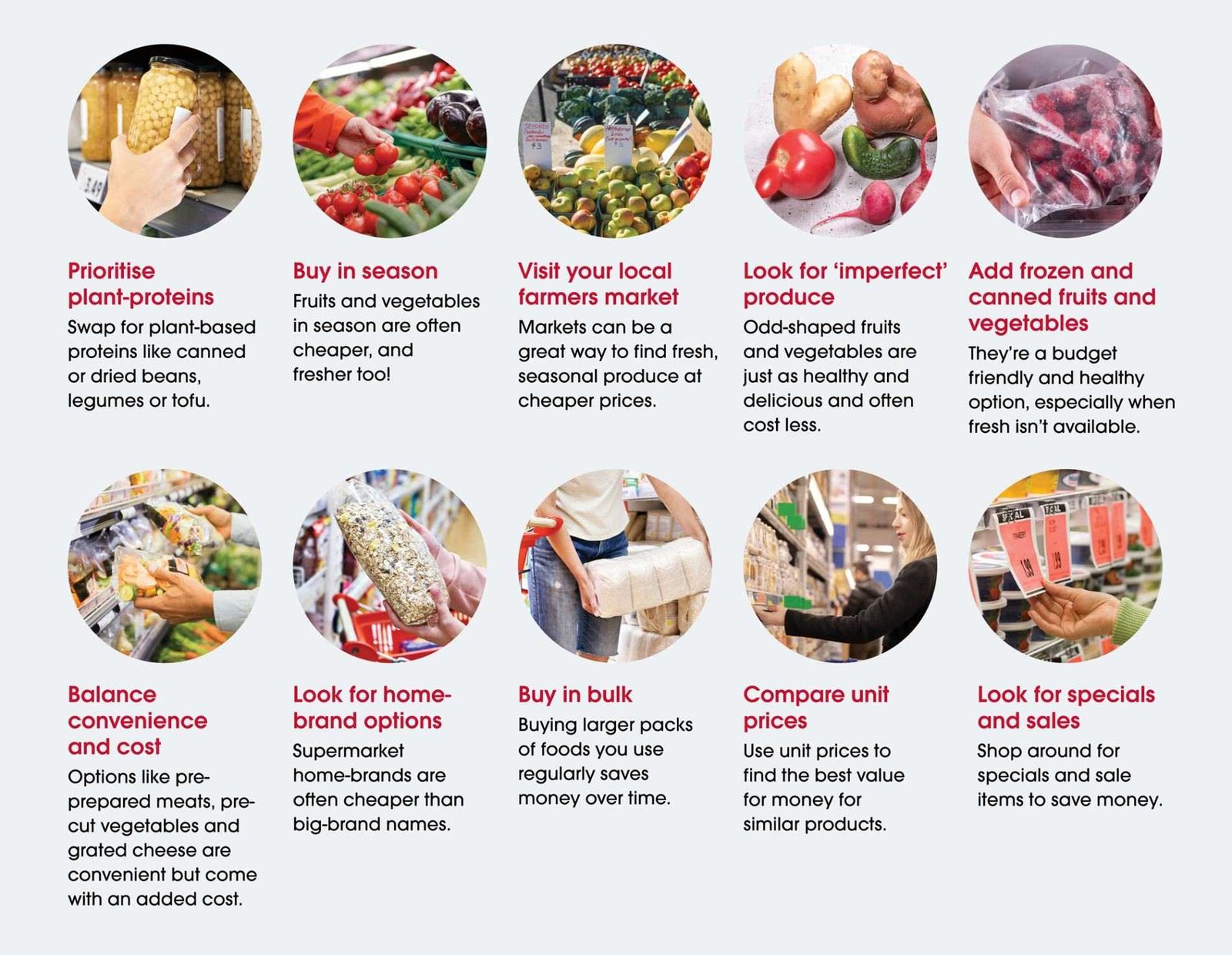
Looking to eat clean without breaking the bank? The key is to focus on affordable, wholesome foods that nourish your body and fit your budget. The best budget-friendly clean eating groceries include fresh seasonal produce, whole grains, legumes, and affordable protein sources like eggs and canned fish. With a little planning, you can enjoy nutritious meals that are both wallet-friendly and satisfying. In this article, we’ll explore the top affordable clean eating staples that will keep you healthy and your grocery bill in check. Whether you’re just starting or looking to optimize your shopping habits, these tips will help you make smarter choices without sacrificing quality or flavor. Eating clean doesn’t have to be expensive—it’s all about choosing the right ingredients!

What are the best budget-friendly clean eating groceries?
Eating clean doesn’t have to mean spending a lot of money. There are plenty of affordable groceries that help you stay healthy and avoid processed foods. Knowing where to shop and what to look for can make clean eating both easy and budget-friendly.
Understanding Clean Eating
Clean eating involves choosing foods in their natural state. It emphasizes whole, unprocessed foods that are free from added sugars and artificial ingredients. This approach promotes better health and can save money over time.
Why Budget-Friendly Groceries Matter
Many believe healthy eating is expensive. But with smart shopping, you can find nutritious foods at a low cost. Focus on staples that provide essential nutrients without breaking your budget.
Focus on Whole Foods
Whole foods are foods that are minimally processed and free from additives. They include fruits, vegetables, grains, nuts, and lean meats. These ingredients form the base of budget-friendly clean eating.
Top Budget-Friendly Fruits and Vegetables
Fruits and vegetables are key to clean eating. To save money, choose seasonal produce. Common affordable options include apples, bananas, carrots, potatoes, and leafy greens like spinach and kale.
Seasonal Produce
- Buy fruits and vegetables in season for the best prices and freshest taste.
- Check local farmers markets for deals on seasonal items.
- Frozen fruits and vegetables are often cheaper and last longer, making them a great option.
Whole Grains: A Cost-Effective Choice
Whole grains are affordable, filling, and nutritious. Options such as oats, brown rice, quinoa, and whole wheat bread are staples for clean eating.
Benefits of Whole Grains
- High in fiber that aids digestion.
- Rich in nutrients like B vitamins and minerals.
- Provide sustained energy without sugar crashes.
Shopping Tips for Whole Grains
- Buy in bulk to save money and reduce packaging waste.
- Choose store brands for quality at a lower price.
- Look for sales on larger packages.
Proteins on a Budget
Protein foods are essential for building and repairing tissues. Affordable options include eggs, beans, lentils, canned fish, and chicken breasts.
Eggs and Legumes
- Eggs are inexpensive and versatile for breakfast, lunch, and dinner.
- Beans and lentils are cost-effective sources of protein and fiber.
- Dry beans are cheaper than canned, but require soaking and cooking.
Canned Fish and Lean Meats
- Canned tuna and salmon are affordable and rich in omega-3 fatty acids.
- Look for sales on chicken breasts or turkey ground meat for lean protein at a good price.
- Use coupons or buy in bulk for further savings.
Healthy Fats That Don’t Break the Bank
Fats are important but often overlooked. Good sources include nuts, seeds, avocados, and olive oil. These support brain health and help keep you full longer.
Affordable Sources of Healthy Fats
- Peanut butter and other nut butters are budget-friendly and nutrient-dense.
- Seeds like chia or sunflower are inexpensive in bulk sizes.
- Olive oil can be bought in large bottles to save money over time.
Dairy and Dairy Alternatives
Choose plain, unsweetened options like yogurt, milk, or plant-based alternatives. Buying in larger quantities or store brands can reduce costs.
Tips for Saving on Dairy
- Opt for plain yogurt and add fresh fruit for flavor.
- Buy milk in larger containers or powders for longer shelf life and savings.
- Look for sales on cheese or alternatives like almond or soy milk.
Snacks and Convenience Foods for Budget Clean Eating
Prepared snacks can be expensive and often contain additives. Instead, prepare your own snacks like cut vegetables, fruits, or homemade energy balls.
Healthy Snack Ideas
- Carrot and cucumber sticks with hummus.
- Fresh fruit or a handful of nuts.
- Homemade trail mix with nuts, seeds, and dried fruit.
Shopping Strategies for Budget-Friendly Clean Eating
Effective shopping makes a big difference in staying within your budget. Plan meals ahead and create a shopping list based on what’s on sale.
Tips for Cost-Effective Shopping
- Use coupons and digital apps for discounts.
- Buy generic or store brands for staples.
- Compare prices between different stores and choose the best deal.
- Buy in bulk for non-perishable items.
Meal Planning and Prep
Planning meals ahead prevents impulse buys and reduces waste. Batch cooking saves time and ensures you always have healthy options available.
Batch Cooking Ideas
- Make large batches of soups, stews, or casseroles and freeze portions.
- Cook grains and proteins in bulk for the week.
- Pre-cut vegetables for quick salads or stir-fries.
Growing Your Own Food
If space allows, growing herbs, lettuce, or tomatoes can cut costs and add fresh produce to your meals. It’s a fun way to enjoy all-year-round healthy eating without extra expenses.
Additional Tips for Saving Money while Eating Clean
- Buy seasonal produce and fruits in bulk for better prices.
- Replace expensive processed snacks with homemade options.
- Use leftovers creatively in new meals to avoid waste.
By focusing on these affordable options, you can enjoy a nutritious, clean diet without overspending. Shopping smart, planning ahead, and choosing whole foods in season will help you maintain balance and save money on your healthy eating journey.
HEALTHY EATING ON A BUDGET | 10 grocery shopping tips to save money
Frequently Asked Questions
What affordable fruits are suitable for clean eating on a budget?
Opt for seasonal fruits like apples, bananas, and oranges as they tend to be less expensive and readily available. Frozen berries and other fruits are also affordable options that retain their nutritional value, making them perfect for smoothies and snacks. Buying fruits in bulk or from local markets can further reduce costs.
Which budget-friendly vegetables support a clean diet?
Choose versatile vegetables such as carrots, cabbage, zucchini, and broccoli, which are often affordable and available year-round. Incorporate frozen vegetables into your meals to save money without sacrificing freshness. Planning meals around these ingredients helps keep grocery bills low while maintaining healthy eating habits.
Are there economical sources of protein suitable for clean eating?
Legumes like beans, lentils, and chickpeas provide inexpensive and nutrient-dense protein options. Eggs are another affordable choice for adding protein to your diet. Purchasing in bulk and choosing store brands can help you stay within your budget while meeting your protein needs.
How can I save money when buying whole grains and cereals?
Buy whole grains such as oats, brown rice, and whole wheat pasta in bulk to get better prices. Store brands often offer quality products at lower costs. Preparing grains at home instead of purchasing pre-packaged options can also significantly reduce expenses.
What are some cost-effective clean eating snacks?
Snacks like nuts in moderation, fresh fruit, sliced vegetables with hummus, and homemade trail mixes serve as affordable clean eating options. Preparing snacks at home instead of buying processed alternatives helps you maintain healthier choices without overspending.
Final Thoughts
Ce qui rend ces courses économiques, c’est qu’elles offrent des aliments nutritifs sans dépasser le budget. Les légumes saisonniers, comme les carottes et les épinards, sont abordables et riches en vitamines. Les légumineuses, telles que les lentilles et les haricots, constituent une excellente source de protéines à prix réduit.
Les fruits de saison, comme les pommes et les bananes, se trouvent souvent à moindre coût. Leurs qualités nutritionnelles restent intactes, ce qui en fait un choix idéal pour une alimentation saine.
What are the best budget-friendly clean eating groceries? Elles combinent des produits simples, frais et abordables, idéals pour une alimentation équilibrée sans se ruiner.
As an Amazon Associate, We earn from qualifying purchases. When you purchase a product through Amazon links on pulsefitguide.com, we may earn a small commission at no extra cost to you. This helps support the site and keep our content free.
