


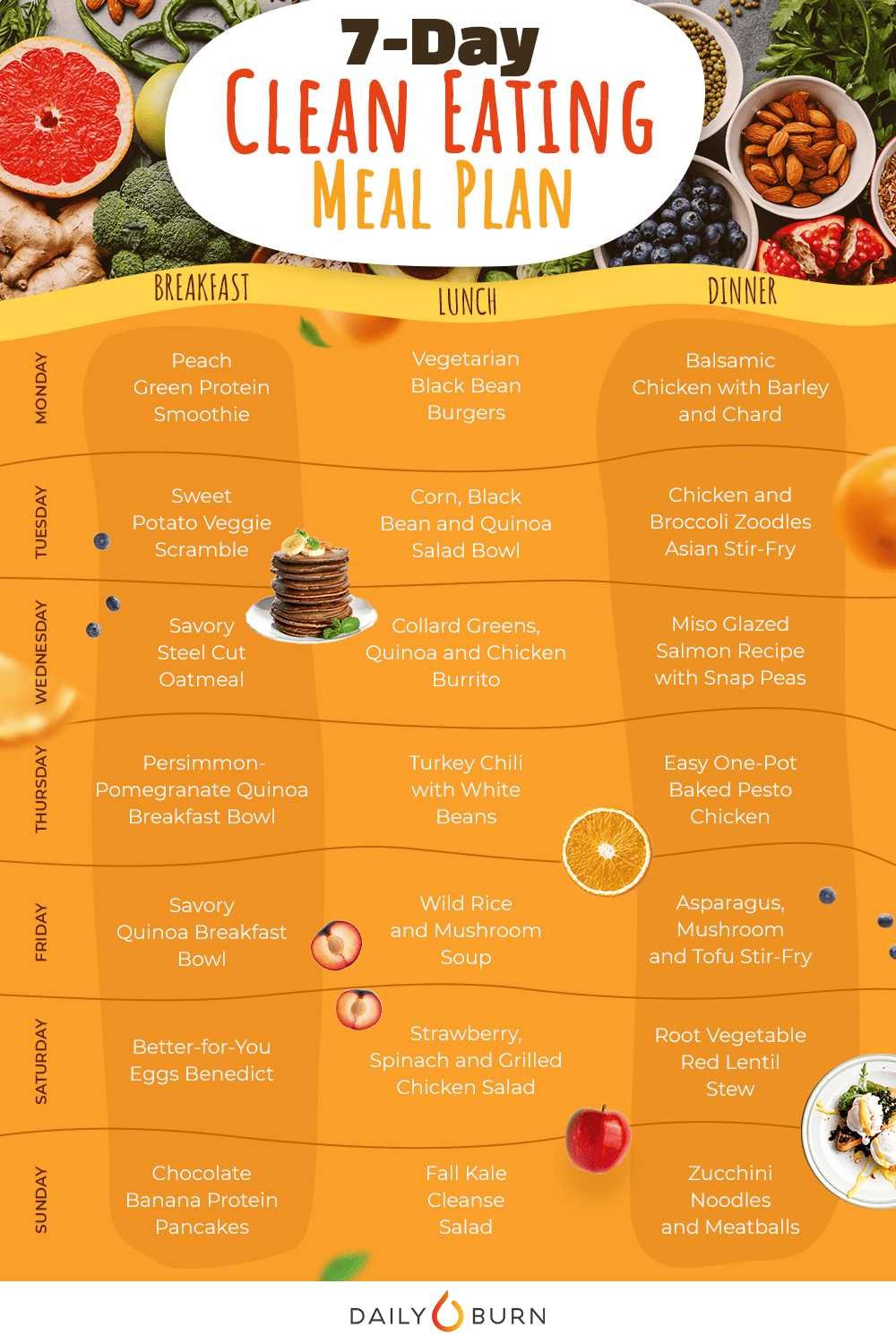
A simple clean eating plan for weight loss on a budget involves focusing on whole, minimally processed foods that are affordable and easy to prepare. By prioritizing fresh vegetables, fruits, lean proteins, and whole grains, you can shed pounds without breaking the bank. Planning meals ahead and shopping smartly are key to sticking to your budget while nourishing your body.
A budget-friendly clean eating plan emphasizes buying seasonal produce, opting for generic brands, and preparing meals at home to save money. It’s about making smarter choices with simple, nutritious ingredients to achieve weight loss without costly supplements or fad diets.
Starting a clean eating journey doesn’t mean spent hours in the kitchen or expensive superfoods. Instead, it’s about making conscious decisions to fuel your body with wholesome foods that support weight loss and overall health. Whether you’re new to clean eating or looking to simplify your routine, this approach can help you reach your goals without financial stress. With a little planning and smart shopping, you can enjoy tasty, nutritious meals every day while staying within your budget.

What is a simple clean eating plan for weight loss on a budget?
A clean eating plan focuses on choosing foods that are minimally processed and free from added sugars, unhealthy fats, and artificial ingredients. It emphasizes whole, natural, and nutrient-dense foods that support weight loss and overall health. For those on a budget, creating such a plan involves selecting affordable ingredients that can be used in various recipes.
Understanding the Basics of Clean Eating
Clean eating means eating foods in their most natural state or as close to it as possible. This includes fruits, vegetables, whole grains, lean proteins, and healthy fats. It avoids processed foods that contain preservatives, excess salt, or fake flavorings.
Following a clean eating plan helps reduce calorie intake without feeling deprived. It also boosts energy, improves digestion, and supports sustainable weight loss. The goal is to nourish the body with quality foods that are budget-friendly.
Key Principles for a Budget-Friendly Clean Eating Plan
- Buy in Bulk: Purchasing staples like rice, oats, beans, and frozen vegetables in bulk reduces costs.
- Plan Meals: Planning helps avoid impulse buys and food waste, saving money and time.
- Choose Seasonal Produce: Seasonal fruits and vegetables are cheaper and fresher.
- Cook at Home: Preparing meals from scratch costs less and allows control over ingredients.
- Incorporate Plant-Based Proteins: Legumes, lentils, and chickpeas are affordable sources of protein that support weight loss.
Building a Simple Meal Plan for Clean Eating on a Budget
Creating a daily meal plan involves selecting versatile ingredients and preparing meals that are both satisfying and nutritious. Here is a sample framework:
| Meal | Sample Foods | Notes |
|---|---|---|
| Breakfast |
|
Choose whole grains and add seasonal fruits for flavor and nutrients. |
| Lunch |
|
Batch cook grains and beans for multiple meals to save money. |
| Dinner |
|
Use inexpensive proteins like eggs or canned fish. |
| Snacks |
|
Keep snacks simple and whole food focused. |
Affordable Protein Sources for Clean Eating
Protein is essential in any weight loss plan to maintain muscle and stay full. Cost-effective options include:
- Dry Beans and Lentils: Rich in fiber and protein, they are inexpensive and versatile.
- Canned Fish: Sardines, mackerel, and salmon provide omega-3s and are affordable.
- Eggs: A complete protein source that can be scrambled, boiled, or added to dishes.
- Chicken Thighs or Drumsticks: Cheaper than breast meat and just as nutritious.
- Tofu and Tempeh: Plant-based proteins that are budget-friendly and easily absorbed.
Choosing Nutritious Carbohydrates on a Budget
Whole grains and starchy vegetables provide energy and fiber without breaking the bank. Options include:
- Oats: Inexpensive and great for breakfast or baking.
- Brown Rice and Whole Wheat Pasta: Affordable staples that keep you full longer.
- Sweet Potatoes and Regular Potatoes: Nutrient-dense and versatile.
- Legumes: Lentils, chickpeas, and black beans are excellent sources of carbs and protein.
Healthy Fats That Won’t Break the Bank
Inclusion of healthy fats supports hormone health and satiety. Budget-friendly options are:
- Olive Oil: Use in moderation for cooking and dressings.
- Nuts and Seeds: Buy in bulk to save money; use as toppings or snacks.
- Avocados: Available seasonally and add creaminess to dishes.
- Fatty Fish: Such as sardines and mackerel, provide omega-3s at a lower cost.
Meal Prep and Batch Cooking Strategies
Preparing meals in advance reduces daily cooking stress and waste. Batch cook grains, beans, and roasted vegetables for multiple days. Use versatile ingredients to create different meals, like turning roasted vegetables into salads or wraps.
Invest in good containers for storing leftovers and pre-portioned ingredients. This way, healthy meals are always ready, making it easier to stick to your clean eating plan.
Shopping Tips for Saving Money
- Make a shopping list based on your meal plan to avoid impulse buying.
- Shop at local farmers’ markets toward the end of the day for discounts.
- Buy store brands, which are often cheaper and of similar quality.
- Use coupons and look for sales on staples like grains and frozen produce.
- Limit processed snacks and junk food; focus on whole foods instead.
Sample Weekly Shopping List
- Rolled oats
- Brown rice
- Canned beans and chickpeas
- Frozen or fresh seasonal vegetables and fruits
- Eggs
- Chicken thighs or other affordable proteins
- Whole wheat bread or wraps
- Olive oil
- Nuts and seeds
- Herbs and spices for flavoring
Maintaining a Sustainable and Enjoyable Plan
Stick to your budget by focusing on simple, tasty dishes that you enjoy. Avoid feeling deprived by incorporating small treats occasionally, like dark chocolate or homemade baked goods made with wholesome ingredients.
Remember that consistency is key. Small changes to your eating habits, combined with regular physical activity, will support your weight loss journey over time without stressing your finances.
Additional Tips for Success
- Track your food intake to stay aware of your eating habits and budget.
- Stay hydrated with water instead of sugary drinks.
- Limit eating out; cooking at home gives you control over ingredients and costs.
- Involve your family or friends in meal planning to share costs and motivation.
Creating a simple clean eating plan for weight loss on a budget is entirely possible with strategic shopping, meal prep, and choosing nutritious ingredients. Focus on whole foods, prepare meals ahead of time, and enjoy the process of nourishing your body without overspending. Consistency and mindful choices make it easier to reach your health goals while respecting your finances.
Clean Eating For Beginners | Never "diet" again
Frequently Asked Questions
How can I plan my meals to stay within a budget while eating clean?
To plan meals on a budget, start by creating a weekly shopping list based on simple, whole foods like vegetables, fruits, lean proteins, and whole grains. Buy in bulk when possible, choose seasonal produce, and prepare meals at home to avoid expensive takeout. Focus on versatile ingredients that can be used in multiple recipes, which helps reduce waste and save money.
What are some cost-effective sources of protein for a clean eating plan?
Affordable sources of protein include eggs, canned beans, lentils, canned tuna, and chicken thighs. Incorporate plant-based options like chickpeas and quinoa, which provide protein at a lower cost. Buying larger quantities and preparing meals at home also helps keep protein sources budget-friendly while maintaining nutritional quality.
How can I incorporate more vegetables into my diet without increasing expenses?
Buy vegetables in bulk, choose frozen or canned options without added salt or sugar, and select seasonal produce for better prices and freshness. Grow your own herbs or small vegetable garden if possible, and use versatile vegetables like carrots, spinach, and zucchini in multiple meals to maximize their use and keep costs low.
Are there any tips for snacking healthily on a tight budget?
Opt for simple, inexpensive snacks such as raw vegetables with hummus, homemade popcorn, nuts in moderation, or fruit like apples or bananas. Preparing snacks at home saves money and allows you to control ingredients. Buying in bulk and avoiding processed snack foods also helps keep your budget in check.
How do I stay motivated to stick to a clean eating plan without overspending?
Set clear, achievable goals and plan your meals ahead of time to avoid last-minute temptations. Focus on nutrient-dense foods that keep you full longer, reducing the need for extra snacks. Track your progress and celebrate small successes to stay motivated, and remember that eating simply and healthfully doesn’t have to be expensive.
Final Thoughts
A simple clean eating plan for weight loss on a budget focuses on whole, unprocessed foods like fruits, vegetables, grains, and lean proteins. Buying seasonal produce and bulk items helps save money. Preparing meals at home allows control over ingredients and portions.
Sticking to affordable, nutritious options makes it easier to maintain a healthy diet without overspending.
In summary, what is a simple clean eating plan for weight loss on a budget? It emphasizes basic, wholesome foods, cost-effective shopping, and home cooking. This approach supports weight loss while keeping expenses low.
As an Amazon Associate, We earn from qualifying purchases. When you purchase a product through Amazon links on pulsefitguide.com, we may earn a small commission at no extra cost to you. This helps support the site and keep our content free.
