


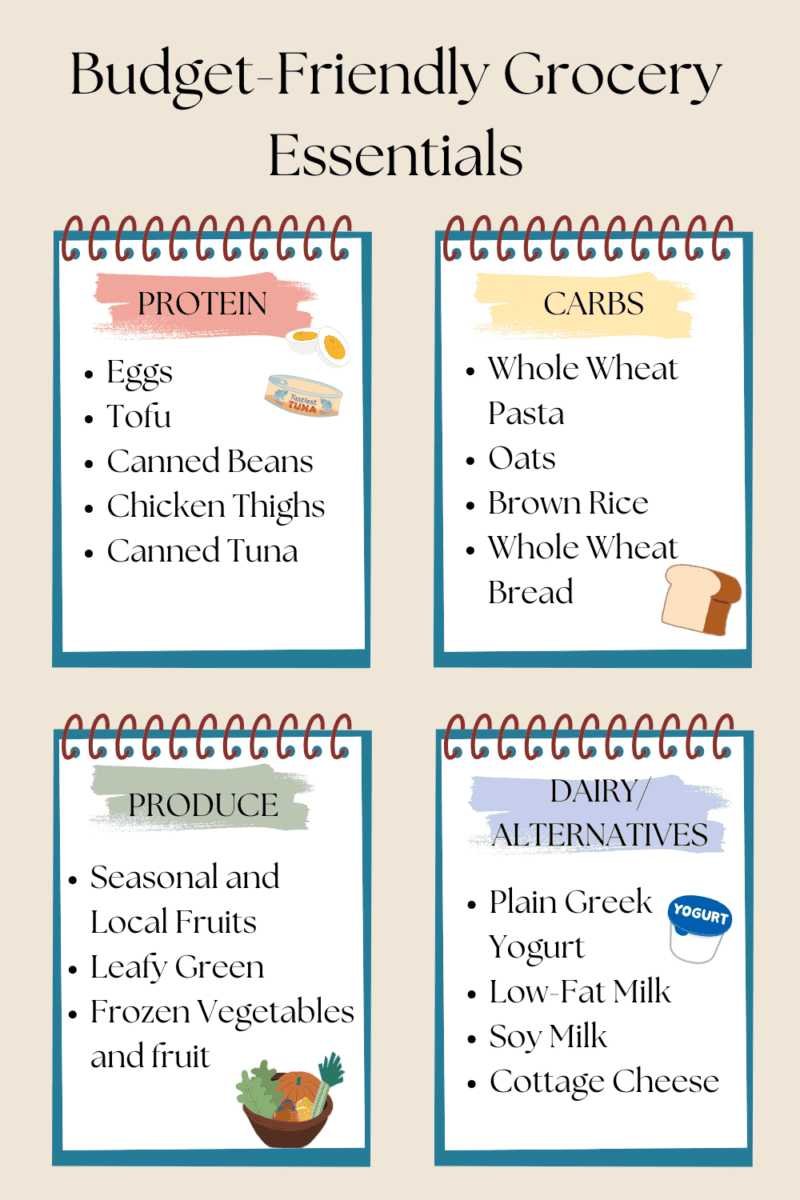
A clean eating grocery list on a budget is all about choosing nutrient-dense foods that nourish your body without breaking the bank. Focus on fresh produce, whole grains, lean proteins, and healthy fats, while avoiding processed and packaged items that often come with added costs and unhealthy ingredients. Planning your shopping trips carefully and buying in bulk can help you stay within your budget while maintaining a nutritious diet. With a little strategizing, clean eating can be affordable and straightforward, giving you more energy and better health without spending a fortune.
In essence, a clean eating grocery list on a budget emphasizes whole, minimally processed foods that support your health goals without overspending. By making smart choices like buying seasonal produce and opting for affordable protein sources, you can enjoy delicious, nourishing meals without sacrificing your financial well-being.
Starting a clean eating journey doesn’t mean you have to spend a fortune. Many people want to eat healthier but feel overwhelmed by the cost. The good news is that with some planning and savvy shopping, you can create a grocery list that prioritizes whole, natural foods while staying within your budget. It’s about making smarter choices—focusing on affordable, nutrient-rich ingredients that fuel your body and support your lifestyle. Whether you’re new to clean eating or just looking to save money, this approach helps you enjoy the benefits of healthier eating without the stress of high grocery bills.

What is a clean eating grocery list on a budget?
A clean eating grocery list on a budget focuses on affordable foods that are natural, minimally processed, and free from artificial ingredients. These foods support your health and help you maintain a balanced diet without overspending. Creating such a list allows you to enjoy nutritious meals while staying within your financial limits.
Understanding Clean Eating
Clean eating emphasizes whole foods like fruits, vegetables, whole grains, lean proteins, and healthy fats. It avoids foods that contain added sugars, preservatives, artificial flavors, and trans fats. This approach promotes better digestion, increased energy, and long-term health benefits.
Why Budget-Friendly Clean Eating Matters
Many believe that eating healthily costs a lot, but that isn’t always true. Budget-friendly clean eating means choosing affordable ingredients that provide maximum nutrition. It helps you save money while making healthier choices for yourself and your family.
Key Principles of a Budget-Friendly Clean Eating Grocery List
To keep costs low, focus on seasonal produce, bulk buying, and versatile ingredients. Planning your meals ahead of time ensures no food goes to waste. It’s also helpful to shop at stores that offer discounts on healthy foods and to compare prices regularly.
Essential Components of a Clean Eating Grocery List on a Budget
Fruits and Vegetables
These should make up a large portion of your shopping list. Opt for seasonal and locally grown produce as they tend to be cheaper and fresher. Fill your cart with options like apples, bananas, carrots, spinach, and broccoli.
- Buy in bulk when possible
- Freeze excess for later use
- Choose frozen vegetables to save money and reduce waste
Whole Grains
Whole grains are a vital part of a clean diet and are budget-friendly. Stock up on oats, brown rice, whole wheat pasta, and barley. These foods are filling and versatile for many recipes.
- Buy store brands for savings
- Look for bulk packages
- Store grains properly to extend shelf life
Lean Proteins
Protein sources like eggs, canned beans, and affordable cuts of poultry are excellent and economical choices. Incorporate plant-based proteins to reduce costs and boost nutrient variety.
- Eggs are affordable and nutrient-dense
- Canned and dried beans are budget-friendly
- Buy chicken thighs instead of breasts for cost savings
Healthy Fats
Healthy fats support overall health and are often inexpensive. Use olive oil or avocado, and add nuts and seeds in moderation.
- Buy in bulk for better prices
- Use sparingly to keep costs manageable
- Include sources like flaxseed or chia seeds for added health benefits
Smart Shopping Tips for a Budget Clean Eating List
Sticking to your list and shopping strategically can save a lot of money. Stick to the perimeter of the store where fresh produce, meats, and dairy are typically located. Use coupons and look for discounts on healthy foods.
Shop at Local Markets and Farmers’ Markets
Local markets often offer fresher produce at lower prices than supermarkets. Buying straight from farmers can cut costs and support local businesses.
Buy in Bulk
Items like grains, beans, and nuts are often cheaper when purchased in large quantities. Proper storage is essential to keep these foods fresh and avoid waste.
Plan Meals Around Sales
Check weekly store flyers and plan meals that utilize discounted items. Flexibility in recipes allows you to adapt to deals and save money.
Meal Planning and Budgeting
Creating a weekly meal plan helps you focus your shopping and prevents impulse purchases. Preparing meals in advance reduces food waste and saves money in the long run.
- Make a detailed shopping list based on planned meals
- Cook in batches and store leftovers
- Incorporate flexible ingredients to adapt to sales
Examples of Budget-Friendly Clean Eating Meals
Here are some simple, nutritious meals that won’t break the bank:
- Vegetable stir-fry with brown rice
- Oatmeal topped with fresh fruit and nuts
- Homemade bean and vegetable chili
- Scrambled eggs with spinach and whole wheat toast
- Grilled chicken with roasted seasonal vegetables
Additional Tips for Maintaining a Clean Eating Budget
Stay consistent and be patient. Avoid processed foods that often cost more and provide fewer nutrients. Focus on basic, wholesome ingredients and get creative with recipes.
Use Leftovers Effectively
Transform leftovers into new meals to extend your food budget. For example, roasted vegetables can go into soups or salads.
Grow Your Own Produce
If space permits, start a small garden. Herbs, tomatoes, and greens are easy and cost-effective to grow at home.
Limit Processed and Packaged Foods
Prepared snacks and processed foods tend to be more expensive and less healthy. Stick with whole, unprocessed options for better savings.
Common Challenges and How to Overcome Them
Sticking to a budget while eating clean can be tough at first. Keep your goals in mind and stay organized with shopping lists and meal plans. Flexibility and patience are key.
Managing Cravings and Convenience
Healthy snacks like fruits, nuts, and yogurt can satisfy cravings without overspending. Prepare quick, healthy meals to save time and money.
Dealing with Limited Access
If local options are limited, rely on frozen produce and pantry staples. These options are cost-effective, nutritious, and available year-round.
Creating a clean eating grocery list on a budget is about smart shopping, meal planning, and making nutritious choices with cost in mind. Focus on simple, whole foods, and use the strategies above to keep your diet healthy and affordable.
With dedication and planning, healthy eating doesn’t have to be expensive. Save money, enjoy tasty meals, and feel good about what you put into your body every day.
Clean Eating For Beginners | Never "diet" again
Frequently Asked Questions
How can I plan a cost-effective clean eating grocery list?
Start by focusing on whole, unprocessed foods like fresh vegetables, fruits, lean proteins, and grains. Shop in bulk when possible, and choose store-brand options to save money. Planning your meals for the week helps avoid impulse purchases and reduces waste. Look for sales and discounts on healthy items, and avoid pre-packaged or convenience foods that tend to be more expensive. Preparing a shopping list based on your meal plan ensures you buy only what you need, making your grocery trips more economical.
What are some affordable sources of protein for a clean eating diet?
Opt for budget-friendly protein options such as dried beans, lentils, canned legumes, eggs, and in-season poultry. Canned fish like sardines and salmon also provide cost-effective protein sources. Incorporate plant-based proteins like tofu and tempeh, which tend to be less expensive than meat. Buying in bulk and preparing homemade protein-rich snacks can further lower costs while maintaining your clean eating principles.
Which fresh produce items are usually more affordable for a healthy grocery list?
Root vegetables such as carrots, sweet potatoes, and beets often cost less and have a long shelf life. Seasonal fruits and vegetables tend to be more affordable and fresher. Leafy greens like spinach and kale are typically inexpensive when bought in bulk or from local markets. Additionally, frozen fruits and vegetables retain their nutrients and usually cost less than fresh options, making them a smart choice for a budget-friendly clean eating plan.
Are there cost-effective alternatives to organic foods on a tight budget?
Yes, prioritize washing and peeling conventional produce thoroughly to reduce pesticide exposure when buying non-organic items. Focus on buying organic only for produce known to have higher pesticide residues, such as berries, peppers, and leafy greens. For other items, conventional options often offer similar nutritional benefits at a lower price. Incorporating more whole foods like grains, legumes, and seasonal produce can help maintain a nutritious diet without overspending on organic labels.
How can I avoid unnecessary expenses while shopping for healthy foods?
Create a detailed shopping list based on your planned meals and stick to it to prevent impulse buys. Avoid shopping when hungry, as this can lead to purchasing more unhealthy or unnecessary items. Limit visits to convenience stores, which often charge higher prices for healthy products, and instead shop at bulk stores, farmers’ markets, or discount grocery stores. Comparing prices and choosing store-brand products helps keep costs down while maintaining quality.
Final Thoughts
A clean eating grocery list on a budget focuses on affordable, whole foods that nourish the body. It emphasizes fresh fruits, vegetables, lean proteins, and whole grains, which are often inexpensive when bought in bulk or seasonally. Planning meals ahead helps avoid impulse purchases and reduces waste.
By shopping smartly and choosing store brands, you can maintain a nutritious diet without overspending. Prioritize versatile ingredients that can be used in multiple recipes, making your grocery list both simple and effective.
In conclusion, a clean eating grocery list on a budget provides a practical way to enjoy healthy foods without breaking the bank. This approach ensures you focus on whole, minimally processed ingredients while staying economical.
As an Amazon Associate, We earn from qualifying purchases. When you purchase a product through Amazon links on pulsefitguide.com, we may earn a small commission at no extra cost to you. This helps support the site and keep our content free.
