


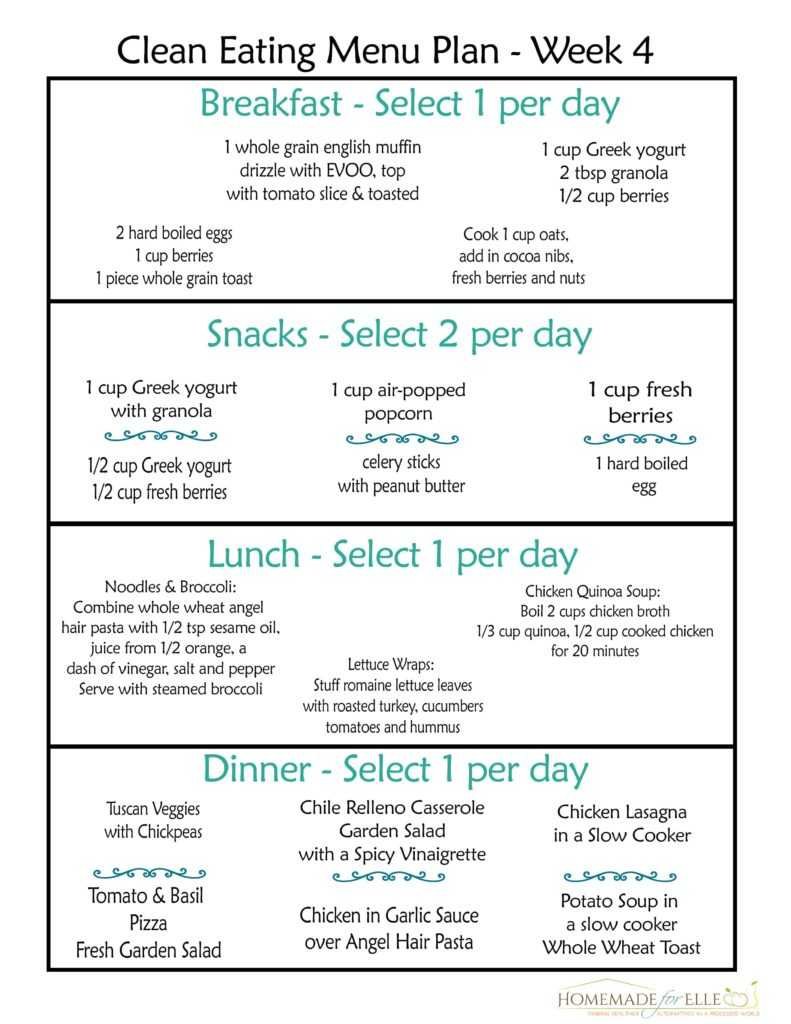
A clean eating meal plan on a budget is all about nourishing your body with wholesome, minimally processed foods without breaking the bank. It emphasizes simple, natural ingredients like fresh fruits, vegetables, lean proteins, whole grains, and healthy fats, all while being mindful of expenses. With a bit of planning and smart shopping, you can enjoy nutritious meals that support your health without overspending.
In essence, a clean eating meal plan on a budget involves prioritizing whole, unprocessed foods, shopping strategically, and preparing meals at home to save money. It’s about making conscious choices that promote wellness while keeping costs low.
Eating clean on a budget might seem challenging at first, but it’s entirely doable with the right approach. By focusing on affordable, nutrient-dense foods, planning your meals ahead of time, and shopping smartly, you can enjoy delicious, healthy dishes without exceeding your budget. This approach not only benefits your health but also helps you develop sustainable eating habits that last.

What is a clean eating meal plan on a budget?
A clean eating meal plan on a budget is all about choosing wholesome foods without overspending. It focuses on simple, unprocessed ingredients that nourish your body. The goal is to eat healthy while saving money and avoiding unnecessary expenses.
Understanding the basics of clean eating
Clean eating involves eating foods in their most natural state, avoiding additives and preservatives. It emphasizes fruits, vegetables, whole grains, lean proteins, and healthy fats. This approach promotes better digestion, more energy, and long-term health benefits.
Why stick to a budget with clean eating?
Healthy foods can sometimes seem more expensive, but smart planning reduces costs. Budget-friendly clean eating encourages making economical choices that don’t sacrifice quality. It helps you stick to your nutrition goals without breaking the bank.
How to create a budget-friendly clean eating meal plan
Start by planning your weekly meals around inexpensive, versatile ingredients. Use shopping lists to avoid impulse buys and compare prices. Focus on seasonal produce and bulk buying to stretch your dollars further.
Key strategies for eating clean on a budget
Plan your meals ahead of time
Creating a weekly menu helps prevent last-minute costly food choices. It allows you to buy only what you need, reducing waste. Planning also enables you to incorporate budget-friendly and nutritious ingredients.
Shop smart and buy in bulk
Buying foods like grains, beans, and frozen vegetables in bulk lowers costs significantly. Look for sales and discounts at local grocery stores or farmers’ markets. Bulk purchasing is especially helpful for staples you use often.
Focus on seasonal and local produce
Seasonal fruits and vegetables are typically less expensive and fresher. Supporting local farms also cuts transportation costs that can inflate prices. Incorporate a variety of these ingredients into your meal plan for variety and savings.
Choose whole foods over processed options
Whole foods, such as oats, brown rice, and fresh vegetables, are often cheaper and healthier. Processed foods tend to cost more and contain additives, which are best avoided in a clean eating plan. Making meals from scratch saves money and ensures quality.
Examples of budget-friendly clean eating meals
Breakfast options
- Oatmeal topped with fresh or frozen berries
- Scrambled eggs with spinach and tomatoes
- Banana and peanut butter on whole-grain toast
Lunch ideas
- Quinoa salad with cucumbers, cherry tomatoes, and chickpeas
- Veggie stir-fry with brown rice
- Loaded vegetable wrap with hummus
Dinner recipes
- Grilled chicken with roasted sweet potatoes and broccoli
- Vegetable and bean chili
- Spaghetti squash with marinara sauce and sautéed greens
Tips to keep your clean eating meal plan affordable
Incorporate plant-based proteins
Legumes like lentils, beans, and peas are inexpensive sources of protein. They also add fiber and essential nutrients to your meals. Using plant-based proteins reduces costs compared to meat-based options.
Utilize frozen and canned foods wisely
Frozen vegetables and fruits are cost-effective and retain most nutrients. Choose canned beans and tomatoes, preferably low-sodium versions, to save money without sacrificing nutrition.
Cook in large batches
Preparing meals in bulk cuts down on time and energy costs. Store leftovers in portion-sized containers for easy, healthy meals during busy days. Batch cooking also minimizes waste and extra shopping trips.
Limit eating out and processed snacks
Eating out and pre-packaged snacks tend to be pricier and less healthy. Focusing on home-cooked, clean meals keeps your food costs low and your diet clean. Make snacks like cut-up vegetables or fruit instead of buying processed options.
Balancing nutrition and expenses
Prioritize nutrient-dense foods
Foods rich in vitamins and minerals, such as leafy greens, berries, and nuts, support health without costing a fortune. Balance your meals with a variety of these ingredients to meet your nutritional needs.
Understand portion sizes and calorie needs
Eating appropriate portions prevents waste and saves money. Know your daily calorie requirements to avoid buying excess food and encourage mindful eating habits.
Limit expensive superfoods and specialty items
While superfoods like acai or goji berries are popular, they can be costly. Focus on affordable superfoods like carrots, sweet potatoes, and cabbage, which provide many health benefits at a lower price.
Additional tips for maintaining your clean eating budget
Shop at multiple stores and use coupons
Compare prices at different stores and take advantage of discounts. Use coupons and store loyalty programs to reduce costs. This approach helps keep your grocery bills manageable.
Grow your own herbs and vegetables
Starting a small garden can save money and ensure fresh ingredients. Herbs like basil and parsley are easy to grow indoors or outdoors, adding flavor without extra cost.
Be flexible with your meal plan
Adjust your meals based on what’s on sale or in season. Flexibility allows you to take advantage of deals and avoid unnecessary spending. It also keeps your diet exciting and varied.
Summary
Eating clean on a budget is possible with careful planning, smart shopping, and simple recipes. Prioritizing whole, unprocessed ingredients and buying in bulk helps reduce costs without sacrificing quality. Remember to stay flexible, focus on seasonal produce, and prepare meals in advance. These practices ensure you nourish your body and stay within your financial limits.
By applying these strategies, you can enjoy healthy, delicious meals every day while keeping your grocery bills low. Clean eating on a budget isn’t just a dream—it’s an achievable goal with the right approach!
Clean Eating For Beginners | Never "diet" again
Frequently Asked Questions
How can I plan a clean eating meal on a limited budget?
Start by focusing on whole, unprocessed foods like seasonal vegetables, fruits, whole grains, and affordable sources of protein such as eggs, beans, and poultry. Make a weekly shopping list to avoid impulse buys and buy in bulk when possible. Preparing meals at home saves money and allows you to control ingredients, ensuring your meals remain healthy and budget-friendly.
What are some cost-effective ingredients for a clean eating plan?
Opt for staples like oats, brown rice, lentils, canned beans, carrots, spinach, and frozen vegetables. These ingredients are inexpensive, versatile, and packed with nutrients. Incorporate affordable protein sources such as eggs, canned tuna, or chicken thighs, which often cost less than other meats but still provide essential nutrients for your meals.
How can I reduce waste and save money while maintaining a clean diet?
Plan your meals around ingredients that have a longer shelf life and repurpose leftovers to create new dishes. Buying in bulk and freezing portions helps prevent spoilage. Additionally, shopping with a clear list and avoiding processed foods prevents unnecessary spending, keeping your meals both healthy and economical.
Are there specific meal prep tips to stick to a budget-friendly clean eating plan?
Prepare ingredients in bulk, such as cooking large batches of grains or roasting vegetables, to save time and money during the week. Use simple recipes that require minimal ingredients and focus on in-season produce for better prices. This approach reduces the need for frequent shopping trips and minimizes food waste.
How can I make clean eating more affordable without sacrificing quality?
Buy local and in-season produce, which tends to be cheaper and fresher. Avoid pre-packaged or processed foods, and instead, focus on whole ingredients that you can prepare yourself. Cooking meals from scratch also allows you to control portion sizes and ingredients, helping you stick to your budget while maintaining a nutritious diet.
Final Thoughts
A clean eating meal plan on a budget focuses on affordable, whole foods like fruits, vegetables, grains, and lean proteins. Planning meals ahead helps reduce waste and avoid impulse buys. Shopping smartly, such as buying in bulk and choosing seasonal produce, keeps costs low.
Eating clean doesn’t mean sacrificing flavor or variety. Stick to simple recipes that use affordable ingredients, and prepare meals at home. This approach saves money while promoting healthier eating habits.
What is a clean eating meal plan on a budget? It combines wholesome, cost-effective foods with thoughtful planning. By making conscious choices, you enjoy nutritious meals without overspending.
As an Amazon Associate, We earn from qualifying purchases. When you purchase a product through Amazon links on pulsefitguide.com, we may earn a small commission at no extra cost to you. This helps support the site and keep our content free.
