


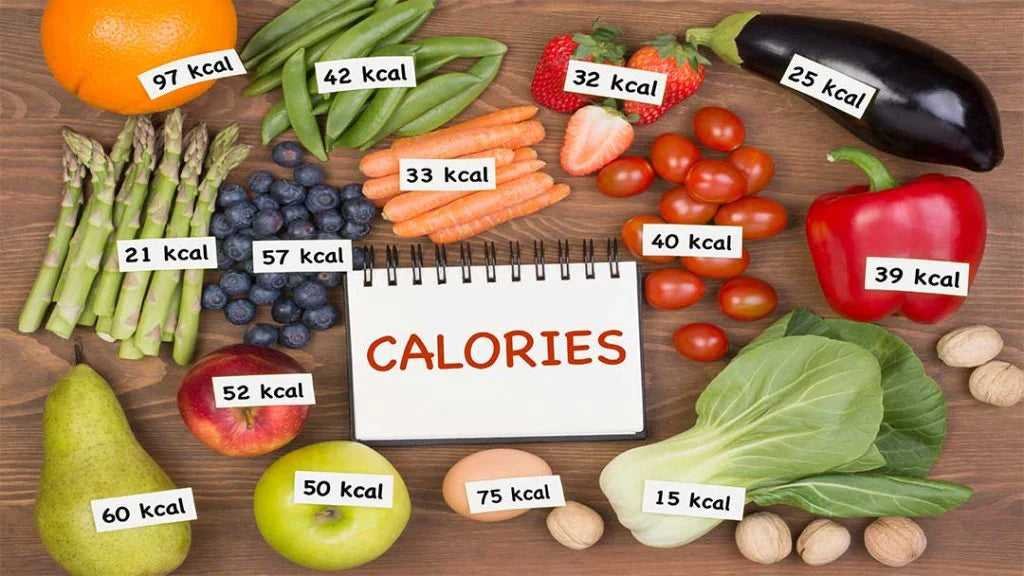
To effectively track calories for muscle growth, focus on understanding your daily caloric needs, monitor your intake consistently, and adjust based on your progress. Keeping a detailed food journal and using tracking apps can make this process easier and more accurate. Remember, consistency and patience are key to seeing results and fueling your muscle gains.
Tracking calories for muscle growth might seem daunting at first, but with a straightforward approach, it becomes manageable and even enjoyable. The key is to find a balance between eating enough to support muscle repair and growth while avoiding excess fat gain. By understanding your body’s energy requirements, choosing nutrient-dense foods, and keeping a record of your daily intake, you’ll be able to optimize your diet for muscle development. Whether you’re a beginner or an experienced athlete, mastering calorie tracking is a powerful way to ensure your efforts in the gym translate into tangible muscle gains over time.

How do I track calories for muscle growth?
Understanding Your Caloric Needs
Tracking calories for muscle growth begins with understanding how many calories your body needs daily. Your caloric needs depend on factors such as age, gender, weight, height, and activity level. To grow muscle, you generally need to consume more calories than your body burns, creating a caloric surplus.
Calculating Your Basal Metabolic Rate (BMR)
Your BMR is the number of calories your body needs at rest to keep vital functions running. Use tools like the Harris-Benedict Equation or online BMR calculators for a quick estimate. Knowing your BMR helps you determine your starting point for calorie intake.
Factor in Your Activity Level
Add calories based on your daily activities like walking, workouts, and other movements. This total, called Total Daily Energy Expenditure (TDEE), gives a clearer picture of how many calories you burn each day. For muscle gain, aim to eat about 250 to 500 calories above your TDEE.
Setting Your Calorie Goals for Muscle Growth
Having a clear goal helps you plan your calorie intake. Most people aiming for muscle growth focus on a slight surplus to support muscle repair and growth without excessive fat gain.
Choosing a Calorie Surplus
A surplus of around 250 to 500 calories per day is ideal for most. This range allows muscles to grow steadily while minimizing fat gain. Adjust based on your progress and how your body responds.
Tracking Progress and Adjusting
Regularly monitor your weight, strength, and body measurements. If you’re gaining too much fat, reduce your surplus. If muscle growth stalls, consider increasing your calories slightly.
Monitoring Your Food Intake
Accurate tracking of your food intake is essential for reaching your calorie goals. Use methods that fit your lifestyle and preferences to stay consistent and motivated.
Using Food Diaries and Journals
Write down everything you eat and drink daily. This habit helps you stay aware of your calorie intake. Include portion sizes to improve accuracy.
Utilizing Technology and Apps
Apps like MyFitnessPal, Lose It!, or Cronometer simplify calorie counting. They have extensive food databases and barcode scanners to log your meals quickly and accurately.
Measuring Portion Sizes Effectively
Getting portion sizes right improves your calorie tracking precision. Use common household tools or digital scales for better accuracy.
Household Measures
Use cups, tablespoons, and teaspoons to estimate portions. For example, a fist-sized portion typically equates to about one cup of food.
Using a Digital Food Scale
Weighing food provides the most accurate measurement. Record the weight of raw or cooked foods to track calories precisely.
Understanding Macronutrients and Their Role
Calories come from proteins, carbohydrates, and fats. Balancing these macronutrients supports muscle growth and overall health.
Protein: The Building Block
Aim for about 1.2 to 2.0 grams of protein per kilogram of body weight daily. Good sources include lean meats, dairy, beans, and nuts.
Carbohydrates: Fuel for Workouts
Carbs provide energy during workouts. Include whole grains, fruits, and vegetables to sustain muscle activity and recovery.
Fats: Essential Support
Healthy fats support hormone production and overall health. Incorporate sources like avocados, olive oil, and fatty fish into your diet.
Creating a Balanced Meal Plan
Designing meals that align with your calorie and macronutrient goals is essential. Focus on nutrient-dense foods to maximize muscle growth and recovery.
Meal Timing and Frequency
Eat regular meals and snacks every 3 to 4 hours to supply your muscles with a steady stream of nutrients. Pre- and post-workout meals are particularly important.
Sample Meal Breakdown
- Breakfast: Oatmeal with nuts and berries
- Lunch: Grilled chicken with quinoa and vegetables
- Snack: Greek yogurt with honey
- Dinner: Baked salmon with sweet potatoes
- Post-Workout: Protein shake with banana
Tracking Progress with Food and Fitness Logs
Combine calorie tracking with workout logs to see how your diet affects your strength and muscle gains. Regular assessments help refine your approach.
Using Visual Progress Tracking
Take weekly photos and measurements to visually monitor changes. This method can be more motivating than just tracking numbers.
Adjusting Based on Results
If you’re not gaining muscle, increase your calories slightly. If you’re gaining excessive fat, reduce your intake or adjust your workout intensity.
Common Mistakes to Avoid
Many beginners make errors that hinder their progress. Being aware of these pitfalls can help you stay on track.
Ignoring Protein Intake
Protein is crucial for muscle repair. Ensure you’re eating enough daily to support muscle growth.
Overestimating Calorie Needs
Eating too much too fast can lead to unnecessary fat gain. Aim for a gradual increase and monitor results.
Neglecting Recovery and Rest
Adequate sleep and rest days are vital for muscle recovery and growth. Don’t overlook their importance in your plan.
Additional Tips for Effective Calorie Tracking
Maximize your efforts with these helpful tips.
Stay Consistent
Consistency in tracking food and workouts leads to better results. Make it a daily habit.
Stay Flexible and Patient
Adjust your plan as needed and be patient. Muscle growth takes time, and progress varies between individuals.
Combine Nutrition with Strength Training
Nutrition alone won’t build muscle. Pair your diet with a structured strength training program for optimal results.
Seek Support and Guidance
Consult with a nutritionist or personal trainer if possible. Their expertise can help tailor your plan to your needs.
Related Topics for Better Results
Explore these subjects to complement your calorie tracking journey.
Supplements for Muscle Growth
Consider protein powders, creatine, and other supplements to support your diet and training.
Hydration and Its Effects
Drink plenty of water daily. Proper hydration is key to muscle function and recovery.
Managing Fat Gain During Bulking
Monitor your body fat levels and adjust your calorie surplus accordingly to avoid excessive fat accumulation.
Understanding Body Composition
Focus not just on weight but on muscle to fat ratio. This provides a clearer picture of your progress.
Tracking calories for muscle growth involves understanding your body’s needs, carefully planning your diet, and staying consistent with your efforts. Use reliable tools and methods to measure your intake accurately, and make adjustments based on your results. Combining proper nutrition with effective training will help you achieve the muscular physique you’re aiming for.
How to Set Calories & Macros for Muscle Growth & Fat Loss
Frequently Asked Questions
What tools can I use to monitor my daily calorie intake for muscle development?
There are many tools available to help you keep track of your daily calorie consumption. Mobile apps like MyFitnessPal, Lose It!, and Cronometer allow you to log your food and automatically calculate your caloric intake. Additionally, using a food scale and maintaining a detailed food diary can improve accuracy. Make sure to input portion sizes carefully and update your logs regularly to stay aware of your progress.
How often should I update my calorie tracking to support muscle growth?
Consistency is key when tracking calories for muscle gain. Aim to update your intake daily or at least every few days to ensure your data remains accurate. Regularly reviewing your logs helps identify trends and adjust your diet accordingly. Tracking weekly allows you to evaluate if you’re meeting your caloric surplus goals without excessive fat gain.
What should I consider when estimating portions to ensure accurate calorie tracking?
Accurate portion estimation is crucial for effective tracking. Use a food scale to weigh items whenever possible, as volume measurements can vary. Be attentive to serving sizes listed on packaging, and use measuring cups for liquids. Pay attention to preparation methods, as added oils or sauces can increase calorie content. Being precise helps you maintain a consistent surplus necessary for muscle growth.
How can I modify my calorie intake on rest days versus training days?
Adjust your calories based on your activity level each day. On training days, ensure you consume enough calories to support recovery and muscle synthesis, often slightly higher than usual. On rest days, reduce your intake to prevent unnecessary fat gain while still providing enough nutrients for recovery. Tracking your daily activity and aligning your intake accordingly helps maintain a balanced approach.
What are some signs that my calorie tracking needs adjustment for muscle gain?
Noticeable indicators include stagnant muscle growth, excessive fat gain, or feeling unusually fatigued. If your weight isn’t increasing despite consistent training, you might need to increase your calories. Conversely, gaining too much fat might signal you’re consuming too many calories. Monitoring your body composition and energy levels regularly can help you fine-tune your intake for optimal muscle development.
Final Thoughts
Tracking calories for muscle growth involves monitoring your intake and adjusting based on progress. Use a reliable app or food journal to log every meal and snack accurately. Focus on consuming enough protein and maintain a slight calorie surplus to promote muscle gain.
Consistently recording your food intake helps you stay accountable and make informed decisions. Regularly review your logs to identify patterns and adjust your diet as needed.
How do I track calories for muscle growth? Stay disciplined in tracking daily intake, stay consistent with your training, and make adjustments to optimize muscle development.
As an Amazon Associate, We earn from qualifying purchases. When you purchase a product through Amazon links on pulsefitguide.com, we may earn a small commission at no extra cost to you. This helps support the site and keep our content free.
