


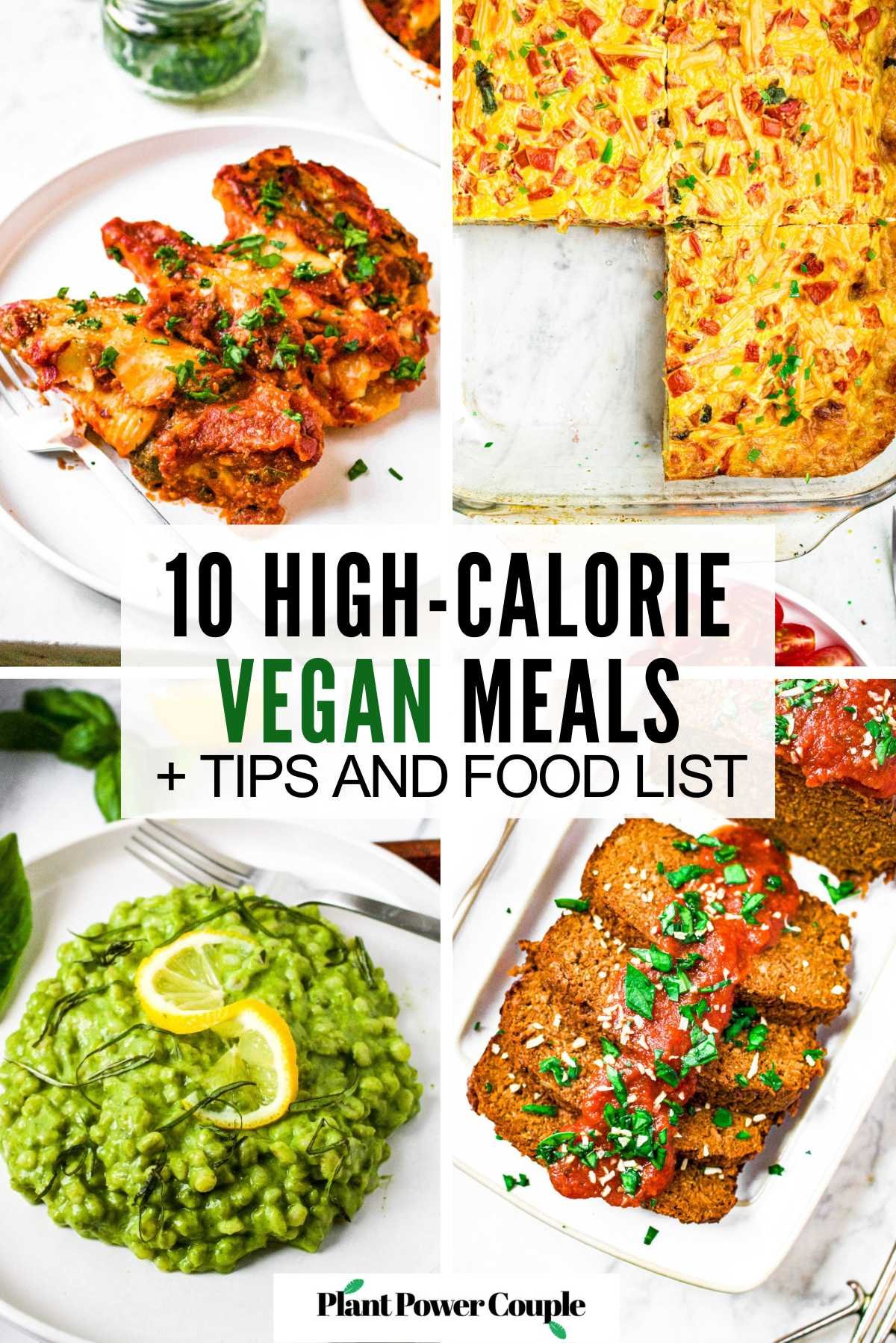
A high-calorie vegan meal plan for bulking is all about loading up on nutrient-dense, plant-based foods to support muscle growth without animal products. To achieve this, focus on incorporating calorie-rich ingredients like nuts, seeds, legumes, and healthy oils into your meals, ensuring you’re eating enough to fuel muscle gains while staying vegan. With the right combination of foods, you can effectively bulk without compromising your dietary choices or health.
A high-calorie vegan meal plan for bulking involves selecting foods that pack a nutritional punch and help you meet your increased caloric needs. By combining protein-rich sources, healthy fats, and complex carbs, you can build muscle effectively while sticking to your vegan lifestyle. Consistency and variety are key to maximizing results and maintaining energy levels during bulking.
Starting a bulking journey as a vegan might seem tricky, but it’s entirely doable with the right approach. This type of meal plan focuses on consuming more calories than you burn, emphasizing plant-based ingredients that support muscle development. Think hearty stews, nutrient-dense smoothies, and tasty grain bowls that not only satisfy your taste buds but also power your workouts. Vegan bulking is about smart food choices—maximizing calories without sacrificing nutrition, ensuring you gain lean muscle and stay healthy along the way.

What is a high-calorie vegan meal plan for bulking?
A high-calorie vegan meal plan for bulking focuses on providing enough energy and nutrients to promote muscle growth and weight gain without relying on animal products. It emphasizes plant-based foods rich in calories and protein to help build muscle mass effectively. This type of meal plan is perfect for vegans who want to increase their size and strength while staying true to their dietary choices.
To design an effective high-calorie vegan meal plan, it’s important to include a variety of foods that deliver essential nutrients. Carbohydrates, healthy fats, and plant-based proteins form the core of this plan. Consuming calorie-dense foods regularly helps meet increased energy needs without feeling overly full or sluggish.
A key goal is to incorporate nutrient-rich foods that maximize calorie intake without excessive volume. This means selecting foods that are easy to prepare and integrate into daily meals. Balancing macro and micronutrients helps support muscle recovery, boost energy levels, and maintain overall health during bulking phases.
The focus should be on consistent, well-balanced meals throughout the day. This will help maintain a steady supply of nutrients needed for muscle synthesis. Meal timing and portion sizes are crucial to optimize calorie intake and prevent fatigue or hunger between meals.
Finally, tracking daily caloric intake and adjusting meals as needed ensures you stay on target. This prevents over- or under-eating, which can hinder progress or cause unwanted fat gain. A structured, flexible plan makes bulking on a vegan diet simpler and more effective.
Understanding Calorie Needs for Vegan Bulking
Everyone’s calorie requirements differ based on age, gender, activity level, and body composition. When bulking on a vegan diet, it’s important to calculate your Total Daily Energy Expenditure (TDEE). TDEE includes Basal Metabolic Rate (BMR) plus calories burned during activity.
To promote muscle growth, you typically need to consume around 15-20% more calories than your TDEE. This surplus supplies the energy necessary for muscle repair and growth. For example, if your TDEE is 2500 calories, you should aim for a daily intake of roughly 2900-3000 calories.
Using tools such as calorie calculators can help estimate your daily needs. Adjustments should be made based on progress, ensuring that you gain muscle without excessive fat gain. Monitoring weight and strength gains regularly helps refine your meal plan to fit your goals.
It’s important to remember that high-calorie vegan meal plans should prioritize **nutrient density**. Filling up on empty calories from processed foods can lead to poor health and inadequate nutrient intake. Focus on wholesome, plant-based foods that deliver both calories and vital vitamins and minerals.
Macronutrient Breakdown for Vegan Bulking
A balanced macronutrient ratio optimizes muscle gain and recovery. Typically, vegans aiming to bulk should focus on the following distribution:
- Carbohydrates: 50-60% of total daily calories
- Protein: 20-30%
- Healthy Fats: 20-30%
Carbohydrates energize workouts and replenish glycogen stores. Prioritize complex carbs such as oats, brown rice, quinoa, and starchy vegetables. These provide sustained energy and aid in recovery.
Protein is essential for muscle rebuilding. Vegan sources include lentils, chickpeas, tofu, tempeh, seitan, edamame, and plant-based protein powders. Aim for at least 1.2 to 2.0 grams of protein per kilogram of body weight daily.
Healthy fats support hormone production and overall health. Incorporate foods like avocados, nuts, seeds, and olive oil to meet fat needs. These fats are calorie-dense and easy to include in meals or snacks.
Striking a proper balance ensures you supply your body with sufficient energy and nutrients. This supports consistent training and muscle growth without unnecessary fat gain.
High-Calorie Vegan Foods for Bulking
Consuming calorie-dense foods is crucial for reaching your bulking goals. Here is a list of some popular vegan foods that pack a high calorie count:
Legumes and Pulses
- Lentils
- Chickpeas
- Black beans
- Kidney beans
These foods are rich in protein and carbs, making them a great base for meals or snacks. For added calories, prepare dishes with oil or coconut milk.
Nuts and Seeds
- Almonds
- Walnuts
- Chia seeds
- hemp seeds
- Sunflower seeds
Nuts and seeds are calorie-dense and contain healthy fats and protein. They can be added to smoothies, oatmeal, or eaten as snacks.
Nut Butters
- Peanut butter
- Almond butter
- Cashew butter
Nut butters are easy to add to bread, smoothies, or fruit. They provide a significant calorie boost along with healthy fats and protein.
Whole Grains
- Oats
- Brown rice
- Quinoa
- Whole wheat bread
Whole grains supply complex carbs and some protein. They help sustain energy levels during workouts and throughout the day.
Plant-Based Oils
- Olive oil
- Coconut oil
- Avocado oil
Adding oils to meals increases calorie density and enhances flavor. Use them for cooking, roasting, or drizzling over dishes.
Dried Fruits
- Dates
- Figs
- Apricots
Dried fruits provide quick energy and calories with natural sugars. They’re perfect for snacks or adding to cereals and salads.
Sample High-Calorie Vegan Meal Plan for Bulking
Here is an example of a daily meal plan that hits high calories while remaining balanced in nutrients:
Breakfast
- Oatmeal made with rolled oats, almond milk, topped with peanut butter, chia seeds, and sliced bananas
Snack
- A handful of mixed nuts and dried fruits
Lunch
- Quinoa bowl with roasted chickpeas, avocado, spinach, and tahini sauce
Afternoon Snack
- Whole wheat toast with almond butter and sliced strawberries
Dinner
- Stir-fried tofu with brown rice, broccoli, bell peppers, and sesame oil
Evening Snack
- Homemade vegan smoothie with plant-based protein, frozen berries, spinach, and coconut milk
This plan provides a variety of calorie-dense, nutritious foods to support muscle growth. Adjust portions based on specific calorie needs, activity level, and individual preferences.
Tips for Success with a Vegan Bulking Meal Plan
- Plan meals ahead of time to ensure you meet your daily calorie goals
- Use calorie-tracking apps to monitor intake and make adjustments as needed
- Incorporate a wide variety of plant-based foods to prevent nutrient deficiencies
- Focus on whole, minimally processed foods for better health and recovery
- Stay hydrated and balance macronutrients to optimize performance and growth
Including these tips helps maintain consistency and supports your bulking efforts over time. Remember that patience and persistence are key when building muscle on a vegan diet.
A high-calorie vegan meal plan for bulking must be structured, enjoyable, and sustainable. Focus on nutrient-rich foods that deliver the calories necessary for muscle growth while keeping meals flavorful and satisfying. By constantly refining your approach based on progress, you can successfully gain lean muscle mass and stay healthy throughout your bulking phase.
Vegan Muscle Building Plan – COMPLETE Meal Plan
Frequently Asked Questions
What are some nutrient-dense foods suitable for a vegan bulking plan?
Include foods like legumes, tofu, tempeh, nuts, seeds, whole grains, and starchy vegetables such as sweet potatoes and squash. These options provide a high calorie content along with essential proteins, healthy fats, and vitamins, supporting muscle growth and overall energy needs.
How can I balance macronutrients in a high-calorie vegan diet for bulking?
Focus on pairing carbohydrate-rich foods like oats and brown rice with plant-based proteins such as lentils and chickpeas. Incorporate healthy fats from avocados, nuts, and seeds. Regularly monitor your intake to ensure you’re getting enough calories from all macronutrient groups to meet your bulking goals.
What are some snack ideas to increase calorie intake on a vegan plan?
Opt for calorie-dense snacks like trail mix, nut butters spread on whole-grain toast, smoothies with added peanut butter and oats, energy bars made from dates and nuts, or dried fruits. These snacks help boost your daily calorie intake conveniently.
Can supplements help meet my caloric needs during vegan bulking?
Yes, vegan protein powders, such as pea or rice protein, can supplement your diet and ensure sufficient protein intake. Additionally, incorporating plant-based weight gain shakes can help add extra calories when you struggle to meet your targets through food alone.
What strategies can I use to eat more frequently without feeling overwhelmed?
Plan to have smaller, more frequent meals and snacks throughout the day. Incorporate portable options like energy balls, smoothies, and nut butter sandwiches. Staying consistent with these smaller meals helps maintain high calorie intake without causing discomfort.
Final Thoughts
A high-calorie vegan meal plan for bulking emphasizes nutrient-dense foods like nuts, seeds, legumes, and whole grains. Incorporate smoothies, tofu, and avocado to boost calorie intake effortlessly. Focus on balanced meals that combine healthy fats, proteins, and carbs to support muscle growth.
Planning meals ahead ensures you meet your calorie goals without feeling overwhelmed. Consistency remains key to achieving optimal results.
What is a high-calorie vegan meal plan for bulking? It provides the necessary calories and nutrients for muscle gain while staying plant-based.
As an Amazon Associate, We earn from qualifying purchases. When you purchase a product through Amazon links on pulsefitguide.com, we may earn a small commission at no extra cost to you. This helps support the site and keep our content free.
