


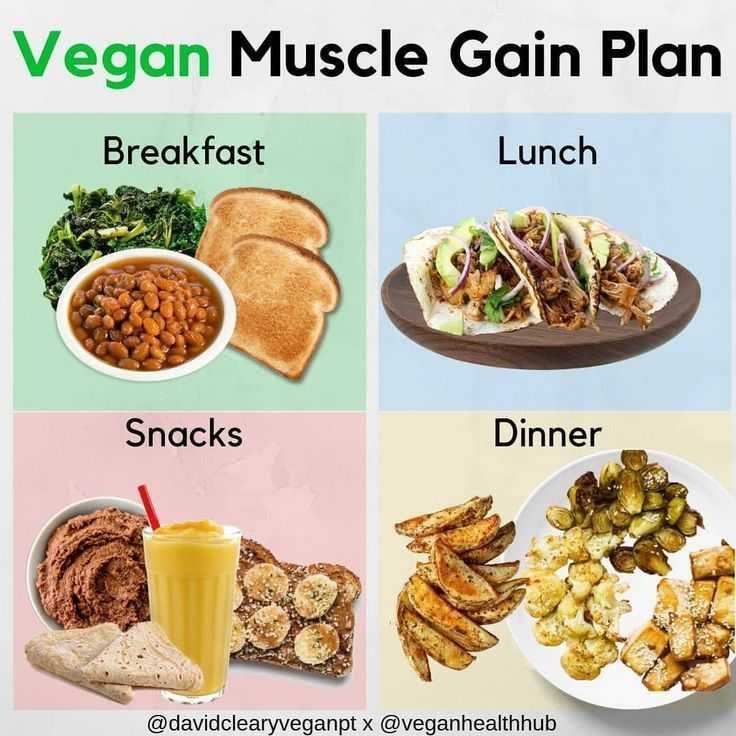
Starting a muscle gain journey as a vegetarian can be both exciting and rewarding! The key lies in choosing nutrient-rich foods that support muscle growth while fitting into a plant-based diet. A well-structured vegetarian muscle gain meal plan provides enough protein, healthy fats, and complex carbs to fuel workouts and promote recovery. For beginners, it’s about balancing variety and consistency, ensuring you’re getting the right macronutrients without feeling overwhelmed. With the right foods and meal timing, vegetarians can effectively build muscle and improve strength just like their omnivorous counterparts. This plan is flexible, approachable, and designed to help you see results while enjoying delicious, wholesome plant-based meals.
A vegetarian muscle gain meal plan for beginners focuses on incorporating high-protein plant foods like beans, lentils, tofu, and tempeh, balanced with whole grains, nuts, and seeds. It emphasizes meal timing and portion control to maximize muscle synthesis. Even with a vegetarian diet, it’s entirely possible to boost muscle growth by making smart food choices and staying consistent.
If you’re new to muscle building on a vegetarian diet, the key is to prioritize protein intake through plant-based sources, include enough calories to support growth, and stay disciplined with your meal schedule. This approach ensures you’re providing your body with everything it needs to develop lean muscle effectively.

What is a vegetarian muscle gain meal plan for beginners?
A vegetarian muscle gain meal plan for beginners is a structured guide that helps new vegetarians increase muscle mass while following a plant-based diet. It focuses on providing enough protein, healthy fats, and complex carbohydrates to support muscle development. The plan aims to make muscle building simple, nutritious, and easy to follow for those who do not eat meat.
Understanding the Basics of a Vegetarian Muscle Gain Meal Plan
Key Nutrients for Muscle Growth
Building muscle relies heavily on consuming sufficient protein, which helps repair and grow muscles after workouts. Vegetarians need to pay attention to sources like beans, lentils, tofu, tempeh, and nuts. Carbohydrates provide energy for workouts and recovery, while healthy fats support overall health and hormone production.
Calorie Intake
To gain muscle, you must eat more calories than your body burns each day. This is called a calorie surplus. Beginners should focus on gradually increasing their daily intake, ensuring they get enough energy to support muscle growth without gaining excessive fat.
Planning Balanced Vegetarian Meals for Muscle Gain
Meal Composition Tips
- Protein-rich foods: Incorporate beans, peas, lentils, soy products, and dairy (if lacto-vegetarian).
- Carbohydrates: Use whole grains like brown rice, oats, quinoa, and whole wheat bread.
- Healthy Fats: Add sources such as avocados, nuts, seeds, and olive oil.
- Fruits and Vegetables: Ensure ample intake for vitamins, minerals, and antioxidants that aid recovery.
Frequency and Portion Sizes
Eat five to six small meals throughout the day to keep your energy levels steady. Each meal should include a good mix of protein, carbs, and fats for optimal muscle growth and recovery.
Sample Vegetarian Meal Plan for Beginners
Breakfast
- Oatmeal topped with chia seeds, walnuts, and berries
- A glass of soy or almond milk for added protein
Mid-Morning Snack
- This could be a handful of almonds and a banana
Lunch
- Quinoa salad with chickpeas, cucumber, tomatoes, and feta cheese
- Side of steamed broccoli with olive oil
Afternoon Snack
- Hummus with whole wheat pita bread or veggie sticks
Dinner
- Stir-fried tofu with mixed vegetables and brown rice
- A small bowl of lentil soup
Evening Snack
- Greek yogurt with honey and mixed nuts
Protein Sources for Vegetarians
Legumes and Pulses
Beans, lentils, chickpeas, and peas are excellent plant-based protein sources. They are also high in fiber, which benefits digestion and overall health. Including a variety of these in your meals ensures diverse amino acid profiles.
Soy Products
Tofu, tempeh, edamame, and soy milk provide complete proteins containing all essential amino acids. They are versatile and easy to add into many dishes.
Grains and Seeds
Quinoa, amaranth, chia seeds, and flaxseeds are rich in protein and healthy fats. Quinoa, in particular, is a complete protein, making it a valuable addition to vegetarian diets focused on muscle gain.
Nuts and Nut Butters
Almonds, peanuts, cashews, and their butters are calorie-dense and high in protein, making them ideal for boosting daily intake. They also provide healthy fats that support hormone health.
Supplements and Additional Tips
Protein Powders
Vegetarian protein powders, such as pea, rice, or hemp protein, can supplement your diet if you struggle to meet protein goals through food alone. Use them in smoothies or as an ingredient in recipes.
Meal Prep and Planning
Preparing meals ahead of time makes it easier to stick with your plan and ensures you always have nutritious options. Batch-cook grains, legumes, and roasted vegetables to save time during busy days.
Hydration and Recovery
Drink plenty of water throughout the day to support digestion and muscle recovery. Proper hydration boosts performance and helps prevent injuries.
Adjusting the Meal Plan for Personal Needs
Monitoring Progress
Keep track of your weight, strength gains, and overall energy levels. Adjust calorie intake and portion sizes based on your progress and goals.
Dietary Restrictions and Preferences
If you have food allergies or dislike certain foods, substitute with similar nutrient-dense options. For example, use sunflower seeds instead of nuts if allergic.
Incorporating Cheat Meals
Allow occasional flexibility to avoid feeling deprived. Focus on moderation, and return to your plan for consistent progress.
Additional Tips for Success
Consistency is Key
Stick to your meal plan regularly and combine it with a suitable strength training routine for optimal gains. Consistency builds habits and results over time.
Gradual Increases
Increase your calorie intake and workout intensity gradually to avoid fatigue and injury. Patience is vital when building muscle as a vegetarian.
Stay Inspired and Informed
Follow nutrition blogs, join online communities, or consult a dietitian for advice tailored to your goals. Staying motivated helps maintain your meal and workout routines.
Healthy Lifestyle Habits
Ensure sufficient sleep, manage stress levels, and stay active daily to support your muscle gain journey. Combining good habits accelerates progress and enhances well-being.
Related Topics for Vegetarians and Muscle Gain
Vegetarian Protein-Rich Recipes
Explore recipes like chickpea burger patties, lentil curries, or tofu scramble to diversify your diet and boost protein intake.
Plant-Based Supplements for Athletes
Learn about creatine, BCAAs, and other supplements suitable for vegetarians to enhance performance and recovery.
Balancing Vegetarian Diet and Fitness Goals
Understand how to balance nutrient intake with your activity level to ensure healthy progress toward muscle gain.
Incorporating Superfoods into Your Routine
Integrate superfoods such as spirulina, cacao, and maca into meals for added nutrients and energy.
Creating a vegetarian muscle gain meal plan for beginners involves understanding your nutritional needs, choosing the right foods, and sticking to a consistent schedule. Focus on variety, balance, and gradual progress to achieve your muscle building goals while enjoying a healthy, plant-based lifestyle.
Vegan Muscle Building Plan – COMPLETE Meal Plan
Frequently Asked Questions
What are the key components to include in a vegetarian meal plan for muscle building?
A well-balanced vegetarian meal plan for muscle gain should include a variety of protein sources like legumes, tofu, tempeh, and dairy products. Incorporate complex carbohydrates such as oats, brown rice, and whole-grain bread to fuel workouts and aid recovery. Healthy fats from nuts, seeds, avocados, and olive oil support overall health. Additionally, include a range of colorful vegetables and fruits to ensure sufficient vitamins and minerals for optimal performance and recovery.
How can beginners ensure they meet their daily protein requirements on a vegetarian diet?
Beginners should aim to include a protein source in every meal and snack. Combining complementary proteins such as beans with rice or hummus with whole-grain bread helps maximize amino acid intake. Incorporate high-protein plant foods like Greek yogurt, cottage cheese, lentils, chickpeas, and quinoa into daily meals. Tracking daily intake through apps can also help ensure consistent consumption of the recommended protein amounts for muscle growth.
What are some simple vegetarian meals suitable for someone just starting a muscle gain plan?
Simple vegetarian meals include dishes like chickpea and vegetable stir-fry with quinoa, black bean and corn tacos, or a hearty lentil soup with whole-grain bread. Smoothies made with Greek yogurt, berries, and a spoon of nut butter serve as quick, nutritious snacks. Hard-boiled eggs and mixed nuts also make for convenient, high-protein options that require minimal preparation.
How should timing and meal spacing look for vegetarian beginners focused on muscle growth?
Eat balanced meals every three to four hours to maintain energy levels and support muscle repair. Prioritize post-workout nutrition by consuming a protein-rich snack or meal within an hour of exercising to aid recovery. Consistent meal timing helps optimize nutrient absorption and maintains steady energy throughout the day.
What are some common challenges vegetarians face when trying to build muscle, and how can they overcome them?
Vegetarians often struggle to meet their protein requirements and may find it hard to source enough complete amino acids. To overcome this, incorporate a diverse range of plant-based proteins and combine different sources throughout the day. Planning meals ahead of time ensures balanced intake, and considering supplements like plant-based protein powders can help fill nutritional gaps. Staying consistent with nutrient-dense foods and tracking progress supports steady muscle growth.
Final Thoughts
A vegetarian muscle gain meal plan for beginners focuses on combining plant-based proteins, healthy fats, and complex carbs. Include foods like beans, lentils, tofu, quinoa, nuts, and seeds to meet protein needs. Eating balanced meals regularly supports muscle growth and energy levels.
By planning your meals thoughtfully, you ensure your body gets the nutrients it needs for effective muscle building. Consistency and variety help maintain motivation and progress.
What is a vegetarian muscle gain meal plan for beginners? It provides a simple blueprint to help new vegetarians build muscle while enjoying nutritious foods.
As an Amazon Associate, We earn from qualifying purchases. When you purchase a product through Amazon links on pulsefitguide.com, we may earn a small commission at no extra cost to you. This helps support the site and keep our content free.
