


Starting a new workout journey can be exciting, but many beginners wonder if they need protein shakes to build muscle effectively. The quick answer is: no, beginners don’t necessarily need protein shakes to gain muscle; focusing on a balanced diet rich in whole foods can be just as effective. Protein shakes can be a convenient supplement, but they aren’t mandatory for muscle growth—your body can get all the protein it needs from regular meals if you plan carefully. For most people just starting out, prioritizing consistent strength training and eating enough protein through natural sources is sufficient. The key is understanding your nutritional needs and making smart choices that support your fitness goals without relying solely on supplements. Let’s explore whether protein shakes are essential or just an extra tool for muscle gain.

Do beginners need protein shakes to gain muscle?
Understanding the role of protein in muscle growth
Protein is essential for building and repairing muscle tissue. When you exercise, especially strength training, your muscles experience small tears that need fixing. Protein provides the amino acids necessary for this healing process. Without enough protein, muscle growth can slow down or stall.
For beginners, the body is often more responsive to exercise, making it a good time to focus on nutrition. While protein intake is important, it does not automatically mean protein shakes are needed to see results. Your overall diet can provide sufficient protein if planned properly.
Can a well-balanced diet provide enough protein for beginners?
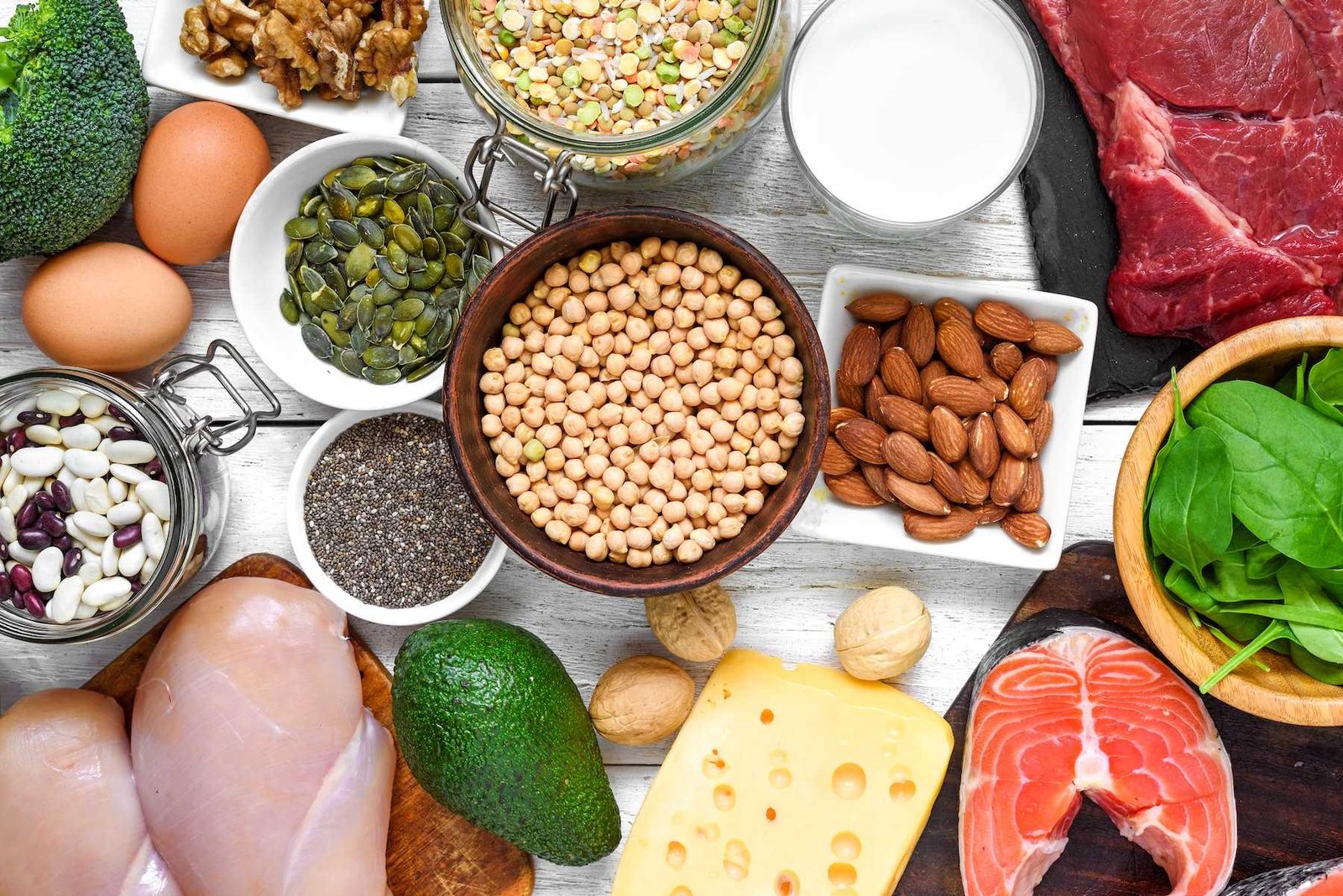
A healthy diet with a variety of foods can supply all the protein needed for muscle gain. Foods such as eggs, dairy products, lean meats, fish, beans, lentils, nuts, and seeds contain high-quality protein. Consuming these regularly can support muscle growth without relying on supplements.
The key is to include enough of these foods to meet daily protein requirements. Most adults need about 0.8 grams of protein per kilogram of body weight daily. For those engaging in strength training, this can increase to 1.2 to 2.0 grams per kilogram to promote muscle gain.
Are protein shakes necessary for beginners to gain muscle?
Protein shakes are not strictly necessary for beginners. They can be a convenient way to boost protein intake, especially for those with busy lifestyles or picky eaters. However, they are a supplement, not a replacement for whole foods.
Most beginners can achieve their protein goals through proper meal planning alone. Using whole foods offers additional nutrients like fiber, vitamins, and minerals that support overall health and fitness. Relying solely on shakes might cause you to miss out on these benefits.
When might beginners consider using protein shakes?
There are situations where protein shakes can be helpful for beginners. If someone struggles to eat enough protein through meals or has dietary restrictions, shakes can fill the gap. They are also useful immediately after workouts to aid muscle recovery.
For those with busy schedules, shakes can be a quick and portable option to meet protein needs. Additionally, beginners who aim to maximize muscle gain might use shakes as a supplement alongside a balanced diet.
How much protein do beginners need to consume?
For beginners, the recommended daily protein intake varies based on age, weight, and activity level. Typically, consuming about 1.2 to 1.6 grams of protein per kilogram of body weight each day supports muscle growth.
For example, a person weighing 70 kilograms should aim for approximately 84 to 112 grams of protein daily. Distributing this intake evenly across meals helps optimize muscle repair and growth.
Best sources of protein for beginners
Choosing the right protein sources can make a difference. Here are some of the best options:
- Animal-based proteins: Eggs, chicken, turkey, lean beef, fish, dairy products like yogurt and milk.
- Plant-based proteins: Beans, lentils, chickpeas, tofu, tempeh, nuts, and seeds.
- Supplemental options: Protein powders made from whey, casein, soy, or pea protein.
Incorporating a mix of these sources can ensure a range of amino acids and other essential nutrients.
Effective ways to include protein in daily meals
To meet your protein needs, consider these strategies:
- Start your day with eggs or Greek yogurt.
- Include lean meats or fish in lunch and dinner.
- Add beans, lentils, or tofu to salads and stir-fries.
- Snack on nuts, seeds, or protein bars.
- Use protein powders in smoothies for an extra boost.
Balancing meals with these sources ensures a steady supply of amino acids to support muscle growth and recovery.
Potential risks of relying heavily on protein shakes
While protein shakes can be beneficial, excessive use may lead to some issues. Over-relying on shakes might cause you to miss out on fiber, vitamins, and minerals found in whole foods. Consuming too much protein can also strain the kidneys over time in susceptible individuals.
It’s important to maintain a balanced diet and use protein supplements as an addition, not a replacement, to your regular meals. Always consult with a healthcare professional or dietitian before making significant changes to your nutrition plan.
Additional factors influencing muscle gain for beginners
Nutrition alone won’t lead to muscle growth. Consistent strength training exercises are crucial. Beginners should focus on proper technique and gradual progression in their workouts.
Rest and recovery are equally important. Muscles need time to repair after workouts. Adequate sleep and rest days support optimal muscle development and prevent injuries.
Summary of key takeaways about protein shakes for beginners
- Protein is vital for muscle growth, but not the only factor.
- A balanced diet can usually provide enough protein for beginners.
- Protein shakes are convenient but not mandatory.
- Use shakes if you struggle to meet your daily protein needs or need quick post-workout nutrition.
- Focus on a variety of whole foods for additional health benefits.
- Balance protein intake with regular exercise, rest, hydration, and overall good nutrition.
By paying attention to these aspects, beginners can effectively grow muscle and improve their fitness without solely relying on protein shakes. Remember, consistency and balanced habits are key to achieving your goals in a healthy and sustainable way.
Protein Powder: How to Best Use It For Muscle Growth (4 Things You Need to Know)
Frequently Asked Questions
Can beginners meet their protein needs through diet alone without using supplements?
Yes, many beginners can meet their daily protein requirements by consuming a variety of whole foods such as lean meats, eggs, dairy, legumes, nuts, and seeds. Focusing on a balanced diet that includes sufficient protein sources often provides all the amino acids needed for muscle growth. However, meal planning and ensuring adequate intake can be challenging for some, which is where protein supplements might be helpful.
What are the potential benefits of using protein shakes for beginners trying to build muscle?
Protein shakes can offer a quick and convenient way to increase daily protein intake, especially after workouts when your body needs nutrients to recover and grow. They help fill gaps in your diet if you’re unable to get enough protein from food alone, support muscle repair, and promote consistent calorie and nutrient intake necessary for growth.
Are there any risks associated with relying heavily on protein supplements as a beginner?
Relying excessively on protein supplements can lead to an imbalance in your diet, potentially resulting in nutrient deficiencies if other food groups are neglected. Additionally, excessive protein intake may put strain on your kidneys over time, especially if you have pre-existing health issues. It’s best to use supplements as a complement to a balanced diet and consult with a healthcare professional if unsure about your nutritional needs.
How much additional protein should a beginner aim for when starting a muscle-building routine?
Most beginners benefit from consuming about 1.2 to 2.0 grams of protein per kilogram of body weight daily, depending on workout intensity and personal goals. It’s important to spread protein intake evenly throughout the day across meals. Focus on whole foods first and use supplements if you find it difficult to reach your target through diet alone.
When should beginners consider adding protein shakes to their routines?
Beginners should consider adding protein shakes when they struggle to meet their daily protein goals through food sources, especially after training sessions to support recovery. They can also be useful when traveling, during busy schedules, or if appetite decreases at certain times. Using them as a supplement rather than a primary source helps maintain a balanced diet.
Final Thoughts
Beginners often wonder if protein shakes are necessary for muscle gain. While protein is essential, most can meet their daily needs through a balanced diet of whole foods like lean meats, eggs, dairy, and legumes.
Using shakes can be convenient, but they are not a strict requirement. Consistency in training and proper nutrition play a bigger role in muscle development.
Do beginners need protein shakes to gain muscle? No, but they can be a helpful supplement if they struggle to consume enough protein from food alone.
As an Amazon Associate, We earn from qualifying purchases. When you purchase a product through Amazon links on pulsefitguide.com, we may earn a small commission at no extra cost to you. This helps support the site and keep our content free.
