


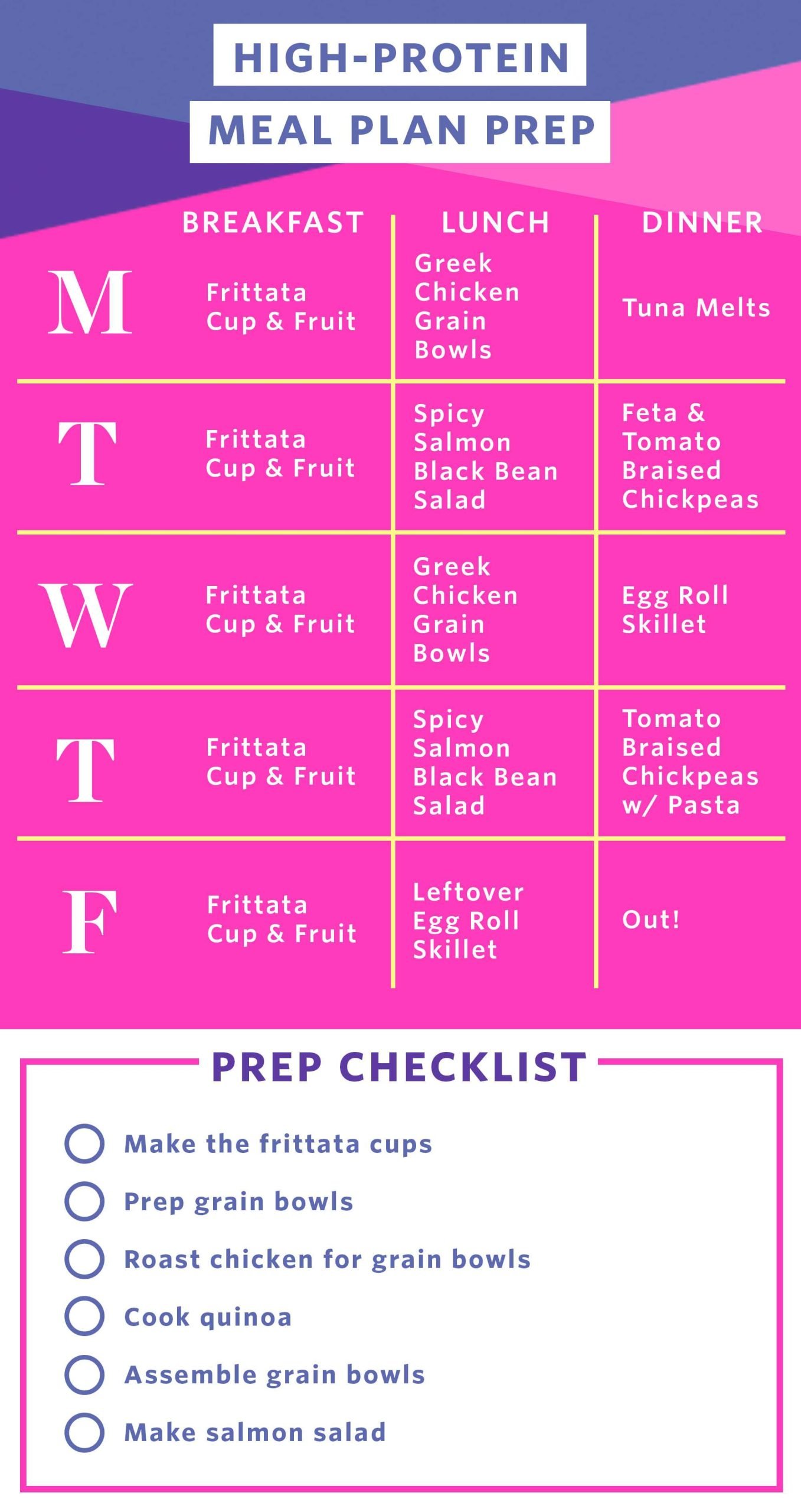
A high-protein meal plan for beginners focuses on incorporating more protein-rich foods into daily meals to support muscle growth, satiety, and overall health. It’s an excellent way to kick-start your fitness journey or improve your diet without feeling overwhelmed. For newcomers, a simple, balanced approach that emphasizes lean meats, dairy, legumes, and nuts can make the transition easier. By planning meals around these protein sources, beginners can enjoy sustained energy and better appetite control. Remember, consistency is key, and gradually increasing your intake helps your body adjust comfortably. Whether you’re aiming to build muscle, lose weight, or simply eat healthier, a high-protein plan can be tailored to fit your lifestyle and preferences.
A high-protein meal plan for beginners involves including plenty of protein-rich foods in your daily diet, such as lean meats, eggs, dairy products, beans, and nuts. It helps support muscle development and keeps you feeling full longer. Starting with simple, balanced meals makes it achievable and sustainable for those new to this eating style.
Starting a high-protein meal plan can feel intimidating, especially if you’re unfamiliar with the foods or cooking methods involved. But the truth is, it’s easier than you think. By focusing on incorporating nutrient-dense, protein-packed foods into your everyday meals, you can enjoy a variety of delicious options that fuel your body and support your health goals. Whether you’re looking to tone muscles, manage your weight, or boost overall well-being, a beginner-friendly high-protein plan emphasizes balance and gradual changes. It’s about creating sustainable habits without complicating your routine, making it an accessible and rewarding way to improve your diet.

What is a high-protein meal plan for beginners?
A high-protein meal plan focuses on including foods rich in protein in every meal. This type of plan can help improve muscle strength, support weight management, and boost energy levels. For beginners, understanding how to create a balanced high-protein eating schedule is essential for success.
Why is protein important for your health?
Protein is a vital nutrient that plays a key role in building and repairing tissues. It helps maintain muscle mass, supports immune function, and provides long-lasting energy. Incorporating enough protein into your diet can also aid in controlling appetite and reducing cravings.
Understanding the basics of a high-protein meal plan
What does a typical high-protein meal include?
A high-protein meal usually contains a source of lean protein, healthy fats, and complex carbohydrates. The main focus is on choosing foods that are rich in protein but low in saturated fats and processed ingredients.
How much protein do beginners need daily?
The general recommendation for adults is about 0.8 grams of protein per kilogram of body weight daily. For instance, a person weighing 70 kilograms needs approximately 56 grams of protein every day. However, active individuals or those looking to build muscle might require more, around 1.2 to 2.0 grams per kilogram.
Key foods that provide high-quality protein
Animal sources of protein
- Chicken breasts
- Lean cuts of beef
- Eggs and egg whites
- Fish such as salmon, tuna, and cod
- Low-fat dairy products like Greek yogurt and cottage cheese
Plant-based sources of protein
- Lentils and chickpeas
- Tofu and tempeh
- Quinoa and amaranth
- Edamame
- Nuts and seeds such as almonds, chia seeds, and sunflower seeds
Designing a beginner-friendly high-protein meal plan
Starting with simple meal ideas
Begin with easy-to-prepare recipes like grilled chicken salads, scrambled eggs with vegetables, or overnight oats topped with nuts. Focus on incorporating a high-protein source into each meal without overcomplicating preparation.
Sample meal plan structure
| Meal | Example Foods | Approximate Protein Content |
|---|---|---|
| Breakfast | Greek yogurt with berries and chia seeds | 20 grams |
| Lunch | Grilled chicken breast with a side of quinoa and vegetables | 30 grams |
| Snack | Hard-boiled eggs or a handful of almonds | 10-15 grams |
| Dinner | Baked salmon with roasted sweet potatoes and greens | 35 grams |
Tips for maintaining a balanced high-protein diet
Include variety
Incorporate different sources of protein to avoid monotony and ensure a range of nutrients. Mix animal and plant-based options for a well-rounded diet.
Pay attention to portion sizes
Eating appropriate portions helps meet your protein needs without excess calories. Use measuring cups or scales to develop a sense of suitable serving sizes.
Combine protein with other nutrients
Pair your protein sources with vegetables, healthy fats, and whole grains. This approach helps digestion and provides sustained energy throughout the day.
Common mistakes to avoid in a high-protein meal plan
Over-relying on processed meats
While meats like sausages can be convenient, they often contain high levels of sodium and preservatives. Opt for fresh, lean cuts whenever possible.
Ignoring other essential nutrients
Protein is important, but do not forget to include sufficient fruits, vegetables, and whole grains for overall health.
Not hydrating enough
High-protein diets can increase water needs. Be sure to drink plenty of water to support digestion and kidney health.
Additional considerations for beginners
Gradually increase protein intake
Start with manageable portions and gradually include more protein in your meals. This helps your body adapt comfortably without digestive issues.
Consult a healthcare professional
Before making significant changes, it’s wise to speak with a dietitian or healthcare provider. They can help tailor a plan that fits your individual needs and health conditions.
Incorporating high-protein snacks and supplements
Healthy snack ideas
- Greek yogurt with honey and nuts
- Roasted chickpeas
- String cheese or mozzarella sticks
- Protein bars with minimal added sugars
- Turkey or chicken slices rolled with vegetables
When to consider supplements
If you struggle to meet your daily protein goals through food alone, protein powders or shakes can be helpful. Choose options with natural ingredients and no added fillers.
Tracking your progress
Using apps and journals
Record your daily food intake to monitor protein consumption. Many apps allow you to scan barcodes or search foods for quick logging.
Adjustments based on results
If you are not seeing progress, consider increasing your portion sizes or diversifying your protein sources. Consistency is key to making this plan work long-term.
Creating a high-protein meal plan for beginners involves understanding your nutritional needs, selecting versatile foods, and gradually incorporating them into your daily routine. Stick to simple, enjoyable recipes and stay mindful of your overall diet. Over time, this balanced approach can lead to better health, increased energy, and a stronger, more resilient body.
Build The Perfect Meal Plan To Get Ripped (4 Easy Steps)
Frequently Asked Questions
What are common sources of protein suitable for beginners?
For those new to high-protein eating, include sources such as lean meats like chicken and turkey, fish like salmon and tuna, eggs, dairy products like Greek yogurt and cottage cheese, legumes such as lentils and chickpeas, and plant-based options like tofu and tempeh. These foods are easy to prepare and provide a good balance of essential amino acids.
How can beginners balance their meals to meet high-protein goals?
Start by including a source of protein in each meal, like eggs for breakfast, chicken or fish for lunch and dinner, and snacks such as nuts or Greek yogurt. Pair these with vegetables and whole grains to create well-rounded, satisfying dishes. Tracking portion sizes can help ensure you meet your daily protein targets without overeating.
What are some simple meal ideas for those starting a high-protein plan?
Begin with breakfast options like scrambled eggs with spinach, a smoothie with protein powder, or Greek yogurt topped with nuts. For lunch, consider grilled chicken salad or a tuna wrap, and for dinner, try baked salmon with roasted vegetables or stir-fried tofu with rice. Snacks like almonds or boiled eggs also boost daily protein intake effortlessly.
How should beginners adjust their intake to avoid digestive discomfort?
Introduce higher-protein foods gradually to allow your digestive system to adapt. Stay hydrated and incorporate fiber-rich foods alongside protein sources to promote healthy digestion. It’s also helpful to spread protein consumption across meals rather than consuming large amounts at once.
Are there any specific supplements suitable for beginners on a high-protein diet?
While most beginners can meet their protein needs through food, supplements like whey protein powder can be a convenient option to boost intake, especially on busy days. Always consult a healthcare professional before adding supplements to your routine, and prioritize whole foods for balanced nutrition.
Final Thoughts
A high-protein meal plan for beginners focuses on simple, nutritious foods that promote satiety and muscle growth. It includes lean meats, dairy, beans, and nuts, making planning easier. Incorporating these foods ensures balanced meals without overwhelming your schedule.
Stick to portion sizes and incorporate variety to keep meals exciting and sustainable. Planning ahead helps maintain consistency and achieves your health goals over time.
What is a high-protein meal plan for beginners? It provides a practical way to boost daily protein intake with minimal fuss. This approach supports your fitness journey and promotes overall well-being.
As an Amazon Associate, We earn from qualifying purchases. When you purchase a product through Amazon links on pulsefitguide.com, we may earn a small commission at no extra cost to you. This helps support the site and keep our content free.
