


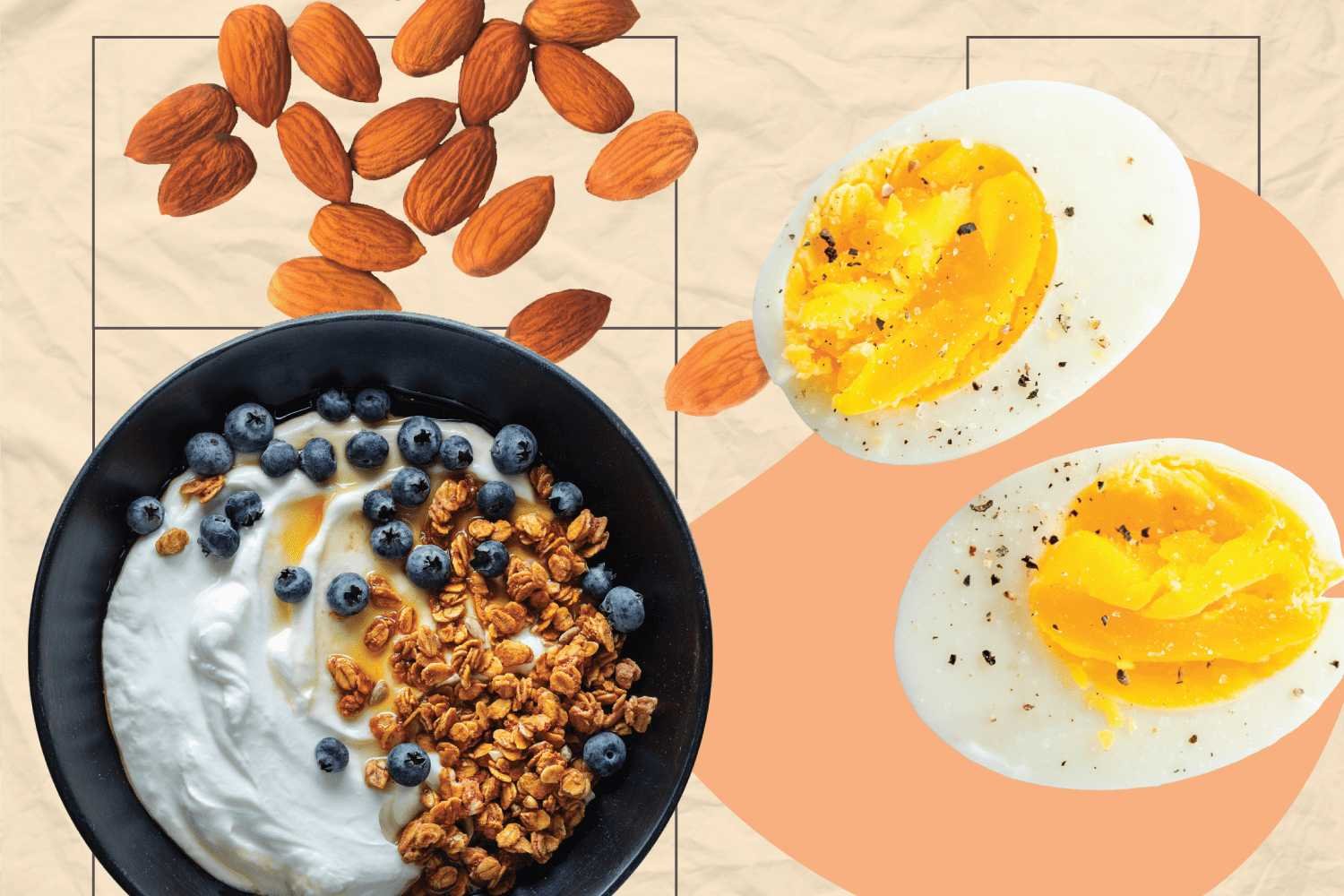
A simple 7-day meal plan for muscle gain is all about balancing high-quality proteins, healthy carbs, and good fats to fuel your workouts and support muscle growth. The key is consistency and nutrition-dense foods that help you recover and build muscle efficiently. Just a few well-planned meals each day can make a big difference in your progress. With the right combination of foods, you don’t need complicated recipes or supplements—just smart choices that support your goals.
A straightforward 7-day meal plan focusing on muscle gain includes plenty of lean proteins like chicken, fish, and eggs, combined with complex carbs such as oats, quinoa, and sweet potatoes, and healthy fats from nuts and avocados. Eating balanced, nutrient-rich meals consistently will optimize muscle growth and recovery without overwhelming your schedule.
Getting stronger and building muscle isn’t just about lifting heavy; it’s equally about what you eat. Having a simple meal plan that’s easy to follow ensures you’re nourishing your body properly every day. This approach helps you stay consistent and motivated, making your muscle-building journey more effective and enjoyable. Whether you’re a beginner or looking to refine your diet, a well-structured meal plan makes all the difference in reaching your fitness goals faster.

What is a simple 7-day meal plan for muscle gain?
Building muscle requires more than just lifting weights; it also depends on what you eat. A well-structured meal plan helps provide the right nutrients to support muscle growth. In this section, we will explore what makes a meal plan simple yet effective for gaining muscle over seven days.
Understanding the basics of muscle gain nutrition
To gain muscle, your body needs extra calories and specific nutrients. Protein is vital because it helps repair and grow muscles. Carbohydrates give energy for workouts and recovery, while healthy fats support hormone production. Balancing these nutrients in your meals creates an ideal environment for muscle building.
Why a 7-day meal plan works
A weekly plan encourages consistency, which is key for progress. It helps you plan ahead, avoid unhealthy choices, and ensure you’re getting enough of each nutrient. Plus, repeating some meals saves time and simplifies grocery shopping.
Key components of an effective meal plan for muscle gain
- High protein intake: Includes chicken, fish, eggs, dairy, beans, and lean meats.
- Moderate carbs: Incorporates whole grains, fruits, vegetables, and legumes.
- Healthy fats: Emphasizes nuts, seeds, avocados, and olive oil.
- Frequent meals: Usually 4 to 6 smaller meals per day to keep energy levels steady.
Setting realistic calorie goals for muscle gain
Calculate your daily calorie needs based on your age, weight, height, and activity level. To build muscle, aim for a calorie surplus of about 250 to 500 calories per day. This surplus allows muscles to grow without excessive fat gain.
Macronutrient ratios for muscle building
A common starting point is getting around 40% of calories from carbs, 30% from protein, and 30% from fats. Adjust these based on how your body responds and your personal preference.
Example of a daily calorie breakdown
| Meal | Calories | Protein | Carbohydrates | Fats |
|---|---|---|---|---|
| Breakfast | 400 | 25g | 50g | 10g |
| Snack | 200 | 15g | 25g | 5g |
| Lunch | 600 | 40g | 70g | 15g |
| Snack | 200 | 15g | 20g | 5g |
| Dinner | 600 | 40g | 60g | 20g |
| Total | 2000 | 135g | 245g | 60g |
Sample 7-day meal plan overview
This plan includes a variety of meals to keep your diet interesting and nutrient-rich. Each day emphasizes high-quality protein, balanced carbs, and healthy fats to support muscle growth and recovery.
Day 1: Starting strong with protein power
Breakfast: Scrambled eggs with spinach and whole-grain toast.
Snack: Greek yogurt and mixed berries.
Lunch: Grilled chicken, quinoa, and steamed broccoli.
Snack: A handful of almonds and a banana.
Dinner: Baked salmon, sweet potato, and asparagus.
Day 2: Incorporating lean meats and greens
Breakfast: Oatmeal with peanut butter and sliced apples.
Snack: Cottage cheese with pineapple chunks.
Lunch: Turkey wrap with lettuce, tomato, and hummus.
Snack: Carrot sticks with hummus.
Dinner: Stir-fried tofu with brown rice and vegetables.
Day 3: Vegetarian options and variety
Breakfast: Protein smoothie with banana, spinach, and almond milk.
Snack: Hard-boiled eggs and a pear.
Lunch: Lentil soup with whole-grain bread.
Snack: Trail mix with nuts and dried fruit.
Dinner: Grilled shrimp, wild rice, and roasted zucchini.
Day 4: Focus on dairy and eggs
Breakfast: Omelet with cheese, peppers, and onions.
Snack: Cottage cheese with walnuts.
Lunch: Tuna salad with mixed greens and olive oil dressing.
Snack: An apple with almond butter.
Dinner: Roast chicken, mashed potatoes, and green beans.
Day 5: Incorporating healthy fats
Breakfast: Chia seed pudding with berries.
Snack: Avocado toast on whole-grain bread.
Lunch: Beef stir-fry with vegetables and rice noodles.
Snack: Greek yogurt and honey.
Dinner: Grilled mackerel, farro, and roasted Brussels sprouts.
Day 6: Keeping it fresh and colorful
Breakfast: Whole-wheat pancakes topped with fruit.
Snack: Sliced turkey roll-ups.
Lunch: Quinoa salad with chickpeas and cucumbers.
Snack: Celery sticks with peanut butter.
Dinner: Pork tenderloin, roasted sweet potatoes, and sautéed spinach.
Day 7: Ending on a balanced note
Breakfast: Smoothie bowl with granola.
Snack: Boiled eggs and cherry tomatoes.
Lunch: Baked cod with wild rice and mixed vegetables.
Snack: Cottage cheese with peaches.
Dinner: Beef and vegetable kebabs with couscous.
Additional tips to enhance your meal plan
- Stay hydrated: Drink plenty of water throughout the day.
- Meal prep: Prepare ingredients in advance for quick assembly.
- Portion control: Use measuring cups to avoid overeating.
- Include variety: Mix different protein sources and vegetables for nutrients.
Complementing your meal plan with exercise
Pair your meal plan with regular strength training exercises. Focus on compound movements such as squats, deadlifts, and bench presses. Proper nutrition combined with consistent training accelerates muscle gain effectively.
Monitoring progress and making adjustments
Track your weight, strength, and body measurements weekly. If you’re not seeing gains, consider increasing caloric intake slightly. Conversely, cut back if you notice unwanted fat gain.
Creating a simple, effective 7-day meal plan for muscle gain depends on balancing nutrients, choosing varied foods, and maintaining consistency. Focus on high-quality protein, nutritious carbs, and healthy fats to fuel your workouts and support recovery. By following a well-structured plan, you will set yourself up for steady muscle growth and increased strength.
Simple 7 Day Meal Plan For Building Muscle!! (includes Macros)
Frequently Asked Questions
What types of foods should be included in a daily muscle-building meal plan?
A balanced muscle-building meal plan should include lean proteins such as chicken, turkey, fish, eggs, and plant-based options like beans and lentils. Incorporate complex carbohydrates like oats, brown rice, sweet potatoes, and whole-grain bread to provide sustained energy. Don’t forget healthy fats from sources like nuts, seeds, avocados, and olive oil. Including a variety of vegetables and fruits ensures adequate vitamins, minerals, and fiber essential for recovery and overall health.
How can I ensure my meal plan supports recovery and muscle growth?
To support recovery and muscle growth, focus on timing your meals around your workouts. Consume a protein-rich meal within an hour after exercising to facilitate muscle repair. Maintain a consistent intake of protein throughout the day, aiming for around 1.2 to 2.0 grams per kilogram of body weight. Hydrate sufficiently and include nutrient-dense foods to replenish glycogen stores and provide antioxidants that reduce inflammation and promote healing.
Are there specific meal prep strategies that simplify sticking to a 7-day plan?
Yes, preparing meals in advance helps maintain consistency and reduces the temptation to choose less suitable options. Dedicate a few hours each week to cook large batches of protein sources, carbohydrates, and vegetables. Store them in portioned containers for easy access throughout the week. Planning your meals ahead allows you to balance your intake and avoid last-minute food choices, ensuring you meet your muscle-building goals effortlessly.
How can I modify the plan if I have dietary restrictions or preferences?
If you have dietary restrictions, you can adapt the meal plan by replacing ingredients with suitable alternatives. For example, substitute chicken with tofu or tempeh for a plant-based option. Use gluten-free grains like quinoa or rice if you are gluten-sensitive. Incorporate dairy-free protein sources like plant-based yogurts or protein powders if you’re lactose intolerant. The key is to maintain adequate protein intake and balanced nutrition tailored to your specific needs.
Final Thoughts
A simple 7-day meal plan for muscle gain emphasizes balanced protein, carbs, and healthy fats. Focus on eating lean meats, dairy, whole grains, and plenty of vegetables each day. Incorporate snacks like nuts and protein shakes to boost calorie intake.
Consistency is key—plan meals ahead and stick to portion sizes. Hydrate well and include post-workout meals to optimize recovery. This structured approach helps maximize muscle growth efficiently.
What is a simple 7-day meal plan for muscle gain? It provides a straightforward way to meet your nutritional needs and achieve your fitness goals without unnecessary complexity.
As an Amazon Associate, We earn from qualifying purchases. When you purchase a product through Amazon links on pulsefitguide.com, we may earn a small commission at no extra cost to you. This helps support the site and keep our content free.
