


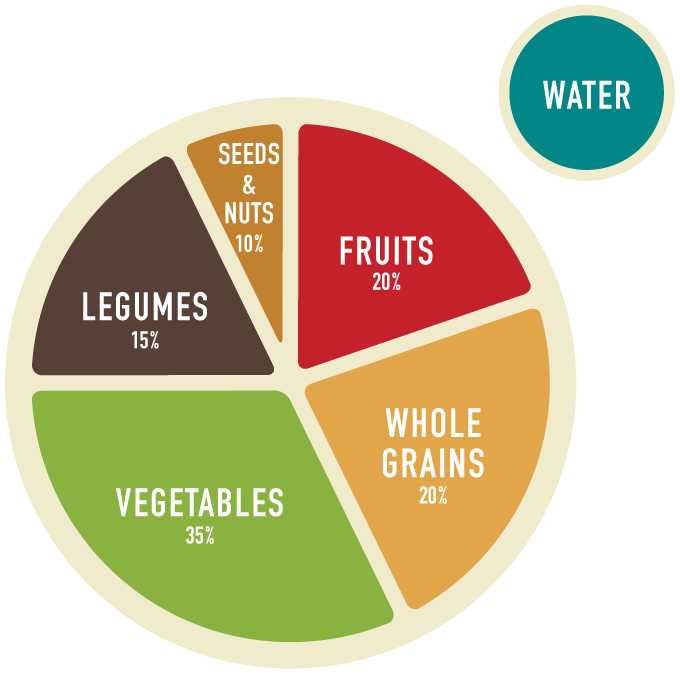
To create a flexible meal plan for weight loss, focus on balancing nutritious foods, allowing room for treats, and adjusting portions based on your progress. Incorporate variety to keep things interesting and prevent feelings of deprivation. Planning ahead and listening to your body’s hunger cues will help you stay on track without feeling restricted.
A flexible meal plan makes losing weight sustainable and enjoyable by emphasizing moderation, balance, and adaptability. It involves designing meals that include a mix of healthy whole foods, occasional indulgences, and portion control, allowing you to stay motivated and committed to your goals. The key is to stay adaptable and focus on consistency rather than perfection.
Starting a weight loss journey can feel overwhelming, especially when faced with strict diets that don’t fit your lifestyle. A flexible meal plan is the perfect solution—it’s about creating a personalized eating strategy that fits your tastes, schedule, and nutritional needs. Instead of rigid rules, you’ll learn to enjoy a variety of foods in moderation, making it easier to stick with your goals long-term. With some planning, mindfulness, and a positive mindset, you can lose weight without sacrificing the joy of eating or feeling deprived. This approach not only helps shed pounds but also promotes healthier habits that last a lifetime.

How do I create a flexible meal plan for weight loss?
Creating a flexible meal plan for weight loss can seem overwhelming at first. But with some simple steps, you can develop a plan that fits your lifestyle while helping you reach your goals. Flexibility is key because it keeps you motivated and prevents feelings of deprivation. Here, we’ll explore every part of making a meal plan that’s both practical and adaptable.
Understanding the Foundations of a Flexible Meal Plan
A flexible meal plan starts with understanding the basic principles of balanced eating. It should include a variety of foods that provide the nutrients your body needs. Think of it like a toolbox that offers options, rather than strict rules you must follow.
- Balance: Combine proteins, healthy fats, and carbohydrates in each meal.
- Moderation: Enjoy treats occasionally without guilt to keep your plan sustainable.
- Portion control: Pay attention to serving sizes to avoid overeating.
Having these principles in mind helps you stay on track without feeling restricted. Remember, the goal is to feel satisfied and energized while losing weight.
Determine Your Calorie Needs
Knowing how many calories you need each day is the first step in planning your meals. Use online calculators or consult a healthcare professional to find your daily calorie target. This number depends on your age, gender, activity level, and weight loss goals.
| Example of Daily Calorie Ranges | For Moderate Weight Loss |
|---|---|
| Women | 1200-1500 calories |
| Men | 1500-1800 calories |
Once you determine your target, you can split these calories across meals and snacks. Make sure to keep a balance that provides enough energy and satisfies your hunger.
Building a Flexible Meal Framework
Designing a basic structure for your meals makes planning easier. For example, you might have three main meals and two snacks each day. Each meal should include a source of protein, a healthy fat, and a carbohydrate.
Example Meal Breakdown
- Breakfast: Oatmeal with nuts and berries, or scrambled eggs with spinach
- Lunch: Grilled chicken salad with olive oil dressing or a veggie wrap with hummus
- Dinner: Baked salmon with quinoa and steamed broccoli or a stir-fry with tofu and mixed vegetables
- Snacks: Greek yogurt, fruit, nuts, or vegetable sticks with dip
This structure allows you to swap foods based on availability or preferences while maintaining nutritional balance.
Incorporating Variety and Flexibility
Variety keeps your meals interesting and ensures you’re consuming different nutrients. Prepare a list of your favorite healthy options for each meal category.
- Proteins: Chicken, turkey, eggs, fish, beans, tofu, lean beef
- Carbohydrates: Whole grains, sweet potatoes, fruits, vegetables, legumes
- Healthy fats: Avocado, nuts, seeds, olive oil, fatty fish
Rotate these foods regularly to prevent boredom and ensure balanced nutrition. Also, allow yourself some treats occasionally to make your plan sustainable.
Meal Prep and Planning for Flexibility
Meal prepping saves time and makes sticking to your plan easier. Prepare larger batches of staples like rice, roasted vegetables, or grilled chicken ahead of time.
- Choose a day for meal prep each week.
- Prepare different ingredients that can be combined in various ways.
- Use containers to portion out meals and snacks for the week.
Having a variety of prepped ingredients makes it simple to assemble different meals, keeping your plan flexible and spontaneous.
Adapting Your Meal Plan to Social and Daily Life
Flexibility also means adjusting your plan for social events or busy days. It’s okay to swap meals or skip a snack when needed.
- Plan ahead for dining out by choosing healthier options.
- Bring healthy snacks when you’re on the go.
- If you indulge, adjust your other meals to stay within your calorie goals.
This way, you maintain your progress without feeling deprived or restricted in social situations.
Monitoring and Adjusting Your Meal Plan
Regularly check in with your progress and how you feel physically and mentally. Adjust your calorie intake or food choices based on your results and preferences.
- Track your meals with apps or a journal.
- Notice how certain foods make you feel—energized or sluggish?
- Modify your plan to include more of what works for you and less of what doesn’t.
This ongoing process ensures your meal plan remains aligned with your goals and lifestyle needs.
Tips for Staying Motivated and Consistent
Staying motivated is vital for long-term success. Celebrate small victories and focus on progress rather than perfection.
- Set realistic goals and track your achievements.
- Find healthy recipes you genuinely enjoy.
- Seek support from friends, family, or online communities.
Remember, a flexible meal plan is about creating a sustainable lifestyle—it’s okay to have days when you indulge a little.
Using Tools and Resources to Support Your Meal Plan
Utilize technology like meal planning apps, grocery delivery services, or recipe websites to keep things simple. These tools can help you stay organized and inspired.
- Apps: Mealime, Yummly, MyFitnessPal
- Grocery shopping: Use lists based on your meal plan to avoid impulse buys.
- Recipe inspiration: Explore healthy cooking blogs or cookbooks.
Having resources at your fingertips makes sticking to your plan easier and more enjoyable.
Addressing Common Challenges
Expect some hurdles along the way, like eating out or dealing with cravings. Plan for these challenges by having alternatives ready.
- Cravings: Opt for healthier versions of your favorite treats.
- Eating out: Choose grilled options, salads, or dishes with vegetables.
- Time constraints: Keep quick, nutritious options available.
Planning ahead helps you manage these situations without derailment.
A flexible meal plan for weight loss focuses on balance, variety, and adaptation to your lifestyle. By understanding your calorie needs, building a versatile framework, preparing ahead, and staying mindful of your progress, you set yourself up for success. Remember, consistency and enjoyment are key to making lasting changes. Keep experimenting with different foods, listen to your body’s signals, and enjoy the journey toward healthier living.
Dietitian Q&A | How to Meal Plan
Frequently Asked Questions
How can I incorporate variety into my meal plan to prevent boredom?
To keep your meal plan engaging, include a wide range of foods from different food groups. Rotate proteins such as chicken, fish, lentils, and tofu, and experiment with various vegetables, fruits, and grains. Planning meals ahead allows you to swap ingredients easily and introduces new recipes regularly. This variety helps you stay motivated and ensures you get a broad spectrum of nutrients, making it easier to stick with your plan over time.
What strategies can I use to adapt my meal plan when my schedule changes?
Preparing quick and portable meals like salads, wraps, or batch-cooked dishes gives you flexibility for busy days. Keep healthy snacks available to avoid impulsive choices. If your schedule shifts, don’t hesitate to modify your meal times or swap meal components with easier options. Regularly review and adjust your plan so it remains convenient and aligned with your lifestyle, reducing the chance of skipping meals or resorting to unhealthy alternatives.
How do I balance indulgent foods within my flexible meal plan?
Include small portions of treats or favorite foods occasionally to satisfy cravings without derailing your progress. Plan for these indulgences by reducing calorie intake in other parts of the day or week, maintaining overall balance. Practicing moderation helps you enjoy your meals fully while staying committed to your weight loss goals. Remember, flexibility involves allowing yourself some enjoyment without guilt.
What role does portion control play in creating a flexible meal plan?
Portion control ensures you maintain a calorie deficit while enjoying varied foods. Use smaller plates, measure servings, and be mindful of hunger cues to prevent overeating. A flexible plan allows for larger or smaller portions depending on your activity level and hunger, helping you stay satisfied without exceeding your calorie goals. This approach supports both weight loss and the enjoyment of diverse meals.
How can I track my progress without feeling restricted?
Keep a simple food journal or use a tracking app to monitor your intake and observe patterns over time. Focus on how different foods make you feel and how your body responds, rather than obsessing over perfection. Flexibility means being honest with yourself and making adjustments when needed. Celebrating small victories and acknowledging your efforts encourages ongoing motivation in your weight loss journey.
Final Thoughts
Creating a flexible meal plan for weight loss involves balancing nutritious foods with variety. Focus on incorporating different fruits, vegetables, lean proteins, and whole grains to prevent boredom. Planning ahead allows you to adjust meals based on your daily needs and cravings.
Stay mindful of portion sizes and indulge occasionally to maintain motivation. Remember, a flexible meal plan keeps you on track without feeling restricted. How do I create a flexible meal plan for weight loss? By staying adaptable and attentive to your body’s signals, you make sustainable progress while enjoying your food.
As an Amazon Associate, We earn from qualifying purchases. When you purchase a product through Amazon links on pulsefitguide.com, we may earn a small commission at no extra cost to you. This helps support the site and keep our content free.
