


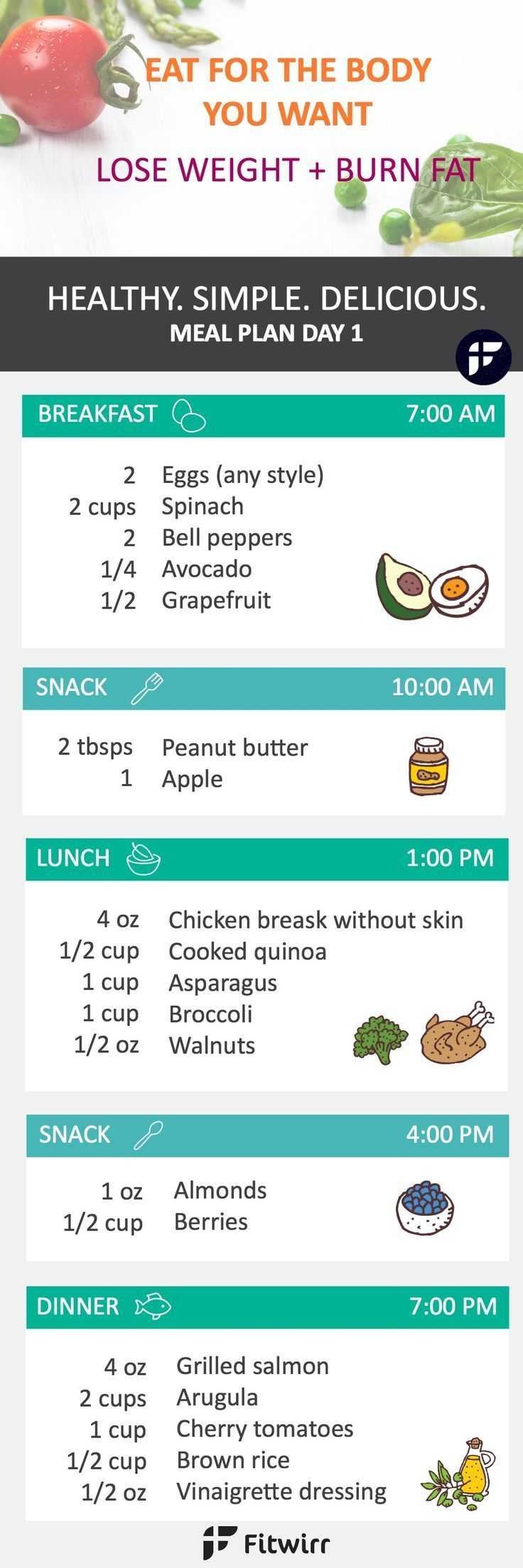
You could start seeing noticeable weight loss within a few weeks of sticking to a clean eating plan, but the exact speed varies depending on individual factors like metabolism, activity level, and consistency. On average, many people lose about 1 to 2 pounds per week by embracing whole, unprocessed foods and cutting back on sugars and unhealthy fats.
In a nutshell, with a dedicated clean eating approach, you might shed weight relatively quickly—sometimes up to a couple of pounds weekly—especially in the first month. However, sustainable results come from long-term habits rather than rapid fixes. The key is consistency, patience, and focusing on nourishing your body while making healthier choices.
Starting a clean eating plan can feel overwhelming at first, but it’s a rewarding journey that promotes better health and lasting weight management. By prioritizing fresh vegetables, lean proteins, whole grains, and eliminating processed snacks, you set the foundation for effective, steady weight loss. The pace will depend on your starting point and effort, but staying committed will bring real, sustainable progress over time.

How fast can I lose weight with a clean eating plan?
Many people want to know how quickly they can shed pounds by following a clean eating plan. The answer depends on several factors, including your starting weight, activity level, and how strictly you follow the plan. Usually, people see noticeable changes within a few weeks. But understanding the process can help you stay motivated and realistic about your goals.
Understanding the Basics of Clean Eating
Clean eating focuses on consuming whole, minimally processed foods. This means choosing fresh fruits, vegetables, lean proteins, whole grains, and healthy fats. Avoiding processed foods, sugary snacks, and artificial ingredients is essential. This approach helps improve nutrition and support weight loss naturally.
How Does Clean Eating Support Weight Loss?
Eating clean naturally reduces calorie intake because whole foods are more filling and less calorie-dense than processed foods. It promotes better digestion, stabilizes blood sugar, and reduces cravings for unhealthy snacks. As a result, your body starts burning stored fat for energy more efficiently.
Typical Rate of Weight Loss with a Clean Eating Plan
Most people lose about 1 to 2 pounds per week when they follow a clean eating plan. This steady rate is considered safe and sustainable. Some individuals might lose more in the first week due to water weight reduction, especially if they reduce refined carbs and salt intake.
Factors Influencing Speed of Weight Loss
Starting Weight
If you start with a higher body weight, you may lose weight faster initially. This is often due to higher calorie requirements and more significant water loss. Over time, the rate tends to slow down to a more stable pace.
Age and Metabolism
Younger individuals tend to lose weight faster because their metabolism is naturally higher. As you age, your metabolic rate may slow, affecting how quickly you shed pounds.
Activity Level
Increased physical activity complements a clean eating plan and can accelerate weight loss. Combining diet with regular exercise helps boost calorie burn and preserve muscle mass.
Setting Realistic Expectations
While some people hope to lose weight rapidly, it’s healthier to aim for gradual progress. Rapid weight loss often leads to muscle loss and nutritional deficiencies. Consistency over weeks yields more sustainable results.
Creating a Personalized Timeline
Every individual’s journey is unique. Use your current weight, lifestyle, and goals to estimate your progress. For example, if you plan to lose 10 pounds, it might take approximately 5 to 10 weeks based on a rate of 1 to 2 pounds weekly.
How to Maximize Your Results
- Keep portion sizes in check: Eating large portions of clean foods can still lead to excess calories.
- Drink plenty of water: Staying hydrated helps regulate hunger and supports metabolic processes.
- Stay active: Incorporate daily movement, such as walking, cycling, or strength training.
- Avoid added sugars and refined carbs: These can hinder weight loss and cause energy crashes.
- Get enough sleep: Sleep deprivation increases hunger hormones, making it harder to lose weight.
The Role of Tracking Progress
Keeping a food diary or using apps can help monitor your eating habits and identify areas for improvement. Regular weigh-ins and measurements allow you to see changes and stay motivated. Remember, fluctuations are normal, and progress may not always be linear.
Long-Term Benefits of a Clean Eating Plan
Beyond weight loss, clean eating can improve overall health, increase energy levels, and boost mental clarity. It helps lower the risk of chronic diseases such as diabetes, heart disease, and high blood pressure. Embracing this lifestyle supports sustainable weight management.
Potential Challenges and How to Overcome Them
Cravings and Social Situations
Planning ahead and having healthy snacks ready can reduce temptation. Communicating your goals with friends and family helps garner support during social events.
Time Constraints
Meal prepping and batch cooking save time and ensure you have wholesome options available. Keep quick, healthy ingredients on hand for busy days.
Plateauing
If your weight loss stalls, consider adjusting your calorie intake slightly or increasing physical activity. Patience is key, as plateaus are common in any weight loss journey.
Summary of Key Data
| Factor | Impact on Weight Loss Rate |
|---|---|
| Starting Weight | Higher initial weight often results in faster early loss |
| Age | Younger people typically lose weight faster |
| Activity Level | More activity accelerates weight loss |
| Diet Quality | Consistently eating clean enhances results |
| Sleep | Sufficient sleep supports faster loss |
The speed at which you can lose weight with a clean eating plan varies from person to person but generally revolves around 1 to 2 pounds per week. Adopting a balanced, sustainable approach ensures lasting health benefits and prevents rebound weight gain. Staying consistent, being patient, and paying attention to your body’s signals are vital for success. Remember, small, steady steps lead to meaningful and lasting change over time.
The FASTEST Way To Lose Weight
Frequently Asked Questions
How long does it typically take to see noticeable weight loss results with a clean eating plan?
Most people notice visible changes within 2 to 4 weeks of following a clean eating routine. The timeline depends on individual factors such as starting weight, metabolism, activity level, and adherence to the plan. Consistency and making sustainable adjustments often lead to steady progress over time.
What factors influence the speed of weight loss on a clean eating program?
Several factors can impact how quickly you lose weight, including your calorie intake, physical activity, genetic predispositions, and overall lifestyle habits. Maintaining a calorie deficit while focusing on nutrient-dense foods accelerates fat loss, but individual differences mean results vary from person to person.
Can adopting a clean eating plan lead to rapid weight loss in the initial weeks?
Yes, many people experience faster weight loss during the first few weeks as they shed water weight and reduce bloating. However, sustained, healthy weight loss typically occurs at a gradual rate of about 1 to 2 pounds per week to ensure long-term success and prevent muscle loss or nutritional deficiencies.
How can I maximize my weight loss speed while eating clean?
To amplify your results, combine a clean eating plan with regular physical activity, stay well-hydrated, and manage stress levels. Tracking your meals and progress can help you stay accountable and make necessary adjustments to stay on track towards your goals.
Final Thoughts
A clean eating plan can lead to noticeable weight loss within a few weeks, but results vary depending on individual factors. Consistency and portion control play crucial roles in speeding up progress.
While some people may see initial changes in a month, sustainable weight loss typically unfolds over several months.
How fast can I lose weight with a clean eating plan? The answer depends on dedication, starting weight, and lifestyle choices. Stay committed, and gradual, healthy results will follow.
As an Amazon Associate, We earn from qualifying purchases. When you purchase a product through Amazon links on pulsefitguide.com, we may earn a small commission at no extra cost to you. This helps support the site and keep our content free.
