


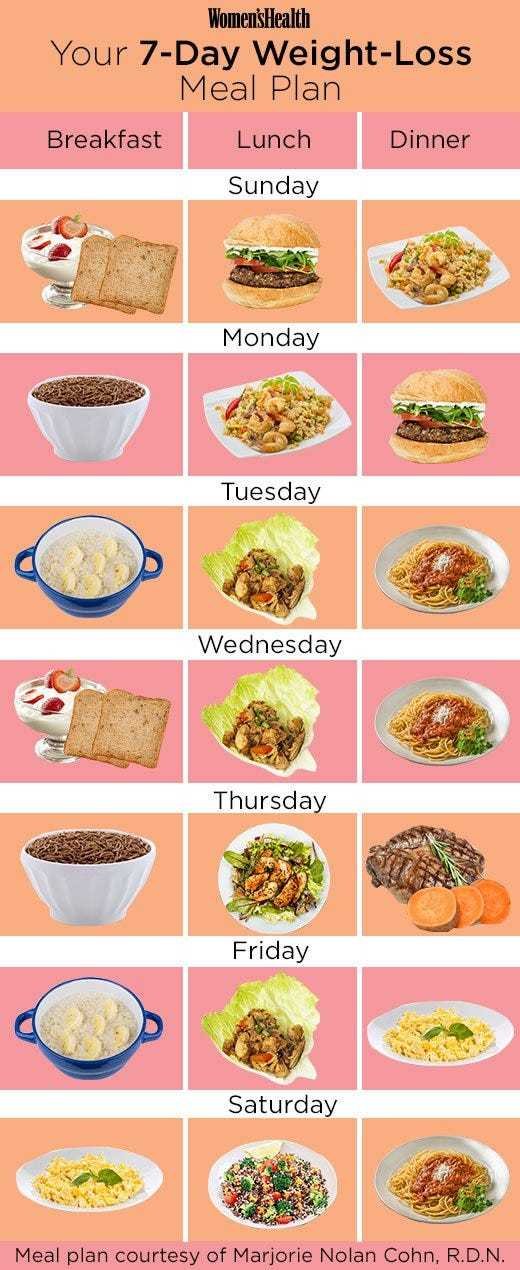
To lose weight, start your day with a balanced breakfast rich in protein, fiber, and healthy fats. Opt for foods like eggs, Greek yogurt, or oatmeal topped with fresh fruit, which help you feel full longer and curb unhealthy cravings. Avoid sugary cereals and pastries that spike your blood sugar and lead to overeating later. Incorporating these nutritious choices into your morning routine can set the tone for healthier eating throughout the day.
A healthy breakfast for weight loss should focus on high-quality, filling foods that boost metabolism and reduce hunger. By choosing protein-rich options, fiber-packed foods, and healthy fats, you can curb cravings and support your weight loss goals from the moment you wake up. Making mindful breakfast choices is a simple yet powerful step toward achieving and maintaining a healthier weight.
Starting your morning with the right foods can significantly impact your weight loss journey. Many people struggle with decisions about what to eat in the morning, especially when trying to shed pounds. The goal is to fuel your body with nourishing, satisfying foods that keep you full and energized without excess calories. In this article, we’ll explore the best breakfast options that help you lose weight, offering practical tips to make smarter food choices each morning. Whether you’re a busy professional or someone looking to improve your eating habits, these insights will help you kickstart your day on a healthy note and stay motivated on your weight loss path.

What should I eat for breakfast to lose weight?
Understanding the Importance of a Healthy Breakfast
Starting your day with the right breakfast can set the tone for healthy eating all day. Eating a nutritious breakfast helps control hunger, boost metabolism, and prevent overeating later. Choosing foods that are high in protein and fiber can keep you full longer and support weight loss goals.
Focus on Protein-Rich Foods
Protein helps build and repair tissues and keeps you feeling satisfied. Incorporating good sources of protein in your breakfast can reduce cravings and curb overeating. Examples include eggs, Greek yogurt, cottage cheese, lean meats, and plant-based options like tofu.
Eggs and Their Benefits
Eggs are a versatile and affordable breakfast option packed with high-quality protein. They contain essential nutrients like choline and vitamin D. Preparing eggs in various ways—boiled, scrambled, or poached—can keep breakfast interesting.
Greek Yogurt and Cottage Cheese
Both Greek yogurt and cottage cheese are rich in protein and low in calories. They also provide calcium and probiotics, which support digestion. To make them more appealing, add fresh fruits, nuts, or seeds.
Include Whole Grains for Energy and Fiber
Whole grains are an excellent source of complex carbohydrates that release energy slowly. They help maintain blood sugar levels and keep you full longer. Choose options like oats, whole wheat bread, or brown rice to start your day.
Oatmeal: The Classic Breakfast
Oatmeal is high in soluble fiber called beta-glucan, which helps reduce cholesterol and promotes satiety. You can prepare oatmeal with milk or water and top it with fresh fruit, nuts, or seeds.
Whole Wheat Toast and Wraps
Using whole wheat bread provides more fiber and nutrients than white bread. Add healthy toppings like avocado, nut butter, or a boiled egg for a balanced meal.
Healthy Fats for Satiety and Nutrient Absorption
Including healthy fats in your breakfast supports hormone production and helps you stay full longer. Sources of healthy fats include avocados, nuts, seeds, and olive oil.
Avocado and Nut Butters
Adding sliced avocado to your toast or spreading natural nut butter provides beneficial fats and fiber. These help slow digestion and keep hunger at bay.
Chia and Flax Seeds
Chia and flax seeds are packed with omega-3 fatty acids, fiber, and protein. Sprinkle them over yogurt or oatmeal to boost nutritional value.
Incorporate Fruits and Vegetables
Fruits and vegetables add essential vitamins, minerals, and antioxidants to your breakfast. Their natural sweetness can help satisfy sugar cravings healthily.
Fresh Fruits
Berries, bananas, apples, and oranges are easy to include in breakfast. They are low in calories and high in fiber, aiding digestion and prolonging feelings of fullness.
Vegetable Omelets and Smoothies
Adding vegetables like spinach, peppers, or tomatoes to your eggs can increase fiber and nutrient intake. Smoothies made with greens, fruits, and a protein source make a quick, nutritious meal.
Mindful Portions and Avoiding Empty Calories
Portion control is key to managing calorie intake while losing weight. Avoid foods high in added sugars, refined grains, and unhealthy fats, which can lead to weight gain.
Reading Food Labels and Being Aware
Always check labels for added sugars and unhealthy fats. Opt for whole, minimally processed foods to stay within your calorie goals.
Sample Balanced Breakfast Table
| Food Category | Examples | Benefits |
|---|---|---|
| Protein | Eggs, Greek yogurt, cottage cheese | Fullness, muscle support |
| Whole Grains | Oatmeal, whole wheat bread | Sustained energy, fiber |
| Healthy Fats | Avocado, nuts, seeds | Satiety, nutrient absorption |
| Fruits & Vegetables | Berries, spinach, peppers | Vitamins, minerals, antioxidants |
Tips for Planning Your Breakfast for Weight Loss
Preparation is key to making healthy choices easier in the morning. Plan your breakfasts ahead of time to avoid reaching for less nutritious options.
Batch Cooking and Meal Prep
Cook larger portions of oatmeal or boiled eggs to use throughout the week. Prepare fruit and vegetable packs for smoothies or bowls.
Smart Snack Pairings
Pair protein-rich foods with fiber to enhance satiety. For example, combine Greek yogurt with berries or nut butter with apple slices.
Hydration and Beverages
Drinking water or unsweetened beverages can aid digestion and reduce calorie intake from sugary drinks. Consider starting your morning with a glass of water or herbal tea.
Additional Strategies to Support Weight Loss
Lifestyle habits complement your healthy breakfast choices. Regular physical activity, adequate sleep, and mindful eating all contribute to effective weight management.
Limit Sugary Breakfast Foods
Avoid cereals high in sugar and pastries that can cause blood sugar spikes and crashes. Instead, focus on whole, unprocessed foods.
Practice Mindful Eating
Eat slowly and savor each bite. This helps recognize fullness cues and prevents overeating.
Stay Consistent
Sticking to a routine helps establish healthy habits. Consistency is essential for sustained weight loss.
Incorporating these principles into your morning routine can make a big difference in your weight loss journey. Focus on balanced, nutritious foods that keep you satisfied and energized. Remember, small daily choices add up over time, leading to healthier habits and better results.
What this dietitian eats for breakfast
Frequently Asked Questions
What are some high-protein breakfast options that can support weight loss?
Including high-protein foods like eggs, Greek yogurt, lean meats, or plant-based proteins such as beans and tofu can help you feel full longer and reduce overall calorie intake. These options provide essential nutrients and help maintain muscle mass while promoting fat loss, making them ideal for a weight-loss-friendly breakfast.
How can I incorporate fiber into my morning meal to aid weight reduction?
Adding fiber-rich foods such as oats, fruits, vegetables, and whole-grain bread boosts satiety and stabilizes blood sugar levels. A breakfast with plenty of fiber encourages better digestion and helps prevent overeating later in the day, supporting your weight-loss efforts.
Are low-calorie breakfast choices effective for weight management?
Yes, choosing low-calorie options like smoothies with leafy greens, fresh berries, and unsweetened almond milk or a vegetable omelet can help you control your calorie intake. These choices supply essential nutrients without excess calories, ensuring you stay within your daily goals while feeling satisfied.
What role do healthy fats play in a weight-loss breakfast?
Healthy fats from sources like avocados, nuts, seeds, and olive oil help keep you full longer and support overall health. Including moderate amounts of these fats in your breakfast can reduce cravings and prevent overeating throughout the day, contributing to steady weight loss.
How can I make my breakfast more satisfying without adding extra calories?
Focus on balancing protein, fiber, and healthy fats in your meal. Incorporate foods such as eggs with vegetables, a small handful of nuts, or chia seed pudding. These combinations maximize satiety while keeping calorie intake in check, helping you stay on track with your weight loss journey.
Final Thoughts
Choosing a healthy breakfast can significantly impact weight loss. Opt for high-protein options like eggs or Greek yogurt, which keep you full longer. Incorporate fiber-rich foods such as fruits and whole grains to support digestion.
Avoid sugary cereals and pastries that cause energy crashes and increase calorie intake. Drinking water or herbal tea can also help control hunger.
What should I eat for breakfast to lose weight? Focus on nutrient-dense, satisfying meals that curb cravings and boost metabolism.
As an Amazon Associate, We earn from qualifying purchases. When you purchase a product through Amazon links on pulsefitguide.com, we may earn a small commission at no extra cost to you. This helps support the site and keep our content free.
