


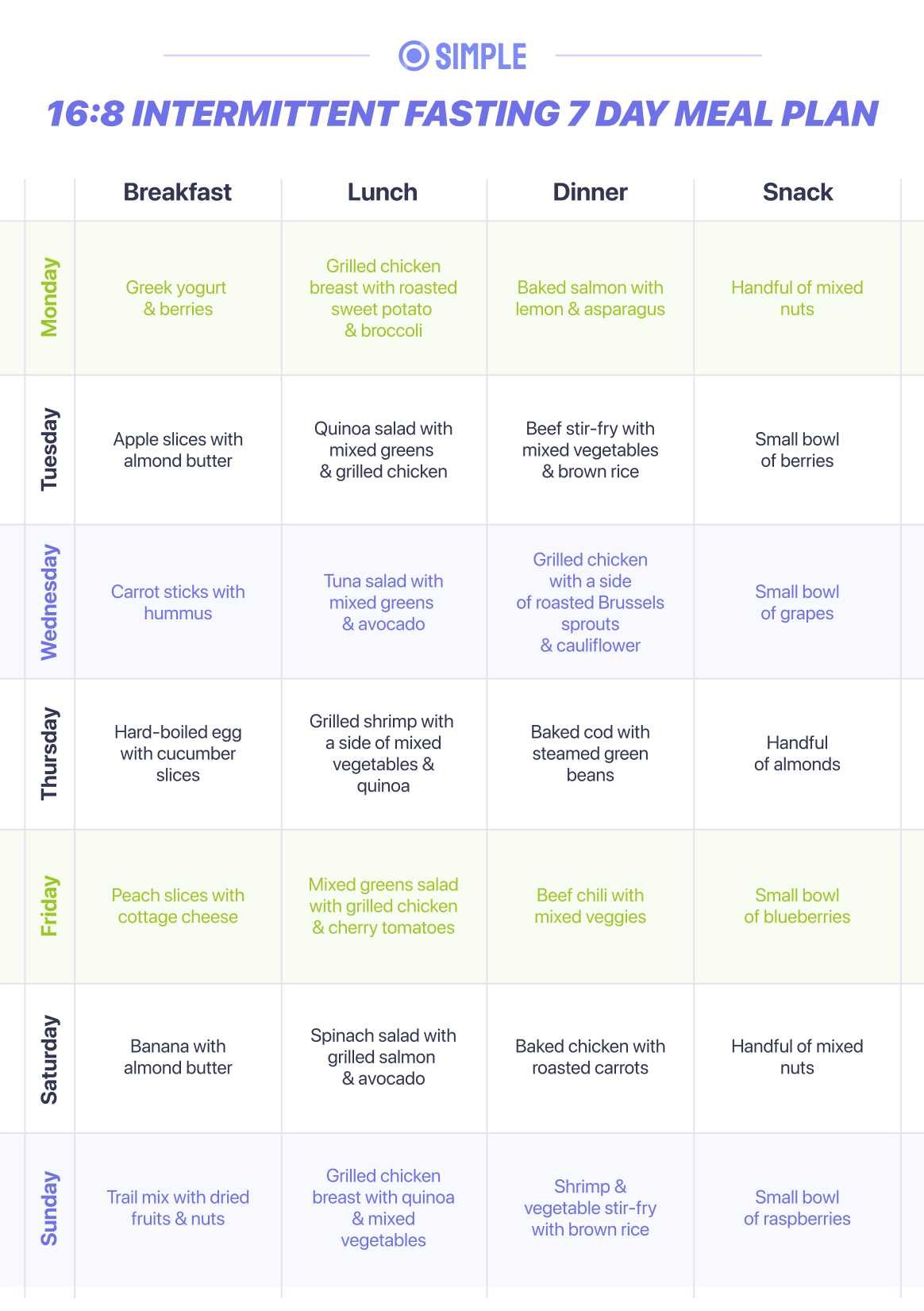
To create a meal plan for intermittent fasting, focus on timing your eating windows, choosing nutritious, satisfying foods, and maintaining balance. Planning ahead ensures you stick to your fasting schedule while nourishing your body effectively. This allows you to maximize the benefits of intermittent fasting and avoid common pitfalls like overeating or nutrient deficiencies.
In brief, to make a meal plan for intermittent fasting, determine your fasting and eating windows, prioritize whole, nutrient-dense foods, and plan your meals ahead of time to stay on track. Keep your meals balanced with lean proteins, healthy fats, and plenty of vegetables, and listen to your body’s hunger cues.
Starting an intermittent fasting routine can seem daunting at first, especially when it comes to planning what to eat. The key is to design a flexible yet structured meal schedule that fits your lifestyle. Consider your daily routine and select an eating window that you find sustainable, whether it’s 16:8, 18:6, or another pattern. Once you’ve decided on your window, focus on filling your meals with wholesome, nourishing foods that keep you energized and satisfied throughout your fasting period. Planning your meals in advance helps prevent impulsive choices and ensures you’re getting all the essential nutrients your body needs. Remember, the goal is to create a sustainable plan that works for you, making intermittent fasting a healthy and enjoyable experience.

How do I make a meal plan for intermittent fasting?
Creating a meal plan for intermittent fasting might seem tricky at first, but with some simple steps, you can develop a plan that fits your lifestyle and goals. The key is to balance your meals so you get enough nutrients while maintaining your fasting window. Let’s dive into how you can design an effective meal plan for intermittent fasting.
Understanding Intermittent Fasting Schedules
Before planning your meals, choosing the right fasting schedule is essential. Common schedules include the 16/8 method, the 5:2 diet, and OMAD. Each has different eating and fasting windows, which influence your meal planning process.
The 16/8 Method
This method involves fasting for 16 hours and eating during an 8-hour window. Typically, people skip breakfast and have their meals between 12 pm and 8 pm.
The 5:2 Diet
Here, you eat normally five days a week and restrict calories to around 500-600 on the remaining two days. Meal planning on this schedule requires focusing on low-calorie, nutritious foods on fasting days.
One Meal a Day (OMAD)
This approach entails eating only one large meal within a one-hour window and fasting for the rest of the day. Your meal plan will need to be nutrient-dense and sizable.
Setting Your Nutritional Goals
In any fasting schedule, meeting your nutritional needs is vital. Focus on a balance of proteins, healthy fats, and carbohydrates to sustain energy and support health.
Macronutrient Breakdown
- Proteins: Essential for muscle repair and keeping you full. Include lean meats, fish, beans, and tofu.
- Healthy Fats: Support brain health and hormone production. Incorporate avocados, nuts, seeds, and olive oil.
- Carbohydrates: Provide energy. Choose whole grains, vegetables, fruits, and legumes.
Micronutrients and Hydration
Ensure your meals include plenty of vitamins and minerals from vegetables, fruits, and whole foods. Staying hydrated with water, herbal teas, and electrolyte drinks is also crucial, especially during fasting periods.
Meal Timing and Composition
Deciding what to eat during your eating window is fundamental. Your meals should be satisfying, nutrient-rich, and aligned with your fasting schedule.
Meal Structure for 16/8 Schedule
For those skipping breakfast, break your fast with a balanced lunch, followed by a nutritious dinner. Consider adding a healthy snack if needed within your eating window.
Sample Meal Plan for OMAD
This involves one large meal that contains a combination of proteins, healthy fats, and carbohydrates. For example, grilled chicken, roasted vegetables, and quinoa.
Tips for Creating a Sustainable Meal Plan
A good meal plan should be easy to follow and adaptable. Here are some tips to make your plan work long-term.
Plan Meals Ahead
Prepare your weekly meals in advance to save time and avoid last-minute unhealthy choices.
Incorporate Variety
Mix different proteins, vegetables, and grains to keep meals interesting and ensure a broad spectrum of nutrients.
Stay Flexible
Adjust meal times and compositions based on how your body responds. If you feel hungry or low on energy, modify your plan accordingly.
Sample Meal Ideas for Intermittent Fasting
– Healthy Breakfast (if your schedule allows): Greek yogurt with berries, nuts, and honey.
– Lunch: Grilled salmon, steamed broccoli, and brown rice.
– Dinner: Stir-fried tofu with mixed vegetables and quinoa.
– Snacks: Fresh fruit, a handful of almonds, or veggie sticks with hummus.
Monitoring Your Progress and Adjustments
Keep track of your energy levels, hunger, and overall well-being. Use a journal or app to monitor how your meal plan affects your fasting results.
Signs to Adjust Your Plan
– If you feel excessively hungry or tired, consider adding more calories or healthier fats.
– If you experience dizziness or weakness, review your hydration and nutrient intake.
– If weight loss stalls, reassess your calorie intake and physical activity levels.
Common Mistakes to Avoid When Planning Your Meals
Avoid these pitfalls to stay on track with your intermittent fasting journey.
- Skipping balanced nutrients: Ensuring your meals include proteins, fats, and carbs.
- Overeating during eating windows: Eating excessively negates fasting benefits.
- Neglecting hydration: Dehydration can lead to fatigue and headaches.
- Ignoring portion control: Large portions can make fasting harder and slow down progress.
Additional Strategies for Success
Experiment with different foods and meal timings to find what best suits your lifestyle. Listening to your body’s signals helps develop a sustainable approach. Combine your meal plan with regular physical activity for better results.
Developing a meal plan for intermittent fasting involves understanding your chosen schedule, setting nutritional goals, planning balanced meals, and adjusting based on how your body responds. Keep things simple, nutritious, and flexible, and you’ll build a plan that supports your health journey. Remember, consistency and listening to your body are key to making intermittent fasting a lasting success.
Intermittent Fasting Meal Plan + Foods to Eat 🤔 💭 | Intermittent Fasting for Beginners
Frequently Asked Questions
What factors should I consider when planning my meals for intermittent fasting?
When creating a meal plan for intermittent fasting, focus on including nutrient-dense foods that provide essential vitamins and minerals. Balance your intake by incorporating lean proteins, healthy fats, and complex carbohydrates. Plan your meals to ensure you feel satisfied during eating windows and avoid overeating. Additionally, consider your daily activity levels and hydration needs to support your fasting routine effectively.
How can I adjust my meal plan if I experience hunger during fasting periods?
If hunger strikes during fasting, evaluate your meal composition to include more fiber and protein, which promote feelings of fullness. Hydrate well with water, herbal teas, or other non-caloric beverages to curb hunger pangs. You might also shift your eating window to better suit your natural hunger cues or add small, healthy snacks to your eating periods to help sustain you through the fast.
What are some healthy foods to include in my meals during intermittent fasting?
Opt for foods rich in nutrients such as vegetables, fruits, whole grains, lean meats, fish, nuts, and seeds. Incorporate healthy fats like avocados, olive oil, and fatty fish to support overall health. Avoid processed foods high in sugars and unhealthy fats, as these can lead to energy crashes and hinder your fasting goals. Prioritize whole, minimally processed foods for optimal results.
How can I ensure I get enough calories within my eating window?
Plan your meals to include sufficient portion sizes with calorie-dense yet nutritious foods. Incorporate healthy fats, which are calorie-rich, and include ample protein and carbohydrates to meet your energy needs. Eating slowly and mindfully helps prevent overeating, ensuring you consume enough calories without feeling overly full. Tracking your intake initially can help you gauge whether your meals meet your daily energy requirements.
What should I do if I find it difficult to stick to my meal plan?
If sticking to your meal plan becomes challenging, consider simplifying your approach by preparing meals in advance to reduce decision fatigue. Maintain flexibility by allowing occasional adjustments to your plan to accommodate social events or hunger fluctuations. Staying consistent and listening to your body’s signals helps build sustainable habits. Also, seek support from community groups or professionals if needed to stay motivated and receive guidance.
Final Thoughts
To create a meal plan for intermittent fasting, start by choosing an eating window that fits your schedule. Focus on balanced meals rich in vegetables, lean proteins, and healthy fats to stay full longer. Plan your meals ahead to avoid impulsive eating during your fasting periods.
Adjust portion sizes based on your daily caloric needs, and stay hydrated throughout the day. How do I make a meal plan for intermittent fasting? Keep your plan flexible and listen to your body’s signals to ensure sustainable fasting.
As an Amazon Associate, We earn from qualifying purchases. When you purchase a product through Amazon links on pulsefitguide.com, we may earn a small commission at no extra cost to you. This helps support the site and keep our content free.
