


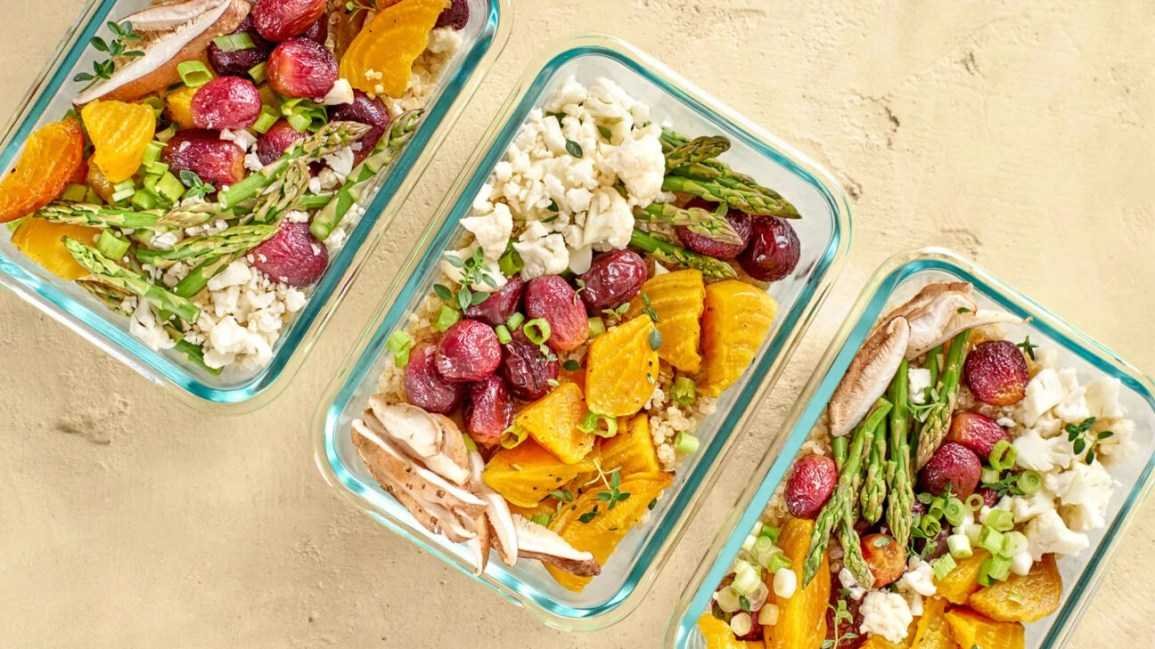
The easiest way to meal plan for weight loss is to keep it simple, focus on balanced meals, and prepare ahead of time. By choosing wholesome, nutrient-dense foods and creating a flexible plan, you can stay on track without feeling overwhelmed. Remember, consistency is key, and small, manageable changes often lead to the best long-term results.
Meal planning for weight loss doesn’t need to be complicated. The most effective approach is to establish a straightforward routine that emphasizes healthy eating habits. This means selecting versatile ingredients, prepping meals in advance, and maintaining a balanced intake of proteins, carbs, and fats. With a clear plan in place, you’ll reduce last-minute decisions and curb unhealthy temptations, making your weight loss journey more enjoyable and sustainable. Whether you’re a busy professional or a student, a simple strategy can transform your eating habits and help you reach your goals without stress or confusion.

What is the easiest way to meal plan for weight loss?
Understanding the Basics of Meal Planning for Weight Loss
Meal planning helps you make smarter food choices and stay on track with your weight loss goals. It involves deciding what to eat each day before you get hungry or tired. The easiest way is to keep it simple and consistent, avoiding complicated recipes or restrictive diets. Focus on creating balanced meals that include protein, healthy fats, and carbohydrates.
Setting Realistic Goals
Before planning meals, think about your weight loss target. Do you want to lose a few pounds or make a lifestyle change? Setting clear, achievable goals keeps you motivated. Break your goal into smaller steps, like losing one pound a week, to stay on track. Remember, sustainable weight loss is about steady progress, not quick fixes.
Choosing the Right Foods
Opt for nutrient-dense foods that fill you up without too many calories. Incorporate plenty of fruits, vegetables, lean proteins, whole grains, and healthy fats. These foods provide essential nutrients and help control hunger. Avoid sugary snacks, processed foods, and high-fat meals that can derail your progress.
Creating a Weekly Meal Plan
Start with planning your meals and snacks for each day of the week. Use a simple template to jot down breakfast, lunch, dinner, and snacks. Make sure to include variety to prevent boredom. Planning ahead also helps you shop efficiently and avoid impulse buys.
Sample Weekly Meal Plan
| Day | Breakfast | Lunch | Dinner | Snacks |
|---|---|---|---|---|
| Monday | Oatmeal with berries | Grilled chicken salad | Baked fish with vegetables | Almonds and an apple |
| Tuesday | Greek yogurt with honey | Turkey sandwich on whole wheat | Stir-fried tofu and broccoli | Cucumber slices with hummus |
Batch Cooking and Meal Prep
Preparing meals in bulk saves time and reduces stress. Cook larger portions of protein, grains, and vegetables to use in various dishes throughout the week. Portion out meals into containers so you’re ready to eat without extra effort. This habit helps avoid unhealthy last-minute choices.
Tips for Effective Meal Prep
- Cook on weekends or choose a specific day for prep
- Use versatile ingredients that can be eaten in different ways
- Label meals with dates to ensure freshness
- Keep healthy snacks handy for quick hunger fixes
Smart Grocery Shopping
Create a shopping list based on your meal plan. Stick to essentials and avoid aisles with tempting processed foods. Shop mostly on the perimeter of the store where fresh produce, meats, and dairy are located. Buying in bulk for staples like rice, beans, and frozen vegetables can save money and time.
Organizing Your Shopping List
Separate items into categories—produce, proteins, grains, dairy, and snacks. Use apps or printable lists to stay organized. Check your pantry and fridge before shopping to avoid duplicates. Buying seasonal produce can also lower costs and improve flavor.
Handling Special Situations and Eating Out
Sticking to your meal plan can be challenging when dining out or attending events. Look at menus ahead of time to choose healthier options. Portion control is key—consider sharing dishes or packing half for later. When possible, bring healthy snacks to avoid impulsive eating.
Making Adjustments
Flexibility is important; if you miss a meal or indulge, don’t get discouraged. Adjust your plan accordingly. Balance your next meal with more veggies or lean protein. Remember, consistency over time leads to better results than perfection.
Monitoring and Adjusting Your Meal Plan
Track your progress by noting how you feel and any weight change. Use apps or journals to record what you eat and how it affects your energy. Fine-tune your meal plan based on your results and preferences to keep things enjoyable and effective.
Signs You Need to Change Your Meal Plan
- You consistently feel hungry or tired
- You’re not losing weight after several weeks
- You’re overly hungry between meals
- You feel deprived or bored with your current meals
Tips to Make Meal Planning Easier
- Start small—plan just a few days at first
- Use simple recipes with minimal ingredients
- Involve family members or friends for support
- Keep healthy snacks visible and accessible
- Stick to your grocery list to avoid temptation
Additional Strategies to Support Weight Loss
Incorporate regular physical activity and stay hydrated. Sleep well and manage stress as these factors greatly influence your weight loss journey. Combining these habits with good meal planning maximizes your chances of success.
Using Technology to Your Advantage
Apps can help you track meals, count calories, and set reminders. Many offer grocery lists and recipe ideas to simplify planning. Embrace these tools for motivation and accountability.
In Summary
The easiest way to meal plan for weight loss involves simplicity, consistency, and preparation. Focus on balanced foods, batch cooking, and smart shopping habits. Keep your plan flexible and adjust as needed to stay motivated and reach your goals. Remember, small, manageable steps are key for long-term success.
The Best Meal Plan To Lose Fat Faster (EAT LIKE THIS!)
Frequently Asked Questions
What steps can I take to create a simple and effective meal plan for weight loss?
Start by setting clear, achievable goals for your weight loss journey. Focus on incorporating balanced meals that include lean proteins, whole grains, healthy fats, and plenty of fruits and vegetables. Plan your meals in advance to avoid last-minute unhealthy choices, and keep portion sizes in check. Tracking your food intake can help you stay accountable and make adjustments as needed. Keep it flexible enough to enjoy your favorite foods in moderation to maintain consistency over time.
How can I make meal planning less time-consuming while still being effective?
Prepare your meals for the week in one or two session, such as on Sundays or evenings. Use simple recipes with minimal ingredients to save time. Create a shopping list based on your meal plan to streamline grocery trips. Once planned, stick to your prepped meals to avoid decision fatigue. Utilizing batch cooking and portioning meals into containers helps ensure you have healthy options readily available, reducing the temptation to eat out or choose unhealthy snacks.
What are some practical tips for maintaining variety in my meal plan without complicating it?
Incorporate a range of proteins, vegetables, and grains to keep your meals interesting. Use different herbs and spices to add flavor without extra calories. Rotate similar ingredients in various recipes to prevent boredom. Keep staple ingredients on hand so you can easily mix and match for different meals. Planning for variety ensures you enjoy your diet while sticking to your weight loss goals.
What tools or resources can support my meal planning efforts?
< p>Use meal planning apps or digital calendars to organize your weekly menu and shopping list. Refer to healthy recipe websites or cookbooks for inspiration. Keep a food journal to monitor how well your plan supports your weight loss objectives. Consider using portion control containers or scales to accurately measure meals. These resources make it easier to stay organized and committed to your plan.
How do I adapt my meal plan if I experience plateaus or slower progress?
Reassess your portion sizes and caloric intake to ensure you’re still on track. Incorporate more physical activity if possible to boost calorie burn. Review your meal choices to identify areas where you might be consuming extra calories or less nutritious options. Consider consulting a healthcare professional or nutritionist for personalized advice. Adjusting your plan helps you stay motivated and continue progressing toward your goals.
Final Thoughts
The easiest way to meal plan for weight loss is to keep it simple and organized. Start by planning meals for the week and making a shopping list to avoid impulsive choices. Focus on balanced portions with plenty of vegetables, lean proteins, and whole grains. Preparing meals ahead of time saves time and helps stick to your goals. Consistency and practicality make meal planning straightforward and effective for weight loss.
As an Amazon Associate, We earn from qualifying purchases. When you purchase a product through Amazon links on pulsefitguide.com, we may earn a small commission at no extra cost to you. This helps support the site and keep our content free.
