


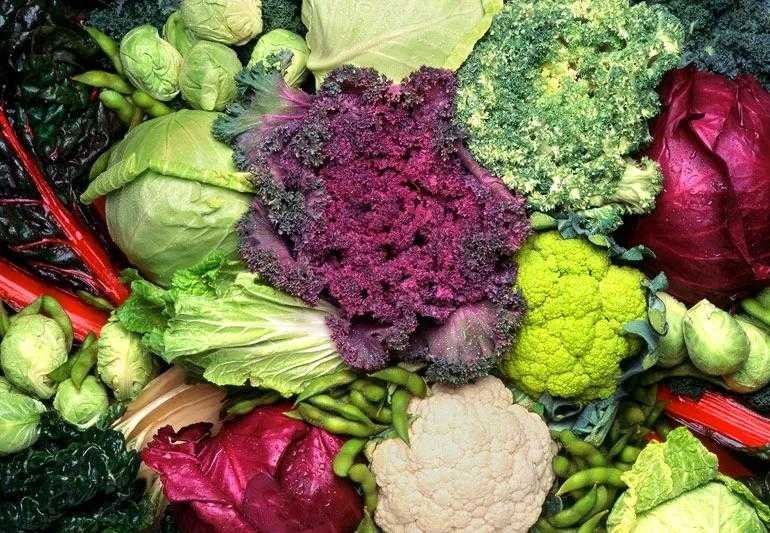
Eating broccoli and other cruciferous vegetables is one of the best natural ways to cleanse your body and boost your detox system. These veggies are packed with compounds that help your liver eliminate toxins more efficiently, leaving you feeling healthier and more energized. In just a few days, incorporating these nutrient-dense foods into your diet can make a noticeable difference in how your body purifies itself.
Broccoli and cruciferous vegetables like cauliflower, Brussels sprouts, and kale are rich in antioxidants and phytochemicals that support detoxification. They stimulate liver enzymes, improve digestion, and fight inflammation, making them essential for anyone looking to detox naturally. Regular consumption can help you reset your system and maintain long-term health.
Starting your detox journey with these vegetables is easy and delicious. Including them in salads, stir-fries, or smoothies not only supports your body’s natural cleansing process but also adds flavor and nutrition to your meals. Embrace these green powerhouses and give your body the detox boost it deserves.

Broccoli and cruciferous vegetables to detox the system
Understanding Cruciferous Vegetables and Their Benefits
Cruciferous vegetables include broccoli, cauliflower, Brussels sprouts, cabbage, kale, and bok choy. These vegetables are rich in nutrients that support the body’s natural detox processes. They contain high levels of fiber, vitamins, and minerals that help cleanse the digestive system.
The key to their detox properties lies in their unique compounds called glucosinolates. When these vegetables are chewed or chopped, glucosinolates are converted into biologically active chemicals like sulforaphane and indole. These compounds are known to enhance liver function and support the body in removing toxins.
Including a variety of cruciferous vegetables in your diet can improve overall health. They help reduce inflammation, boost immunity, and protect against chronic diseases such as cancer and heart disease. Their powerful antioxidant properties combat free radicals, which can damage cells and contribute to aging.
How Broccoli Supports Your Body’s Detox System
Broccoli is often called a “superfood” because of its dense nutritional profile. It is an excellent source of vitamin C, vitamin K, folate, and potassium. These nutrients are essential for maintaining healthy organs that process and eliminate toxins.
One of broccoli’s most significant detoxifying components is sulforaphane. This compound activates enzymes in the liver that break down harmful substances. It also helps upregulate genes involved in detoxification, making it easier for your body to clear out pollutants.
Consuming broccoli regularly can promote a healthy gut. Its high fiber content supports digestion and helps prevent constipation. A well-functioning digestive system is crucial for effective detoxification, as it ensures waste and toxins are expelled efficiently.
Cruciferous Vegetables and Liver Health
The liver is the body’s main detox organ, and cruciferous vegetables support its functions in many ways. They stimulate the production of detoxifying enzymes that neutralize toxins. These enzymes transform harmful chemicals into less harmful compounds that can be excreted from the body.
Research shows that compounds in cruciferous vegetables can increase the liver’s capacity to eliminate carcinogens and environmental pollutants. Regular intake of these vegetables may reduce the risk of toxin-related illnesses and improve overall liver health.
Furthermore, these vegetables help reduce oxidative stress on liver cells. Their antioxidant properties protect against damage from free radicals. This protection is vital as it prevents liver-related diseases and supports overall metabolic health.
How to Incorporate Broccoli and Cruciferous Vegetables into Your Diet
Adding cruciferous vegetables to your meals can be simple and enjoyable. Try steaming broccoli lightly to preserve its nutrients, then season it with lemon juice and olive oil. You can also add chopped raw broccoli to salads for a crunchy texture.
Other easy ways include stir-frying vegetables with garlic and ginger or blending them into smoothies. Incorporate these vegetables into soups, casseroles, or as side dishes to increase your intake.
To maximize detox benefits, aim for at least three servings of cruciferous vegetables weekly. Consuming a variety of these vegetables ensures you receive all their beneficial compounds. Remember to prepare them minimally to retain their health-promoting properties.
Combining Cruciferous Vegetables with Other Detox-Friendly Foods
Pairing broccoli and other cruciferous vegetables with detox-friendly foods amplifies their benefits. For example, combining them with garlic and onions adds additional sulfur compounds that support detoxification.
Adding citrus fruits like oranges and lemons enhances vitamin C intake, boosting antioxidant activity. Seeds such as flaxseed and chia provide omega-3 fatty acids that reduce inflammation.
Eating foods rich in fiber, like oats and whole grains, complements the detoxifying effects of cruciferous vegetables. Hydration is also critical, so drink plenty of water throughout the day to help flush out toxins.
Addressing Concerns and Precautions
While cruciferous vegetables offer many health benefits, some people may experience bloating or gas after eating large amounts. Start with small portions and gradually increase intake to allow your digestive system to adjust.
Certain health conditions, such as hypothyroidism, may require moderation, as some compounds in these vegetables can interfere with iodine absorption. Consult a healthcare professional if you have concerns about incorporating cruciferous vegetables into your diet.
It’s best to eat these vegetables in their fresh, unprocessed form. Overcooking can reduce their nutritional value and detox properties. Steaming or lightly roasting is ideal to preserve their active compounds.
The Role of Consistency for Effective Detoxification
Regular consumption of broccoli and other cruciferous vegetables supports sustained detox benefits. Incorporating these vegetables into your weekly meals helps maintain a steady supply of detoxifying compounds.
Consistency also promotes long-term gut health and immune function. Over time, this can lead to improved energy levels, better digestion, and a stronger defense against environmental toxins.
Remember, detoxification is a gradual process. Pairing a nutritious diet with sufficient water intake, exercise, and restful sleep maximizes the positive effects of cruciferous vegetables on your system.
Additional Ways to Support Your Detox System
Along with eating broccoli, consider supporting your detox system with other healthy habits. Regular exercise stimulates circulation and lymphatic flow, aiding in toxin removal.
Adequate sleep is crucial for detoxification, as it allows your body to repair and regenerate. Reducing exposure to environmental pollutants by choosing organic produce when possible can also lessen your toxin load.
Practicing stress management techniques like meditation or deep breathing helps maintain hormonal balance. A balanced mental state supports physical detox processes.
Summary of Key Points
- Cruciferous vegetables contain glucosinolates, which activate detox enzymes in the liver.
- Broccoli is rich in sulforaphane, a compound that enhances detoxification pathways.
- These vegetables support liver health, reduce inflammation, and provide antioxidants.
- Incorporate a variety of cruciferous vegetables into your diet several times a week.
- Limit overcooking to preserve nutrients and active compounds.
- Pair with other detox-supporting foods for enhanced benefits.
- Maintain regular habits to support long-term detoxification and overall health.
By including broccoli and other cruciferous vegetables in your daily meals, you can help your body efficiently process and eliminate toxins. These vegetables are powerful allies in maintaining a healthy, balanced system and promoting overall wellness.
How Cruciferous Vegetables Detoxify (remove poisons) – Dr. Berg
Frequently Asked Questions
How do cruciferous vegetables support the body’s natural detox processes?
Cruciferous vegetables contain compounds like glucosinolates that activate detoxification enzymes in the liver. These enzymes help convert harmful substances into less toxic forms that are easier to eliminate through urine or bile. Including vegetables like broccoli, cauliflower, and Brussels sprouts in your diet can enhance the body’s ability to clear toxins efficiently.
Are there specific nutrients in broccoli that aid in cleansing the system?
Yes, broccoli is rich in vitamins, minerals, and antioxidants such as vitamin C, sulforaphane, and fiber. Sulforaphane stimulates the production of enzymes involved in detoxification, while fiber promotes healthy digestion and supports the removal of waste. These nutrients work together to help cleanse the system and maintain overall health.
Can consuming cruciferous vegetables improve liver health?
Consuming cruciferous vegetables regularly can support liver health by boosting detoxification pathways. The phytochemicals in these vegetables help reduce oxidative stress and inflammation, which are common issues in liver damage. A diet rich in these vegetables contributes to better liver function and overall detoxification capacity.
What are some practical ways to include more broccoli and cruciferous vegetables in my meals for detox benefits?
You can add broccoli to salads, stir-fries, or roasted vegetable mixes. Incorporate cauliflower into soups or mash it as a substitute for potatoes. Brussels sprouts and kale work well in side dishes or baked snacks. Regularly including these vegetables in your meals provides consistent support for your body’s natural cleansing processes.
Are there any precautions to consider when consuming large quantities of cruciferous vegetables for detox?
While cruciferous vegetables offer health benefits, consuming them in very large amounts can cause digestive discomfort or interfere with thyroid function in some individuals. It’s best to include them as part of a balanced diet and consult a healthcare professional if you have thyroid issues or other health concerns before significantly increasing your intake.
Final Thoughts
Broccoli and cruciferous vegetables to detox the system play a vital role in cleansing your body naturally. They are rich in antioxidants and fiber, which support liver function and promote healthy digestion. Including these vegetables in your diet can boost your overall wellness. Consuming broccoli and cruciferous vegetables regularly helps eliminate toxins and enhances vitality.
As an Amazon Associate, We earn from qualifying purchases. When you purchase a product through Amazon links on pulsefitguide.com, we may earn a small commission at no extra cost to you. This helps support the site and keep our content free.
