


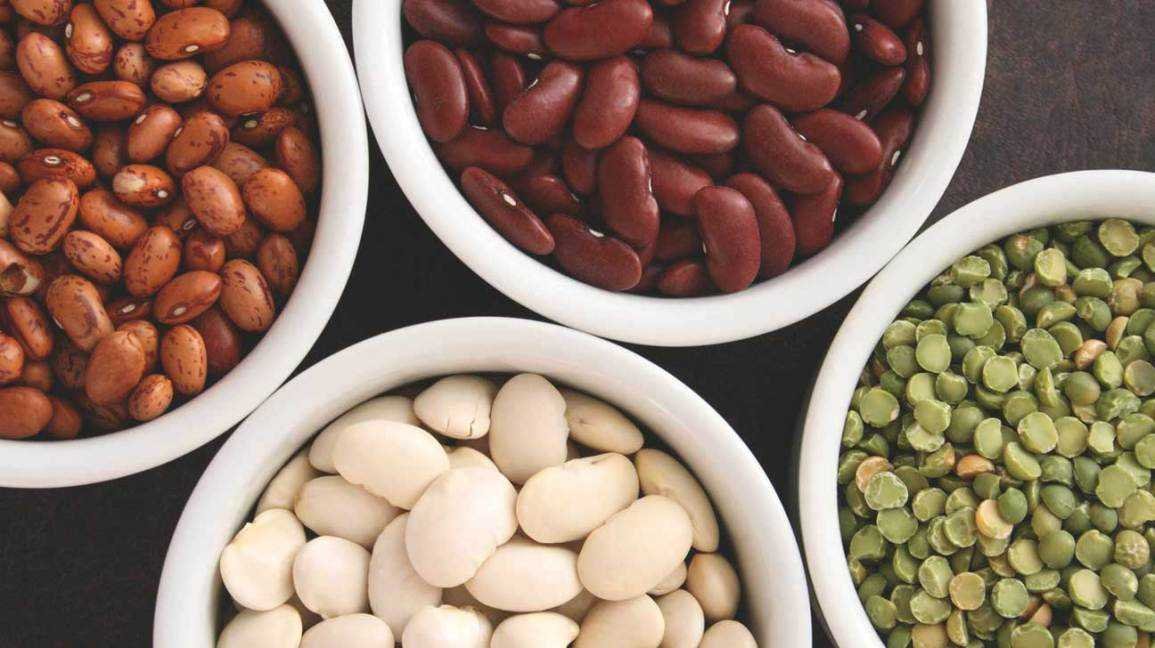
Incorporating legumes like lentils and chickpeas into your diet is an excellent way to boost your intake of fiber and protein. These plant-based powerhouses help keep you full longer, support digestion, and provide essential nutrients for overall health. Just a handful of lentils or chickpeas a day can make a big difference in meeting your nutritional needs without relying on animal products. Whether you’re looking to improve your energy levels, manage weight, or promote digestive health, these legumes are a versatile and tasty addition to any meal.
Legumes such as lentils and chickpeas are rich sources of both fiber and protein, making them perfect for vegetarian and omnivorous diets alike. They are affordable, easy to prepare, and packed with nutrients that support muscle growth, gut health, and sustained energy. Adding more of these legumes to your meals is a simple, delicious way to enhance your overall well-being while enjoying a variety of flavorful dishes.

Legumes like lentils and chickpeas for fiber and protein
Understanding the Power of Legumes
Legumes such as lentils and chickpeas are packed with essential nutrients. They are a fantastic source of dietary fiber and plant-based protein. Including these foods in your diet can help improve digestion and keep you feeling full longer.
Why Fiber Matters
Dietary fiber plays a crucial role in maintaining a healthy digestive system. It helps prevent constipation and promotes regular bowel movements. Fiber also supports heart health by helping to lower cholesterol levels.
Fiber Content in Lentils and Chickpeas
- One cup of cooked lentils provides about 15 grams of fiber.
- One cup of cooked chickpeas offers around 12 grams of fiber.
This high fiber content makes lentils and chickpeas excellent choices for increasing your daily intake.
Protein Powerhouses in Legumes
Plant-based protein is vital for muscle growth and repair. Lentils and chickpeas are excellent sources of high-quality protein, especially important for vegetarians and vegans.
Protein Content in Lentils and Chickpeas
| Legume | Protein per Cooked Cup |
|---|---|
| Lentils | 18 grams |
| Chickpeas | 15 grams |
Including these legumes in your meals can meet a significant portion of your daily protein needs.
Health Benefits of Consuming Legumes
Regular intake of lentils and chickpeas provides numerous health advantages. They help manage weight, support heart health, and can stabilize blood sugar levels.
Managing Weight and Satiety
The high fiber and protein content in legumes enhance feelings of fullness. This can lead to reduced calorie intake and support weight management.
Supporting Heart Health
Legumes are low in saturated fat and rich in soluble fiber, which helps lower bad cholesterol. This reduces the risk of cardiovascular diseases.
Blood Sugar Regulation
Consuming lentils and chickpeas can help stabilize blood sugar levels due to their low glycemic index. They are especially beneficial for people with diabetes.
Incorporating Legumes into Your Diet
Adding lentils and chickpeas to your meals is easy and versatile. You can prepare them in many ways to enjoy their health benefits.
Popular Recipes and Serving Ideas
- Vegetable lentil soup
- Chickpea salads with fresh vegetables
- Hummus spread with whole grain crackers
- Stir-fry with chickpeas and seasonal vegetables
- Lentil curry served with rice or flatbread
Tips for Cooking Legumes
- Rinse legumes thoroughly before cooking to remove dirt and debris.
- Soak dried lentils and chickpeas overnight to reduce cooking time and improve digestibility.
- Use a slow cooker or pressure cooker for quicker preparation.
- Add herbs and spices to enhance flavor without added salt or fats.
Comparing Different Types of Legumes
While lentils and chickpeas are popular, other legumes also contribute valuable nutrients.
Other Nutrient-Rich Legumes
- Black beans: High in fiber and antioxidants.
- Kidney beans: Rich in protein and iron.
- Peas: Good source of vitamins A, C, and K.
Environmental Benefits of Eating Legumes
Growing legumes benefits the environment by fixing nitrogen in the soil, reducing the need for chemical fertilizers. They also require less water compared to animal protein sources, making them a sustainable choice.
Addressing Common Concerns
Some people worry about digestibility or gas from legumes. Soaking and cooking properly can minimize these issues. Gradually increasing intake helps your digestive system adapt smoothly.
Summary of Nutritional Benefits
Legumes like lentils and chickpeas provide a powerful combination of:
- High dietary fiber for digestive health
- Rich plant-based protein for muscle support
- Low fat and calories for weight management
- Essential vitamins and minerals like iron, magnesium, and folate
Including legumes such as lentils and chickpeas regularly in your diet offers many health benefits. They are affordable, versatile, and sustainable food choices that support overall well-being. By adding a variety of these legumes to your meals, you can enjoy their nutritional power and contribute positively to your health.
What Is The #1 Healthiest Bean?
Frequently Asked Questions
What makes lentils and chickpeas good sources of dietary fiber?
Lentils and chickpeas contain high amounts of dietary fiber, which helps regulate digestion and maintain healthy bowel movements. The fiber in these legumes can also help lower cholesterol levels and stabilize blood sugar, supporting overall heart health. Incorporating these legumes into meals provides a natural way to boost your daily fiber intake.
How do legumes like lentils and chickpeas contribute to muscle building?
Lentils and chickpeas are rich in plant-based proteins, making them excellent options for muscle repair and growth. Their protein content supplies essential amino acids that support tissue development. Including these legumes in your diet ensures your body receives the nutrients necessary for maintaining and building muscle mass, especially in vegetarian or plant-focused diets.
Are there specific health benefits associated with consuming legumes for their protein and fiber content?
Yes, regularly eating lentils and chickpeas can help manage weight by increasing feelings of fullness due to their fiber and protein content. They also support digestive health, help control blood sugar spikes, and improve heart health by reducing LDL cholesterol. These benefits make legumes valuable additions to a balanced diet focused on overall wellness.
Can I replace animal protein with lentils and chickpeas effectively?
Absolutely. Lentils and chickpeas provide a substantial amount of protein that can substitute for animal sources, especially when combined with other plant-based proteins. They help meet daily protein requirements and offer additional nutrients like fiber, vitamins, and minerals, making them versatile options for vegetarian and vegan diets.
How can I incorporate legumes into my daily meals to maximize their health benefits?
You can add lentils and chickpeas to salads, soups, stews, and grain bowls. Using them as a base for veggie patties or blending them into dips like hummus also works well. Preparing them in different ways keeps meals interesting while ensuring you receive their full fiber and protein benefits regularly.
Final Thoughts
Legumes like lentils and chickpeas for fiber and protein provide an excellent boost to a healthy diet. These foods are easy to incorporate into various meals, making them a practical choice for everyday nutrition. Their high fiber content supports digestion, while the protein helps build and repair tissues. Including legumes in your diet ensures sustained energy and promotes overall wellness.
As an Amazon Associate, We earn from qualifying purchases. When you purchase a product through Amazon links on pulsefitguide.com, we may earn a small commission at no extra cost to you. This helps support the site and keep our content free.
