


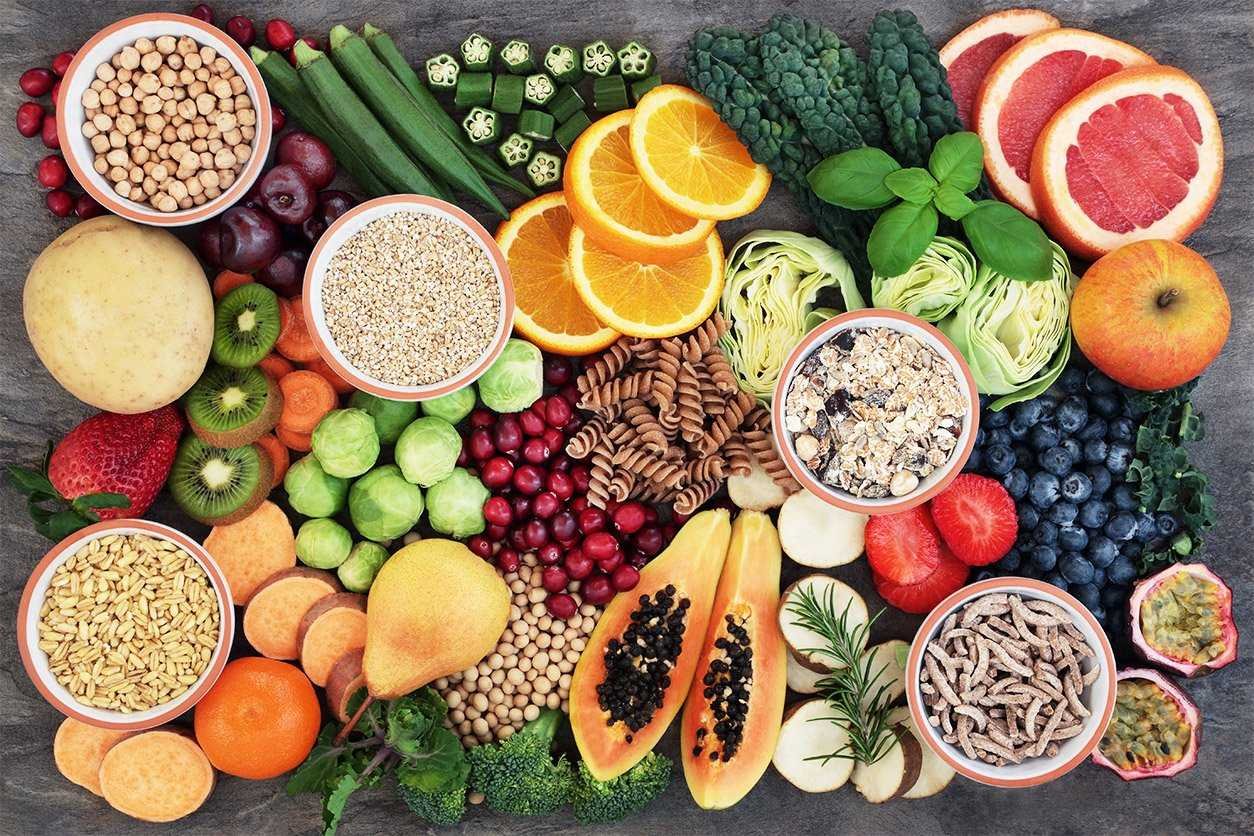
Start your day with a satisfying, fiber-packed meal that keeps hunger at bay and minimizes sugar spikes. A well-balanced high fiber, low sugar meal plan not only curbs cravings but also stabilizes blood sugar levels, helping you stay energized and focused throughout the day. The key is choosing foods rich in soluble and insoluble fiber while avoiding processed sugars, which can lead to energy crashes. Incorporating plenty of vegetables, whole grains, lean proteins, and healthy fats offers a delicious way to control hunger naturally. By sticking to these principles, you’ll enjoy sustained fullness and better appetite control without feeling deprived or bogged down by sugary snacks. Whether you’re aiming to lose weight or just want to feel more in control of your eating habits, a high fiber, low sugar diet can be a game changer.
If you’re craving a meal plan that keeps you full longer and helps manage your sugar intake, focusing on fiber-rich foods paired with lean proteins and healthy fats is your best bet. These choices promote satiety and stabilize blood sugar levels, making hunger less intense and easier to manage. Making simple swaps and incorporating a variety of nutritious ingredients can set you on a path toward healthier eating habits with lasting results.

High Fiber Low Sugar Meal Plan for Hunger Control
Understanding the Role of Fiber and Sugar in Hunger Management
Fiber plays a key role in controlling hunger because it adds bulk to food without extra calories. When you eat foods high in fiber, you feel full longer because fiber slows down digestion. On the other hand, foods high in sugar can cause quick spikes and drops in blood sugar levels, triggering hunger soon after eating. Combining high fiber with low sugar helps maintain steady energy levels and reduces the urge to snack.
Benefits of a High Fiber Low Sugar Meal Plan
A meal plan rich in fiber and low in added sugars offers multiple health advantages. It supports weight management by reducing overall calorie intake. It also promotes better blood sugar control, which is especially important for people with diabetes or insulin resistance. Additionally, high fiber foods improve digestion, prevent constipation, and support heart health by lowering bad cholesterol levels.
Key Components of a High Fiber Low Sugar Meal Plan
A balanced meal plan focuses on incorporating whole, minimally processed foods. It emphasizes vegetables, fruits, whole grains, nuts, and seeds. Lean proteins such as chicken, fish, and legumes also contribute to satiety without adding excessive sugar. Avoiding processed snacks rich in added sugars and refined grains is vital for staying on track.
Top High Fiber, Low Sugar Foods to Include
- Leafy greens like spinach and kale
- Cruciferous vegetables such as broccoli and cauliflower
- Whole grains like oats, brown rice, and quinoa
- Legumes such as lentils, chickpeas, and black beans
- Nuts and seeds including almonds, chia seeds, and flaxseeds
- Fruits like berries, apples, and pears, which naturally contain fiber and have low sugar content
Sample Meal Plan for Hunger Control
To help visualize a practical approach, here is a sample day structured around high fiber and low sugar foods:
Breakfast
- Oatmeal topped with fresh berries and a sprinkle of chia seeds
- A glass of unsweetened almond milk or herbal tea
Mid-Morning Snack
- A small handful of almonds
- An apple or pear
Lunch
- Grilled chicken salad with mixed greens, cherry tomatoes, cucumber, and a vinaigrette dressing
- Quinoa or a side of roasted sweet potatoes
Afternoon Snack
- Carrot and celery sticks with hummus
- Fresh berries
Dinner
- Steamed fish or tofu with a side of sautéed broccoli and cauliflower
- Brown rice or wild rice
Evening Snack (Optional)
- Greek yogurt with a sprinkle of flaxseed or chia seeds
Tips for Sticking to the Meal Plan
- Plan meals ahead to avoid impulsive choices
- Keep high fiber, low sugar snacks available
- Read food labels carefully to avoid hidden added sugars
- Drink plenty of water throughout the day
- Cook at home as much as possible to control ingredients
Strategies to Increase Fiber Intake Naturally
- Add vegetables to every meal, especially leafy greens and cruciferous vegetables
- Include whole grains like oats, brown rice, and whole wheat bread
- Incorporate nuts, seeds, and legumes into snacks and meals
- Choose fruits with high fiber content, such as berries and apples, over processed fruit products
- Use flaxseeds or chia seeds as toppings or mix into smoothies and yogurt
Managing Sugar Intake Effectively
Sugar reduction involves more than just avoiding candies and desserts. Be aware of hidden sugars in processed foods, sauces, and beverages. Opt for natural sweeteners like fruits when necessary but consume them in moderation. Using herbs and spices can add flavor without increasing sugar content.
Understanding Food Labels and Hidden Sugars
Reading labels carefully is crucial for maintaining a low sugar diet. Look for terms like sucrose, glucose, fructose, corn syrup, and dextrose. Choose products labeled “unsweetened” or “no added sugar.” Focus on whole foods rather than processed options for maximum fiber and minimal sugar.
The Impact of Meal Timing and Portion Sizes
Eating at regular intervals helps stabilize blood sugar and curbs excessive hunger. Smaller, frequent meals prevent overeating and promote a steady supply of nutrients. Portion control is vital; using smaller plates and measuring servings assists in avoiding calorie overload.
Supplementing Your Meal Plan
If you’re struggling to meet fiber goals through food alone, consider natural fiber supplements like psyllium husk. Always discuss supplement use with a healthcare provider, especially if you have existing health conditions or are on medication.
Additional Tips for Long-term Success
Maintaining a high fiber, low sugar diet requires consistency. Experiment with recipes to keep meals interesting and satisfying. Support from friends, family, or a nutritionist can help reinforce good habits and address challenges.
Related Topics for Further Exploration
- Best exercises to complement a healthy diet for hunger control
- Understanding glycemic index and its role in meal planning
- How hydration affects hunger and satiety
- Meal prep strategies for busy weekdays
- Managing cravings for sugary foods
This comprehensive approach to a high fiber, low sugar meal plan provides clear guidance to help you stay full longer and support overall health. By focusing on nutrient-rich, minimally processed foods, you can enjoy satisfying meals while keeping hunger at bay. Making these dietary changes gradually and consistently can lead to sustainable results and improved well-being.
The Best Diet For Diabetics
Frequently Asked Questions
How does increasing fiber intake help control hunger throughout the day?
Adding more fiber to your meals slows down digestion, helping you feel full longer. Fiber adds bulk to your stomach, which signals to your brain that you’re satisfied. This reduces the likelihood of overeating and helps maintain steady energy levels, preventing overeating caused by sudden hunger spikes.
What are some low-sugar foods that are high in fiber suitable for a meal plan?
Foods like vegetables (broccoli, Brussels sprouts, carrots), fruits such as berries and apples, legumes like lentils and chickpeas, and whole grains like oats and quinoa offer high fiber content with low sugar levels. Incorporating these into your diet supports hunger control without excessive sugar intake.
Can this meal plan support weight management efforts effectively?
Yes, a high fiber, low sugar meal plan aids weight management by promoting satiety, reducing calorie intake, and stabilizing blood sugar levels. Eating these foods helps you consume fewer calories while still feeling full, making it easier to maintain a healthy weight over time.
Are there any specific meal ideas to incorporate this type of diet into daily routines?
Start your day with oatmeal topped with berries and nuts, have a vegetable-rich salad with lean protein at lunch, enjoy snacks like raw vegetables with hummus, and include legumes or whole grains in your dinner. These options ensure you get sufficient fiber while keeping sugar low and hunger satisfied.
How can I ensure I get enough fiber without increasing sugar intake significantly?
Choose naturally fiber-rich foods that are low in sugar, such as leafy greens, seeds, nuts, and whole grains. Read food labels carefully, and avoid processed foods with added sugars. Incorporating these into your meals helps you meet your fiber needs without increasing sugar consumption.
Final Thoughts
A high fiber low sugar meal plan for hunger control offers an effective way to stay full longer and manage cravings. Incorporate foods like vegetables, whole grains, and nuts to boost fiber intake while reducing sugar. This approach promotes stable energy levels and supports overall health. By focusing on nutrient-dense options, you can enjoy satisfying meals without sacrificing taste. Ultimately, a high fiber low sugar meal plan for hunger control helps maintain balanced blood sugar levels and reduces snacking, making it easier to reach your health goals.
As an Amazon Associate, We earn from qualifying purchases. When you purchase a product through Amazon links on pulsefitguide.com, we may earn a small commission at no extra cost to you. This helps support the site and keep our content free.
