


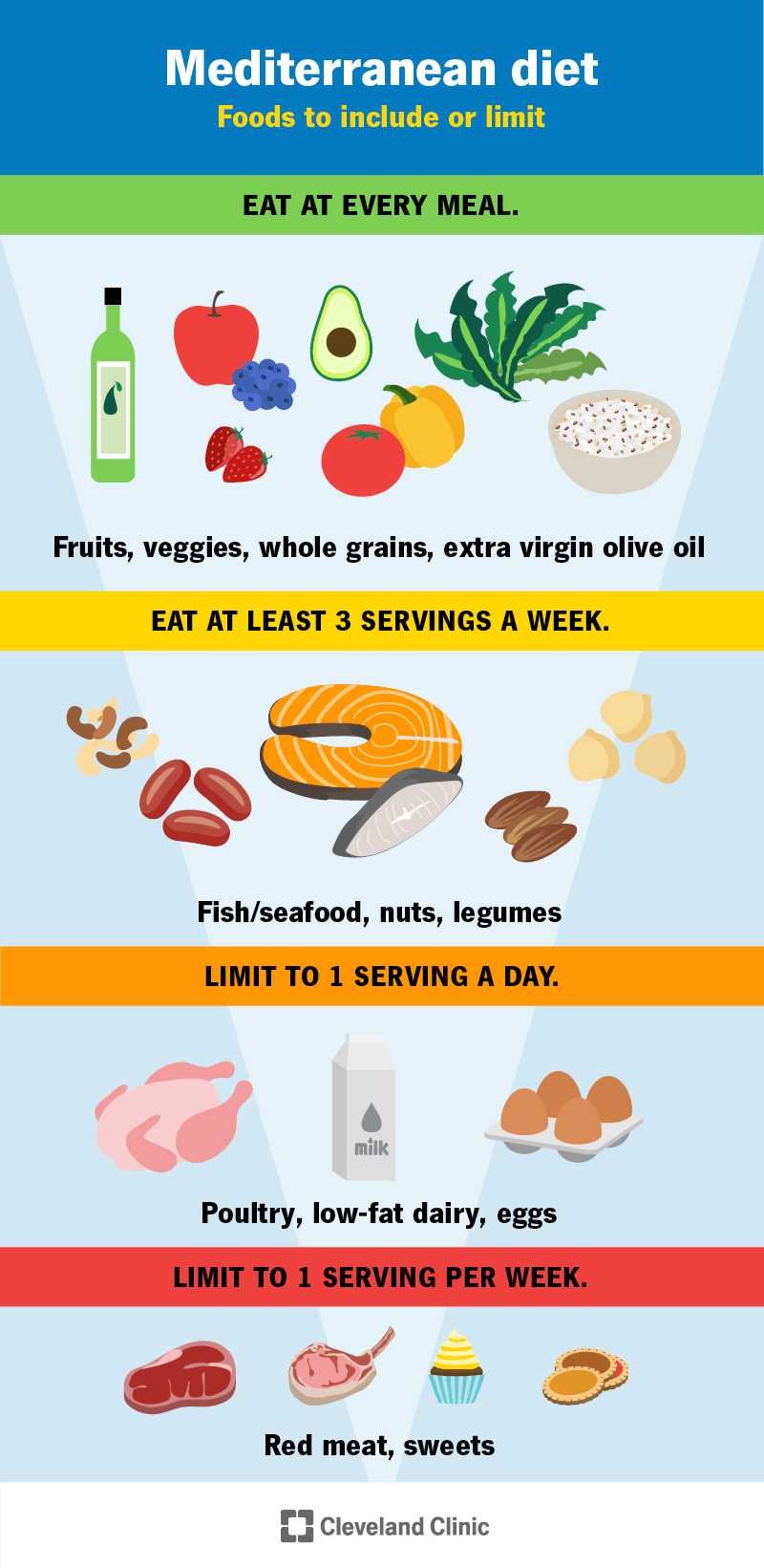
To improve your health and simplify your eating habits, focus on balanced portion sizes paired with whole, unprocessed foods. This approach can help you manage weight, boost energy, and enhance overall well-being effortlessly. By paying attention to how much you eat and choosing natural, nutrient-dense ingredients, you create a sustainable and enjoyable way to nourish your body.
A well-designed meal plan centered on proper portion control and whole foods makes healthy living attainable without feeling restrictive. It encourages mindful eating, reduces overeating, and emphasizes foods that offer maximum nutrients with minimal processing. Keep it simple, satisfying, and suited to your lifestyle to make lasting positive changes.
Feeding your body well doesn’t have to be complicated. By prioritizing portion control and choosing whole foods like fruits, vegetables, lean proteins, and whole grains, you can transform your diet into a nourishing, balanced experience. This focus not only helps manage weight but also promotes better digestion, energy levels, and long-term health. The key is to enjoy real, minimally processed foods in appropriate amounts, making healthy eating both easy and enjoyable.

Meal Plan Focusing on Portion Sizes and Whole Foods
Understanding the Importance of Proper Portion Sizes
Accurate portion sizes help control calorie intake and support a healthy weight. Eating too much of even healthy foods can lead to weight gain, while too little can cause nutritional gaps. Learning to gauge appropriate portions is essential for balanced eating. Using tools like measuring cups or visual guides can make this easier.
Visual Portion Size Guides
Many people find it helpful to compare portion sizes to everyday objects. For example:
- A serving of meat is about the size of a deck of cards.
- A bowl of cooked pasta equals a baseball.
- A serving of cheese is roughly the size of two dice.
These simple tips can help you control servings without always using a scale. Consistent awareness prevents overeating and ensures you’re getting the right nutrients.
How to Measure and Control Portions
Start by measuring canned or packaged foods until you’re familiar with standard serving sizes. Use measuring cups and spoons for liquids and chopped foods. When eating out, consider sharing meals or requesting smaller portions to avoid excess. Keeping a food journal can also help track whether your portions remain appropriate.
Choosing Whole Foods for Better Nutrition
Whole foods include fruits, vegetables, whole grains, nuts, seeds, and lean proteins. These foods are minimally processed and retain most of their natural nutrients. They are rich in fiber, vitamins, and minerals, supporting overall health and digestion.
Benefits of Whole Foods
Incorporating more whole foods into your diet offers multiple advantages:
- Increases fiber intake, aiding digestion and satiety.
- Provides essential nutrients that are sometimes lost during processing.
- Helps maintain stable blood sugar levels, reducing cravings.
- Supports weight management and overall health.
Choosing whole, unprocessed foods makes your meals more nutritious and satisfying.
How to Incorporate Whole Foods into Your Daily Meals
Start by replacing refined grains with whole grains like brown rice or whole wheat bread. Include a variety of colorful vegetables and fruits in each meal. Opt for nuts, seeds, and lean meats instead of processed snacks and fast foods. Planning your meals ahead makes sticking to whole foods easier.
Sample Meal Plan Emphasizing Portion Control and Whole Foods
A well-balanced meal plan involves selecting the right quantities of each food group. Here’s an example:
Breakfast
- Oatmeal with fresh berries and a teaspoon of honey (½ cup oats, 1 cup berries)
- A small handful of almonds (about 10-12 nuts)
Lunch
- Grilled chicken breast (3-4 ounces or about the size of a deck of cards)
- Mixed green salad with cherry tomatoes, cucumbers, and olive oil dressing (about 2 cups vegetables)
- A small portion of brown rice or quinoa (½ cup cooked)
Dinner
- Baked salmon fillet (about 3 ounces)
- Steamed broccoli and carrots (roughly 1-2 cups)
- Sweet potato baked with a little olive oil (medium-sized)
Snacks
- Fresh fruit like an apple or banana
- Yogurt with chia seeds
Practical Tips for Implementing a Portion and Whole Food Focused Meal Plan
Start by gradually replacing processed foods with whole foods to avoid feeling overwhelmed. Use portion control tools such as small bowls, plates, and food scales to develop accurate habits. Planning your meals weekly helps maintain consistency and reduces the temptation of unhealthy choices.
Meal Prep and Planning
Prepare ingredients in advance to save time and ensure control over portions. Cook larger batches of whole grains or roasted vegetables to use throughout the week. Pre-portion snacks in small containers to avoid overeating during busy days.
Eating Out and On-the-Go Strategies
When dining out, ask for half portions or share dishes with others. Choose restaurants that serve whole food options and avoid deep-fried or heavily processed foods. Carry healthy snacks like nuts or fruit to stay on track when you’re outside.
Additional Tips for Success
Stay hydrated by drinking plenty of water, which can also help control hunger. Incorporate a variety of foods to keep meals interesting and prevent boredom. Regularly assess portion sizes and food choices to stay aligned with your health goals.
Understanding Food Labels
Read nutrition labels carefully to determine serving sizes and nutrient content. Pay attention to added sugars, unhealthy fats, and sodium levels, especially in packaged foods. Choosing options with fewer additives supports a cleaner, more nutritious diet.
Dealing with Cravings and Emotional Eating
Identify triggers that lead to overeating or choosing unhealthy foods. Keep healthy snacks available to satisfy cravings without derailing your plan. Practice mindful eating by paying attention to hunger and fullness cues during meals.
Incorporating Diversity and Balance
Aim for colorful plates with a balance of macronutrients—carbohydrates, protein, and healthy fats. Vary your protein sources with fish, beans, and lean meats. Include a rainbow of fruits and vegetables for a wide range of nutrients.
Seasonal and Local Foods
Use seasonal produce for fresh and affordable options. Supporting local farmers markets can introduce you to a broader variety of whole foods. This approach keeps your meal plan exciting and sustainable.
Special Diet Considerations
Adjust your meal plan to accommodate allergies, intolerances, or specific health needs. Consult with a healthcare professional or dietitian for personalized advice. Focus on whole foods that fit your dietary restrictions while maintaining portion control.
Incorporating proper portion sizes and choosing whole foods can significantly improve your overall health and well-being. By understanding serving sizes, planning balanced meals, and embracing minimally processed foods, you create a sustainable path toward healthier living. Remember, consistency and mindful choices make the biggest difference in achieving your nutrition goals.
Healthy Portion Size Guide | Using Hands
Frequently Asked Questions
How can I determine appropriate portion sizes for different food groups?
To determine suitable portion sizes, use visual cues like comparing serving sizes to common objects—for example, a fist for vegetables or a deck of cards for meat. Reading nutrition labels provides specific portion information. Additionally, using measured cups and scales helps to accurately control portions, ensuring you consume the right amount without overeating.
What are some tips for incorporating more whole foods into my meals?
Start by planning meals around fresh fruits, vegetables, whole grains, and lean proteins. Replace processed ingredients with natural options and experiment with cooking techniques that preserve nutrients, such as steaming or roasting. Keep a variety of whole foods stocked in your kitchen to make healthy choices more accessible and enjoyable.
How can I manage cravings while sticking to my portion and food quality goals?
Address cravings by choosing nutrient-dense whole foods that satisfy your hunger, such as nuts, fruit, or yogurt. Practice mindful eating by savoring each bite and eating slowly, which helps recognize fullness cues. Maintaining balanced meals with adequate protein and fiber can also reduce unnecessary snacking and keep cravings in check.
What strategies can I use to prepare meals that align with my portion control goals?
How do I ensure my meal plan remains sustainable over the long term?
Create a flexible plan that includes a wide range of whole foods you enjoy. Incorporate variety to prevent boredom and adapt portions based on your activity level and progress. Practice mindful eating and listen to your body’s signals to avoid over-restriction, making it easier to maintain healthy habits consistently.
Final Thoughts
A meal plan focusing on portion sizes and whole foods promotes balanced nutrition and better health. It encourages mindful eating and reduces food waste by paying attention to serving sizes. Choosing whole foods provides essential nutrients and sustains energy levels throughout the day. This approach supports sustainable habits and helps maintain a healthy weight.
As an Amazon Associate, We earn from qualifying purchases. When you purchase a product through Amazon links on pulsefitguide.com, we may earn a small commission at no extra cost to you. This helps support the site and keep our content free.
