


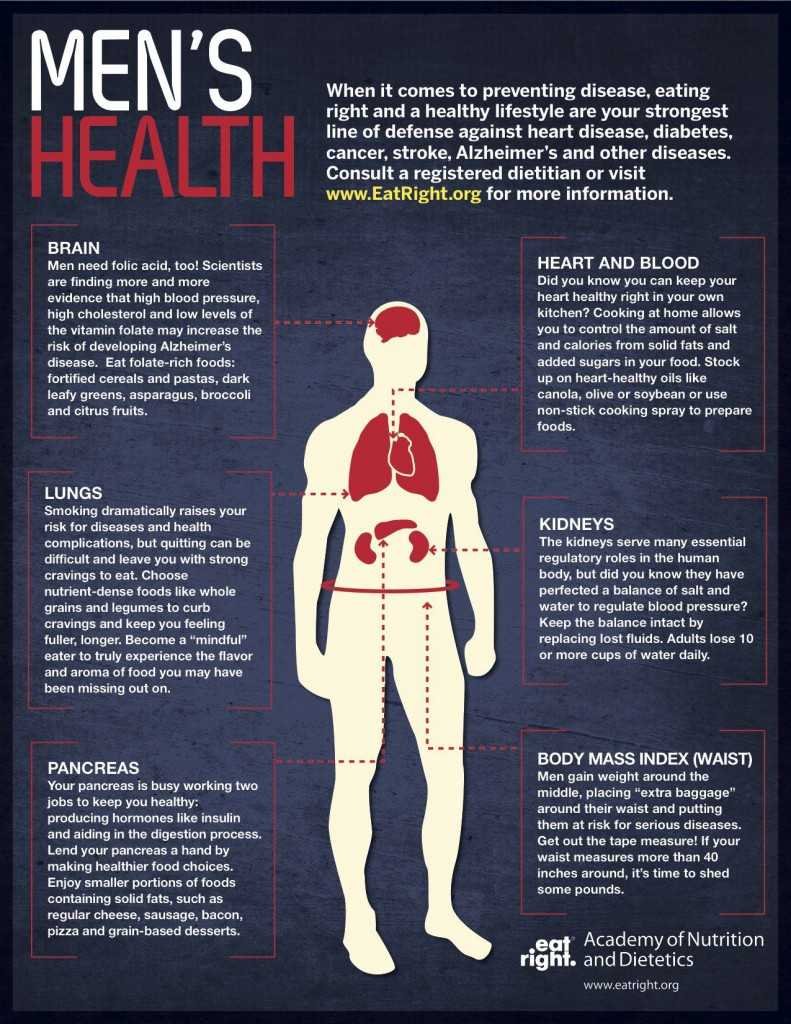
Eating nutrient-dense foods is a smart way to stay full longer and keep cravings at bay. The right choices can make a big difference in how satisfied you feel between meals, helping you maintain energy levels and support your health goals. The key is to focus on foods rich in fiber, protein, and healthy fats, which slow digestion and provide lasting fullness. By selecting these nutrient-packed options, you can curb hunger effectively without overeating or resorting to empty-calorie snacks. So, if you’re looking for a simple way to control your appetite and boost your wellbeing, understanding which foods are truly nutrient-dense is essential. Incorporating them into your diet can transform your eating habits and keep hunger at bay naturally and deliciously.
Choosing nutrient-dense foods like lean meats, leafy greens, whole grains, and nuts helps you stay full longer because they contain essential nutrients that promote satiety and energy. These foods are packed with fiber, protein, and healthy fats that slow digestion and stabilize blood sugar. As a result, you feel satisfied for extended periods, reducing the urge to snack excessively and supporting overall health.

Choosing nutrient dense foods to stay full longer
Picking the right foods can make a big difference in how full you feel throughout the day. Nutrient dense foods are packed with vitamins, minerals, and other essential nutrients, but they are low in empty calories. These foods help stabilize blood sugar levels and prevent hunger spikes, making them ideal for staying satisfied longer.
What are nutrient dense foods?
Nutrient dense foods contain a high amount of nutrients for relatively few calories. They provide your body with the essential vitamins, minerals, and fiber needed for good health. Examples include fruits, vegetables, lean proteins, whole grains, and healthy fats.
Why choose nutrient dense foods over empty calories?
Eating nutrient dense foods supports overall health. They help maintain energy levels, improve digestion, and strengthen your immune system. Unlike empty-calorie foods, they do not lead to quick energy crashes or excessive hunger soon after eating.
How nutrient dense foods help you stay full longer
These foods are rich in fiber, protein, and healthy fats, which slow down digestion. This means your body absorbs nutrients more slowly, keeping you feeling satisfied over extended periods. They also help regulate blood sugar, preventing the spikes and crashes that lead to hunger.
Top nutrient dense foods for lasting fullness
Fruits and Vegetables
- Leafy greens like spinach, kale, and Swiss chard are low in calories but high in fiber and nutrients.
- Colorful vegetables such as bell peppers, carrots, and broccoli provide fiber and antioxidants that support satiety.
- Fruits like berries, apples, and oranges contain fiber and natural sugars that sustain energy and fullness.
Whole Grains
- Brown rice and quinoa offer complex carbohydrates with high fiber content, preventing hunger quickly.
- Oats are high in soluble fiber, which forms a gel in your stomach, increasing feelings of fullness.
Lean Proteins
- Chicken breast and turkey provide high-quality protein that takes longer to digest, keeping you full.
- Eggs are rich in protein and healthy fats, making them a great choice for satiety.
- Legumes like lentils, chickpeas, and black beans offer plant-based protein and fiber.
Healthy Fats
- Nuts and seeds such as almonds, walnuts, and chia seeds deliver healthy fats and protein that promote fullness.
- Avocado contains monounsaturated fats that help slow digestion and stabilize blood sugar levels.
Practical tips for incorporating nutrient dense foods into your meals
Start your day with a balanced breakfast
Choose oats topped with nuts and fruits or scrambled eggs with vegetables. These options provide a mix of fiber and protein to keep you full until lunchtime.
Include vegetables in every meal
Add leafy greens to salads, sandwiches, or stir-fries. Vegetables add fiber and nutrients without many calories.
Opt for whole grains over refined carbs
Replace white bread and pasta with whole wheat or quinoa. Whole grains have more fiber and nutrients, extending satiety.
Snack smartly with nutrient dense options
- Choose a handful of nuts, fruit with nut butter, or veggie sticks with hummus instead of sugary snacks or chips.
- Prepare small portions of yogurt with berries or boiled eggs for easy, filling snacks.
Understanding the role of fiber in fullness
Fiber adds bulk to your diet, which helps you feel full longer. It slows gastric emptying and moderates blood sugar levels, preventing hunger pangs. High-fiber foods like beans, whole grains, fruits, and vegetables are excellent choices for lasting satiety.
Fiber types and their benefits
- Soluble fiber dissolves in water, forming a gel-like substance that slows digestion. Found in oats, apples, and beans.
- Insoluble fiber adds bulk to stool, supporting digestion. Present in whole wheat, nuts, and seed skins.
Combining macronutrients for optimal fullness
Eating foods that contain a balance of carbohydrates, protein, and healthy fats enhances satiety. Meals rich in all three nutrients help stabilize blood sugar and sustain energy levels longer.
Meal example for maximum satiety
| Component | Food Suggestions | Benefits |
|---|---|---|
| Protein | Grilled chicken, eggs, lentils | Slows digestion and promotes muscle repair |
| Healthy fats | Avocado, nuts, olive oil | Provides long-lasting energy and supports cell health |
| Complex carbohydrates | Sweet potatoes, brown rice, quinoa | Supply fiber and steady energy release |
The importance of hydration alongside nutrient dense foods
Water plays a key role in digestion and appetite regulation. Drinking plenty of water with your meals or between meals can prevent mistaking thirst for hunger.
Tips for staying hydrated
- Carry a reusable water bottle throughout the day
- Drink a glass of water before meals to help control portion sizes
- Include hydrating foods like cucumbers, melons, and oranges in your diet
Additional related topics
The role of meal timing and portion control
Eating at regular intervals and controlling portion sizes help prevent overeating and maintain steady energy levels. Combining nutrient dense foods with mindful eating makes a significant difference in staying full and satisfied.
Meal prepping for better nutrient intake
Preparing meals ahead allows you to select nutrient dense ingredients and avoid unhealthy temptations. It also ensures that you always have healthy, filling options available.
Addressing common barriers to healthy eating
Lack of time, limited access to fresh foods, and taste preferences can make choosing nutrient dense foods challenging. Planning and simple recipes can help overcome these obstacles.
In the end, making conscious choices to include nutrient dense foods in your diet supports not just longer-lasting fullness but also overall health and wellness. Small, consistent changes can lead to significant improvements in how you feel throughout the day.
How the food you eat affects your brain – Mia Nacamulli
Frequently Asked Questions
What factors should I consider when choosing foods that keep me full longer?
Focus on selecting foods rich in protein, healthy fats, and dietary fiber. These nutrients slow digestion and promote a feeling of fullness. Also, opt for minimally processed options that contain fewer added sugars and artificial ingredients, which can cause fluctuations in blood sugar levels and increase hunger.
How can incorporating whole grains help me stay satiated throughout the day?
Whole grains like oats, brown rice, and quinoa provide complex carbohydrates and dietary fiber, which digest slowly and help maintain steady energy levels. Including these in your meals can reduce cravings and prevent overeating later in the day.
Why are nuts and seeds effective for longer-lasting fullness?
Nuts and seeds are dense in healthy fats, protein, and fiber, making them excellent options to curb hunger. Their nutrient profile enables your body to absorb energy gradually, helping you feel full for extended periods.
What role do vegetables play in keeping hunger at bay?
Vegetables are low in calories but high in fiber and water content. Eating a variety of vegetables adds volume to your meals, promotes digestion, and provides essential nutrients that contribute to sustained satiety without excessive calorie intake.
Can I use fruits to curb hunger between meals, and which ones are best?
Fruits like berries, apples, and pears contain dietary fiber and natural sugars that provide quick energy without causing blood sugar spikes. Pairing fruits with protein sources, such as nut butter or yogurt, enhances their satiating effects and helps control hunger between meals.
Final Thoughts
Choosing nutrient dense foods to stay full longer helps regulate your appetite and maintain energy levels throughout the day. These foods are packed with vitamins, minerals, and fiber that promote satiety without excess calories. Incorporating such options into your meals ensures you feel satisfied and avoid unnecessary snacking.
Opt for foods like lean meats, legumes, nuts, and whole grains. They provide sustained energy and keep hunger at bay longer. Making mindful choices supports your health goals and encourages a balanced diet.
Choosing nutrient dense foods to stay full longer is an effective strategy for better health and reduced cravings. Prioritize nutrient-rich options to enjoy longer-lasting fullness and improved well-being.
As an Amazon Associate, We earn from qualifying purchases. When you purchase a product through Amazon links on pulsefitguide.com, we may earn a small commission at no extra cost to you. This helps support the site and keep our content free.
