


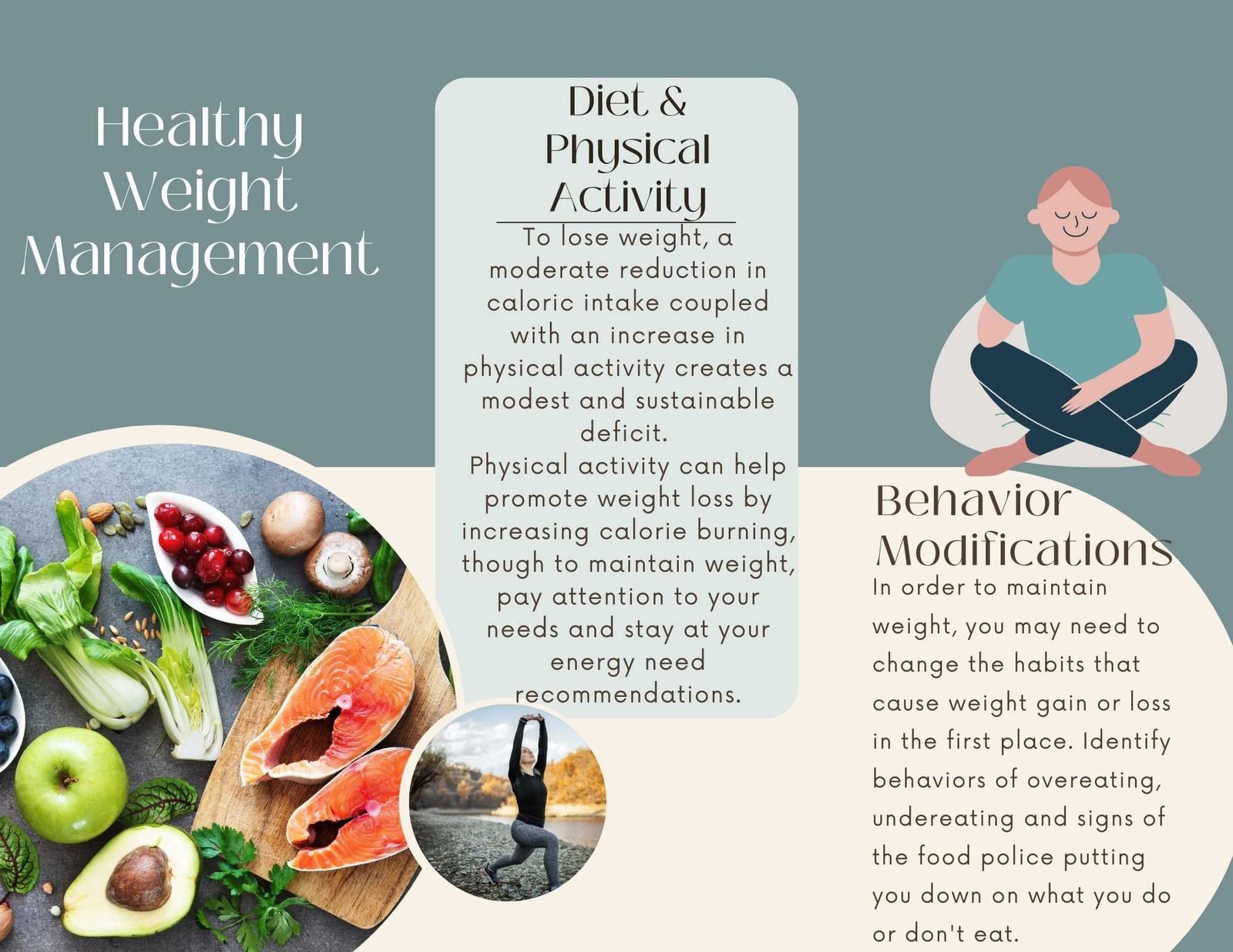
A balanced diet is the key to maintaining a healthy weight over the long haul. Incorporating a variety of nutrient-rich foods, controlling portion sizes, and staying consistent with healthy eating habits can make all the difference. The goal is not just quick fixes but establishing sustainable practices that support your body’s needs and help you reach your ideal weight gradually and safely. By focusing on nutrient-dense foods, listening to your hunger cues, and balancing indulgence with restraint, you can enjoy your favorite foods while still managing your weight effectively. Remember, long-term success comes from making enjoyable, manageable changes rather than sticking to strict or restrictive diets that are hard to maintain. Consistency and mindful choices are your best allies in this journey.
If you’re looking to manage your weight sustainably, the best approach is to adopt a balanced diet that emphasizes variety, moderation, and portion control, combined with regular physical activity. This combination helps your body stay nourished and energized while gradually reducing excess weight. By making small, realistic adjustments to your daily eating habits and staying committed over time, you’ll create a healthy lifestyle that supports your long-term weight management goals.
Starting a balanced diet isn’t about deprivation; it’s about nourishing your body with the right foods that fuel your day and satisfy your taste buds. Focus on including plenty of fruits, vegetables, lean proteins, whole grains, and healthy fats in your meals. Avoid processed foods and sugary drinks that can sabotage your efforts. Remember, moderation is key—it’s okay to indulge occasionally, as long as it fits into your overall healthy eating pattern. Keep your goals realistic, stay consistent, and be patient with yourself. Over time, these habits will become second nature, helping you achieve and maintain your ideal weight while feeling energized and satisfied.

Balanced Diet Tips for Long Term Weight Management
Understanding the Importance of a Balanced Diet
A balanced diet provides all essential nutrients your body needs to stay healthy and active. It helps maintain a healthy weight over time and supports overall well-being. Eating balanced meals prevents nutrient deficiencies and reduces the risk of chronic diseases.
Key Components of a Healthy, Balanced Diet
A balanced diet includes a variety of food groups in right proportions:
- Fruits and Vegetables: Rich in vitamins, minerals, fiber, and antioxidants.
- Whole Grains: Provide complex carbs and fiber for sustained energy.
- Lean Proteins: Help build and repair tissues; include poultry, fish, beans, and nuts.
- Dairy or Dairy Alternatives: Supply calcium and vitamin D essential for bone health.
- Healthy Fats: Found in avocados, nuts, seeds, and olive oil, supporting brain health and hormone production.
Practical Tips for Incorporating a Balanced Diet into Daily Life
Making small, consistent changes can lead to long-term success:
- Plan Your Meals: Prepare weekly menus to ensure balanced choices and avoid impulsive unhealthy eating.
- Practice Portion Control: Use smaller plates and serve reasonable servings to prevent overeating.
- Eat Mindfully: Chew slowly and savor each bite; this improves digestion and helps recognize fullness signals.
- Stay Hydrated: Drink plenty of water throughout the day, reducing hunger and supporting metabolism.
Smart Snack Choices for Long Term Weight Control
Snacking can be healthy if you choose nutrient-dense options:
- Fresh Fruits and Vegetables: Carrot sticks, apple slices, or berries provide fiber and vitamins.
- Lean Protein Snacks: Hard-boiled eggs, Greek yogurt, or a handful of nuts.
- Whole-Grain Options: Whole-grain crackers or air-popped popcorn.
Avoid snacks high in sugar, salt, and unhealthy fats, as they can derail your weight management goals.
Meal Timing and Regular Eating Habits
Eating at regular intervals helps regulate blood sugar and curbs overeating:
- Don’t Skip Breakfast: A healthy morning meal kick-starts your metabolism and provides energy.
- Eat Smaller, Frequent Meals: Four to six small meals or snacks daily can prevent hunger and maintain energy levels.
- Avoid Late-Night Eating: Consuming food late can lead to weight gain; aim to finish meals a few hours before bedtime.
Incorporating Physical Activity with Your Diet
Exercise complements dietary efforts for weight control:
- Find Activities You Enjoy: Walking, cycling, or dancing makes staying active fun and sustainable.
- Aim for Consistency: At least 150 minutes of moderate exercise per week supports weight management.
- Combine Cardio and Strength Training: Builds muscle, boosts metabolism, and promotes fat loss over time.
Understanding and Managing Cravings
Cravings are natural but managing them is key to staying on track:
- Identify Triggers: Stress, boredom, or fatigue can lead to unhealthy food cravings.
- Choose Healthy Alternatives: Swap chips for air-popped popcorn or sweet snacks for fruit.
- Stay Hydrated: Sometimes, thirst is mistaken for hunger, so drink water first.
Monitoring Progress and Adjusting Your Diet
Regularly tracking your habits helps maintain motivation:
- Keep a Food Journal: Record what you eat and how you feel to identify patterns and make improvements.
- Set Realistic Goals: Focus on gradual weight loss or maintenance rather than quick fixes.
- Be Flexible: Allow occasional treats to prevent feelings of deprivation and promote long-term adherence.
Common Myths About Diet and Weight Management
Understanding misconceptions prevents setbacks:
- Myth: Carbohydrates cause weight gain.
*Fact:* Carbs are essential and should be part of a balanced diet; focus on whole grains. - Myth: Skipping meals helps lose weight.
*Fact:* It can slow metabolism and lead to overeating later. - Myth: All fats are bad.
*Fact:* Healthy fats support overall health and aid in satiety.
Additional Strategies for Sustainable Weight Management
Lifestyle adjustments can reinforce healthy eating habits:
- Get Enough Sleep: Lack of rest can increase hunger hormones and appetite.
- Manage Stress: Stress eating can sabotage your efforts; practice relaxation techniques.
- Build a Support System: Share your goals with friends or join groups for encouragement and accountability.
Summary of Best Practices
To maintain a healthy weight over the long term:
- Eat a variety of nutrient-rich foods regularly.
- Practice portion control and mindful eating.
- Stay active with consistent exercise routines.
- Address emotional eating and manage cravings wisely.
- Track progress and adjust your plan as needed.
Related Topics for Further Reading
Explore these areas to deepen your understanding:
- Meal Planning for Weight Loss
- Healthy Recipes for Daily Nutrition
- Psychological Tips for Staying Motivated
- Understanding Nutritional Labels
- The Role of Hydration in Weight Management
This comprehensive approach emphasizes consistency, variety, and moderation, making it easier to manage weight healthily over the long term. Remember, small daily efforts build the foundation for lasting change. Focus on nourishing your body and mind, and the results will follow.
Doctor Fact-Checks POPULAR Weight Loss Tips
Frequently Asked Questions
How can portion control contribute to maintaining a balanced diet over time?
Managing portion sizes helps prevent overeating and ensures you consume the right amount of nutrients without excess calories. Using smaller plates, serving smaller portions, and listening to your body’s hunger cues support long-term weight management. Regularly measuring portions can also build awareness of appropriate serving sizes, making it easier to stay on track.
What role does variety play in creating a sustainable eating plan?
Including a wide range of foods from different groups ensures you get essential nutrients and reduces dietary boredom. A varied diet keeps meals interesting and encourages consistent healthy eating habits. Incorporating different fruits, vegetables, grains, and proteins prevents nutrient deficiencies and supports overall health.
How can scheduling regular meals support long-term weight management efforts?
Eating at consistent times helps regulate your metabolism and prevents extreme hunger, which can lead to overeating. Structured meal times promote mindful eating and improve digestion. Planning balanced meals around your daily routine ensures you maintain steady energy levels and avoid impulsive snacking on unhealthy foods.
What strategies can help in making healthier food choices without feeling deprived?
Gradually replacing high-calorie, processed foods with nutritious alternatives allows you to enjoy a variety of flavors and textures. Incorporate satisfying yet healthy options like fruits, nuts, or whole grains in your meals. Focusing on portion control and balance helps you feel satisfied while supporting your eating goals, making it easier to maintain healthy habits long-term.
How does staying hydrated influence long-term weight management?
Drinking enough water aids digestion, controls appetite, and supports metabolic function. Sometimes, thirst masks hunger, leading to unnecessary snacking. Maintaining proper hydration helps you make better food choices and reduces the likelihood of mistaking thirst for hunger, contributing to a steady weight management process.
Final Thoughts
Balanced diet tips for long term weight management emphasize consistency and variety. Include a mix of fruits, vegetables, lean proteins, and whole grains to meet nutritional needs. Portion control helps prevent overeating and maintains energy levels throughout the day.
Stay hydrated and limit processed foods high in added sugars and unhealthy fats. Planning meals ahead ensures balanced choices and reduces impulsive eating. Incorporating mindful eating practices can improve digestion and satisfaction.
In conclusion, balanced diet tips for long term weight management focus on nourishing the body with wholesome foods and mindful habits. These strategies support sustainable weight control and overall wellness.
As an Amazon Associate, We earn from qualifying purchases. When you purchase a product through Amazon links on pulsefitguide.com, we may earn a small commission at no extra cost to you. This helps support the site and keep our content free.
