


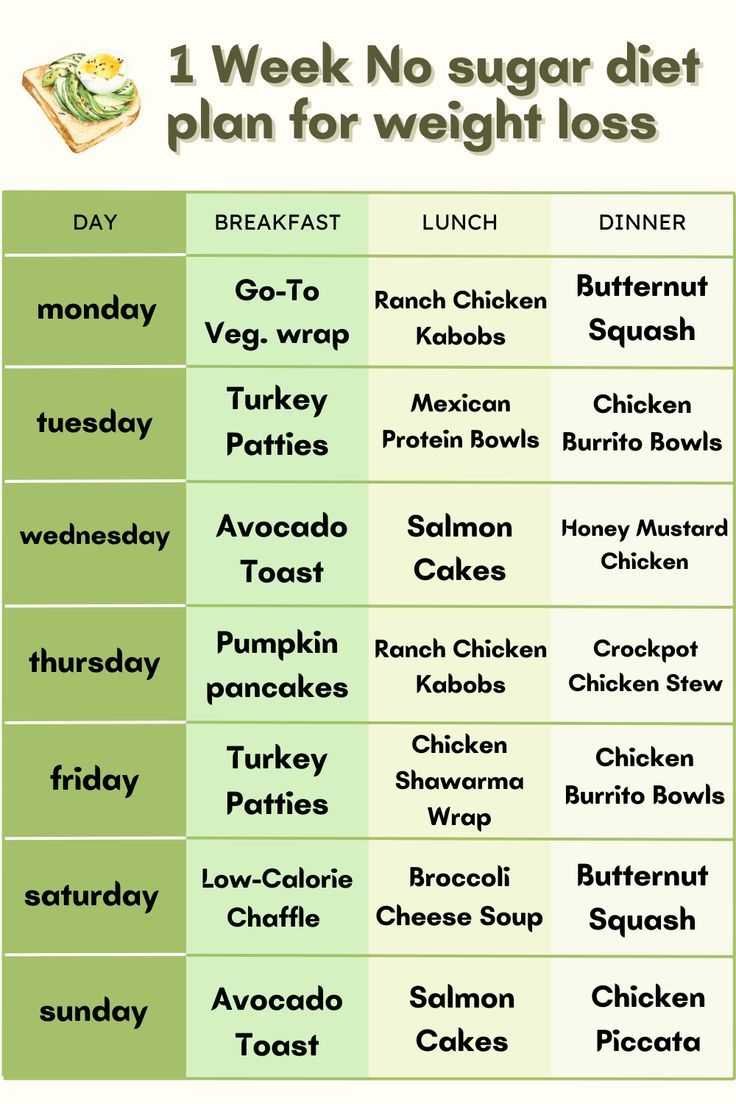
Looking to shed those extra pounds without feeling deprived? A low sugar meal schedule can be your secret weapon for effective weight management. By reducing sugar intake, you not only curb cravings but also stabilize your energy levels, making healthy choices easier throughout the day. The key is planning balanced meals that are satisfying yet low in added sugars, helping you stay on track without feeling hungry or deprived. Incorporating whole foods like vegetables, lean proteins, and healthy fats while limiting processed snacks can make a noticeable difference in your weight loss journey. With a thoughtful approach, you can enjoy tasty, nutritious meals that support your goal of maintaining a healthy weight while satisfying your sweet tooth in smarter ways.
A low sugar meal schedule helps manage weight by minimizing sugary foods that lead to fat accumulation and energy crashes. It emphasizes whole, unprocessed foods and mindful eating to promote satiety and stable blood sugar levels. This approach supports sustainable weight loss and overall health.
Starting a low sugar meal schedule is an excellent choice for anyone looking to manage their weight effectively. It involves shifting focus towards nutrient-dense foods that are naturally low in sugar, such as vegetables, lean meats, nuts, and whole grains. Planning your meals ahead of time ensures you avoid tempting processed snacks and sugary beverages that can sabotage your efforts. Staying hydrated, choosing healthy snacks, and being mindful of hidden sugars in condiments and packaged foods are also essential steps. This structured approach not only helps in reducing calorie intake but also encourages a healthier relationship with food, making weight management feel less like a chore and more like a sustainable lifestyle change.

Low Sugar Meal Schedule for Weight Management
Creating a low sugar meal schedule is a helpful way to control your weight and improve overall health. Monitoring sugar intake can reduce cravings, stabilize energy levels, and support fat loss. Let’s explore how to design a meal plan that keeps sugar levels low without sacrificing taste or nutrition.
Understanding the Impact of Sugar on Weight
Sugar adds extra calories to your diet without offering essential nutrients. Consuming too much sugar can lead to increased fat storage and weight gain. Excess sugar intake is also linked to insulin spikes, which can make managing appetite more difficult.
By focusing on low sugar foods, you help your body better regulate blood sugar levels. This helps prevent sudden hunger pangs and reduces the likelihood of overeating. Choosing lower sugar options is a simple yet effective way to support weight management goals.
Key Benefits of a Low Sugar Meal Schedule
- Reduces cravings for sweet foods
- Stabilizes blood glucose levels
- Supports healthy metabolism
- Helps prevent energy crashes
- Encourages nutrient-dense eating
Principles for Planning a Low Sugar Meal Schedule
Prioritize Whole Foods
Focus on fresh vegetables, fruits, lean proteins, and whole grains. These foods naturally contain less added sugar and more fiber, which helps you feel full longer.
Limit Processed and Packaged Foods
Many processed foods contain hidden sugars. Reading labels carefully helps you avoid unexpected sugar sources. Choose homemade meals whenever possible for better control over ingredients.
Choose Natural Sweeteners Wisely
If you need to add sweetness, opt for small amounts of natural sweeteners like stevia or monk fruit. Avoid artificial sweeteners that may cause cravings or digestive issues.
Sample Low Sugar Meal Schedule
Breakfast
An ideal low sugar breakfast combines protein, healthy fats, and fiber. Examples include:
- Oatmeal topped with fresh berries and a drizzle of honey
- Plain Greek yogurt with nuts and sliced apples
- Eggs with sautéed vegetables and whole-grain toast
Mid-Morning Snack
Choose a protein-rich snack to keep energy levels steady:
- A handful of unsalted nuts
- Celery sticks with hummus
- Boiled eggs with a few cherry tomatoes
Lunch
Opt for balanced meals that include vegetables, lean protein, and whole grains:
- Grilled chicken salad with mixed greens and vinaigrette
- Quinoa bowl with roasted vegetables and chickpeas
- Sushi with brown rice and fresh fish
Afternoon Snack
Keep snacks light and low in sugar:
- Plain cottage cheese with cucumber slices
- Fresh fruit like berries or an apple
- Vegetables with guacamole
Dinner
A simple, nutritious dinner may include:
- Baked salmon with steamed broccoli and sweet potatoes
- Tofu stir-fry with colorful vegetables and cauliflower rice
- Turkey meatballs with zucchini noodles
Incorporating Low Sugar Meals into Your Routine
Meal Prep Tips
Preparing meals ahead of time ensures you stick to your low sugar plan. Batch cooking vegetables, grilling lean proteins, and portioning snacks help you avoid last-minute temptations.
Smart Grocery Shopping
Create a shopping list focused on whole foods and low sugar items. Avoid aisles with processed snacks and sugary drinks. Reading labels helps you find products with less than 5 grams of sugar per serving.
Managing Cravings
Cravings for sweets are common but can be managed with healthier alternatives. Drinking water, eating fruit in moderation, or having a small handful of nuts can curb the urge for sugary foods.
Tips for Maintaining a Low Sugar Meal Schedule
- Stick to consistent meal times to avoid unnecessary snacking
- Replace sugary beverages with water, herbal tea, or infused water
- Incorporate flavor with herbs and spices instead of sweet sauces
- Use portion control to prevent overeating, even healthy foods
- Stay mindful of your body’s hunger and fullness cues
Additional Considerations for Weight Management
Pairing a low sugar meal schedule with regular physical activity boosts your weight management efforts. Incorporate movement you enjoy, like walking, biking, or dancing, into your daily routine.
Getting enough sleep and managing stress also support healthy weight loss. These factors influence hormone levels that control hunger and fullness, making low sugar eating habits more effective.
Addressing Common Challenges
Dealing with Sugar Cravings
Cravings are normal but can be reduced over time. Gradually decrease sugar intake to allow your taste buds to adjust. Filling up on fiber-rich foods helps suppress cravings naturally.
Eating Out on a Low Sugar Schedule
Choose restaurants with healthy options and ask for dressings or sauces on the side. Opt for grilled, steamed, or roasted dishes instead of fried or breaded foods. Skip desserts or share them when possible.
Handling Social Situations
Plan ahead by bringing a healthy snack or suggesting low sugar meals with friends. Communicate your goals politely to prevent unintentional temptations.
Tracking Progress and Adjustments
Use a food journal or app to monitor your sugar intake and meals. Regular check-ins help you identify patterns and make necessary adjustments. Celebrate small victories to keep motivation high.
Remember that consistency is key. Small changes in your daily routine can lead to significant improvements in weight management and overall health.
Diabetes Easy 7 Day Meal Plan From Our Registered Dietitian
Frequently Asked Questions
What are some tips for maintaining a low-sugar meal plan during busy days?
To stay on track with a low-sugar meal plan during busy days, plan your meals ahead of time by preparing healthy snacks and meals in advance. Incorporate protein-rich foods, fiber, and healthy fats to keep you feeling full longer and prevent cravings. Keep healthy options like nuts, fresh fruits, and vegetables readily available, and avoid processed foods that often contain hidden sugars. Staying hydrated also helps reduce unnecessary snacking.
How can I balance my intake of other nutrients while following a low-sugar schedule?
Ensure your meals include a variety of nutrient-dense foods such as lean meats, whole grains, vegetables, and healthy fats. These foods provide essential vitamins and minerals without adding excess sugars. Monitor portion sizes to avoid overeating and include natural sweeteners like berries or cinnamon if you need a touch of sweetness. Regularly eating balanced meals helps maintain energy levels and supports weight management.
Are there specific foods I should avoid to stick to a low-sugar meal plan?
Yes, you should limit or avoid foods that contain added sugars such as candies, baked goods, sweetened beverages, and many processed snacks. Be cautious with condiments like ketchup, salad dressings, and flavored yogurts, as they often contain hidden sugars. Reading nutrition labels helps you identify and eliminate high-sugar ingredients, ensuring you stay aligned with your low-sugar goals.
How can I incorporate low-sugar options into my social dining experiences?
When dining out or attending social events, choose restaurants or venues that offer healthy options tailored to low-sugar diets. Opt for dishes with grilled or steamed proteins, salads, and vegetable sides without sugary sauces. You can also bring along a low-sugar snack or dessert to share. Communicating your preferences in advance helps ensure you enjoy the gathering without compromising your meal plan.
What are some quick and easy low-sugar meal ideas for busy mornings?
Prepare overnight oats with unsweetened almond milk and fresh berries, or make a vegetable omelet with avocado. Smoothies made with unsweetened dairy or plant-based milk, spinach, and a small amount of fruit serve as nutritious options. Hard-boiled eggs and nuts are quick to grab and provide lasting energy. Keep these options on hand to start your day well without added sugars.
Final Thoughts
A low sugar meal schedule for weight management offers a simple yet effective way to control cravings and stabilize energy levels. Picking whole foods like vegetables, lean proteins, and healthy fats helps prevent blood sugar spikes. Planning meals ahead of time encourages mindful eating and reduces impulsive choices. Consistency is key to achieving lasting results and maintaining a healthy weight.
As an Amazon Associate, We earn from qualifying purchases. When you purchase a product through Amazon links on pulsefitguide.com, we may earn a small commission at no extra cost to you. This helps support the site and keep our content free.
