


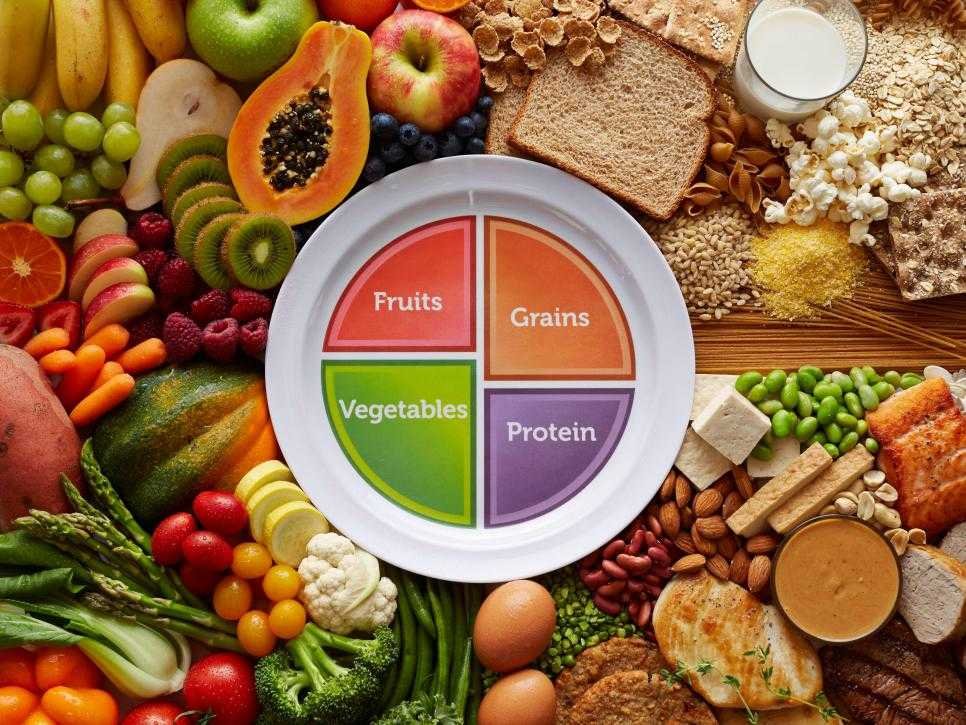
A well-balanced meal plan featuring lean proteins, fresh vegetables, and whole grains can transform your health and energy levels. The key is combining these elements in tasty, satisfying ways that keep you energized and satisfied throughout the day.
For a successful meal plan with lean proteins, veggies, and whole grains, focus on incorporating variety and flavor. Opt for grilled chicken or fish, colourful vegetables, and hearty grains like brown rice or quinoa. This approach not only boosts your nutrient intake but also keeps meals interesting. By planning ahead and selecting fresh, whole ingredients, you’ll enjoy delicious, nourishing meals that support your fitness and wellness goals.
Eating a meal plan rich in lean proteins, vegetables, and whole grains is an excellent way to nourish your body and improve overall health. These foods provide essential nutrients, fiber, and sustained energy, making them perfect for anyone looking to eat smarter. Whether you’re aiming to lose weight, build muscle, or just feel better daily, this balanced approach can help you achieve your goals with delicious, satisfying meals.

Meal Plan with Lean Protein Veggies and Whole Grains
What Makes a Meal Plan with Lean Protein Veggies and Whole Grains Important?
A meal plan centered around lean protein, vegetables, and whole grains offers many health benefits. It helps maintain a healthy weight and supports overall wellness. This balanced approach promotes energy, improves digestion, and reduces the risk of chronic diseases.
Understanding the Role of Lean Protein
Lean proteins are foods that provide high-quality protein with less fat. They include options like chicken breast, turkey, fish, beans, and tofu. Incorporating lean protein helps build and repair muscles and keeps you full longer.
Benefits of Vegetables in Your Meal Plan
Vegetables are packed with vitamins, minerals, and fiber. They help improve digestion and support immunity. Eating a variety of colorful vegetables ensures you get a broad range of nutrients.
Why Whole Grains Are Essential
Whole grains such as brown rice, oats, and whole wheat bread contain all parts of the grain kernel, making them rich in fiber and nutrients. They give you sustained energy and help control blood sugar levels. Including whole grains in your diet can boost heart health and aid digestion.
Sample Meal Plan for a Day
Below is a simple, effective meal plan highlighting lean protein, vegetables, and whole grains.
Breakfast
- Oatmeal topped with fresh berries and a sprinkle of nuts
- Scrambled egg whites with spinach and tomatoes
Lunch
- Grilled chicken salad with mixed greens, cucumbers, and carrots
- Whole wheat roll on the side
Snack
- Greek yogurt with sliced bananas and chia seeds
Dinner
- Baked salmon with lemon and herbs
- Steamed broccoli and roasted sweet potatoes
- Quinoa or brown rice
Building a Weekly Meal Plan
Creating a weekly plan helps you stay consistent and ensures balanced nutrition. Plan each meal to include a source of lean protein, vegetables, and whole grains. Rotate different options to enjoy variety and prevent boredom.
Sample Weekly Meal Themes
- Grilled chicken with roasted vegetables and wild rice
- Baked fish with steamed leafy greens and whole wheat pasta
- Tofu stir-fry with colorful vegetables and brown rice
- Turkey chili with beans and corn
- Egg vegetable scramble with whole grain toast
Tips for Maintaining a Healthy Meal Plan
- Plan meals ahead to avoid last-minute unhealthy choices
- Incorporate a variety of vegetables and lean proteins to prevent nutritional gaps
- Use herbs and spices to flavor foods instead of high-sodium sauces
- Prepare meals in bulk to save time and effort
- Limit processed foods and added sugars
Smart Shopping for Your Meal Plan
Create a shopping list focusing on fresh produce, lean meats, and whole grains. Look for sales and buy in bulk to save money. Always check labels to avoid foods with added sugars and unhealthy fats.
Essential Grocery List
| Vegetables | Protein Sources | Whole Grains |
|---|---|---|
| Spinach, kale, carrots, bell peppers | Chicken breast, fish, turkey, tofu, beans | Brown rice, oats, quinoa, whole wheat bread |
Cooking Methods and Recipes
Choose cooking methods that preserve nutrients and reduce added fats. Grilling, steaming, baking, and stir-frying are excellent options.
Healthy Cooking Tips
- Avoid deep frying
- Use minimal oil, preferably olive or avocado oil
- Incorporate herbs and lemon for flavor
- Experiment with spices to add variety
Sample Recipe: Grilled Chicken with Vegetable Quinoa
- Marinate chicken breast with lemon juice, garlic, and herbs for 30 minutes
- Grill chicken until cooked through
- Cook quinoa according to package instructions
- Sauté mixed vegetables like zucchini, peppers, and onions in a little olive oil
- Combine quinoa with vegetables and serve with sliced grilled chicken
Incorporating Snacks and Desserts
Healthy snacks help maintain energy levels between meals. Opt for nuts, fruits, and yogurt. Limit high-sugar desserts but enjoy fruit salads or homemade smoothies.
Snack Ideas
- Almonds or walnuts with dried fruit
- Fresh fruit with a dollop of Greek yogurt
- Carrot sticks with hummus
Healthy Dessert Options
- Frozen berries with a splash of honey
- Banana oat cookies
- Chia seed pudding with cocoa and berries
Adapting Your Meal Plan to Dietary Needs
Adjust your plan according to specific health goals or dietary restrictions. For example, vegetarians can focus on plant-based proteins like beans, lentils, and tofu. Those with food allergies should choose alternatives that fit their needs.
Tracking Your Progress and Making Adjustments
Keep a food journal to monitor what you eat and how it makes you feel. Make small changes over time to keep your meal plan interesting and sustainable. Remember, consistency is key to long-term success.
Summary
A well-designed meal plan with lean protein, vegetables, and whole grains supports a healthy lifestyle. It offers a balance of nutrients, keeps energy levels steady, and promotes overall health. By planning ahead and making smart choices, you can enjoy variety and maintain your wellness goals.
Are There Best Foods For Muscle Growth And Fat Loss?
Frequently Asked Questions
What are some easy ways to incorporate more vegetables into a meal plan focused on lean proteins and whole grains?
You can add vegetables like spinach, bell peppers, and broccoli to your stir-fries, salads, and wraps. Including roasted vegetables as side dishes or blending them into soups and smoothies also boosts your intake. Planning meals that feature vegetables as the main ingredient helps ensure you get enough nutrients alongside your lean proteins and grains.
How can I make sure my portions of lean protein are balanced with whole grains and vegetables?
Use measuring tools to keep portion sizes in check, aiming for approximately a quarter of your plate to be lean protein, a quarter for whole grains, and half for vegetables. Planning meals ahead helps balance these components and prevents overeating. Incorporate a variety of protein sources like chicken, fish, and legumes to maintain diversity and nutritional value.
What are some practical snack ideas that fit within a meal plan with lean protein, vegetables, and whole grains?
Consider snacks like hummus with veggie sticks, Greek yogurt with whole-grain granola, or a handful of nuts with fruit. Hard-boiled eggs paired with whole-grain crackers or a turkey wrap with vegetables also make satisfying options. These snacks support your nutritional goals without excess calories.
How can I adapt this meal plan for different dietary preferences, such as vegetarian or gluten-free diets?
For a vegetarian plan, replace animal-based proteins with beans, lentils, tofu, or tempeh. To meet gluten-free needs, choose grains like quinoa, brown rice, or corn-based products instead of wheat. Focus on incorporating a variety of colorful vegetables and plant-based proteins to maintain balance and flavor.
What are some tips to prepare lean proteins and vegetables efficiently for a weekly meal plan?
Batch cook lean proteins like chicken breasts or fish in bulk and store them in the fridge or freezer for quick use. Roast or steam a large batch of vegetables at once to save time during the week. Use versatile seasonings and marinades to add flavor, making meal prep faster and more enjoyable.
Final Thoughts
A meal plan with lean protein, veggies, and whole grains offers balanced nutrition and sustained energy. Incorporating variety ensures you get essential nutrients while keeping meals interesting. Focus on refreshing flavors and simple preparations to enjoy healthy eating every day. This approach supports your overall well-being and keeps you motivated toward your health goals.
As an Amazon Associate, We earn from qualifying purchases. When you purchase a product through Amazon links on pulsefitguide.com, we may earn a small commission at no extra cost to you. This helps support the site and keep our content free.
