


Looking to simplify your mealtime routine and start eating healthier without the stress? A simple weekly meal plan is the perfect way to stay organized, save time, and enjoy nutritious food every day. With just a little preparation, beginners can create a variety of tasty, balanced meals that are easy to make and won’t break the bank. The key is to keep things straightforward—think easy recipes, minimal ingredients, and a flexible schedule. By planning ahead, you’ll avoid last-minute scramble and make grocery shopping more efficient. Whether you’re new to cooking or just want to streamline your week, this guide will give you a practical, beginner-friendly meal plan that helps you stay on track with your health goals and enjoy delicious food with less effort.
A simple weekly meal plan for beginners focuses on easy-to-make, nutritious meals that cover breakfast, lunch, and dinner. It emphasizes prepping in advance, using versatile ingredients, and keeping recipes straightforward. This approach reduces stress and helps build confidence in the kitchen while maintaining a balanced diet effortlessly.

Simple Weekly Meal Plan for Beginners
Why a Simple Meal Plan Makes Cooking Easier
A simple weekly meal plan helps you stay organized and reduces stress in the kitchen. It saves time by eliminating daily decisions about what to cook. Plus, it can help you eat healthier with less effort.
Benefits of a Weekly Meal Plan
Planning your meals offers many advantages. It helps control grocery shopping, reduces food waste, and keeps you on budget. Also, it makes grocery shopping quicker and more efficient.
Steps to Create a Basic Weekly Meal Plan
Start by choosing your favorite meals. Keep it simple with easy-to-make recipes. Make a list of ingredients so you shop only for what you need.
Choose Your Meal Types
Decide how many meals you want each day. Usually, breakfast, lunch, and dinner are enough. You can also plan snacks if needed.
Select Easy Recipes
Pick recipes that don’t require many ingredients or complicated methods. Think about healthy options that you enjoy eating.
Create a Weekly Schedule
Write down your planned meals for each day. Use a calendar or printable template for organization. This helps you stay on track and avoid last-minute meal decisions.
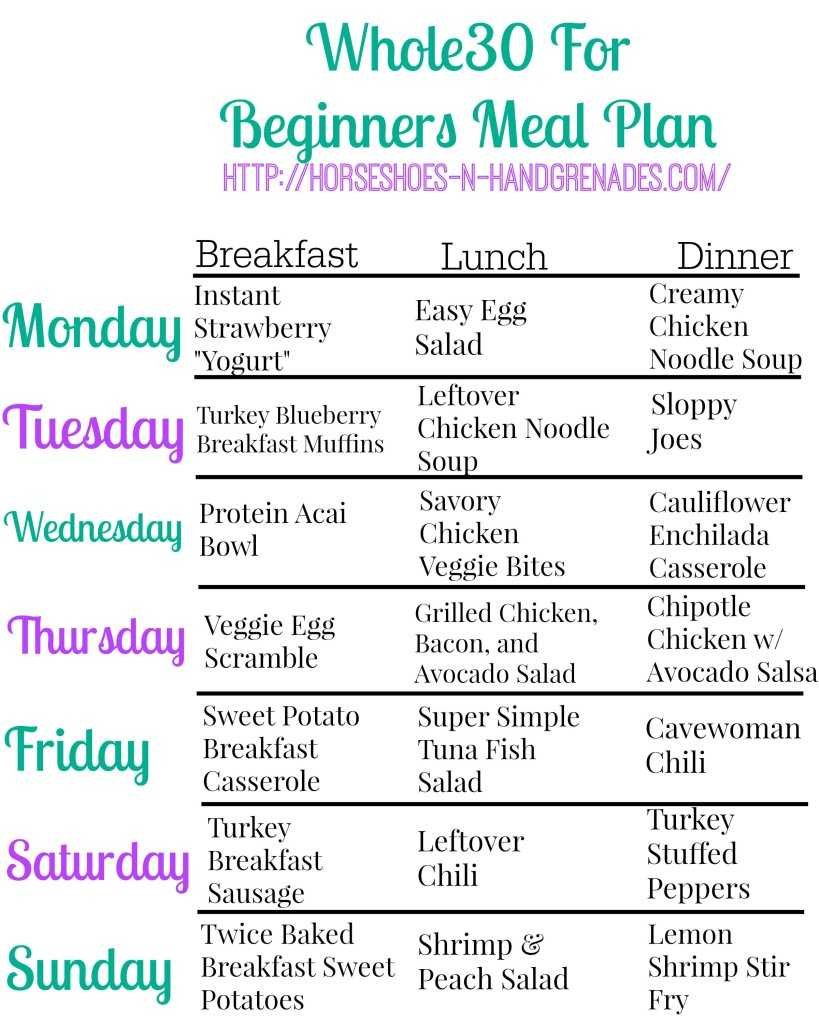
Sample Weekly Meal Plan for Beginners
Here is a simple example to follow:
- Monday: Oatmeal with fruit for breakfast, turkey sandwich for lunch, grilled chicken with vegetables for dinner.
- Tuesday: Yogurt with granola, pasta salad, baked fish with rice.
- Wednesday: Smoothie, veggie wrap, stir-fried tofu with broccoli.
- Thursday: Toast with peanut butter, salad with mixed greens, meatloaf with mashed potatoes.
- Friday: Cereal with milk, chicken quesadilla, homemade pizza.
- Saturday: Pancakes, leftovers, spaghetti with marinara sauce.
- Sunday: Eggs and toast, roasted chicken with vegetables, fruit salad for dessert.
Tips for Making Your Meal Plan Work
Keep your meals simple and flexible. Use versatile ingredients like rice, pasta, and vegetables. Prepare some ingredients ahead of time to make cooking faster.
Batch Cooking for Busy Days
Cook large portions of grains or proteins to use throughout the week. Store leftovers in containers for quick meals later. Make soups, stews, or casseroles in advance.
Shopping List Made Easy
Create a shopping list based on your meal plan. Organize it by sections of the store—produce, dairy, grains, etc. This saves time and helps avoid forgetting ingredients.
Healthy Eating Tips for Beginners
Try to include fruits, vegetables, lean proteins, and whole grains daily. Limit processed foods and sugary snacks. Drink plenty of water and watch portion sizes.
Making Meals Nutrient-Rich
Add colorful vegetables to your dishes. Incorporate sources of healthy fats like nuts and avocado. Use herbs and spices for flavor instead of salt.
Adapting Your Meal Plan as You Go
Be flexible and adjust your plan based on what works for you. If you find a recipe difficult, swap it for something easier. Keep track of what you like and what you don’t.
Handling Unplanned Days
Have backup options like frozen meals or quick recipes like scrambled eggs. This way, you won’t feel stressed if plans change.
Staying Motivated and Consistent
Set small goals for yourself each week. Celebrate your progress in sticking to your plan. Remember, it takes time to build new habits.
Additional Tips for Beginners
Use simple kitchen tools like a good knife, cutting board, and pots. Watch short cooking videos to learn basic techniques. Don’t be afraid to ask for help or try new recipes slowly.
Resources to Help You Stay on Track
Use meal planning apps or printable templates. Follow beginner-friendly cooking blogs and videos. Connect with friends or family for support and ideas.
A simple weekly meal plan can make cooking less stressful and more enjoyable. Focus on easy recipes, prep ingredients ahead, and stay flexible. Over time, this routine will help you become confident in the kitchen and make healthy eating habits stick.
EASY WEEKLY MEAL PLAN | Simple Meal Planning for Beginners
Frequently Asked Questions
How can I plan my meals to save time during the week?
Start by setting aside a specific day to plan your meals for the upcoming week. Create a simple menu, focusing on easy-to-prepare dishes and ingredients you already have. Make a shopping list based on your plan to avoid multiple trips to the store. Prep ingredients in advance, such as chopping vegetables or batch-cooking grains, to reduce cooking time on busy days. This approach helps you stay organized and prevents last-minute stress.
What are some affordable ingredients I can include in my weekly meal plan?
Focus on inexpensive staples like rice, pasta, beans, lentils, and frozen vegetables. Eggs, canned tuna, and seasonal produce also offer cost-effective options. Buying in bulk and choosing store brands can help you stay within budget. Incorporate versatile ingredients that can be used across multiple meals to maximize your savings and simplify shopping.
How do I ensure my meal plan is nutritionally balanced?
Include a variety of food groups in your meal plan, such as lean proteins (chicken, fish, beans), whole grains (brown rice, oats), fruits, and vegetables. Aim for color and diversity on your plate to cover different nutrients. Keep portion sizes in check and incorporate healthy fats like avocados or nuts. Planning ahead ensures you consume a range of nutrients without over-relying on processed foods.
What tips can help me stick to my meal plan consistently?
Set realistic goals and start with simple recipes that suit your skill level. Keep your pantry stocked with essential ingredients to avoid disruptions. Prepare meals or components in advance so they are ready when you need them. Track your progress and adjust your plan as needed, celebrating small successes to stay motivated. Flexibility helps you adapt when unexpected events arise.
How do I handle meal planning when I have a busy schedule?
Create quick and easy recipes that require minimal preparation and cooking time. Batch-cook meals on weekends or days off and store portions for the week. Use simple ingredients and one-pot or sheet-pan recipes to save time and cleanup. Prioritize meals that can be prepared in advance, so you always have healthy options available even on hectic days.
Final Thoughts
A simple weekly meal plan for beginners provides a practical way to stay organized and eat healthily. It simplifies shopping by reducing unnecessary trips and minimizes decision fatigue. With easy recipes and prep tips, beginners can build confidence in the kitchen. Sticking to a plan encourages balanced eating and saves time, making meal preparation less stressful and more enjoyable.
As an Amazon Associate, We earn from qualifying purchases. When you purchase a product through Amazon links on pulsefitguide.com, we may earn a small commission at no extra cost to you. This helps support the site and keep our content free.
